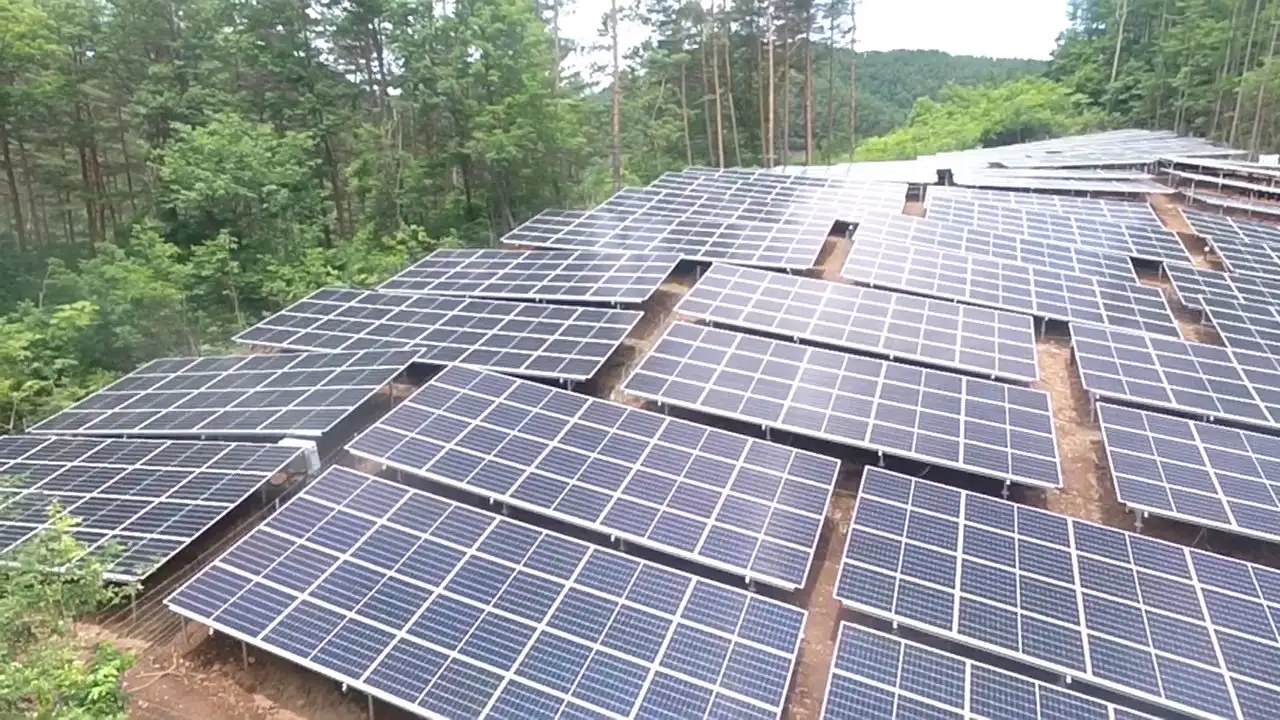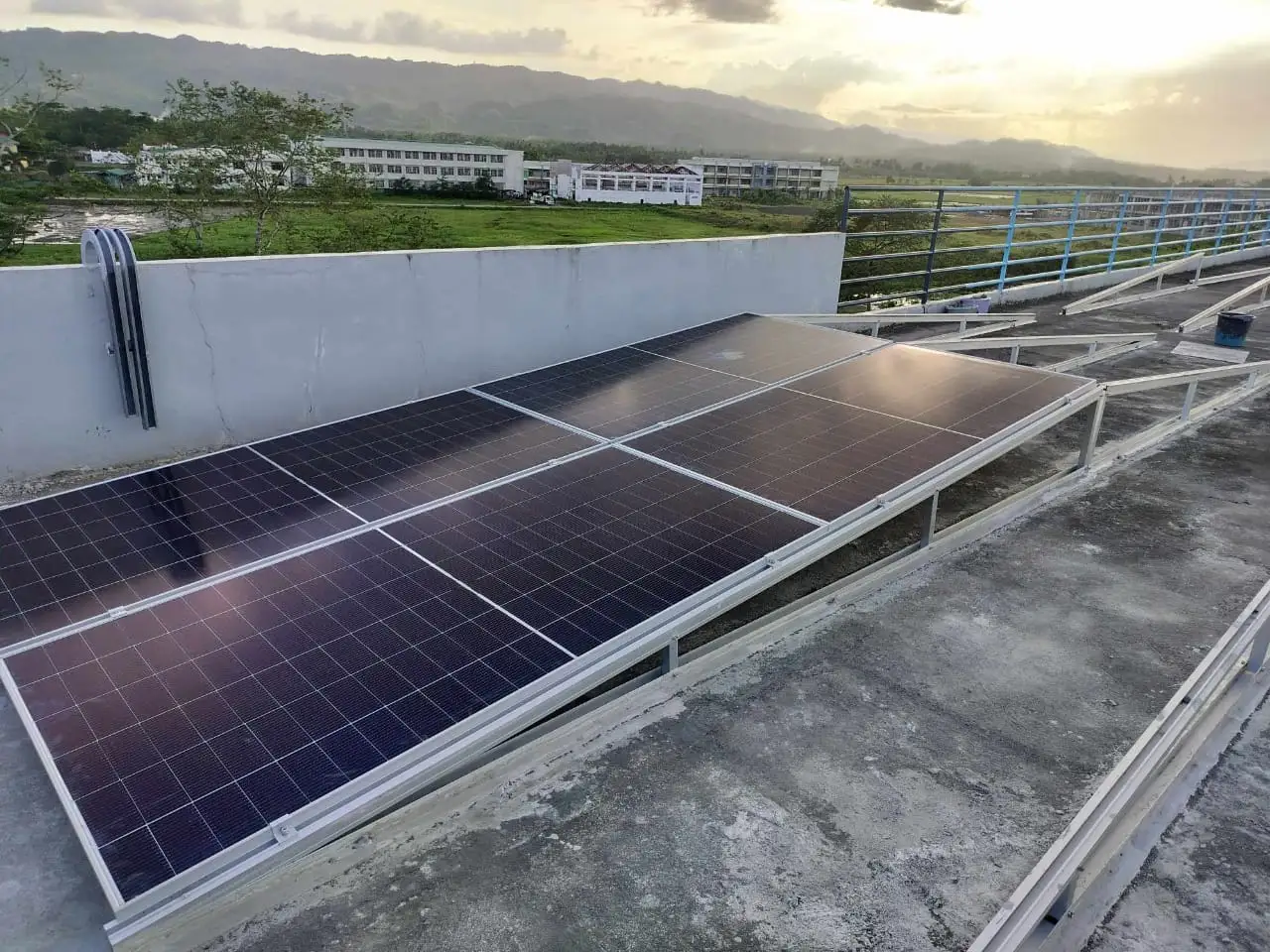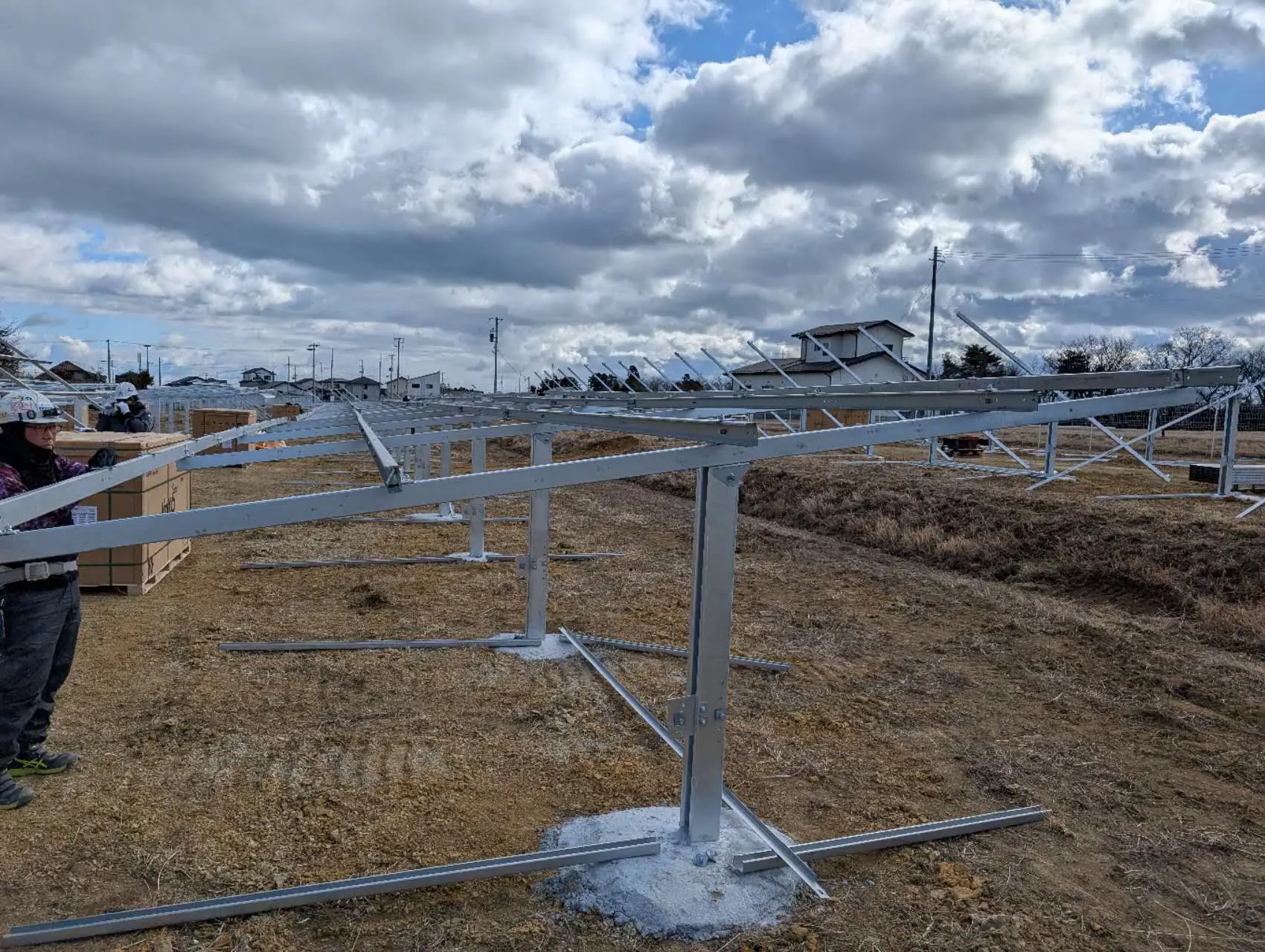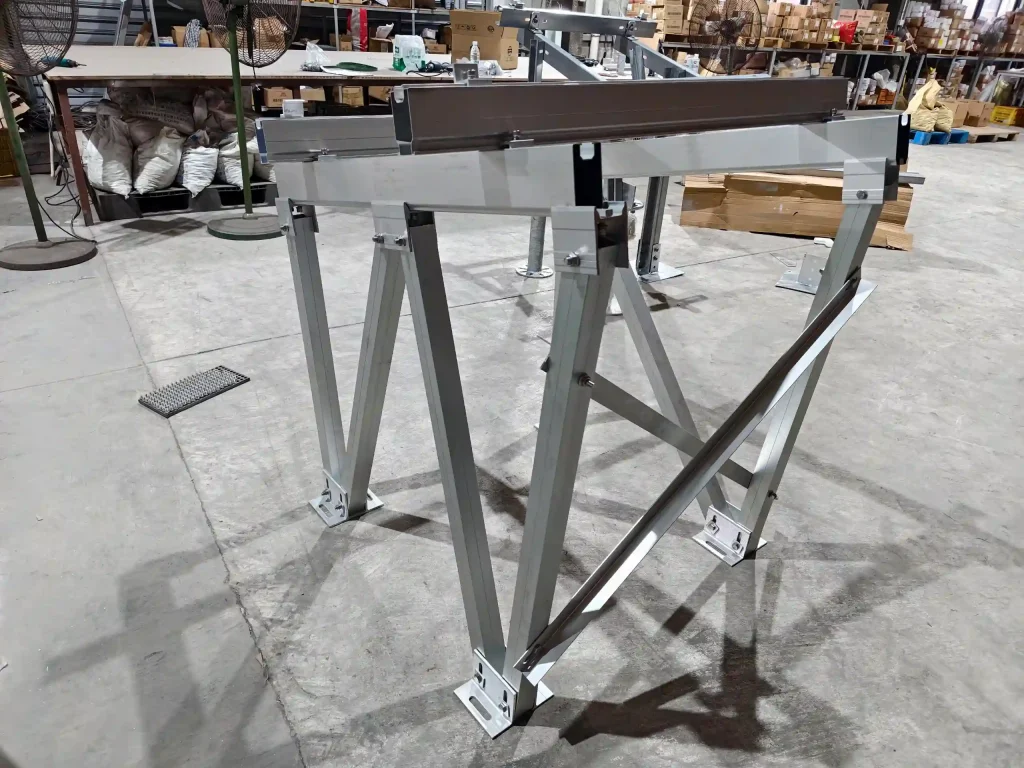
Before our products meet customers at the exhibition, they meet our solar mounting system quality inspection standards first.
Today, our management and engineering team visited the factory to inspect the solar mounting system samples prepared for our upcoming exhibition. These samples will be presented to customers, distributors, EPCs, and project developers, so we do not treat them as simple display pieces. They need to represent the same manufacturing standard we expect from our regular production.
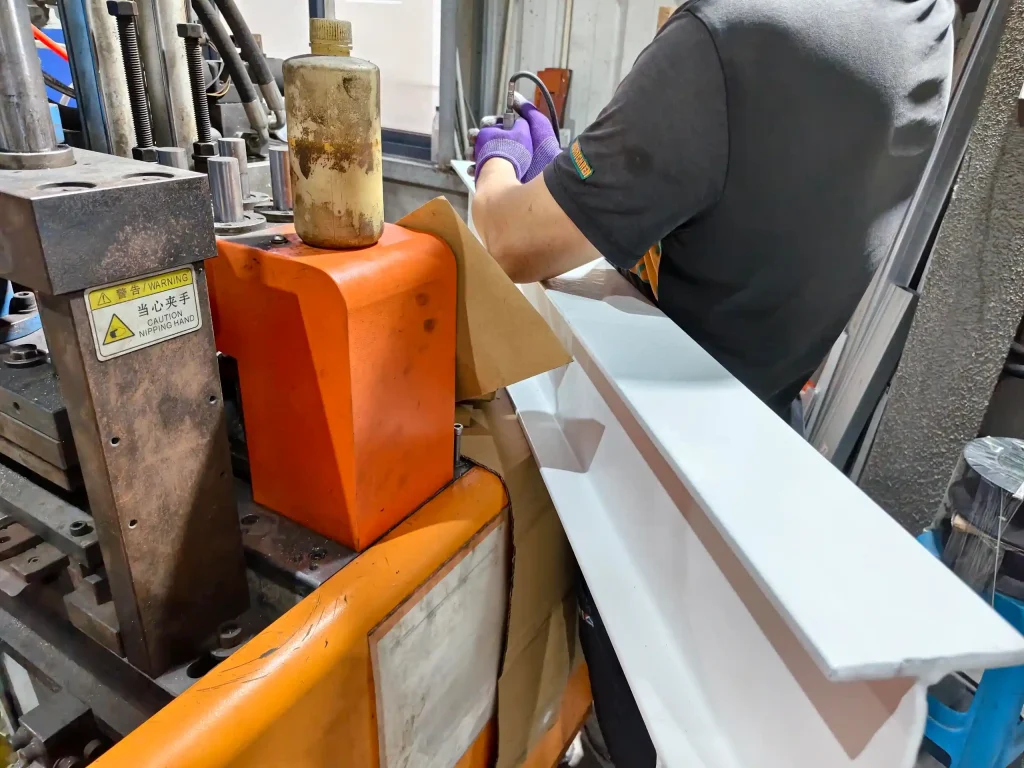
Why does this matter?
A sample is small, but it represents a much larger manufacturing process. If a supplier cannot control the details of an exhibition sample, it is reasonable for a customer to ask whether the same supplier can maintain consistent quality when producing thousands of components for a commercial or utility scale solar project.
For SR Solar, solar mounting system quality inspection is not something that happens only before shipment. It starts with engineering, continues through material selection and manufacturing, and ends with the inspection of the finished product.
Why Solar Mounting System Quality Inspection Starts Before the Exhibition
An exhibition gives customers a quick opportunity to understand a supplier.
They may look at the rails, brackets, clamps, posts, foundations, fasteners, or other solar mounting system components. They may ask about materials, dimensions, surface treatment, installation methods, customization, and production capacity.
In many cases, the physical sample is the first product a potential customer actually touches.
That creates an important question.
Should an exhibition sample be treated differently from a product intended for a real project?
We do not think so.
If anything, the standard should be the same.
A good looking sample is not enough. A solar mounting system needs to work as a complete structure. Components need to fit together correctly. Connection points need to be manufactured accurately. Surface treatment needs to be consistent. Dimensions need to match the intended design.
This is why we include exhibition samples in our normal solar mounting system quality inspection process.
The basic idea is simple.
If we are willing to show a product to customers, we should be willing to inspect it as a real product.
What We Check During Solar Mounting System Quality Inspection
A complete solar mounting system contains many different components.
Some are large and easy to notice. Others are small and may appear less important.
From a manufacturing perspective, both deserve attention.
A strong rail cannot compensate for a poorly manufactured bracket. A properly designed structure can still create installation problems if the connection components do not fit correctly.
Our inspection therefore focuses on the complete system rather than only the main structural members.
Material and Surface Quality
Material selection is one of the first areas we consider during solar mounting system quality inspection.
Depending on the application and project requirements, mounting structures may use aluminum, ZAM steel, or HDG steel.
Each material has its own characteristics and should be selected according to the project environment and structural requirements.
But material selection is only the beginning.
The condition of the finished surface also matters.
Our inspection can include checking for surface consistency, visible damage, scratches, sharp edges, forming quality, coating condition, and other manufacturing details.
This is particularly important for outdoor solar projects.
A solar mounting system can remain exposed to rain, humidity, temperature changes, wind, and other environmental conditions for many years. If the material or surface treatment is not suitable for the project environment, the long term performance of the structure can be affected.
Coastal projects deserve particular attention because salt exposure can increase corrosion risk.
The right question is therefore not simply whether a product is corrosion resistant.
The better question is whether the selected material and surface treatment are suitable for the actual project environment.
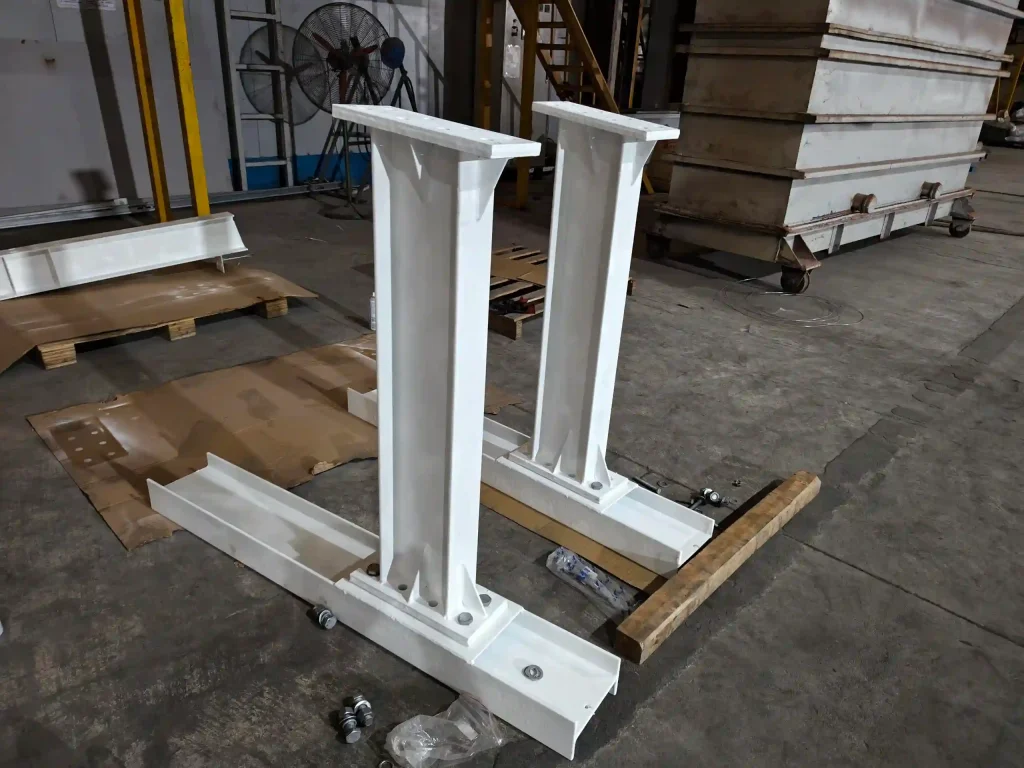
Dimensions and Manufacturing Accuracy
A solar mounting system is assembled from components that need to work together.
That makes manufacturing accuracy important.
During inspection, engineers can check critical dimensions such as component length, width, thickness, hole positions, slot positions, connection points, and other project specific dimensions.
Why does this matter?
Imagine thousands of components arriving at a solar project site. If some of them have inconsistent dimensions, installers may need to spend additional time adjusting parts, replacing components, or finding temporary solutions.
One manufacturing issue can quickly become an installation issue.
For EPCs, this is where solar mounting system quality inspection becomes directly connected with project efficiency.
A few extra minutes spent correcting one component may not sound serious.
Multiply that time across hundreds or thousands of installation points, however, and the labor cost becomes much more noticeable.
Good manufacturing accuracy helps reduce this unnecessary work.
Every Solar Mounting System Component Matters
There is a common tendency to focus most of the attention on the main structure.
The rail looks good.
The post looks good.
The main bracket looks good.
Everything seems fine.
But what about the smaller components?
A solar mounting system is made up of many parts. Clamps, brackets, bolts, nuts, connectors, bases, grounding components, and other accessories all contribute to the final installation.
A common EPC error is to evaluate the major structural components carefully while paying less attention to smaller parts.
In our project experience, small components can sometimes create surprisingly large installation problems.
For example, if an accessory does not fit properly, installers may need to stop and find another solution. If replacement parts are not available on site, the issue can affect the installation schedule.
This is why our solar mounting system quality inspection does not stop with the largest components.
The component may be small.
The quality standard should not be.
Assembly and Component Fit
Dimensional inspection tells us whether individual components meet the expected requirements.
Assembly inspection takes the next step.
Do the components actually fit together?
Are the connection points aligned?
Can the intended fasteners be installed correctly?
Does the clamp engage properly with the rail?
Can the system be assembled according to the intended installation method?
These are practical questions, but they matter greatly in the field.
A solar mounting system is manufactured to be installed at a real project site. It is not manufactured simply to sit on an exhibition table.
This is why assembling and reviewing the sample can provide valuable feedback.
If a component is difficult to assemble during internal inspection, that issue deserves attention before the product reaches an actual project.
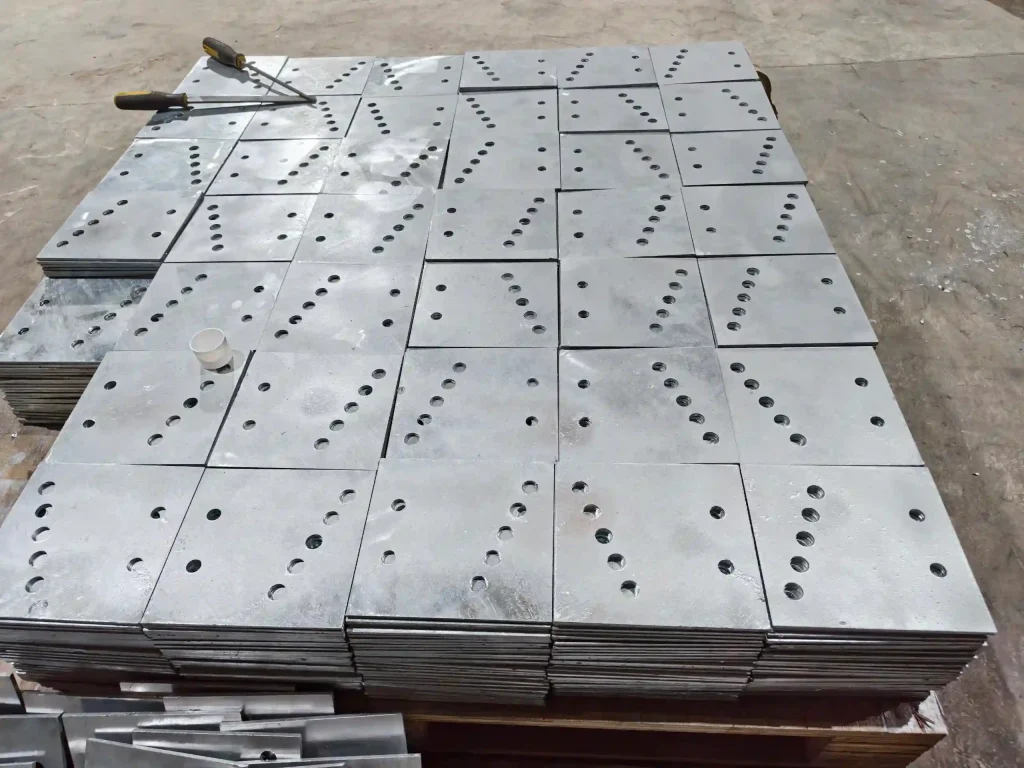
Why Quality Matters Across the Entire Solar Mounting System
A mounting system is not defined by one component.
It is a complete structural system.
The rail transfers loads. Brackets connect structural members. Clamps secure the solar modules. Posts and foundations transfer structural forces into the ground or supporting structure. Fasteners keep the connections together.
The final result depends on how all of these parts work together.
This is also why comparing suppliers only by the price of one component can be misleading.
Two suppliers may offer similar looking rails at similar prices. However, one may have better dimensional control, more consistent surface treatment, better component compatibility, and stronger manufacturing processes.
The difference may not be obvious when looking at a single product.
It can become very obvious during installation.
For EPCs, the real project cost is not limited to the purchase price.
It can also include installation labor, rework, replacement components, additional site handling, delays, quality claims, and communication costs.
This is where solar mounting system quality inspection has a direct business impact.
Good quality control helps reduce uncertainty before the products arrive at the project site.
From Factory Production to Exhibition Sample
The inspection we carried out today is only one part of the larger manufacturing process.
A solar mounting system goes through several stages before it becomes an exhibition ready product.
Engineering and Product Preparation
Before production starts, the engineering team needs to define the product requirements.
These may include material selection, structural configuration, component dimensions, connection methods, surface treatment, installation requirements, and project specific customization.
For customized projects, these details need to be confirmed before manufacturing.
A mounting system that works for one project may not necessarily be suitable for another.
Wind conditions, terrain, module dimensions, roof structures, soil conditions, installation methods, and local project requirements can all influence the final solution.
Manufacturing and Process Control
Once the product requirements are confirmed, components move into production.
Depending on the product, manufacturing may involve cutting, punching, forming, extrusion, machining, coating, or other processes.
Each process introduces its own quality requirements.
For example, inaccurate punching can affect connection alignment. Poor forming can influence component geometry. Inconsistent surface treatment can affect corrosion protection and appearance.
This is why quality should not be treated as a final inspection task only.
Quality needs to be controlled throughout the manufacturing process.
Internal Solar Mounting System Quality Inspection
After production, finished components are inspected against the expected requirements.
This is where the engineering and production teams can review the actual manufacturing result.
For exhibition samples, the principle remains the same.
The fact that a product is being prepared for an exhibition does not mean the inspection standard should be lower.
If the product is not good enough for a customer to receive, it is not good enough for us to display.
Assembly and Final Review
Individual components are then reviewed as part of the complete system.
This can reveal issues that may not be obvious when looking at individual parts.
A rail may pass dimensional inspection but reveal an assembly issue when combined with a bracket.
A clamp may look perfectly acceptable on its own but fail to engage properly with the rail.
This is why system level inspection remains an important part of solar mounting system quality inspection.
Exhibition Preparation
Once the products meet our internal expectations, they can be prepared for shipment to the exhibition.
At that point, the samples are ready to represent the manufacturer in front of customers.
That is exactly what we want.
The product on the exhibition stand should reflect what the factory can actually manufacture.
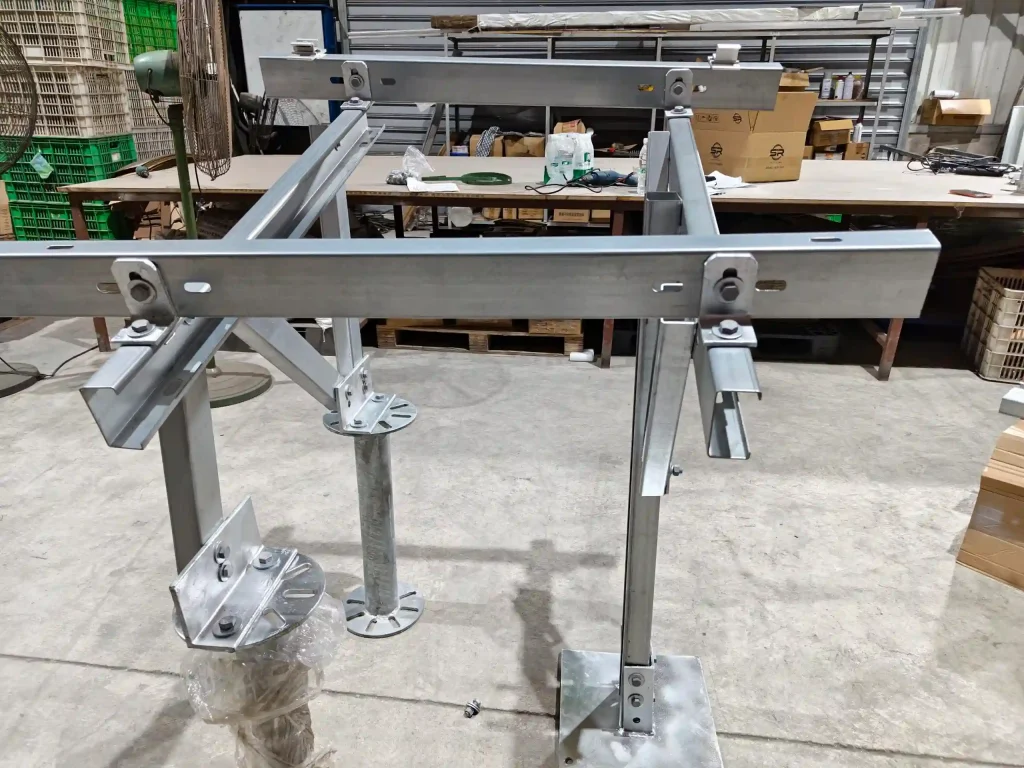
Can a Solar Mounting System Supplier Reproduce the Exhibition Sample?
For EPCs and professional buyers, there is a more important question behind every exhibition sample.
Can the supplier manufacture the same product consistently after the order is placed?
Anyone can prepare one attractive sample.
The real test is repeatability.
A solar project does not require one perfect component. It may require thousands or even hundreds of thousands of components that need to meet the same specifications.
This is where manufacturing capability and quality control become critical.
When evaluating a solar mounting system supplier, customers should look beyond the sample itself.
Consider asking about material specifications, production capacity, inspection procedures, manufacturing tolerances, surface treatment, component compatibility, quality documentation, packaging, logistics, engineering support, and experience with similar projects.
The sample should start the conversation.
It should not be the end of the evaluation.
How Solar Mounting System Quality Control Affects Project Cost
Quality and cost are often discussed as two separate topics.
On a real solar project, they are closely connected.
Suppose a component is manufactured incorrectly.
The first thought may be that the supplier simply needs to replace it.
But what happens if the issue is discovered after the shipment arrives?
Someone needs to identify the problem.
Someone needs to communicate with the supplier.
Replacement parts need to be arranged.
The project team may need to wait for the new shipment.
Installers may need to change their work sequence.
Additional transportation or site handling may also be required.
The original low cost component can suddenly become an expensive project issue.
This is why EPCs should evaluate the total impact of quality rather than looking only at the factory price.
A reliable solar mounting system supplier should help reduce these risks before the products reach the project site.
What Should Customers Ask a Solar Mounting System Supplier?
Customers do not necessarily need to inspect every manufacturing process themselves.
But they should ask the right questions.
What materials do you use for your solar mounting system?
Ask for the specific material specification rather than a general description such as high quality steel or premium aluminum.
The material should be appropriate for the intended application and environmental conditions.
How do you control solar mounting system quality?
Ask about inspection procedures for materials, dimensions, surface treatment, components, and finished products.
A supplier should be able to explain how quality is controlled rather than simply saying that quality is important.
Can you provide samples before mass production?
Samples can help customers confirm product configuration, connection details, materials, and installation requirements before moving into larger production.
Can the sample be reproduced consistently?
This is particularly important for EPC projects and distributors purchasing in volume.
A supplier needs to demonstrate that the quality of the first sample can be maintained during mass production.
How do you handle customized solar mounting system requirements?
Solar projects are rarely identical.
Different wind conditions, soil conditions, roof structures, module sizes, installation methods, and local standards may require different engineering solutions.
A capable solar mounting system supplier should be able to evaluate these requirements rather than simply offering a fixed product.
How SR Solar Approaches Solar Mounting System Quality Control
At SR Solar, we believe quality control should be part of manufacturing rather than a final marketing step.
Our engineering and production teams work together to review product requirements, manufacturing details, component compatibility, and finished products.
The same principle applies to our exhibition samples.
Before a customer sees the product, our own team needs to be satisfied with it.
That means checking not only the major structural members but also the smaller components that eventually become part of the complete solar mounting system.
Our approach is based on a simple idea.
The quality we show at the exhibition should be the quality we can manufacture for the project.
This is particularly important when working with EPCs and distributors.
EPCs need confidence that the mounting system can meet project requirements and support efficient installation.
Distributors need confidence that the products they introduce to their customers can be supplied consistently and supported by a capable manufacturer.
The exhibition is only the visible part of that process.
The factory is where the standard is actually built.
Quality Starts Before the Customer Sees the Product
An exhibition sample may only occupy a small space on a display stand.
Behind that sample, however, there is a much larger process involving engineering, material selection, manufacturing, inspection, assembly, packaging, and logistics.
That is why our management and engineering team went to the factory today to inspect the solar mounting system samples prepared for our upcoming exhibition.
We were not only checking whether the products looked good.
We were checking whether they represented the manufacturing standard we are willing to put in front of customers.
Because when a customer visits an exhibition and picks up one of our components, they should be seeing more than a sample.
They should be seeing what SR Solar can actually manufacture.
Quality comes first, from factory production to the final sample.
If you are evaluating a solar mounting system supplier for an upcoming commercial or utility scale project, our engineering team can help review your project requirements and recommend a suitable mounting solution.
Frequently Asked Questions
What is solar mounting system quality inspection?
Solar mounting system quality inspection is the process of checking mounting system materials, dimensions, surface treatment, components, connections, and assembly to make sure the finished products meet the required manufacturing and project standards.
Why is solar mounting system quality inspection important?
Quality inspection helps identify manufacturing issues before products reach the project site. This can reduce installation problems, rework, replacement requirements, and unnecessary project costs.
What should be checked during solar mounting system inspection?
Important inspection areas include material specifications, component dimensions, hole and slot positions, surface treatment, connection points, fasteners, component compatibility, and overall assembly.
Why should small solar mounting system components also be inspected?
Small components such as clamps, brackets, connectors, and fasteners directly affect installation. A problem with a small component can create delays or rework even when the main structure is manufactured correctly.
How should EPCs evaluate a solar mounting system supplier?
EPCs should consider more than product price. Manufacturing capability, quality control, engineering support, material specifications, customization capability, production consistency, delivery reliability, and experience with similar projects can all affect the total project cost.
Final Takeaway
A solar mounting system is only as reliable as the details behind it.
Quality does not start when the product reaches the customer.
It starts with engineering, continues through material selection and manufacturing, and is verified through inspection before shipment.
That is why even the samples prepared for an exhibition go through our solar mounting system quality inspection process.
Before our products meet customers, they meet our standards first.