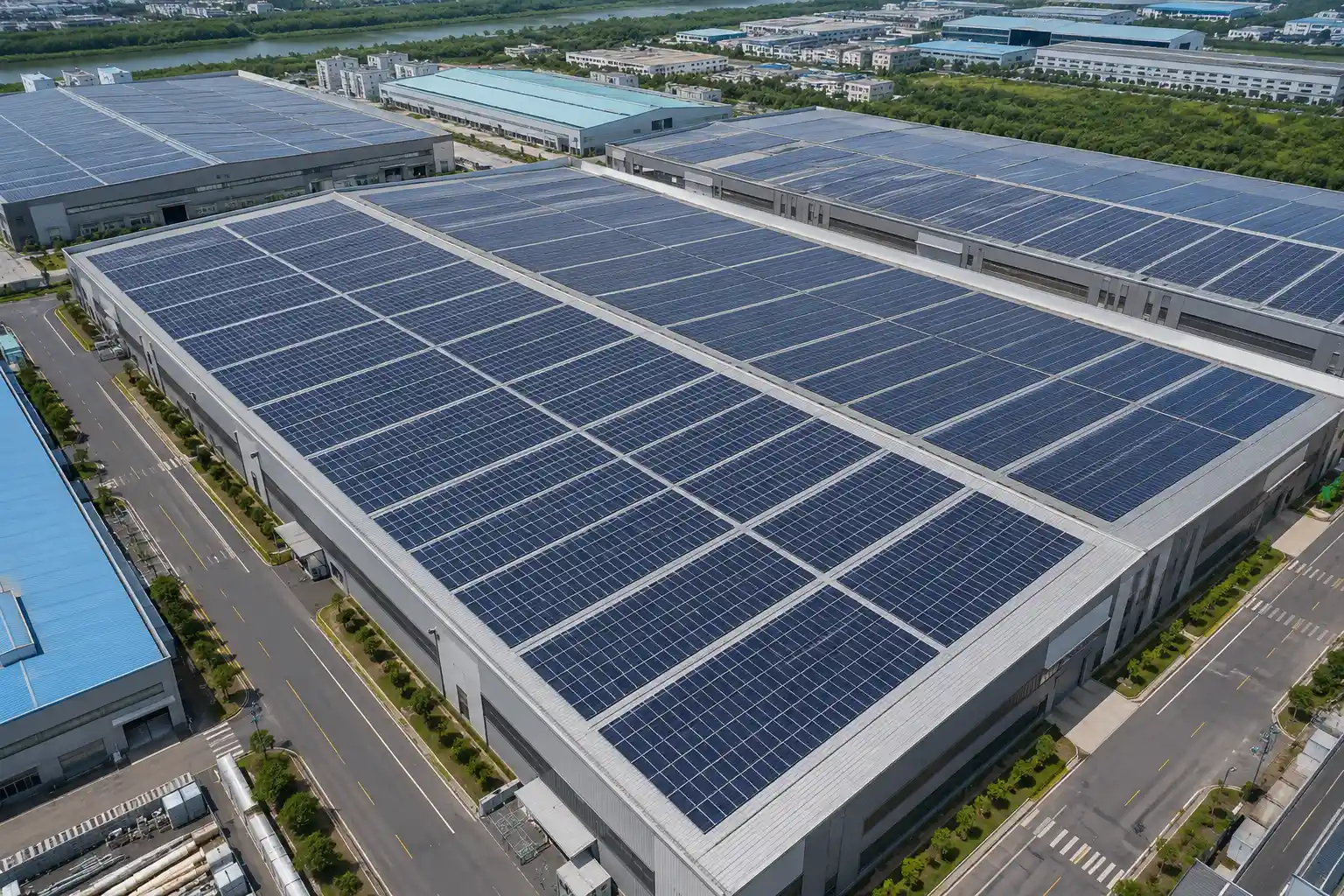
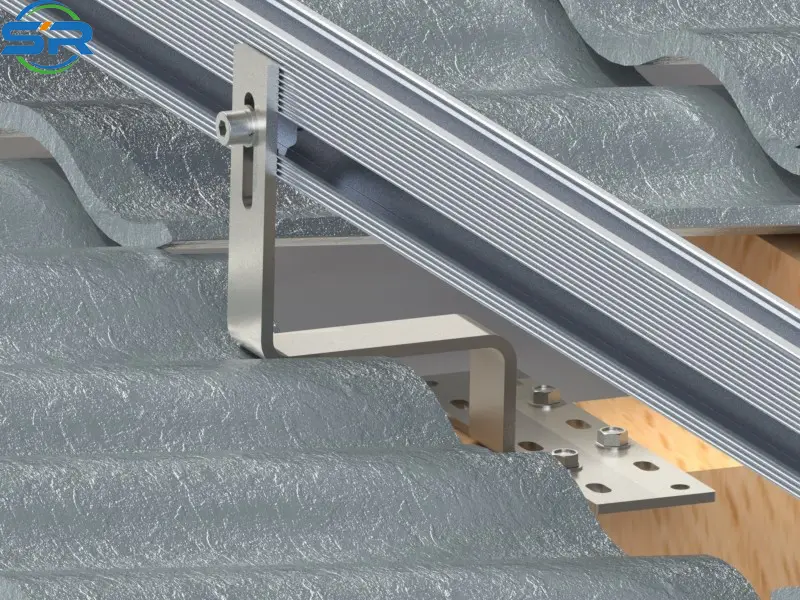
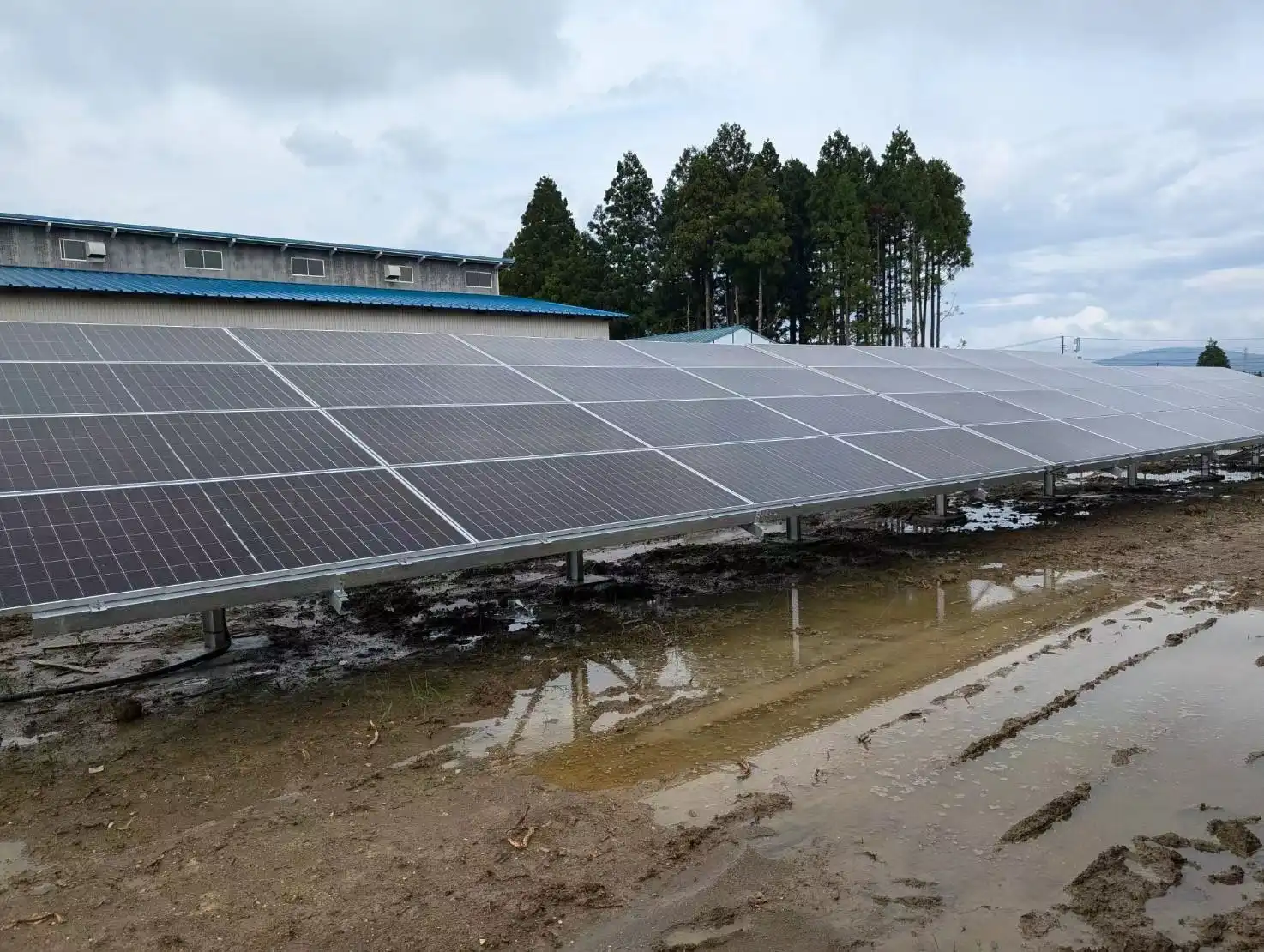
Imagine this: a massive utility-scale solar farm or a commercial rooftop array gets hit by gusts pushing 100+ mph. Without solid wind load data, panels could lift off like kites, torque tubes twist, or entire rows shift. I’ve seen projects delayed for months—or worse, face costly failures—because someone skimped on understanding real wind behavior. That’s where solar mounting system wind tunnel testing steps in as a game-changer for B2B players like you.
At SR Solar, we’ve worked on countless installations where this testing turned “maybe it’ll hold” into “we know exactly what it’ll handle.” It’s not hype; it’s engineering that saves money, time, and headaches. Let’s break it down so you can see why it’s worth the investment.
What Exactly Is Wind Tunnel Testing for Solar Mounting Systems?
Wind tunnel testing recreates real-world wind conditions in a controlled environment to measure how air flows around your specific solar mounting setup. Engineers build scaled models—often 1:30 to 1:50—of the panels, racking, and even surrounding structures or terrain. Sensors capture pressures, forces, and moments from every angle and wind direction.
This isn’t like sticking a model in a fan. Labs simulate atmospheric boundary layers with turbulence, gusts, and terrain effects that mimic open fields, rooftops, or hilly sites. The goal? Accurate aerodynamic coefficients that feed into your structural design.
How the Testing Process Works Step by Step
First, create a precise scaled model including panel tilt, row spacing, height, and support details. Accuracy matters—small geometry changes can swing loads big time.
Place it in the tunnel, which blows controlled wind while sensors record pressures on upper and lower surfaces. Tests run for multiple wind speeds, directions, and tilts (especially critical for trackers in stow).
Analyze data for mean, peak, and dynamic forces. Rigid tests give static coefficients; aeroelastic ones check vibrations or resonances.
Finally, you get certified reports with coefficients, tools for site-specific calcs, and often ballast or foundation optimizations.
Key Differences Between Rigid and Aeroelastic Wind Tunnel Tests
Rigid tests use stiff models to measure pressure distributions—great for basic loads and most fixed systems. They’re common and cost-effective. Aeroelastic tests allow some flexibility to capture dynamic effects like vortex shedding or twisting. Trackers often need these because low-frequency modes can amplify loads dramatically in arrays. I’ve pushed for aeroelastic on tracker projects—it’s saved clients from nasty surprises in turbulent sites.

Why Wind Tunnel Testing Is Essential for Solar Mounting Reliability
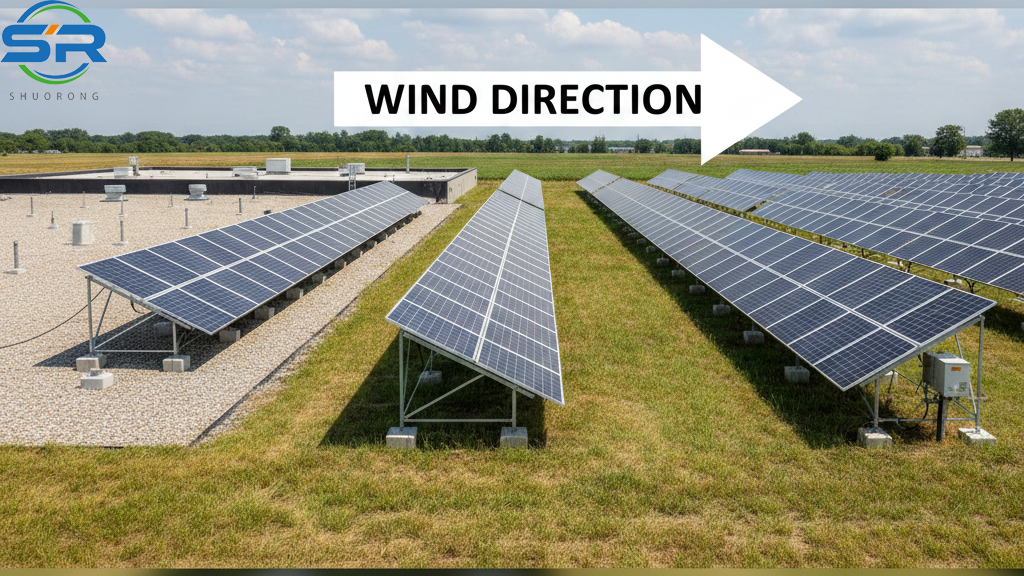
Wind doesn’t hit solar structures uniformly. Rooftop edges create vortices that suck panels upward. Ground rows shield each other but edge ones take the brunt. Trackers at low tilts? They can act like sails if not designed right.
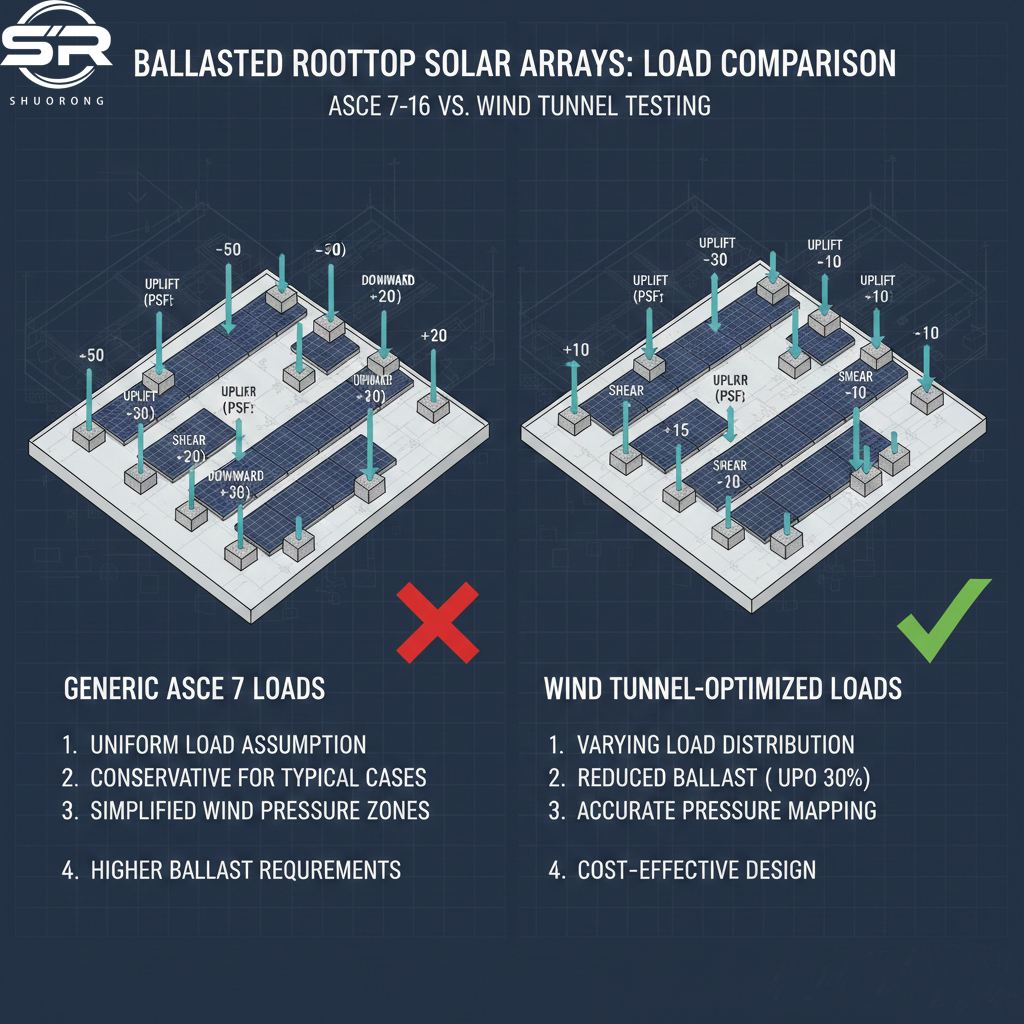
Generic code methods (like ASCE 7 basic tables) often overestimate or miss nuances, leading to overbuilt (expensive) or underbuilt (risky) systems. Wind tunnel data gives tailored coefficients—sometimes slashing ballast by 20-50% on rooftops.
Real Risks of Skipping Proper Wind Load Analysis
Panels flying off during storms isn’t rare in high-wind zones. We’ve seen torque tubes buckle on trackers from unaccounted aeroelastic effects. Failures mean downtime, insurance claims, lost revenue—plus reputational hits for EPCs.
In places like coastal areas or plains, skipping testing can void warranties or fail permitting.
How It Helps Optimize Design and Cut Costs
Tested systems let you minimize ballast on flat roofs, lighten foundations on ground mounts, or refine stow strategies on trackers. One client cut ballast by 30% after testing—huge savings on large arrays.
It speeds permitting too—AHJs love third-party data.
Meeting Modern Standards Like ASCE 7 and Beyond
ASCE 7-22 pushes wind tunnel methods (Chapter 31) for non-standard setups. For ground fixed-tilt, new provisions draw from tunnel data. Trackers often need it due to dynamic risks.
In 2026, with evolving codes and more extreme weather, tested systems stay compliant and competitive.
Which Solar Mounting Systems Actually Require Wind Tunnel Testing?
Not every setup demands it, but certain types practically beg for it to avoid conservatism or danger.
Rooftop Solar Mounting Systems: When Testing Becomes Non-Negotiable
Rooftops are tricky—buildings create complex flows with separation bubbles and conical vortices.
Ballasted Flat-Roof Systems
These penetration-free setups rely on weight alone. Wind tunnel tests are key to minimize ballast while staying safe. Without them, you over-ballast (extra cost/weight on roof) or risk uplift failure. Many leading brands test rigorously for certification.
Tilted or Standoff Rooftop Arrays
Higher tilts face stronger uplift. Testing reveals edge effects and interference—essential for tilted commercial roofs.
Ground-Mounted Fixed-Tilt Systems: The Case for Testing
ASCE 7 now has provisions, but for custom spacing, heights, or terrain, tunnel tests refine loads. Multi-row arrays benefit from shielding data—reducing overdesign on interior rows.
Solar Tracker Systems: Why They Demand the Most Rigorous Testing
Trackers move, creating unique aero challenges. Low-tilt stow exposes undersides; dynamic effects like galloping or torsional instability hit hard. Most manufacturers do multi-row aeroelastic tests—critical for utility-scale.
Other Types: Carports, Floating, and When Testing Might Not Be Needed
Carports often need it due to canopy-like flows. Floating solar? Emerging, but wind-wave interactions may call for specialized testing.
Simple flush residential rooftops in low-wind zones might stick to code tables—no tunnel needed.
Benefits for B2B Clients: From Permitting to Long-Term Performance
For developers and EPCs, tested mounting means faster approvals, lower BOS costs, higher bankability. Asset owners get peace of mind—systems survive 25+ years.
I’ve watched projects go from “red flag” to “green light” with solid tunnel reports.
Common Myths About Wind Tunnel Testing Debunked
Myth: It’s too expensive. Reality: It pays back through optimized designs.
Myth: Code tables are enough. Reality: They often conservative or incomplete for solar.
Myth: Only for extreme wind sites. Reality: Even moderate areas benefit from precision.
Choosing the Right Testing Partner and What to Look For
Seek labs like CPP or RWDI with solar experience. Check for boundary layer simulation, peer reviews, and recent tests.
Ask for full reports, not just summaries—ensure they model your geometry accurately.
At SR Solar, we guide clients toward partners who deliver actionable data.
Wrapping It Up: Making Smarter Choices for Your Solar Projects
Wind tunnel testing for solar mounting systems isn’t optional luxury—it’s smart engineering that protects investments, optimizes costs, and ensures reliability in any wind condition. Whether rooftop ballasted, ground fixed, or trackers, the right testing gives you confidence your project stands strong. At SR Solar, we’ve seen it transform projects time and again—let’s make yours next.