The viability of a solar power plant rests on the stability of its skeleton. While photovoltaic modules capture photons, the racking system manages the mechanical reality of the environment. At SR Solar, we approach the various types of solar racking systems not just as mounting hardware, but as a critical civil engineering component. A system must maintain precise orientation while neutralizing forces like wind uplift and seismic vibration over a twenty-five-year operational life.
Selecting the wrong architecture can lead to structural fatigue or catastrophic failure. It is a balance of metallurgy, geometry, and geotechnical data.
The Mechanical Foundation: Why Racking Dictates System Longevity
A racking system is the interface between the earth and the technology. It must be rigid enough to prevent module micro-cracking during heavy snow, yet flexible enough to breathe with thermal expansion. Most industrial-grade racking utilizes hot-dip galvanized steel or anodized aluminum. These materials provide the necessary corrosion resistance for long-term deployment in harsh climates.
Ground-Mounted Infrastructure for Utility-Scale Applications
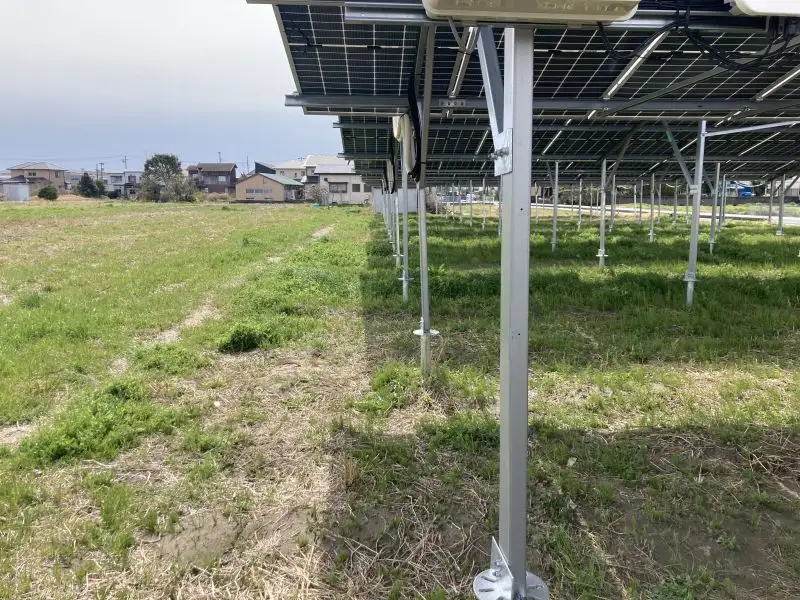
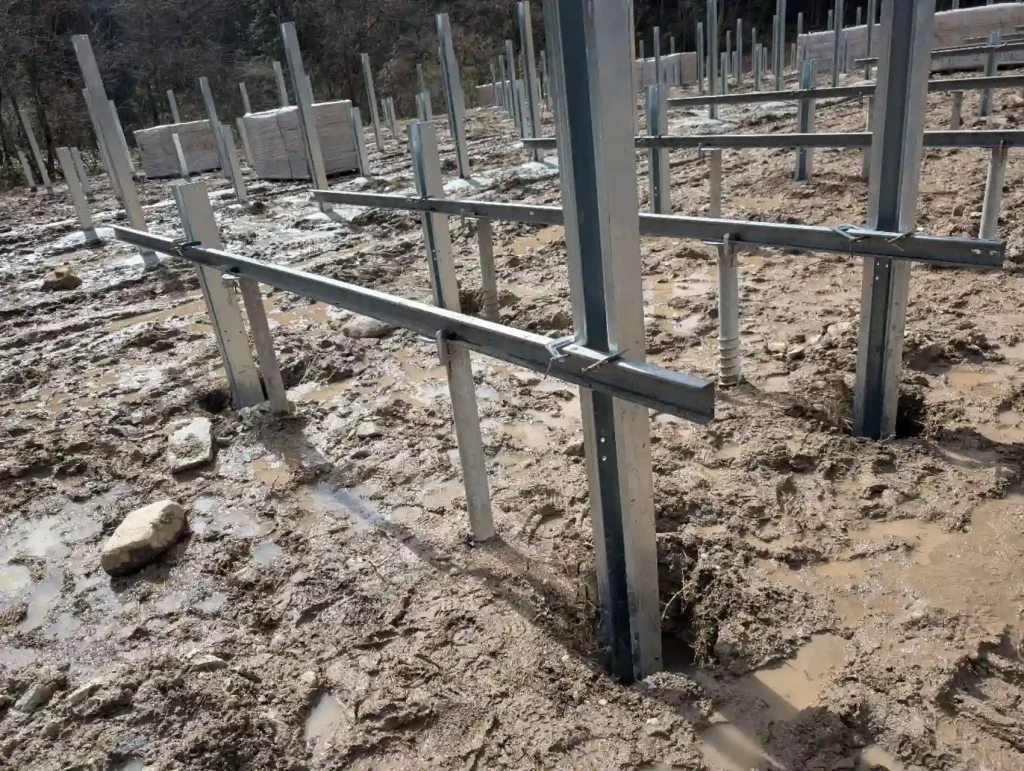
Ground-mounted systems are the workhorses of the utility sector. They offer the freedom to optimize tilt and azimuth without the constraints of a pre-existing roof. Foundations vary based on soil reports. Pile driving is common in dense soil, while ground screws or concrete footings are deployed in rocky or unstable terrain.
Fixed-Tilt Structures: Static Load Resilience
Fixed-tilt systems are the industry standard for simplicity and durability. These racks hold modules at a calculated, permanent angle. They are robust. With no moving parts, the risk of mechanical failure is essentially zero. For projects in remote regions where maintenance crews are expensive to deploy, fixed-tilt is the most logical choice.
Seasonal Angle-Adjustable Frameworks
Some environments benefit from varying the tilt angle as the seasons change. Seasonal adjustable racking allows for manual correction of the panel slope. By steepening the angle during winter, energy production remains consistent. It is a manual process, but it bridges the gap between static and automated systems without the cost of electronics.
Active Tracking Systems: Kinematic Solar Optimization
Solar trackers use automated drives to follow the sun’s path. They are designed to maximize the angle of incidence. In modern utility-scale engineering, tracking has become a primary method for reducing the Levelized Cost of Energy (LCOE).
Single-Axis vs. Dual-Axis Rotational Mechanics
Single-axis trackers usually rotate on a horizontal North-South axis. They are mechanically efficient. Dual-axis trackers move on two planes to point directly at the sun’s disc. These are far more complex. While dual-axis systems offer higher energy density, the increased structural load and maintenance requirements often restrict their use to specialized or high-irradiance research projects.
Rooftop Mounting Architectures: Structural Integration and Load Distribution
Rooftop solar requires a deep understanding of building physics. The racking must distribute the weight of the array without compromising the building’s structural integrity or waterproofing.
Pitched Roof Solutions: Mechanical Fixation and Waterproofing
On sloped roofs, the racking is typically secured to the rafters. For metal roofs, non-penetrating seam clamps are the gold standard. They grip the standing seams of the metal, avoiding any holes in the roof. For tiled roofs, specialized stainless steel hooks are used to bypass the tiles and anchor directly into the wood or steel frame.
Flat Roof Systems: Ballasted vs. Penetrating Engineering
Flat roofs on commercial buildings present a different challenge. Ballasted systems use concrete weights to keep the array in place through friction and gravity. This avoids roof penetrations entirely. However, if wind loads are extreme, penetrating mounts are used to tie the racking into the building’s structural deck. It is a choice between preserving the roof membrane and maximizing wind resistance.

Solar Carports: Elevated Frameworks for Dual-Use Infrastructure
Solar carports have evolved into a major segment of the C&I market. These are essentially elevated ground mounts designed with the clearance necessary for vehicle traffic.
Cantilevered and Multi-Post Structural Designs
The design depends on the parking layout. Single-post cantilevered systems provide clear paths for car doors and movement. They require significant engineering at the foundation to offset the leverage of the canopy. Multi-post “shed” designs are more traditional and offer higher structural rigidity at a lower cost per watt.
Agrivoltaic Racking: Specialized High-Clearance Synergy
Agrivoltaics—or “Agri-PV”—is the co-development of solar and agriculture. This requires racking that is significantly taller than standard arrays.
Dynamic Shading and Machinery Clearance Parameters
The vertical clearance of these systems often exceeds three meters. This allows tractors and harvesters to pass underneath. The spacing of the rows is also widened to ensure that crops receive enough light. These systems are highly specialized, as they must handle increased wind moments due to their elevated center of gravity.
BIPV: Building Integrated Photovoltaics as a Structural Element
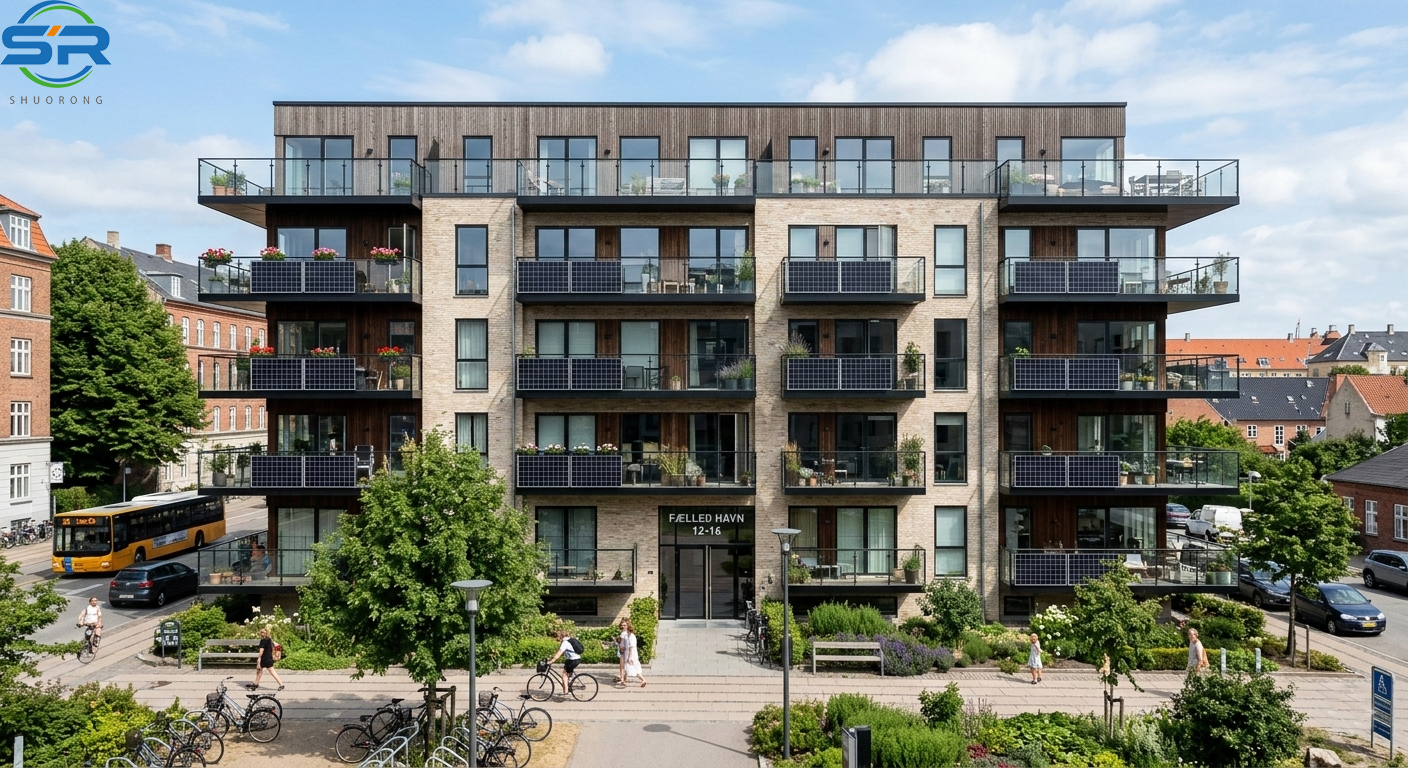
BIPV represents the ultimate integration of energy and architecture. Here, the solar module is not an add-on; it is the building material. We see this in carports where the solar panels themselves form the waterproof roof. This eliminates the need for secondary racking or roofing materials. It is a cleaner, more integrated approach to sustainable design.
Technical Selection Criteria: Matching Architecture to Environmental Loads
Selecting the correct types of solar racking systems is a data-driven process. Engineers must account for:
- Geotechnical Data: Soil density and foundation pull-out strength.
- Climatic Loads: Peak wind gusts and localized snow accumulation.
- Topography: Slope and elevation changes across the site.
- Operational Goals: Maintenance budget and required energy yield.
At SR Solar, we provide the engineering expertise to ensure that the chosen racking system is perfectly matched to the project’s environment. Whether it is a utility-scale tracker or a commercial carport, the structure is the foundation of the project’s success.
Summary
The structural diversity of modern solar racking allows for energy generation in virtually any environment. From the simplicity of fixed-tilt ground mounts to the architectural complexity of BIPV and agrivoltaics, each system is designed to address specific spatial and mechanical constraints. A rigorous engineering approach to racking selection ensures that the photovoltaic asset remains secure and productive for its entire lifecycle.
FAQ
1. What determines the choice between steel and aluminum for solar racking?
Steel is typically used for ground-mounted systems due to its high structural strength and cost-efficiency. Aluminum is preferred for rooftop applications because it is lightweight and highly resistant to corrosion.
2. Can a ballasted system be used in high-wind areas?
Yes, but it requires careful aerodynamic design. Wind deflectors and supplemental mechanical anchors are often used to keep ballasted systems stable during extreme wind events.
3. Why is soil testing important for ground-mounted solar?
The soil’s composition determines how deep the piles must be driven or if ground screws are required. Without testing, the foundations might settle or fail under the weight and wind loads of the array.
4. Does BIPV replace traditional roofing?
In many applications, yes. BIPV modules are designed to be waterproof and structurally sound, allowing them to function as the primary roofing material for structures like carports and sheds.
5. How does racking affect the cooling of solar panels?
Racking design should allow for sufficient airflow behind the modules. Panels that are mounted too close to a surface can overheat, which reduces their energy conversion efficiency.