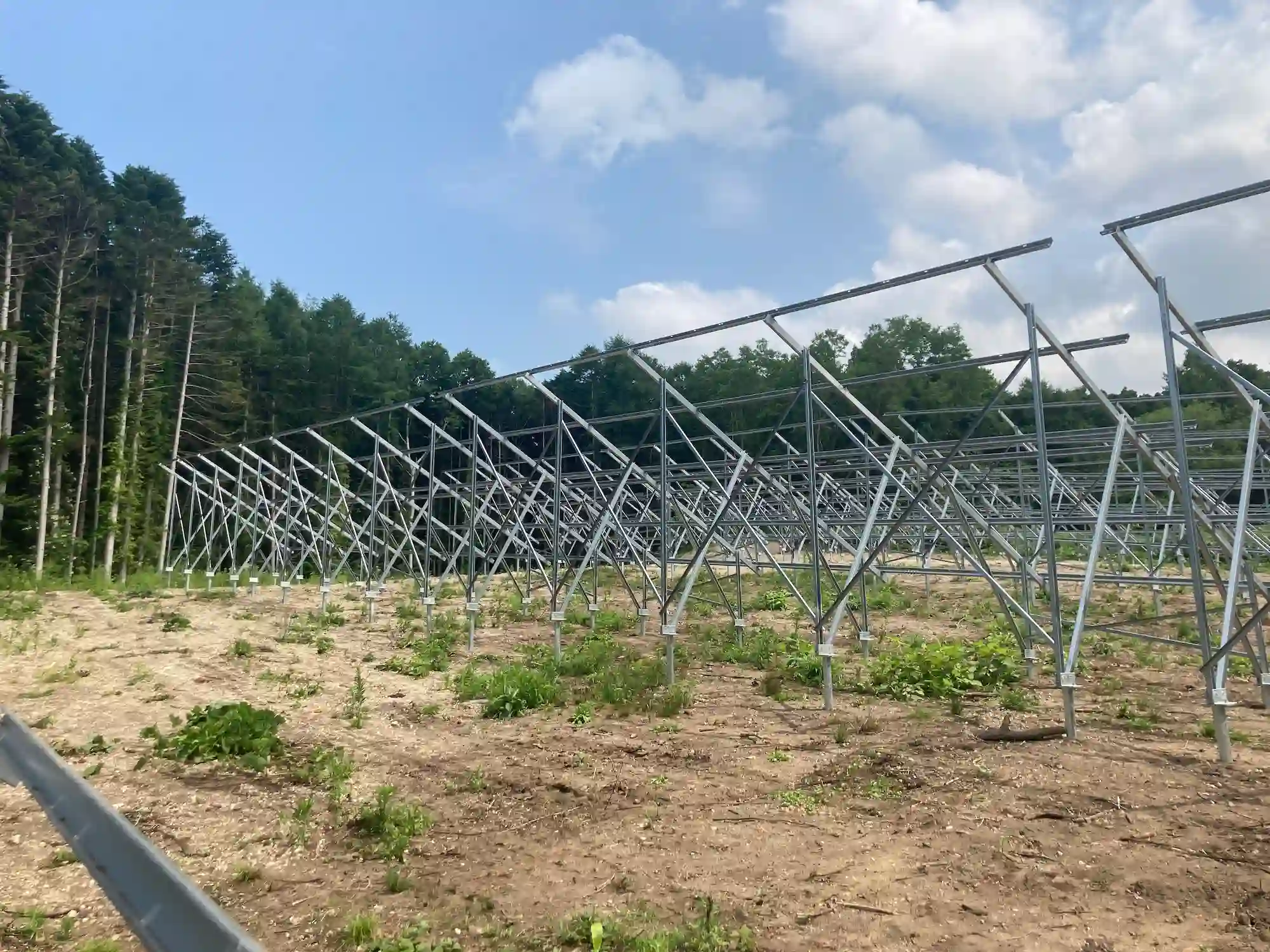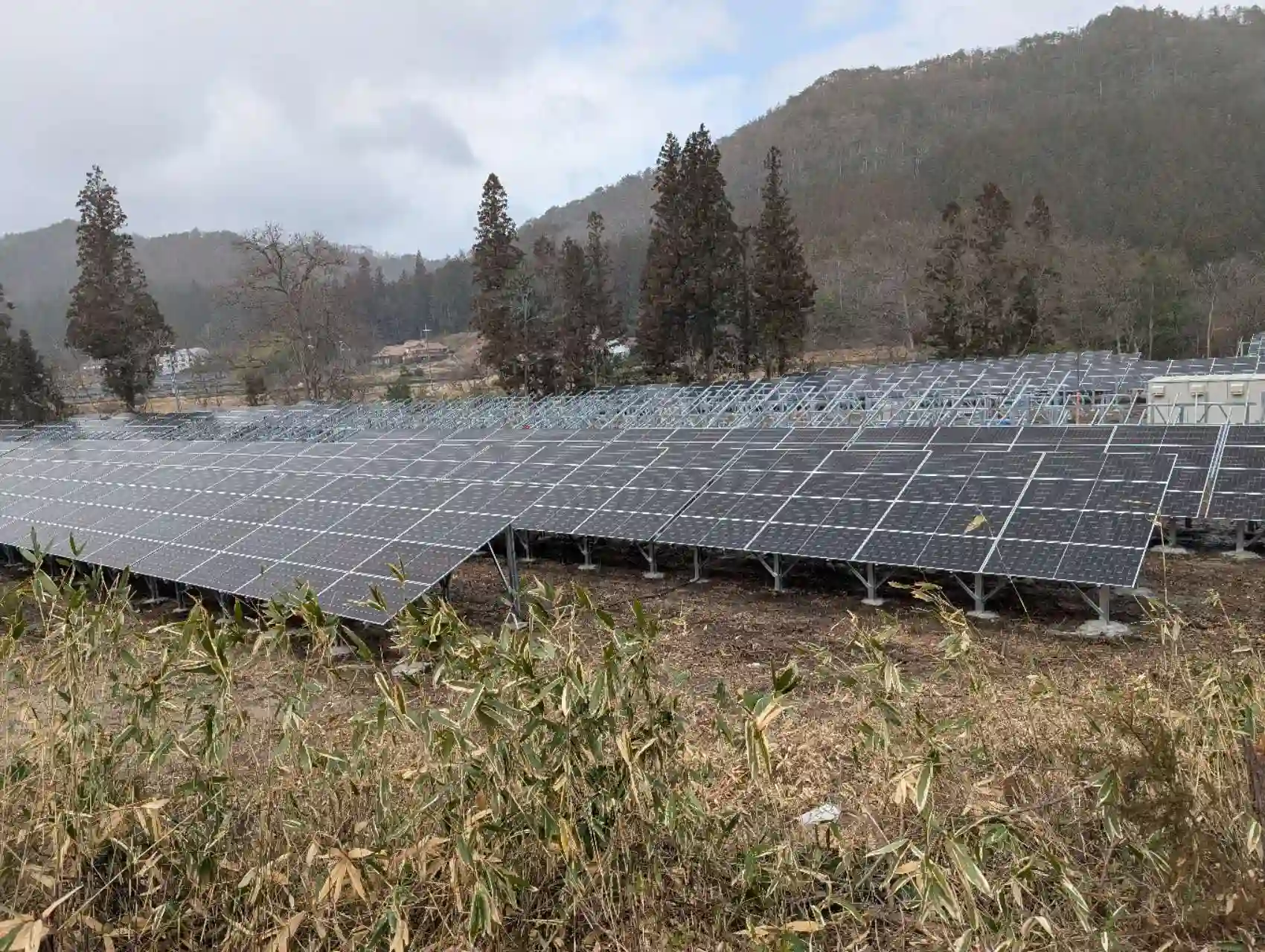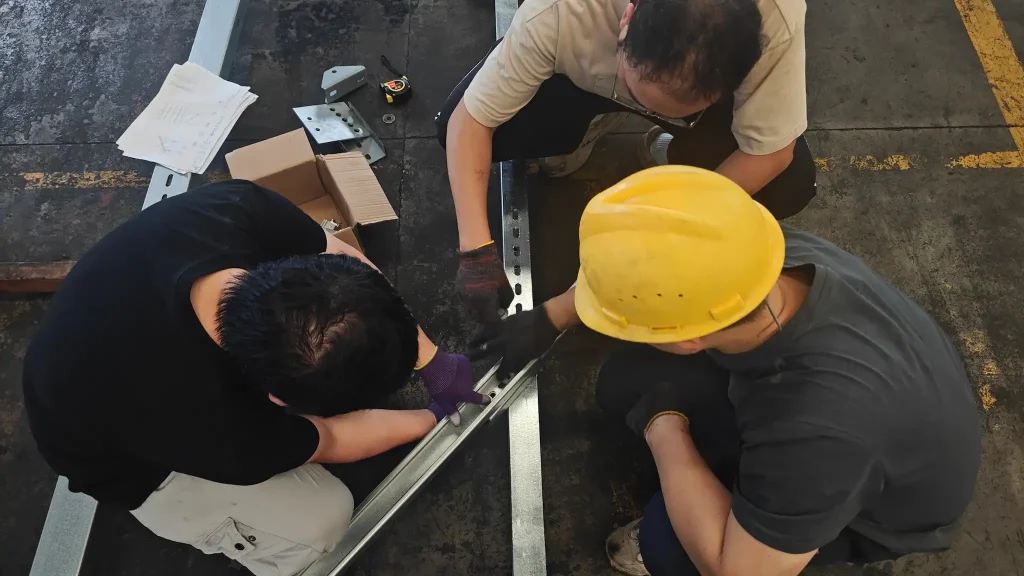
A reliable solar mounting system depends on more than strong rails, posts, and beams. Solar mounting system quality control needs to cover every component that goes into the final structure, including brackets, clamps, connectors, fasteners, and other small accessories. These parts may look less important because they are smaller, but they still affect installation accuracy, structural reliability, and the overall performance of the mounting system.
This is an easy point to overlook when evaluating a solar mounting system. Buyers naturally focus on the main structure because it carries the solar modules and transfers loads to the foundation. But what connects these structural parts together? What happens when a small connector does not fit properly, or when components from different production batches are not consistent?
A mounting system is a complete structure. Its quality should be controlled as a complete system as well.
At SR Solar, our approach to solar mounting system quality control extends from the main structural components to the smallest accessories. Each component needs to meet the required production and inspection standards before it becomes part of a project.
Why Solar Mounting System Quality Control Matters
Solar mounting systems are installed outdoors and are expected to perform for many years. During that time, the structure may be exposed to strong wind, rain, humidity, temperature changes, and other environmental conditions.
That means quality cannot be judged only by how a product looks when it leaves the factory.
A mounting component needs to be manufactured consistently, fit correctly with other components, and maintain the required surface and material quality. If one part does not meet the expected standard, it can create problems during installation or affect the reliability of the completed system.
For EPC contractors, this can become an installation issue. For distributors, it can become a product quality or customer service issue.
Good solar mounting system quality control helps reduce these risks before the products reach the project site.
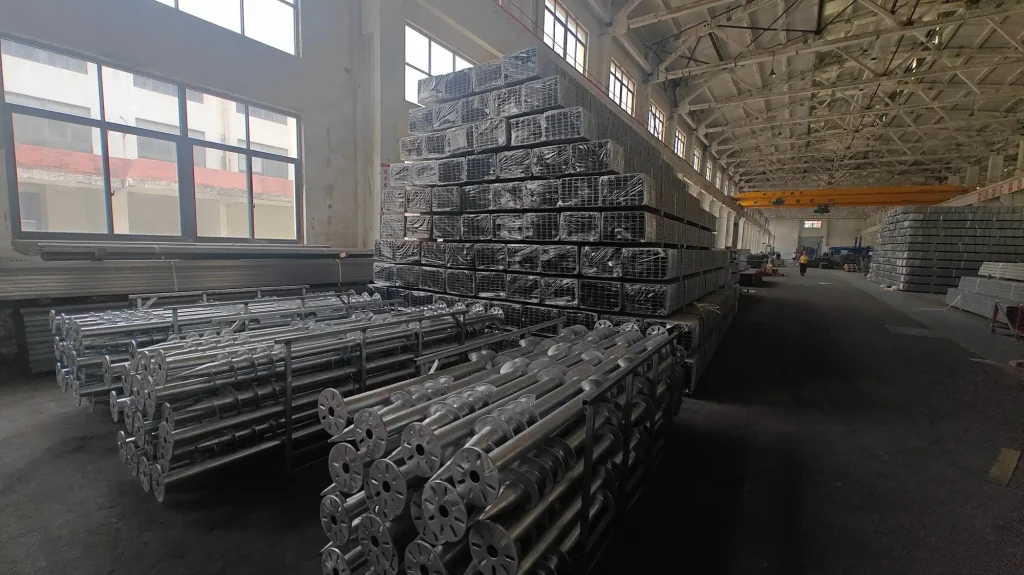
A Mounting System Is More Than Its Main Structure
Consider a typical solar mounting system.
The system may include posts, beams, rails, brackets, clamps, connectors, bolts, nuts, and other accessories. Every one of these parts has a role in the final installation.
The main structural components provide the primary load carrying function, but smaller components make the connections possible.
A rail cannot become a complete structure without the right connection parts. A module cannot be securely fixed without suitable clamps. A structural connection cannot work as intended without properly manufactured fasteners and brackets.
This is why solar mounting system components should be evaluated as part of one complete system rather than as isolated products.
A strong main structure does not automatically mean that the entire mounting system has been manufactured to the same quality level.
Small Components Can Create Big Installation Problems
Why pay so much attention to a component that costs only a small amount?
Because its unit price does not determine its engineering importance.
A small dimensional difference in a connector can make installation more difficult. An inconsistent bracket can require additional adjustment. A surface treatment problem can become a concern when the component is exposed to an outdoor environment for years.
In our project experience, installation teams usually notice these problems very quickly. A component either fits as expected or it does not.
When hundreds or thousands of components are installed across a project, even a small inconsistency can create additional work.
This is where solar mounting components inspection becomes important. Quality control is not simply about finding defective products. It is about preventing inconsistent products from entering the installation process in the first place.
Every Solar Mounting Component Needs Quality Inspection
Solar mounting system quality inspection should not stop at the main structural members.
Different components require different inspection points, but the principle remains the same. Every part should meet the requirements defined for its application and production process.
Main Structural Components
Main structural components may include rails, posts, beams, supports, and mounting brackets.
For these products, inspection can focus on material quality, dimensions, profile consistency, hole positions, surface treatment, and manufacturing accuracy.
The exact inspection requirements depend on the product design and project application. A component used in a ground mounted system may have different requirements from a component designed for a rooftop installation.
The important point is consistency.
If one batch of rails has different dimensions from another batch, installation teams may need to make adjustments on site. If hole positions are inconsistent, connection work can become more difficult.
A professional solar mounting system manufacturer should therefore control the manufacturing process rather than relying only on final visual inspection.
Connection Components and Fasteners
Connection components are another important part of solar mounting system quality control.
These can include connectors, splices, clamps, brackets, bolts, nuts, and other fastening parts.
They may not attract as much attention as the main structural members, but they are directly involved in connecting the system together.
The inspection of these components can include dimensions, fit, thread quality, material requirements, surface condition, and consistency between production batches.
For example, a rail splice needs to match the relevant rail profile. A clamp needs to work with the intended module frame and mounting arrangement. A bracket needs to connect correctly with the associated structural component.
When these relationships are considered during quality control, the result is not just a collection of good individual parts. It is a mounting system that works together during installation.
Small Accessories Should Not Be Overlooked
This is where many quality discussions become too focused on the main structure.
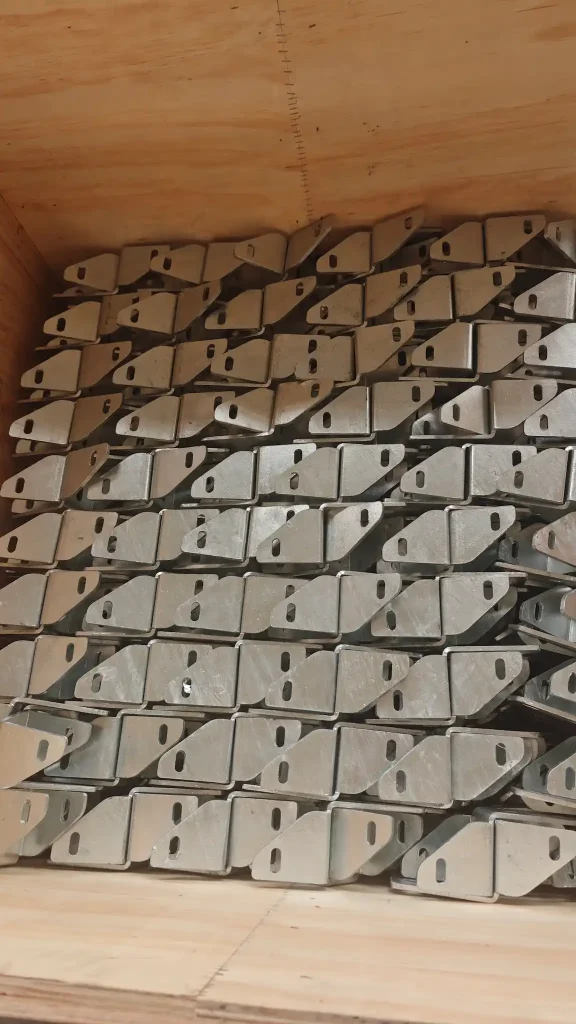
Small solar mounting accessories may have a relatively low individual value, but a project can require a large number of them.
That makes consistency particularly important.
If a project uses thousands of small connection parts, even a small percentage of inconsistent components can create unnecessary sorting, replacement, or adjustment work at the installation site.
A common EPC error is to evaluate the mounting system mainly by its large structural components while paying less attention to the smaller connection parts.
From an engineering and installation perspective, that approach is incomplete.
A mounting system is not made reliable by its largest components alone.
What Does Solar Mounting System Quality Control Include
A complete solar mounting system quality control process should cover different stages of manufacturing.
At SR Solar, we view quality as a continuous process rather than a final inspection performed just before shipment.
The basic approach starts with materials and production requirements, continues through manufacturing, and ends with inspection before the components are packed and shipped.
Material and Surface Quality
Material selection is one of the foundations of solar mounting system quality.
Depending on the product and application, solar mounting components may use materials such as ZAM steel, aluminum, or stainless steel.
Each material has its own characteristics and should be used according to the intended application.
Surface quality also matters. Solar mounting systems are normally installed outdoors, so surface treatment and corrosion resistance are important considerations for long term use.
Quality inspection should therefore consider both the material requirements and the condition of the finished surface.
For projects in coastal or high humidity environments, this becomes even more important. A component may look acceptable during a factory inspection but still need appropriate material and surface treatment for the actual project environment.
This is why engineering requirements should be considered before production begins.
Dimensional and Manufacturing Accuracy
A component can have the correct material and still cause installation problems if it is manufactured inaccurately.
Dimensional accuracy is particularly important for parts that need to connect with other components.
Inspection may include component dimensions, hole positions, profile dimensions, connection points, and other production requirements defined by the design.
Why does this matter?
Because mounting systems are assembled from multiple parts. One component depends on another.
If the parts are manufactured consistently, installation is straightforward. If they are not, installers may spend time adjusting components that should have fitted correctly in the first place.
This is one reason solar mounting components inspection needs to be part of normal production control rather than an afterthought.
Component Consistency
Quality is not only about whether a single component passes inspection.
For large solar projects, consistency across the entire production batch is equally important.
Imagine receiving the first shipment from a supplier and finding that everything fits well. Several months later, another shipment arrives, but some components have slightly different dimensions or surface conditions.
The individual differences may appear minor. The impact on installation and inventory management may not be minor at all.
Consistent manufacturing helps EPC contractors maintain predictable installation processes and helps distributors provide more reliable products to their customers.
Final Inspection Before Shipment
Final inspection provides another opportunity to identify problems before products leave the factory.
At this stage, the inspection can cover product quantity, component condition, dimensions, surface quality, packaging, and other requirements relevant to the order.
Packaging should not be treated as a separate issue either.
Small accessories need to remain organized and protected during transportation. If connection parts are mixed together or damaged during handling, the problem may not become obvious until the products arrive at the project site.
Good quality control therefore continues until the products are ready for shipment.
Quality Control During Solar Mounting System Production
Quality control is more effective when it is built into the production process.
A final inspection can identify problems, but preventing those problems earlier is usually more efficient.
Quality Starts Before Production
Before manufacturing begins, the production team needs clear information about the required materials, dimensions, specifications, and quantities.
This is particularly important for customized solar mounting systems.
Different projects can have different structural requirements, installation methods, and component combinations. Production should follow the approved design and manufacturing requirements for the specific order.
When engineering and manufacturing teams work closely together, potential inconsistencies can be identified earlier.
Inspection During Manufacturing
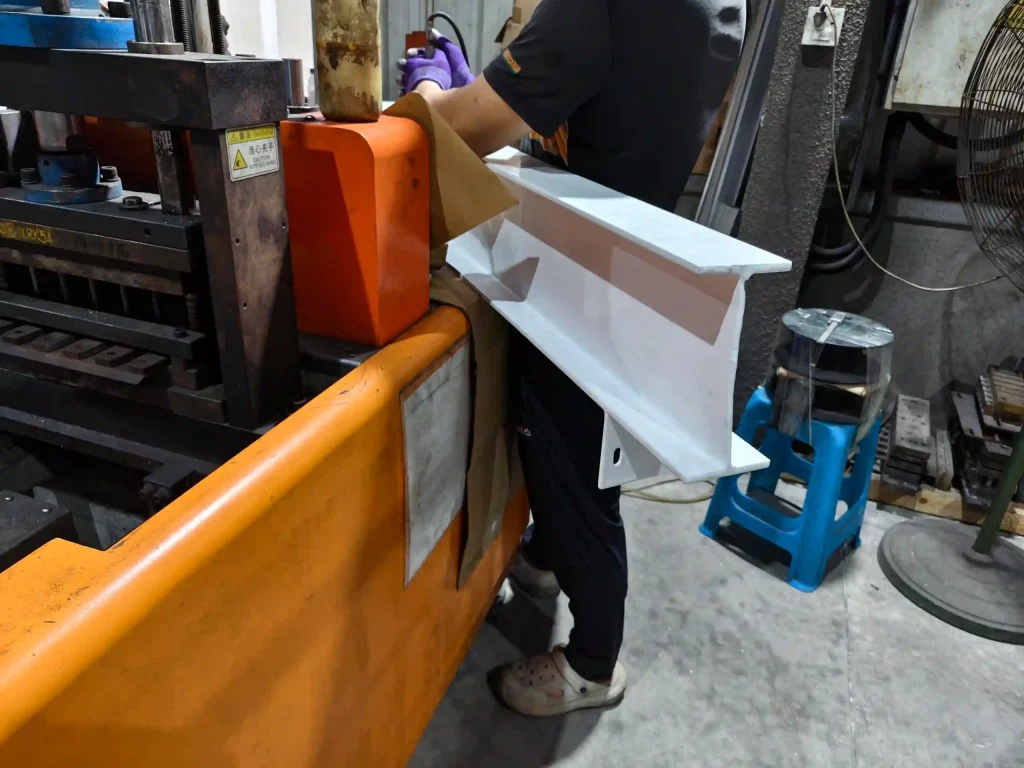
Production inspection allows problems to be identified while the manufacturing process is still underway.
Depending on the component, this may include checking dimensions, processing accuracy, surface condition, and other relevant production characteristics.
The purpose is not to inspect everything only after it has already been produced.
It is to maintain stable production quality throughout the batch.
For a solar mounting system manufacturer, this approach is especially important when producing large quantities of components for commercial and utility scale projects.
Final Product Inspection
Before shipment, the finished products should be checked against the order and production requirements.
The inspection process should cover both major structural components and smaller accessories.
This is an important part of our approach at SR Solar.
The goal is simple. The customer should receive components that are ready for the next stage of the project, without unnecessary surprises caused by inconsistent manufacturing or missing parts.
Why Component Quality Matters to EPC Contractors
For EPC contractors, solar mounting system quality is closely connected with installation efficiency.
A mounting system may have a competitive purchase price, but that does not tell the whole story.
What happens if installers need to sort components before installation? What happens if connection parts do not fit as expected? What happens if a batch of accessories needs to be replaced after the project has already started?
These situations can increase labor requirements and create unnecessary pressure on the construction schedule.
A well controlled solar mounting system helps EPC teams work with greater predictability.
This is especially valuable on larger projects where installation speed can have a direct impact on overall project cost.
From an EPC perspective, quality control should therefore be viewed as part of project risk management, not simply as a factory responsibility.
Why Component Quality Matters to Distributors
Distributors have a different concern.
They need products that can be sold, stocked, delivered, and supported consistently over time.
If the quality of solar mounting components changes significantly between batches, distributors may face more customer complaints, replacement requests, and inventory complications.
Small accessories can be particularly important here because distributors may need to manage many component types and quantities.
Reliable component quality can make inventory management easier.
It also helps distributors build confidence with installers and EPC customers who expect the same product performance from one order to the next.
For distributors, the right question is not only whether a supplier can manufacture a good product once.
The better question is whether the supplier can manufacture the same quality product repeatedly.
How to Evaluate a Solar Mounting System Manufacturer
Choosing a supplier should involve more than comparing product prices.
A professional buyer should also understand how the manufacturer manages quality.
Look Beyond Product Appearance
A clean surface and good product photography do not tell you enough about manufacturing quality.
Ask about the materials used, production process, dimensional control, surface treatment, and inspection procedures.
More importantly, ask whether these standards apply to the smaller accessories as well as the main structural components.
Ask About Component Inspection
A useful question for any supplier is simple.
How are the solar mounting components inspected before shipment?
A reliable manufacturer should be able to explain the inspection process clearly.
The answer should not stop at the main rails and posts. Ask about clamps, connectors, brackets, fasteners, and other accessories included in the system.
If a supplier pays attention to every component category, that usually tells you something about the maturity of its quality control system.
Check Consistency Across Batches
One successful shipment is not enough to evaluate long term manufacturing capability.
For repeat projects, consistency between batches matters.
EPC contractors need predictable installation. Distributors need predictable products for their customers.
A capable solar mounting system manufacturer should therefore have production and inspection processes designed to maintain consistency over time.
Building a Reliable Solar Mounting System From Every Detail
Solar mounting system quality control is not only about checking whether the main structure is strong.
It is about making sure that the complete system is manufactured with the same level of attention.
The rails matter.
The posts matter.
The brackets matter.
The clamps matter.
The connectors matter.
Even the smallest accessory matters when it becomes part of a complete solar mounting system.
At SR Solar, our quality approach follows this principle. We apply production and inspection requirements across the components we manufacture, with the goal of delivering mounting systems that are consistent, practical to install, and suitable for real project conditions.
For EPC contractors, that means fewer avoidable installation issues and better control over site efficiency.
For distributors, it means greater confidence in product consistency and repeat orders.
A reliable solar mounting system is built from every detail. Quality control should be, too.
Frequently Asked Questions
What is solar mounting system quality control?
Solar mounting system quality control is the process of checking materials, manufacturing, dimensions, surface quality, component consistency, and finished products to ensure that the mounting system meets the required quality standards. It should cover both major structural components and smaller accessories.
Why are small solar mounting components important?
Small components such as clamps, connectors, brackets, and fasteners are essential for connecting the main structural parts and securing solar modules. Poor dimensional accuracy or inconsistent quality can make installation more difficult and may affect the reliability of the completed system.
What components should be inspected in a solar mounting system?
Inspection should cover the main structural components as well as connection components and accessories. Depending on the system, this can include rails, posts, beams, brackets, clamps, connectors, fasteners, and other components used during installation.
How does component quality affect solar mounting installation?
Consistent component quality can make installation more predictable. Components that fit correctly and maintain consistent dimensions can reduce unnecessary adjustment, sorting, and replacement work at the project site. For EPC contractors, this can help improve installation efficiency and reduce avoidable project risks.
What should EPCs look for when choosing a solar mounting system manufacturer?
EPC contractors should look beyond product appearance and price. They should evaluate the manufacturer’s material control, manufacturing accuracy, component inspection, surface treatment, batch consistency, packaging, and engineering support. It is also important to confirm that quality control applies to small accessories as well as the main structure.