When you’re putting solar panels on a flat roof, especially concrete ones in commercial or industrial settings, the foundation choice matters more than almost anything else. A concrete block foundation flat roof solar mounting system stands out because it gives rock-solid stability without wrecking the roof. We’ve seen it time and again at SR Solar — the bracket hardware itself usually holds up fine, but the real strength comes from how well the foundation anchors everything against wind, snow, and time. Most flat roof setups lean on concrete blocks one way or another, whether as a direct foundation or ballast. Ballasted versions are basically the same blocks, just relying on weight instead of bolts. If you’re an EPC contractor juggling big ground-mounted or rooftop jobs, a system integrator racing through C&I rooftops, or a developer eyeing IRR, understanding these options saves headaches and money.

Why Concrete Block Foundations Dominate Flat Roof Solar Projects
Flat roofs show up everywhere in warehouses, factories, offices — places where space is gold but slopes aren’t. Traditional sloped roof mounts don’t work here. You need tilt for optimal generation, but without good anchoring, high winds turn panels into kites. Concrete block foundation flat roof solar mounting systems solve that elegantly. They spread load evenly, avoid excessive penetrations that risk leaks, and handle heavy weather. In my experience helping clients across projects, these systems pop up in over 70% of flat roof installs we touch. Why? Reliability meets practicality. Developers love the low O&M, EPCs appreciate on-time delivery without surprises, and integrators value the straightforward assembly.
The foundation drives strength. Sure, aluminum rails and clamps are engineered tough, but if the base shifts, the whole array suffers. Concrete blocks provide that unshakeable base. Ballasted setups dominate because they skip drilling, preserving roof warranties — a huge win for building owners.
Understanding Concrete Block Foundation Systems for Flat Roofs
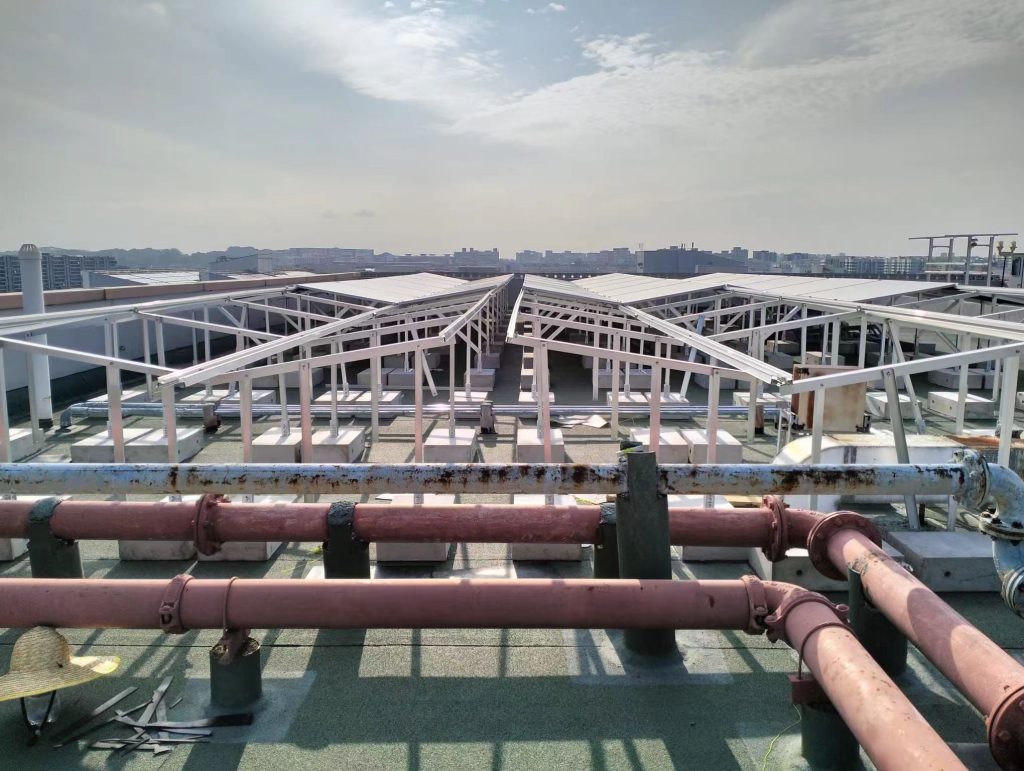
Picture this: your flat concrete roof is like a big, stable platform. You place pre-cast or poured concrete blocks strategically, attach the mounting structure (rails, triangles, or frames), then secure panels at 5-30 degrees tilt. No massive digging, just smart placement.
How These Systems Work on Flat Roofs
The blocks act as footings. In direct foundation types, the racking bolts or clamps right to the blocks for a rigid connection. Ballasted ones place blocks in trays or on frames, using gravity and friction to resist uplift. Either way, it counters wind loads that try to lift or slide the array. We’ve calculated hundreds of these — block weight, placement pattern, and row spacing all tie into local wind/snow maps for safety.
Key Role of the Foundation in Overall Strength
Here’s the thing most folks miss: the support structure (rails, beams) rarely fails first. It’s the foundation that determines if the system survives 25+ years of storms. Concrete block foundation flat roof solar mounting systems shine because concrete delivers compressive strength that crushes alternatives in tough conditions. Add proper engineering, and you get high wind resistance without overkill.
Common Flat Roof Mounting Approaches Using Concrete Blocks
Not all concrete block uses look the same. Three main paths emerge in practice.
Pure Concrete Block Foundation (Direct Fix)
This means attaching the mounting frame directly to larger concrete blocks or poured pads. It’s like mini foundations. Strongest bond, great for high-wind zones.
Ballasted Systems (Weight-Based with Concrete Blocks)
Most common today. Blocks sit in designated spots or trays on the racking. No bolts into roof. Relies on mass to pin everything down. Perfect for membrane roofs where leaks scare everyone.
Penetrating/Expansion Bolt Systems (Direct Attachment)
Here, the racking uses expansion bolts drilled into the concrete roof itself. Sometimes combined with small concrete blocks for extra stability. Fewer blocks needed, but holes require perfect sealing.
Detailed Comparison: Concrete Block vs. Ballasted vs. Expansion Bolt
Let’s lay it out clearly using real project feedback and engineering logic. The table below translates common trade-offs — we’ve adapted it from practical comparisons we’ve used internally at SR Solar.
| Aspect | Concrete Block Foundation (Direct) | Ballasted (Weight-Based) | Expansion Bolt (Penetrating) |
| Strength | Medium | Weakest | Best |
| Cost | Higher | Average | Cheapest |
| Installation Difficulty | Most complex (transport, setup) | Easier transport, simple install | Simplest transport & install |
| Key Notes | Heavy blocks, check roof bearing capacity | Roof can’t be sloped or slides easily; connect to walls if possible | Risk of leaks, confirm roof structure suits drilling |
Strength and Durability Breakdown
Expansion bolts win pure holding power — they lock into the concrete like roots. But concrete block foundation flat roof solar mounting systems (direct) offer balanced medium strength with less risk. Ballasted feels weakest on paper, but engineered right (with wind deflectors), it holds up surprisingly well. We’ve seen ballasted arrays survive 120km/h gusts when block placement follows calc.
Cost Considerations for Different Budgets
Expansion bolts look cheap upfront — fewer materials. Ballasted hits average, as blocks add weight but skip labor for penetrations. Direct concrete block foundation costs more from transport and precision placement, but pays back in longevity for big projects.
Installation Difficulty and Time
Ballasted wins speed — drop blocks, assemble frame, done. Direct foundation needs careful leveling and securing. Penetrating is quick if drilling goes smooth, but sealing adds steps.
Key Precautions and Potential Issues
Direct blocks demand roof load checks — too heavy cracks old concrete. Ballasted slides on slight slopes; tie to parapets. Expansion bolts risk leaks forever if flashing fails. Always verify roof type first.
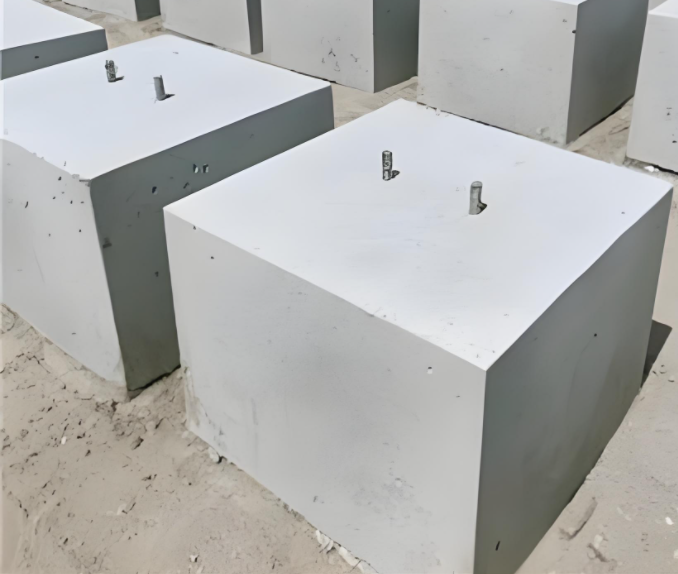
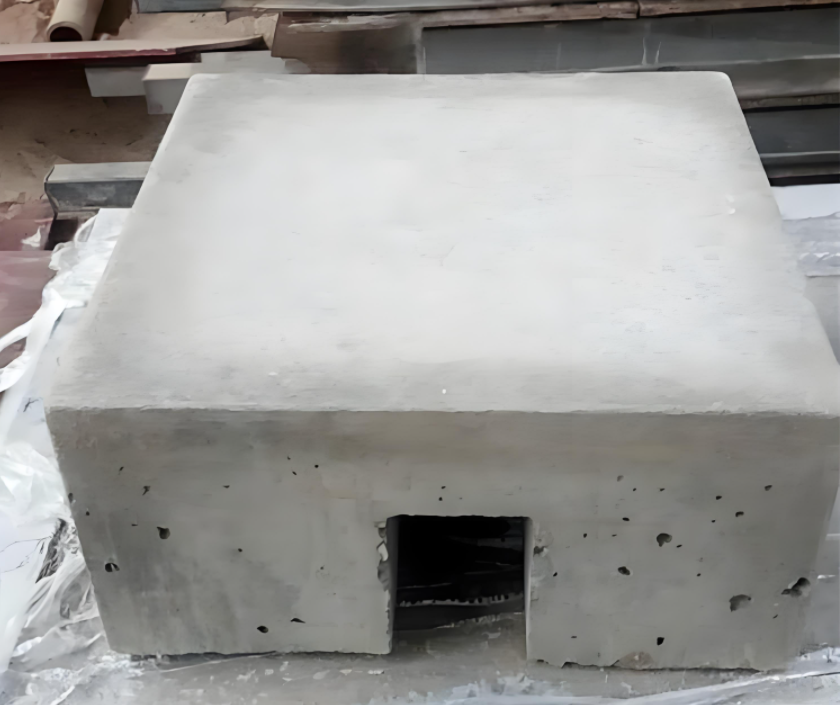
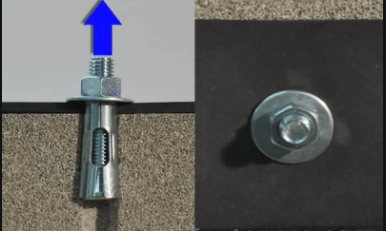
Advantages of Concrete Block Foundation Systems
They protect the roof best in non-penetrating forms. Evenly distribute weight, reduce point loads. High customization for tilt and spacing. Long warranty potential — concrete doesn’t rust or degrade fast. For SR Solar clients, these mean fewer callbacks, happier owners.
When to Choose Concrete Block Foundation Over Other Options
Pick direct concrete block foundation when wind/snow is brutal and roof can handle weight — think northern industrial sites. Go ballasted for most C&I flat roofs to avoid leaks and warranty fights. Use penetrating only if load limits force lighter setups or extreme stability needed.
For EPCs with large-scale centralized buys, these systems support quick changes and bidding wins. Integrators love standardized ballasted kits for fast small-batch jobs. Developers get bank-friendly reliability.
Real-World Applications and SR Solar Insights
I remember one 2MW rooftop project — old warehouse, worried owner about leaks. We went ballasted concrete block foundation flat roof solar mounting system. Blocks placed per wind tunnel sims. Zero issues after two winters. Another time, an EPC client switched mid-project to direct fix for higher tilt — strength boost justified extra cost.
Lessons from Commercial Rooftop Projects
Many roofs look flat but have slight drains — ballasted needs edge restraints. Always factor logistics; heavy blocks eat crane time.
How SR Solar Optimizes These Systems
We tweak designs for compatibility — module clamps match Longi/Trina specs, inverter cable routing clean. Our 25+ year warranties reflect real testing.
Factors to Consider Before Installation
Roof Load Capacity Checks
Get structural engineer report. Concrete roofs usually take 150-300kg/m² extra — don’t guess.
Wind and Snow Load Calculations
Use local codes. SR Solar runs ASCE-7 style calcs to size blocks.
Compatibility with Solar Modules and Inverters
Ensure rail spacing fits panel dims. Unified supply chain helps.
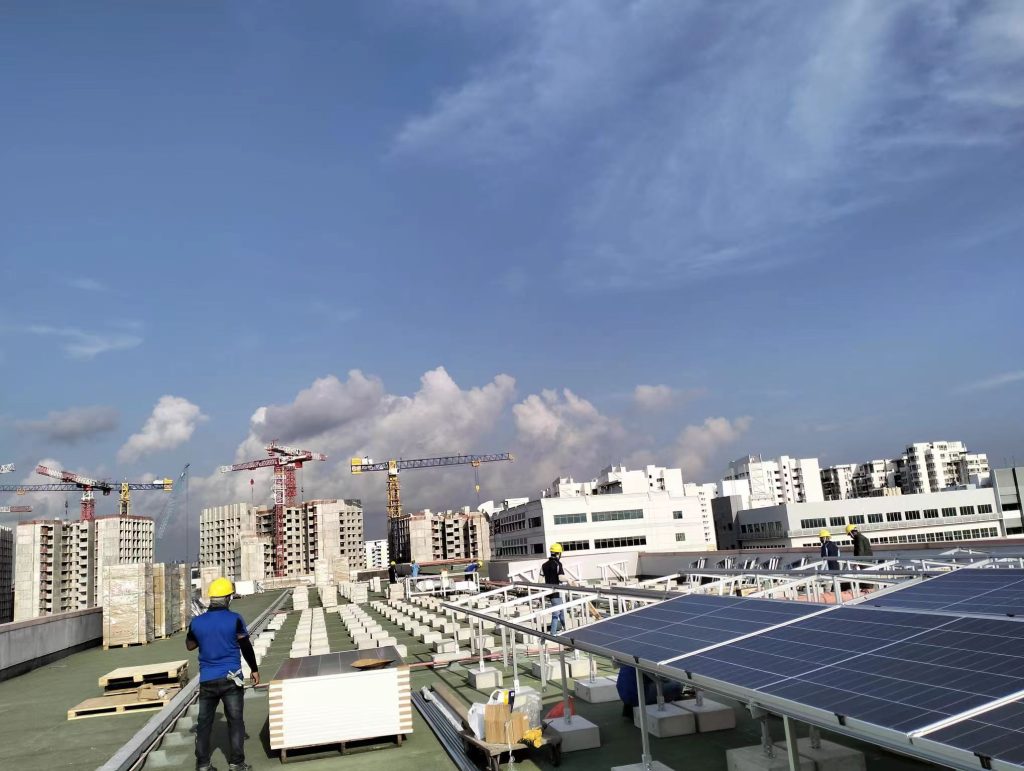
Installation Best Practices for Concrete Block Foundations
Start with layout plan. Level surface — shim if needed. Secure frames to blocks tightly. Test small section first. Safety gear always — those blocks are heavy.
Maintenance and Long-Term Performance
Check annually for shifts or cracks. Clean debris from blocks. Systems like these often outlast panels if installed right.
Conclusion
Concrete block foundation flat roof solar mounting systems offer a smart, proven path for stable, long-lasting solar on flat roofs. Whether direct fix for max strength, ballasted for roof protection, or penetrating as backup, they address real pain points — delivery timelines, compatibility, durability, costs. At SR Solar, we’ve built our reputation helping clients pick and implement these right, turning potential headaches into smooth, profitable projects. If you’re planning a flat roof array, start with the foundation — it truly makes or breaks everything.
FAQ
What is a concrete block foundation flat roof solar mounting system?
It’s a setup using concrete blocks as the base to anchor solar panel racking on flat roofs, providing tilt and stability without (or with minimal) roof damage. Most common in commercial installs for wind resistance.
Is ballasted the same as concrete block foundation?
Not exactly — ballasted uses concrete blocks for weight only (no direct fix to roof), while pure concrete block foundation often attaches racking directly to blocks. Both rely on concrete blocks fundamentally.
Which is stronger for high-wind areas: ballasted or penetrating?
Penetrating (expansion bolt) usually wins raw strength, but well-designed concrete block foundation or ballasted systems match it with proper engineering and block mass.
How do I know if my flat roof can handle concrete blocks?
Hire a structural engineer for load calc. Most concrete flat roofs support added weight, but older ones or with poor waterproofing need checks to avoid cracks.
What’s the typical warranty for these systems?
Many last 25+ years structurally. SR Solar offers extended warranties based on design and install quality, covering corrosion and performance.