Hey, let’s chat about something that’s seriously changing the game for businesses with big parking lots: solar carport mounting systems for commercial parking. Imagine turning that huge, sun-baked asphalt sea into a money-making, shade-providing powerhouse. I’ve seen these setups pop up everywhere from shopping centers to office complexes, and honestly, they’re one of the smartest moves a company can make right now.
These aren’t just fancy awnings with panels slapped on top. A solid solar carport mounting system is a full engineered structure—usually aluminum or galvanized steel—that holds solar panels high enough for cars (and sometimes trucks) to park underneath comfortably. It generates clean power while giving your vehicles protection from the blazing sun, rain, hail, you name it. Pretty cool, right? No wasted space, double duty.
What Exactly Is a Commercial Solar Carport Mounting System?
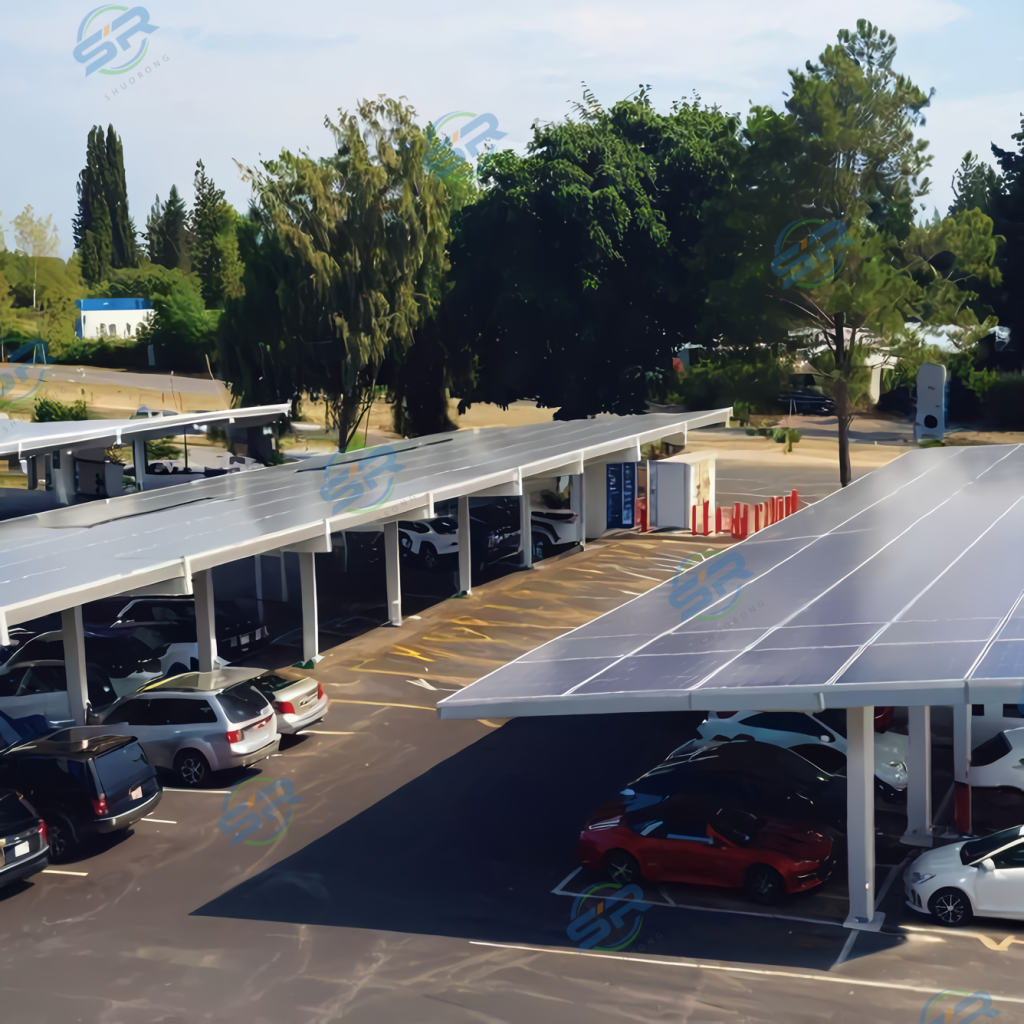
Picture this: your parking lot gets a major glow-up. A solar carport mounting system is basically an elevated canopy built specifically to support rows of solar panels while leaving plenty of headroom underneath for parking. These systems are custom-designed for commercial-scale lots—think malls, hospitals, warehouses, office parks—where you’ve got dozens or hundreds of spaces.
Unlike rooftop solar (which fights with HVAC units and weird angles), or ground mounts (that eat up land), carports use the “air rights” above your existing asphalt. The mounting hardware—rails, beams, posts—holds panels at the perfect tilt for max sun capture. And yeah, they look modern and sleek, giving your property that eco-forward vibe customers notice.
Why Businesses Are Switching to Solar Carports in 2026
Energy prices keep climbing, right? Add in corporate sustainability goals, EV mandates, and tax incentives that are still strong, and suddenly solar carports make total sense. In sunny states like California or Texas, businesses are slashing bills by 30-70% while turning dead space productive.
It’s not hype—I’ve followed projects where companies brag about net-zero parking lots. Plus, with EV adoption exploding, having on-site charging powered by your own panels? That’s a competitive edge.
The Big Perks: Shade, Power, and Serious Savings
Let’s get real about the wins. First, your cars stay way cooler—studies show interior temps drop 20-30°F under shade. Employees and customers love it (hello, better reviews). Second, you generate tons of clean energy right where you use it, cutting grid reliance.
Environmentally, you’re slashing carbon footprints big time. Financially? Many see payback in 5-10 years, then free power for decades. And property value? Properties with solar carports often lease faster and command higher rents.
How These Systems Actually Work (The Mounting Magic)
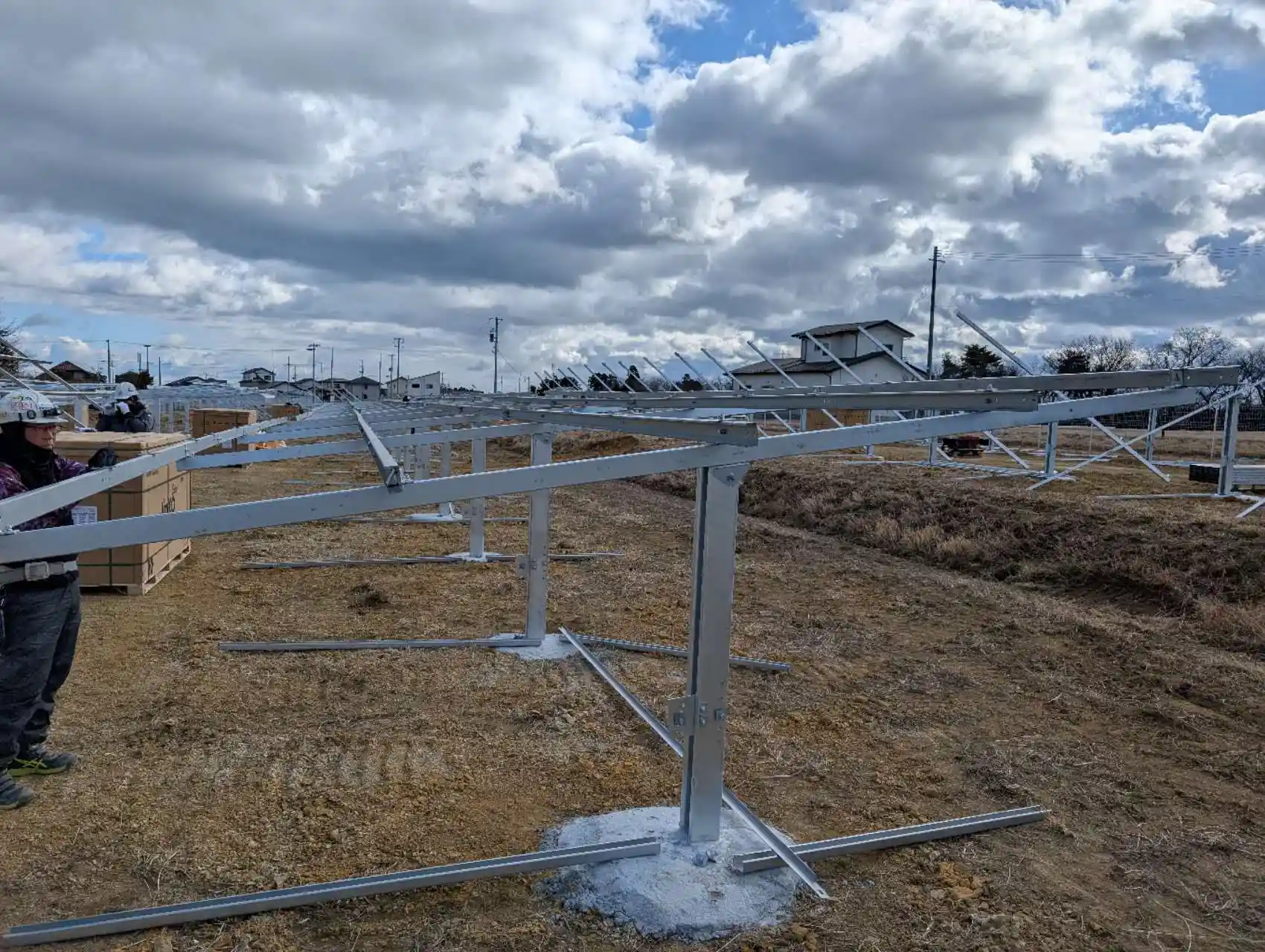
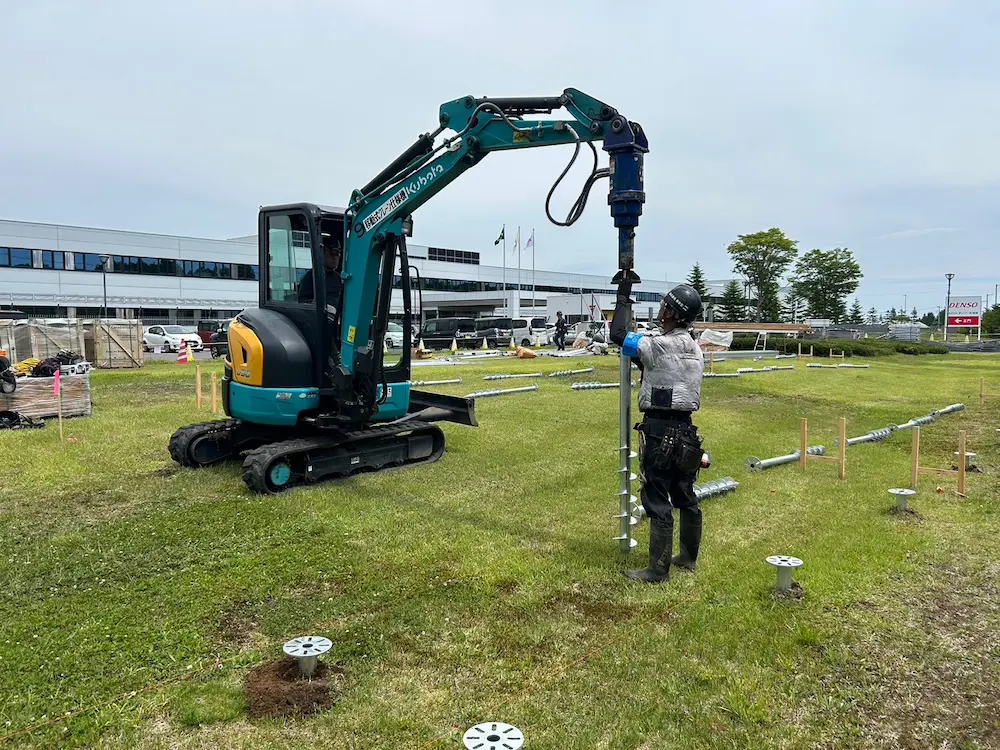
The core is sturdy posts anchored deep (concrete or helical piles), then horizontal beams form the frame. Panels mount on rails at 10-30° tilt for optimal production. Waterproof seals keep everything dry.
Engineers calculate wind/snow loads so it survives storms. It’s not DIY territory—pros handle structural engineering, permitting, and grid tie-in. But once up, maintenance is super low.
Single vs Double Row Designs – Which Fits Your Lot?
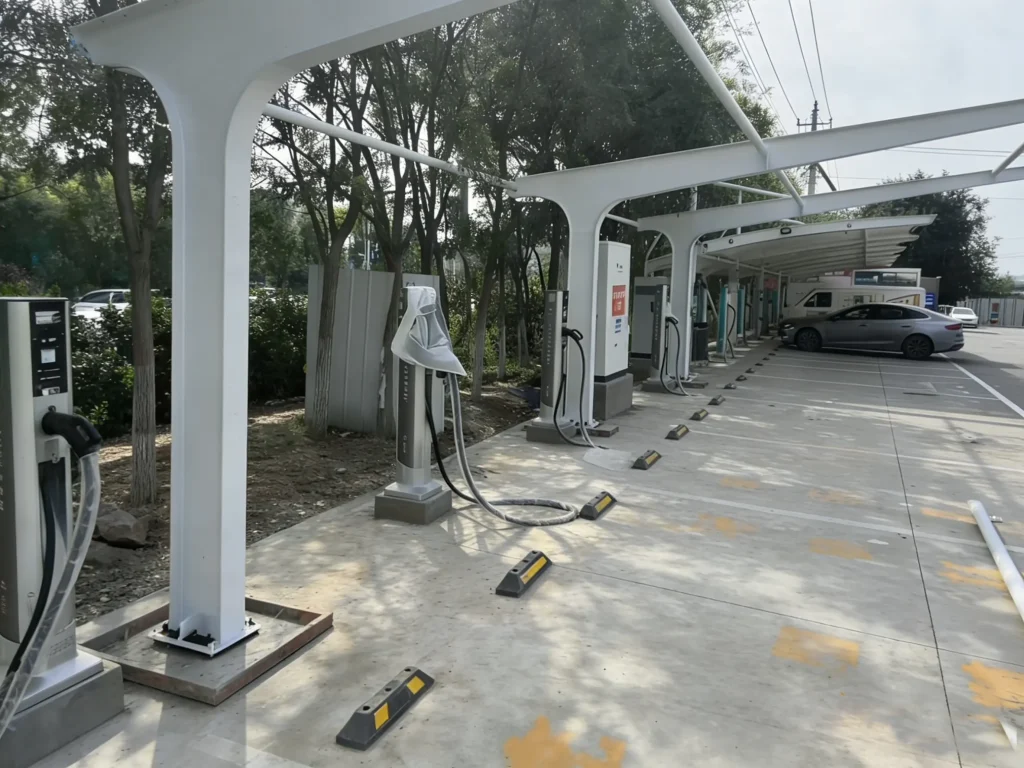
Single-row setups work great for narrow lots—one side supported, panels cantilever out. Double-row? Central supports, covering two parking aisles. Double rows usually win for bigger commercial spaces since they maximize coverage and stability.
Your lot layout dictates it. Narrow employee lot? Go single. Massive retail lot? Double all the way.
Materials Showdown: Aluminum or Steel?
Aluminum is lightweight, corrosion-resistant, perfect for coastal areas. Steel (galvanized) handles heavy loads and high winds better, often cheaper for huge installs.
Most top brands mix both—steel posts, aluminum rails. Durability lasts 25+ years either way.
Here’s a beefy steel structure example:

Real-World Installation: What to Expect
It starts with site survey, then engineering plans. Foundations go in (minimal disruption), frame assembles fast—no welding on-site usually. Panels mount last. Whole thing takes weeks to months depending on size.
Permits and utility interconnection are the real time-suck, so plan ahead.
Cost Breakdown – Is It Worth the Investment?
Ballpark: $3.00-$3.50 per watt installed in 2026 for commercial-scale. A 100kW system might run $300k-$350k before incentives. Federal ITC knocks off 30%, plus state rebates.
Payback? Often 6-9 years with high usage. After that? Pure profit.
Adding EV Charging – The Future-Proof Bonus
Many systems now integrate Level 2 chargers powered directly by the panels. Customers charge while shopping, employees get perks. It’s a huge draw in 2026.
Success Stories from Commercial Parking Lots
Hospitals and warehouses are killing it—think 1MW+ systems powering entire facilities. One medical center covered patient parking while offsetting massive energy use. Retail chains report happier customers and lower bills. These aren’t experiments anymore; they’re proven winners.
Common Challenges and Smart Fixes
High upfront cost? Financing/leases help. Wind/snow areas? Over-engineer the frame. Shading from trees? Site properly. Most issues have solutions if you work with experienced installers.
Wrapping It Up: Ready to Go Solar?
Solar carport mounting systems for commercial parking aren’t just trendy—they’re practical, profitable, and planet-friendly. You get shade, power, branding, and long-term savings. If you’ve got a big lot baking in the sun, this could be your next big move.
Got questions about sizing, costs, or your specific lot? Drop us a line—we love geeking out over this stuff. Shoot an email to [email protected] and let’s chat about making your parking lot work harder for you.
FAQs
1. How long do commercial solar carports last?
Most last 25-30 years with minimal upkeep—panels degrade slowly, structures are built tough.
2. Can I add EV chargers later?
Totally! Many designs plan for future integration, so you’re not stuck.
3. Do they work in snowy climates?
Yes—engineered for snow loads, and tilt helps panels shed snow.
4. What’s the ROI timeline?
Usually 5-10 years depending on energy rates and incentives.
5. Are incentives still available in 2026?
Yes, federal ITC and many state programs remain strong—check locally for updates.
What do you think—ready to turn your parking lot into a power plant? Hit me up anytime!