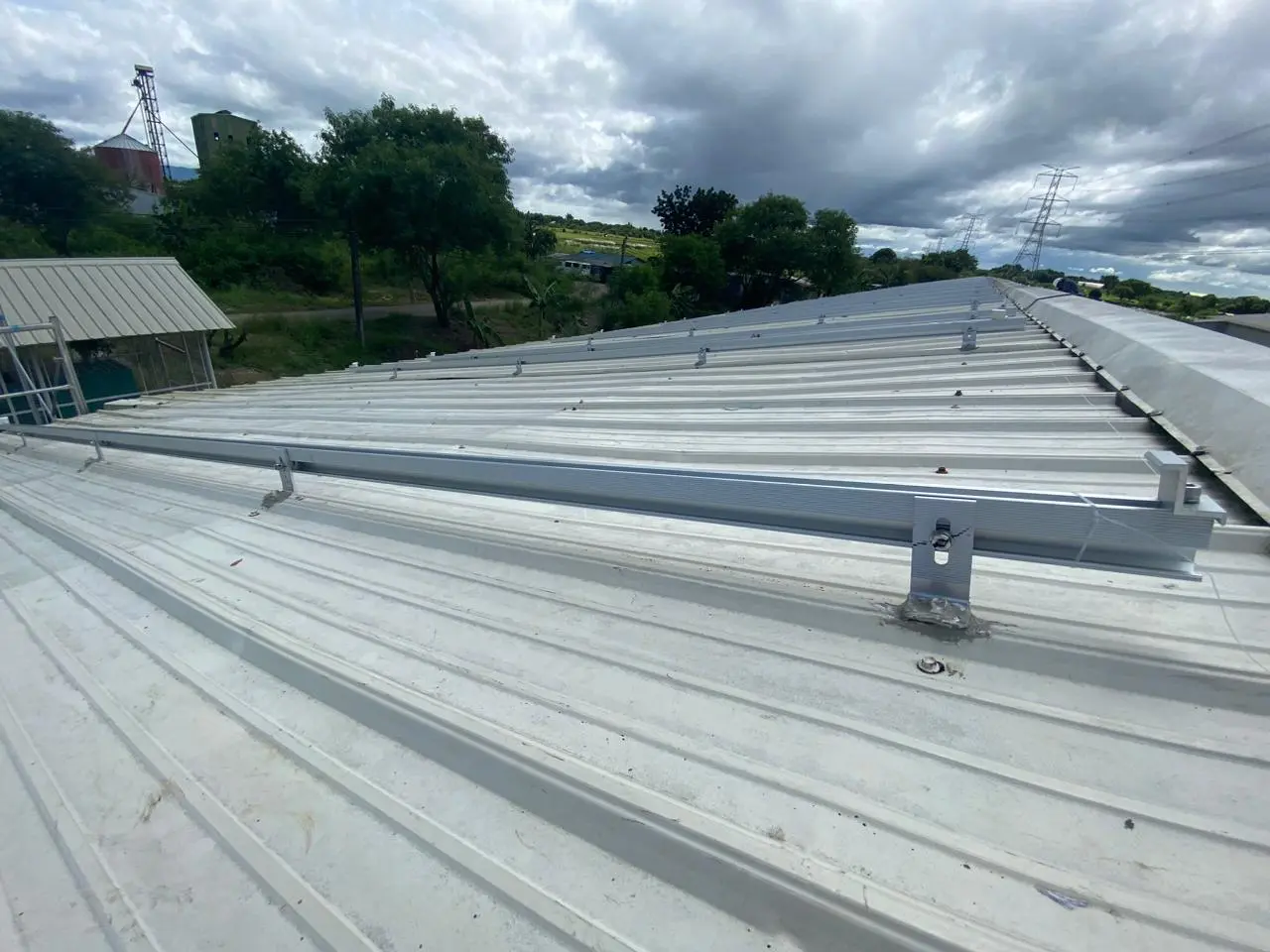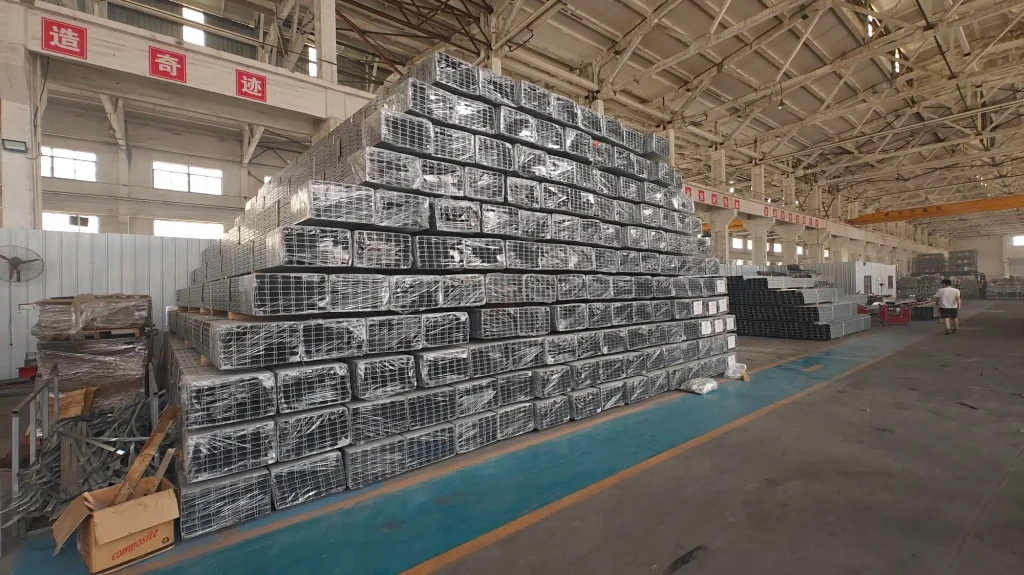
ZAM Steel is a type of steel with a zinc-aluminum-magnesium (Zn-Al-Mg) alloy coating. The coating provides enhanced corrosion resistance while maintaining the strength and formability of the steel substrate. It is widely used in construction, infrastructure, agriculture, electrical equipment, and solar mounting systems where long-term corrosion protection is important.
What Does ZAM Stand For?
ZAM stands for Zinc, Aluminum, and Magnesium — the three main elements in the protective coating.
It is important to understand that ZAM Steel is still steel. It refers to the coating applied to the steel surface, not a different type of base metal.
The coating is applied during the production of the steel material at the steel mill, before the material is delivered for further processing.
How Is ZAM Steel Made?
ZAM Steel is produced by applying a zinc-aluminum-magnesium alloy coating to a steel raw materials through a hot-dip coating process.
The typical production process can be summarized as:
Raw Materials→ Zn-Al-Mg Coating → ZAM Coated Steel → Cutting / Punching / Forming
The protective coating is already completed before the it leaves the steel mill. When manufacturers receive the material, they can directly process the pre-coated steel through cutting, punching, roll forming, and other manufacturing processes.
Because the corrosion protection comes from the integrated Zn-Al-Mg coating,it does not require a separate plastic coating process for its basic corrosion protection. The material also maintains a relatively smooth and uniform surface.
Key Benefits of ZAM Steel
High Corrosion Resistance
The main advantage of ZAM Steel is its excellent resistance to corrosion. Zinc provides sacrificial protection to the steel substrate, while aluminum and magnesium contribute to the formation of protective corrosion products on the coating surface.
This combination helps slow down further corrosion and makes it suitable for outdoor and demanding environments.
Self-Protective Behavior
ZAM Steel has a self-protective behavior that helps slow corrosion around exposed areas.
When the coating is locally damaged or the steel surface is exposed, zinc provides sacrificial protection, while aluminum and magnesium react with moisture and components in the surrounding environment to form protective corrosion products.
These products can gradually cover and protect exposed areas, helping reduce the progression of corrosion.
Protection Around Cut Edges
ZAM coating can provide effective corrosion protection around cut edges and processed areas. This is particularly useful for steel components that require cutting, punching, or forming during manufacturing.
Good Formability
ZAM Steel maintains good processing characteristics and can be used for various forming, punching, and fabrication processes.
Long-Term Durability
With its strong corrosion resistance and durable coating, It can help extend the service life of components, especially in outdoor applications.
ZAM vs. Galvanized
Both ZAM and galvanized use zinc-based coatings to protect from corrosion. The main difference is the composition of the coating.
| Property | ZAM Steel | Galvanized Steel |
|---|---|---|
| Base material | Steel | Steel |
| Coating | Zinc-Aluminum-Magnesium | Zinc |
| Corrosion resistance | Excellent | Good |
| Outdoor durability | High | Good |
| Formability | Good | Good |
It is often selected when enhanced corrosion resistance is required, particularly in demanding outdoor environments.
Where Is it Used?
ZAM Steel can be used in a wide range of applications, including:
- Ground mounting system
- Roof mounting system
- Agriculture
- Solar Carport
- Solar components
- Construction structures
- Agricultural equipment
- Infrastructure
- Electrical equipment
- Transportation components
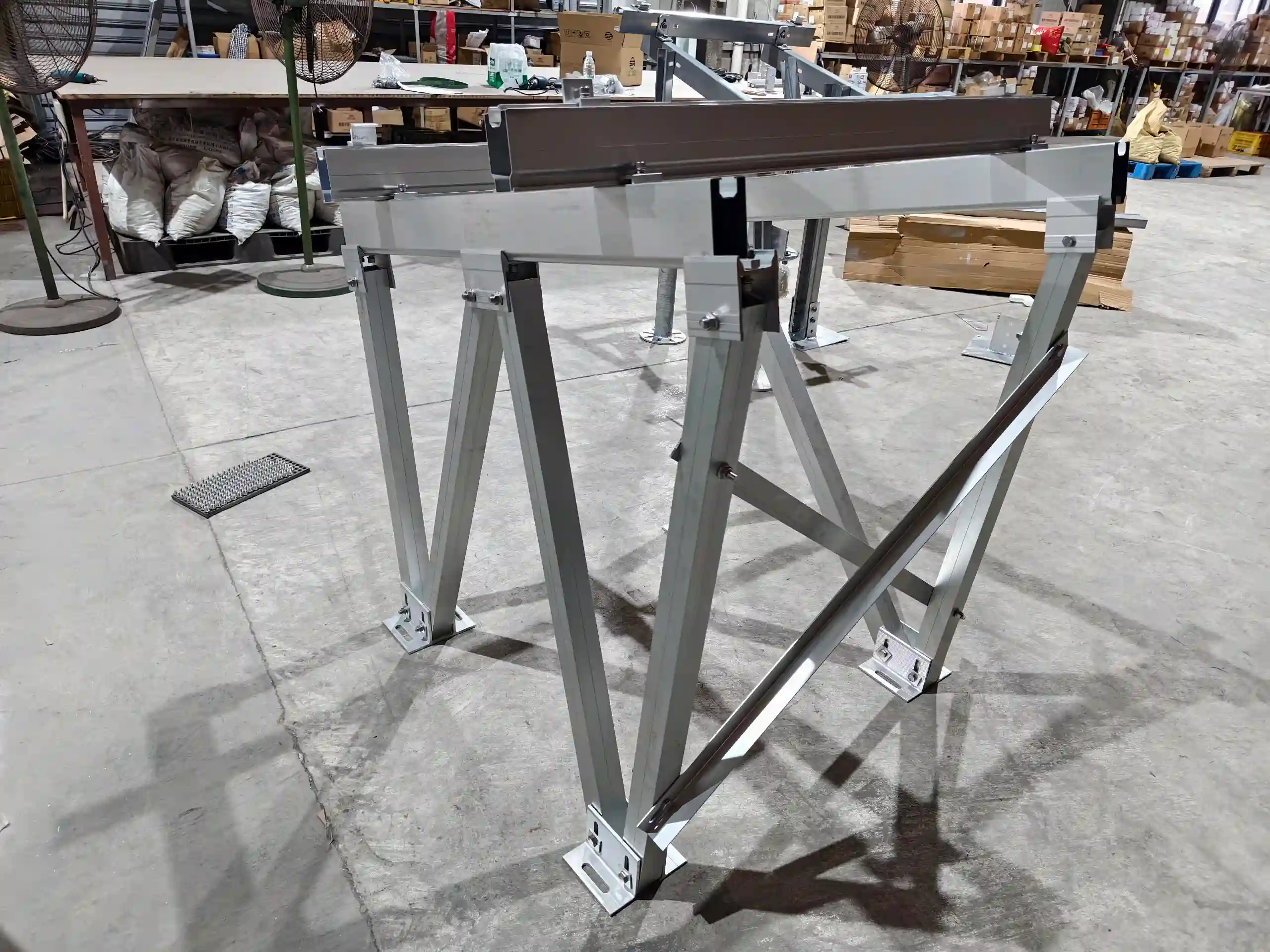
For solar mounting systems, It can be particularly suitable for projects where long-term outdoor corrosion protection is an important consideration.
ZAM Steel for Solar Mounting Systems
Solar mounting structures are exposed to rain, humidity, temperature changes, and, in some locations, salt or other corrosive environmental conditions.
Using ZAM-coated steel for suitable components can provide an additional level of corrosion protection while maintaining the mechanical properties required for structural applications.
The appropriate material and coating specification should always be selected according to the project’s environmental conditions, structural requirements, and design standards.
Conclusion
ZAM Steel is steel coated with a zinc-aluminum-magnesium alloy to provide enhanced corrosion protection.
Its combination of corrosion resistance, self-protective behavior, durability, and good processing performance makes it a suitable material for many outdoor applications, including solar mounting systems.
In simple terms: ZAM Steel combines the structural strength of steel with advanced Zn-Al-Mg corrosion protection.
.jpg)