Why Solar Roof Mounting Systems Are More Critical Than Ever in 2026
At SR Solar, we’ve watched the solar industry evolve for years, and one thing stands out clearly: the quality of the solar roof mounting system often determines whether a project succeeds long-term or becomes a headache. In 2026, these systems do far more than just hold panels in place. They ensure maximum energy output, prevent roof damage, and deliver peace of mind for decades. With energy costs fluctuating and net-zero commitments tightening around the world, rooftop solar installations keep surging. Yet without a reliable solar roof mounting system, even the best panels can underperform or compromise structural integrity. SR Solar has seen projects where subpar mounting led to alignment issues or wind-related concerns—real lessons that shape everything we design today. That’s exactly why the latest solar roof mounting system trends 2026 prioritize smarter engineering, greater durability, and faster, cleaner installation methods. After all, clients deserve solutions built to last 25 years or more.

The Explosive Growth of the Solar Roof Mounting Market
The numbers speak volumes. Industry forecasts point to the global solar PV mounting systems market approaching USD 16 billion by 2026, with rooftop applications capturing a rapidly growing share. Unused roof space represents one of the most practical places to generate clean energy. Supportive policies, declining module prices, and corporate demand for lower operating costs continue fueling adoption. SR Solar sees this momentum every day—more commercial and industrial clients turning to rooftop solar to achieve energy independence and sustainability goals. It’s genuinely exciting to be part of an industry driving real change.
Market Size Projections and Key Drivers Heading into 2026
Projections indicate a solid 4–10% compound annual growth rate across segments, but rooftop solar mounting remains especially strong in urban and commercial environments. Key drivers include aggressive renewable targets, continuously falling hardware costs, and incentives that reward on-site generation. Many regions now expect distributed solar to play a central role in meeting 2030 and 2050 emissions goals. The momentum feels unstoppable.
Regional Hotspots Driving Demand
Asia-Pacific continues leading in sheer volume of rooftop installations. Europe focuses heavily on retrofitting existing buildings with solar roof mounting systems. North America sees particularly strong uptake on commercial flat roofs across warehouses, distribution centers, and office complexes. Wherever the location, 2026 trends demand solar roof mounting systems tailored to local climate, building codes, and structural realities.
Key Innovations Transforming Solar Roof Mounting Systems
Innovation never slows down in this space. SR Solar constantly evaluates new designs that reduce labor time, protect roofs better, and withstand harsher conditions. Pre-assembled components, clever ballast strategies, and reinforced structural elements represent some of the most impactful changes right now. These advancements make rooftop solar more accessible, more reliable, and ultimately more attractive to B2B clients.
Lightweight and Pre-Assembled Designs Speeding Up Installation
Time on the roof costs money. Lightweight, pre-assembled solar roof mounting systems cut installation hours dramatically while improving safety and consistency. Crews appreciate fewer loose parts and simpler assembly steps. At SR Solar, we prioritize these features because faster, cleaner installs translate directly into better project economics for clients.
Non-Penetrating and Low-Ballast Solutions Protecting Roof Integrity
Few things worry building owners more than unnecessary roof penetrations that risk leaks years down the line. Non-penetrating solar roof mounting systems rely on weighted ballasts, specialized clamps, or hybrid attachment methods. Low-ballast innovations further reduce structural load—critical for older commercial roofs. These approaches protect valuable assets while delivering rock-solid performance.

Enhanced Durability Built for Extreme Weather Conditions
Weather patterns grow more unpredictable every year—higher wind speeds, heavier snow loads, intense hail events. Modern solar roof mounting systems incorporate hot-dip galvanized coatings, reinforced geometries, and aerodynamic shaping to handle 45 m/s gusts and significant snow accumulation. SR Solar designs with these realities in mind, ensuring panels stay aligned and productive through the toughest seasons.
Material Advancements Powering Next-Gen Mounting
Material choices evolve quickly to balance strength, weight, corrosion resistance, and cost. Aluminum remains popular for its lightweight nature and excellent corrosion performance in coastal or humid environments. Galvanized steel offers superior strength where heavy snow or high winds dominate. Hybrid approaches sometimes combine both. SR Solar carefully matches materials to project requirements so every installation performs optimally for decades.
Aluminum vs. Galvanized Steel: Trade-offs in 2026
Aluminum often wins for speed of installation and long-term corrosion resistance, especially in regions near saltwater. Galvanized steel brings unmatched load-bearing capacity in high-wind or heavy-snow zones. Current trends lean toward aluminum for most rooftop applications due to easier handling and reduced stress on structures. The right choice always depends on site-specific conditions—SR Solar helps clients navigate that decision every day.
Flat Roof vs. Pitched Roof: Tailored Trends for Each
Flat commercial roofs and pitched residential or industrial roofs each demand specialized approaches within solar roof mounting system design.
Flat Roof Solar Mounting Innovations Leading the Way
Triangular racking, Z-module systems, and elevated ballast solutions now achieve ideal 5–15° tilt angles without overburdening the roof. Wind-deflecting designs and minimal ballast footprints make these systems especially attractive for large-scale flat roof deployments. They represent one of the fastest-growing segments SR Solar supports.
Pitched Roof Mounting Adapting to Complex Structures
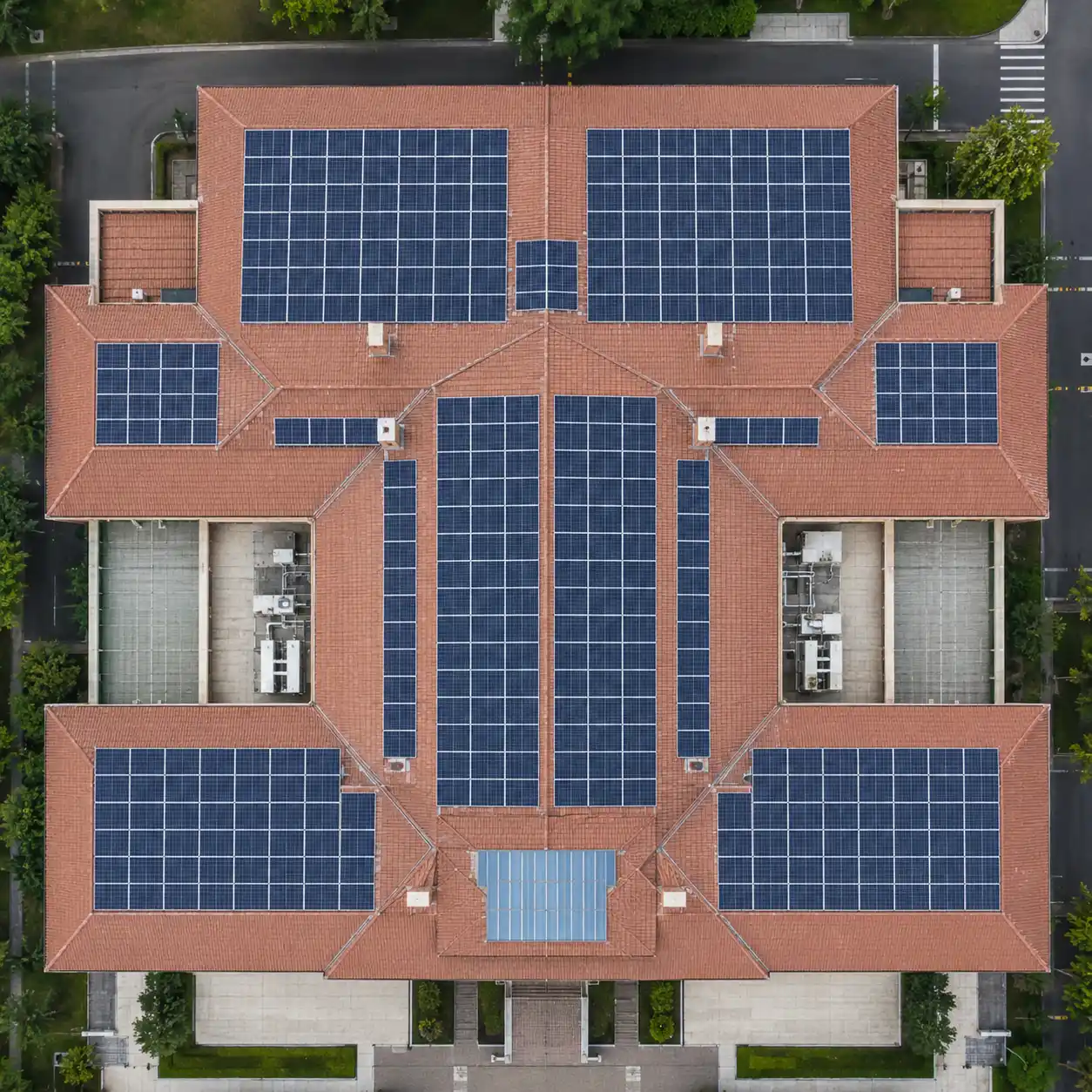
From tile hooks and standing-seam clamps to rail-less solutions for metal roofs, pitched roof mounting continues to refine discreet, non-invasive attachment methods. Adjustable components handle irregular pitches and odd roof geometries smoothly. The focus remains on clean aesthetics, zero leaks, and long-term stability.

Integration with Smart Technology and Bifacial Panels
Smart features increasingly appear in mounting hardware—embedded sensors for real-time performance tracking, easier integration with monitoring platforms. Bifacial modules especially benefit from elevated mounting designs that maximize rear-side irradiance capture. SR Solar incorporates these compatibility considerations so clients can squeeze every possible kilowatt-hour from their arrays.
Sustainability Driving Eco-Friendly Mounting Design
Environmental responsibility shapes design decisions more than ever. Recyclable aluminum, longer service life to reduce replacement cycles, and manufacturing processes with lower carbon footprints all matter. SR Solar builds sustainability into every solar roof mounting system, helping clients meet ESG targets without compromising performance.
How SR Solar Delivers Cutting-Edge Solar Roof Mounting Systems
SR Solar focuses obsessively on details that matter most to clients—lightweight yet robust construction, extreme weather resistance, simplified installation, and seamless compatibility with modern panel technologies. Whether the project involves sprawling flat commercial roofs or complex pitched structures, SR Solar delivers solar roof mounting systems engineered for maximum output and minimal long-term maintenance. Clients consistently tell us reliability and support are what set our solutions apart.
Overcoming 2026 Installation Challenges
Roof variability, skilled labor shortages, evolving building codes—these challenges persist. SR Solar counters them with modular, intuitive designs, comprehensive training resources, and strict compliance engineering. Thorough site assessment and planning remain the foundation of every successful project.
The Bright Future Ahead for Solar Roof Mounting Systems
Looking forward, 2026 positions solar roof mounting systems at the heart of the clean energy transition. Continued growth, smarter innovations, and stronger sustainability focus all converge to make rooftop solar more practical and powerful than ever. SR Solar remains committed to pushing these boundaries so clients capture more value from every square foot of roof space.
In summary, solar roof mounting system trends 2026 paint a picture of rapid advancement and increasing reliability. Lightweight pre-assembled components, non-penetrating attachment methods, superior weather resistance, and seamless integration with next-generation panels all combine to make rooftop solar deployments more efficient, more durable, and more economically attractive. At SR Solar, we see these developments as the foundation for widespread adoption—turning unused rooftops into powerful, long-lasting clean energy assets. The future looks very bright indeed.
FAQ
1.What stands out most in solar roof mounting system trends for 2026?
The biggest standout right now is the rapid shift toward non-penetrating, low-ballast designs combined with pre-assembled lightweight components. These changes drastically reduce installation time and roof risk while handling tougher weather. SR Solar sees this combo driving most new commercial projects because clients want speed without sacrificing 25+ year reliability.
2.How reliable are non-penetrating solar roof mounting systems during severe wind events or hurricanes?
Very reliable when engineered correctly—our systems are tested to withstand gusts up to 45 m/s (about 100 mph) using wind-tunnel optimized shapes and calculated ballast placement. In real 2025 hurricane seasons along the Gulf Coast, properly installed non-penetrating setups held firm where older penetrated ones failed. SR Solar always runs site-specific wind load calcs to ensure zero uplift issues.
3.Should we choose aluminum or galvanized steel for a solar roof mounting system in our specific climate zone?
It really depends on your location. In coastal California or humid areas, aluminum wins for superior corrosion resistance and lighter weight that eases roof load. For heavy snow zones like the Northeast or high-wind Midwest, galvanized steel often provides better strength-to-weight for extreme loads. SR Solar reviews your exact climate data and roof specs to recommend the best match every time.
4.Why are flat roof solar mounting innovations receiving so much attention right now in commercial projects?
Flat roofs dominate commercial real estate—think warehouses, distribution centers, big-box stores—and they’re perfect untapped solar real estate. New low-profile, low-ballast Z-type and triangular systems achieve good tilt angles (5–15°) with minimal weight and no penetrations, making them ideal for older buildings. SR Solar has seen flat roof installs double in the last year because ROI hits faster with these innovations.
5.Do SR Solar’s solar roof mounting systems support bifacial panels and smart monitoring integration effectively?
Absolutely—they’re designed with bifacial in mind, featuring elevated rails and open geometries that maximize rear-side light capture (often adding 10–20% yield). We include pre-set mounting points for sensors and easy wiring paths for real-time monitoring platforms. Many of our 2026 clients pair our systems with bifacial arrays and see noticeably higher production numbers right out of the gate.