What is a Solar Farm?
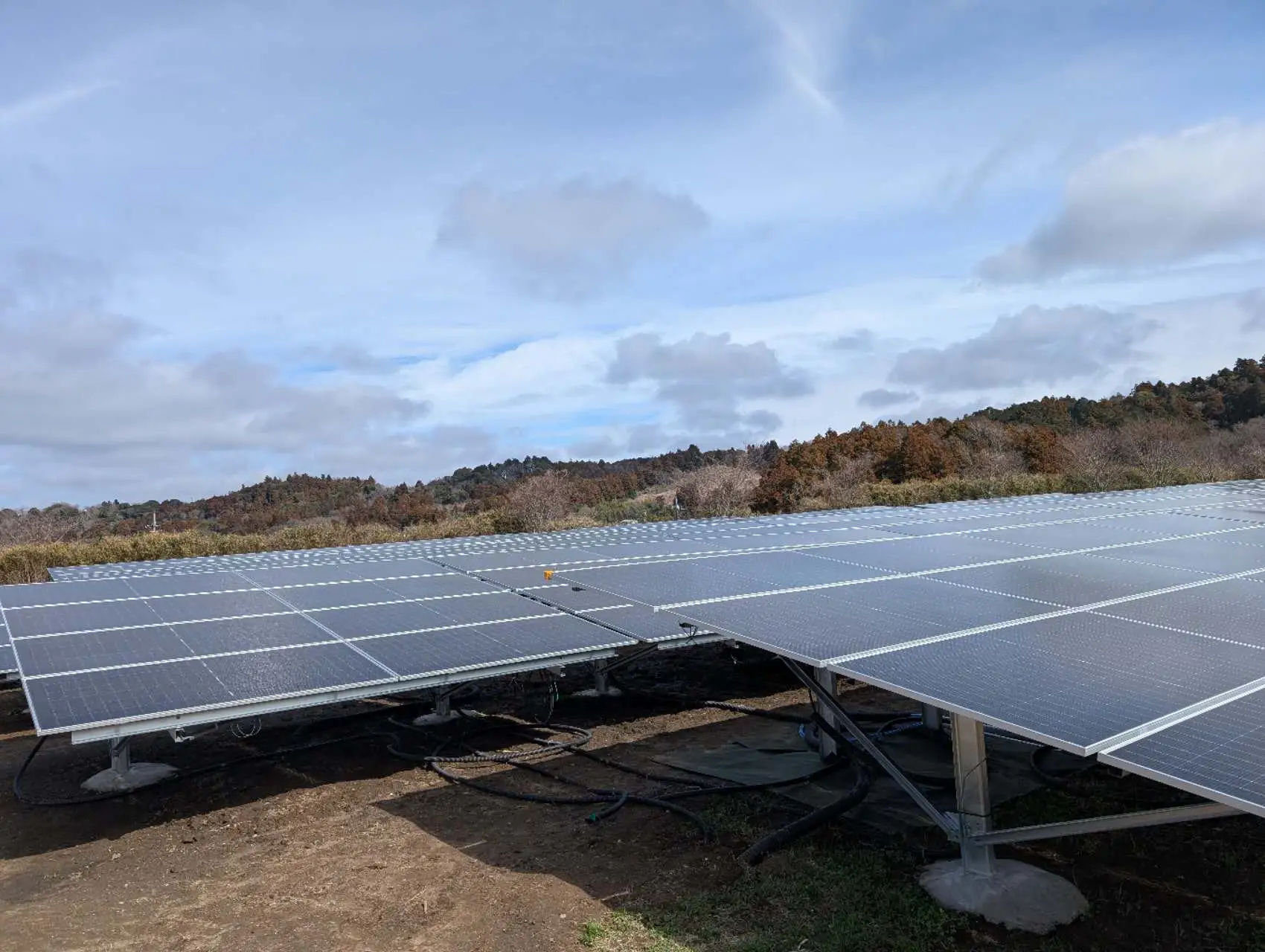
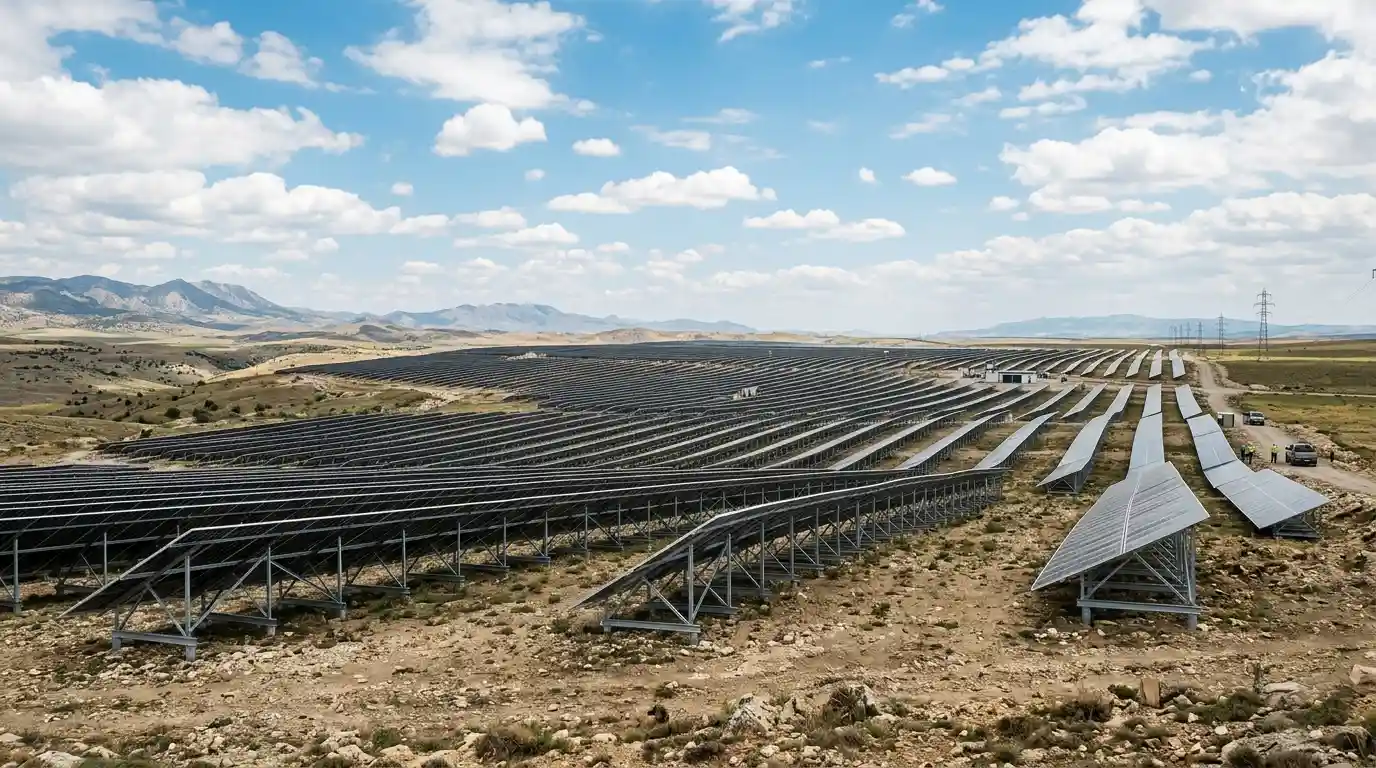
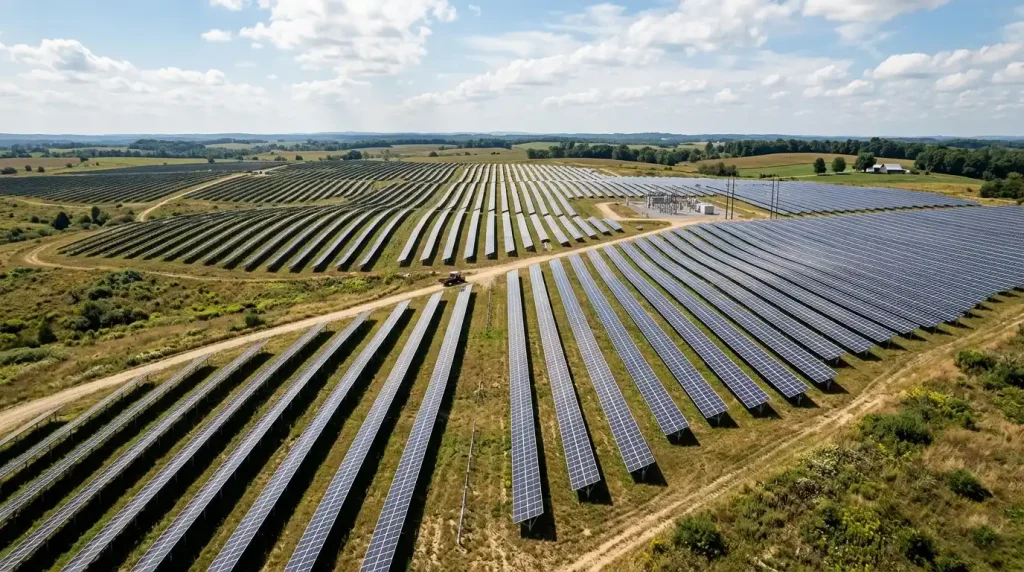
What is a solar farm? A solar farm is a large collection of ground-mounted solar panels that capture sunlight, convert it into electricity, and send that clean energy to the power grid. Unlike rooftop solar systems installed on individual buildings, solar farms are designed for large-scale electricity generation and can supply power to communities, businesses, and utility networks.
Although the name includes the word “farm,” a solar farm is not an agricultural farm. It refers to a large solar power installation built on open land. When solar panels are combined with agricultural activities, such as crop growing or livestock grazing, the system is called Agrivoltaics or Agri-PV. Agri-PV allows land to be used for both solar power generation and agricultural production.
Returning to the main topic, a solar farm is a grid-connected solar energy facility that uses large numbers of ground-mounted photovoltaic panels to generate clean electricity on a large scale.
How Does a Solar Farm Work?
A solar farm works by converting sunlight into electricity and delivering that power to the electrical grid. The process includes three main steps: capturing solar energy, converting electricity, and distributing power through the grid.
Sunlight Capture
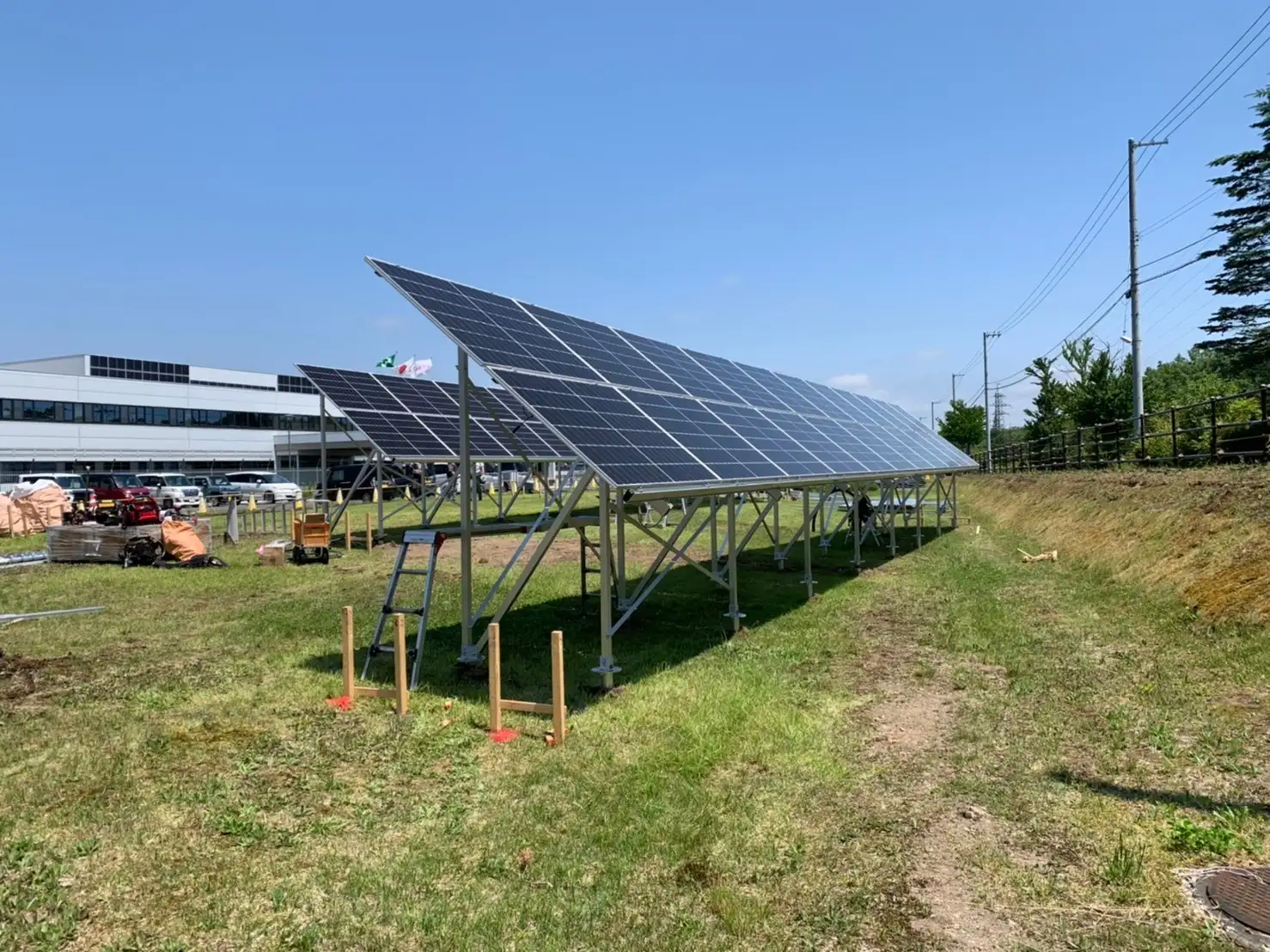
Rows of photovoltaic panels absorb energy from the sun and convert it into direct current (DC) electricity. The solar mounting system supports the panels at the required angle and keeps them securely installed to ensure stable energy generation under different environmental conditions.
Power Conversion
Inverters convert the DC electricity generated by solar panels into alternating current (AC) electricity, which is the standard form used for power transmission and distribution.
Grid Distribution
Transformers increase the voltage of the electricity so it can travel efficiently through transmission lines and connect with the main power grid, delivering clean energy to homes, businesses, and other users.
Types of Solar Farms
Now that you know what a solar farm is and how it works, the next step is understanding the two main types of solar farms.
Utility-Scale Solar Farms
Utility-scale solar farms are large ground-mounted installations built to generate electricity for the public power grid. They are designed to produce large amounts of clean energy and can supply electricity to thousands of homes and businesses. Because of their size, these projects require reliable mounting systems that can withstand long-term outdoor conditions while supporting efficient installation.
Community Solar Farms
Community solar farms are smaller shared solar projects that allow local residents, businesses, or renters to subscribe to a portion of the electricity generated by the system. Instead of installing solar panels on their own property, participants receive credits on their electricity bills based on their share of the project’s output.
Although they are smaller than utility-scale projects, community solar farms still require durable and flexible mounting solutions that can adapt to different site conditions.
What Should Be Considered When Building a Solar Farm?
Building a solar farm involves more than installing solar panels. Careful planning and the right mounting solution are essential for long-term performance and reliable power generation.
Site Conditions
Before construction begins, developers evaluate factors such as land availability, soil conditions, topography, wind speed, and snow load. These factors influence the foundation type and the overall mounting system design.
Solar Mounting System
The mounting system supports the solar panels and keeps them securely positioned throughout the project’s lifetime. Depending on the site conditions, developers may choose driven pile foundations, ground screws, or concrete foundations to achieve the best balance between construction efficiency and structural stability.
Compliance and Safety
Solar farms should be designed in accordance with local building codes and project requirements. Proper structural design helps ensure the system can withstand wind, snow, and other environmental loads while maintaining long-term reliability.
Professional Engineering Support
Every solar farm has unique site conditions. Working with an experienced solar mounting supplier during the design stage can help optimize the structure, improve installation efficiency, and reduce construction risks.
Build Your Solar Farm with SR Solar
Choosing the right mounting system is an important part of any solar farm project. A well-designed structure improves installation efficiency, supports long-term reliability, and helps reduce overall project costs.
With more than 20 years of experience in solar mounting solutions, SR Solar provides complete support for utility-scale and commercial ground-mounted solar projects. Simply provide your geotechnical survey report, project location, wind and snow load requirements, and other project specifications. Our engineering team will design a customized mounting solution that matches your site conditions and project goals.
Whether your project requires driven piles, ground screws, or concrete foundations, SR Solar can deliver reliable mounting systems backed by professional engineering support and manufacturing expertise.
Contact us today to discuss your project and receive a customized solar mounting solution.
Conclusion
Now that you know what a solar farm is, it is easier to understand why these projects play such an important role in renewable energy. By converting sunlight into electricity on a large scale, solar farms provide clean power for homes, businesses, and communities.
Whether you are planning a utility-scale solar farm or another ground-mounted solar project, selecting the right mounting system and engineering partner is essential for long-term performance and reliable operation.
Planning a Solar Farm Project?
SR Solar has more than 20 years of experience in designing and manufacturing solar mounting systems. Share your geotechnical survey report, site information, and project requirements, and our engineering team will provide a customized mounting solution for your project.
Contact SR Solar today to discuss your next solar farm project.
Frequently Asked Questions
What is a solar farm?
A solar farm is a large collection of ground-mounted solar panels that capture sunlight, convert it into electricity, and deliver that electricity to the power grid. Unlike rooftop solar systems, solar farms are built on open land and are designed to generate electricity on a much larger scale.
How does a solar farm generate electricity?
A solar farm generates electricity in three main steps. First, photovoltaic panels capture sunlight and produce direct current (DC) electricity. Next, inverters convert the DC electricity into alternating current (AC) electricity. Finally, transformers increase the voltage so the electricity can be transmitted through the power grid to homes, businesses, and other users.
What is the difference between a utility-scale solar farm and a community solar farm?
A utility-scale solar farm is built to supply large amounts of electricity directly to the public power grid and can power thousands of homes and businesses. A community solar farm is a smaller shared project that allows local residents or businesses to subscribe to a portion of the electricity generated without installing solar panels on their own property.
Can a solar farm be combined with agriculture?
Yes. When solar panels are installed together with agricultural activities such as growing crops or grazing livestock, the system is called Agrivoltaics, or Agri-PV. Unlike a traditional solar farm, Agri-PV is designed to support both renewable energy generation and agricultural use of the land.
How much land is needed for a 1 MW solar farm?
The land required depends on factors such as panel efficiency, site layout, and terrain. In most cases, a 1 MW ground-mounted solar farm requires approximately 2 to 4 acres (about 1 to 1.6 hectares) of land.
How long does a solar farm last?
Most utility-scale solar farms are designed for a service life of 25 to 30 years or more. With proper maintenance, including routine inspections and regular equipment servicing, many systems can continue operating efficiently beyond their original design life.