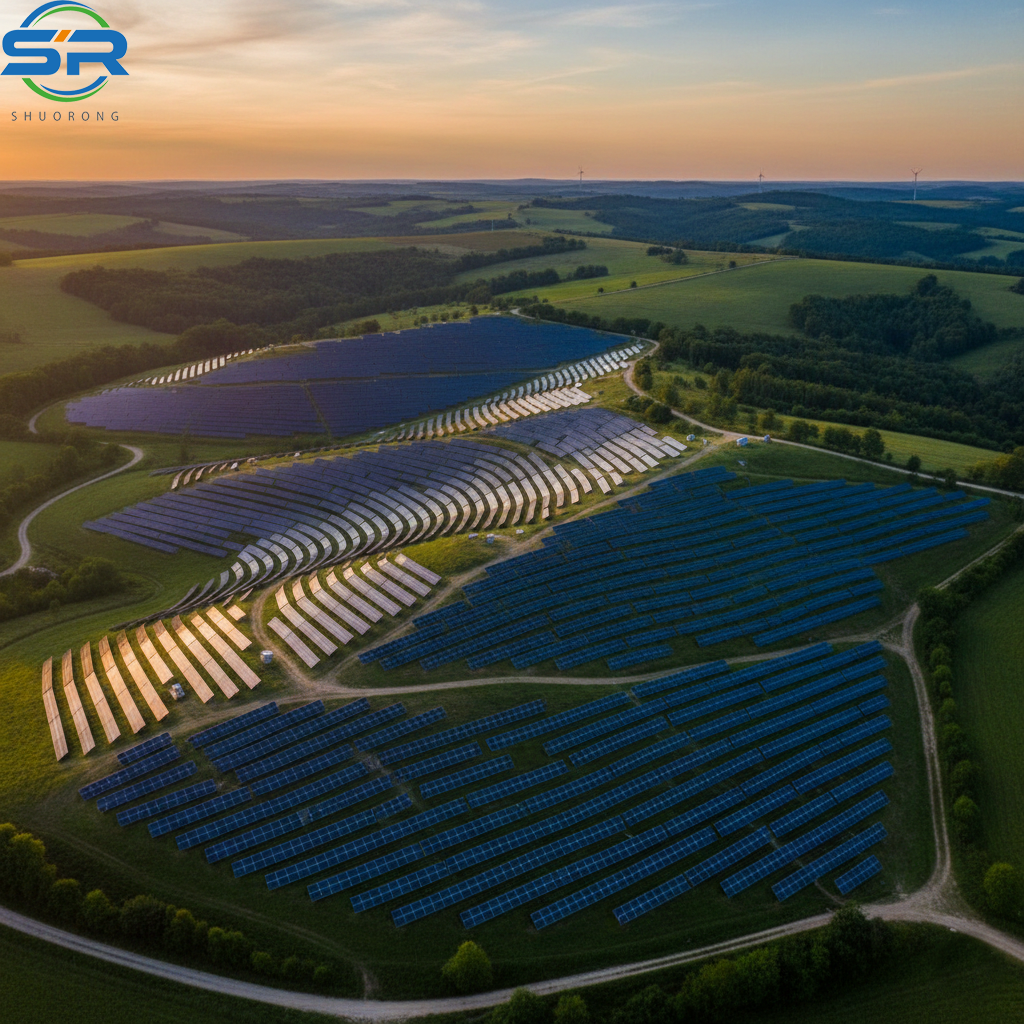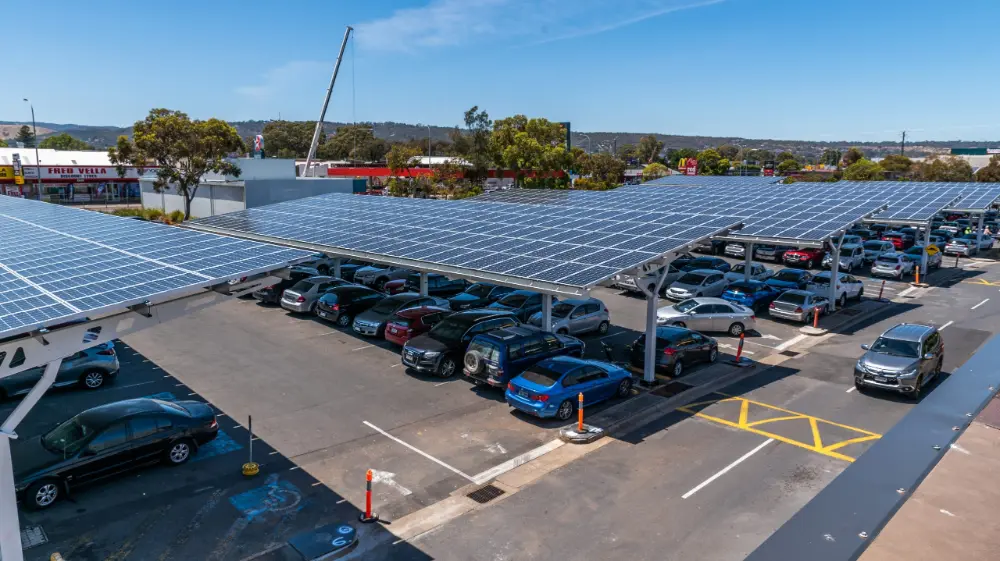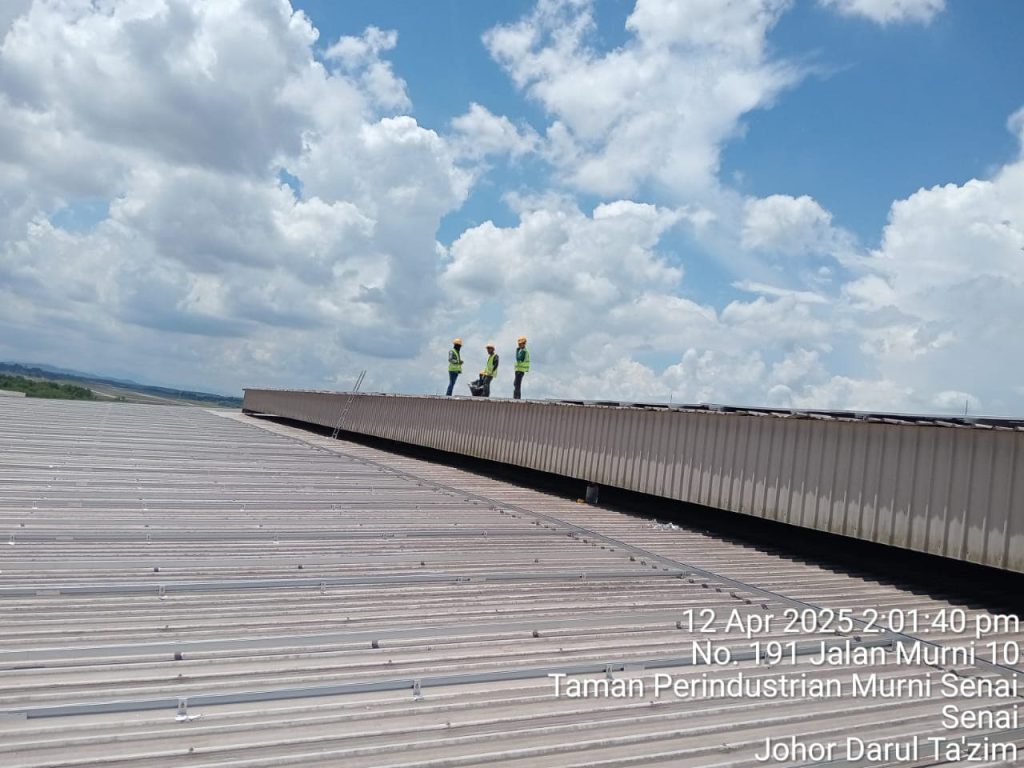
Installing solar panels is about more than choosing efficient modules. The structure that supports them is just as important. A Roof Mounting System in Solar PV is the framework that secures solar panels to a building while protecting the roof beneath. A well-designed mounting system keeps panels stable in strong wind and heavy rain, helps prevent water leaks around attachment points, and positions the modules to capture as much sunlight as possible throughout the day.
Different roofs require different mounting methods. A solution that performs well on a standing seam metal roof may not be suitable for a tile roof or a flat concrete roof. The right choice depends on several factors, including the roof type, local wind conditions, snow loads, waterproofing requirements, and the building’s structural capacity.
For EPC contractors, the right mounting system can reduce installation time and minimize maintenance after commissioning. For distributors, offering the right solutions for different roof types helps meet customer needs while simplifying inventory planning. In either case, choosing the correct mounting system is an important part of building a reliable solar project.
What Does a Roof Mounting System Do?
Many people think a mounting system simply holds solar panels in place. In reality, it performs several critical functions throughout the entire service life of the solar installation.
Keeps Solar Panels Secure in All Weather
Solar panels remain exposed to wind, rain, snow, and changing temperatures every day. A properly engineered mounting system transfers these external forces safely into the building structure, helping the array remain stable even during extreme weather conditions.
Protects the Roof from Water Damage
Every roof penetration creates the potential for leaks if it is not properly sealed. Choosing the right attachment method and waterproofing components helps maintain the roof’s integrity and reduces the risk of long-term water damage.
Improves Ventilation Beneath the Modules
Most roof mounting systems create a small gap between the solar panels and the roof surface. This allows air to circulate beneath the modules, helping reduce operating temperatures and supporting more stable energy production during hot weather.
Supports Long-Term Reliability
A solar mounting system is expected to last for decades alongside the solar modules themselves. Using corrosion-resistant materials such as aluminum, stainless steel, or ZAM-coated steel helps the system withstand years of outdoor exposure with minimal maintenance.
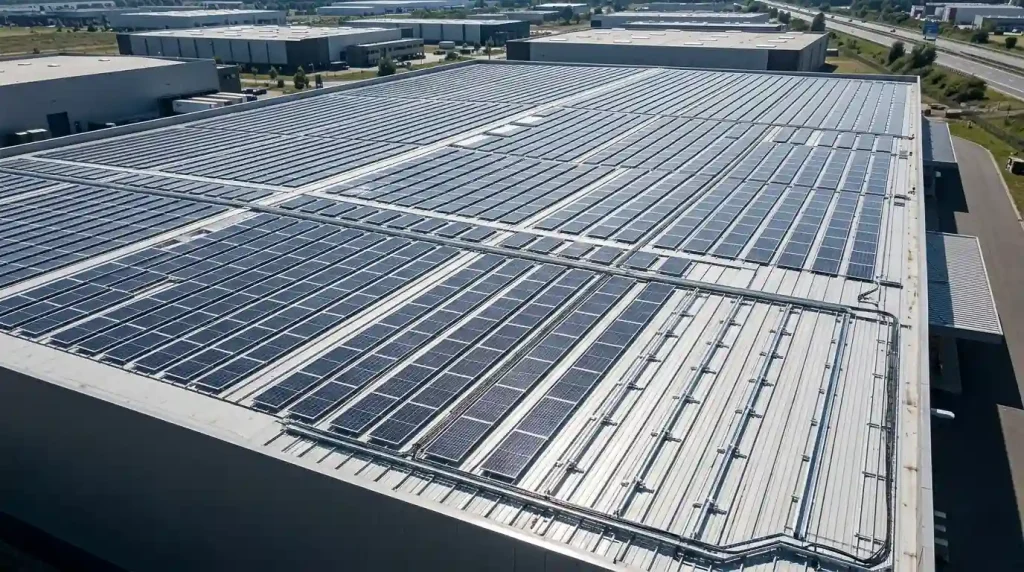
Metal Roof Mounting Systems
Metal roofs are one of the most common roof types for commercial and industrial solar projects. However, not all metal roofs are built the same. Standing seam roofs, trapezoidal sheets, and corrugated panels each require different mounting methods to ensure structural strength and reliable waterproofing.
Choosing the right attachment method depends on the roof profile, installation budget, and whether roof penetrations are acceptable.
Non-Penetrating Standing Seam Clamps
Standing seam roofs are often the easiest type of metal roof for solar installation because the mounting clamps attach directly to the raised seams without drilling through the roofing material.
One of the biggest advantages of this solution is that it preserves the roof’s original waterproof layer. Since no holes are created, many building owners prefer this method for warehouses, factories, and commercial buildings where roof warranties are important.
Another benefit is installation speed. Experienced crews can install clamp systems quickly with fewer components, reducing labor time on site.
L-Foot Mounting Systems for Trapezoidal and Corrugated Roofs
Not every metal roof can use clamp systems. Trapezoidal and corrugated roofs typically require L-feet that are fastened directly to the roof using self-drilling screws.
Although this method involves roof penetrations, proper waterproofing significantly reduces the risk of leaks. High-quality EPDM rubber seals are commonly used around each fastener to keep rainwater from entering the roof structure.
From our experience, one detail is often overlooked during installation. Fasteners should normally be installed on the top of the trapezoidal rib rather than in the drainage channel. This simple practice helps reduce long-term water exposure around the penetration points.
Rail-Less Roof Mounting Systems
Rail-less systems eliminate the long aluminum rails used in traditional installations. Instead, compact brackets attach directly to the roof, allowing the solar modules to be mounted with fewer components.
This approach has become increasingly popular for projects where reducing material costs and transportation volume is a priority. Fewer parts also mean faster handling on site and less packaging during shipping.
However, rail-less systems are not suitable for every project. Before selecting this option, installers should verify that the roof layout, module dimensions, and local wind conditions are compatible with the manufacturer’s design requirements.
Tile Roof Mounting Systems
Tile roofs are widely used in residential solar projects across Europe, Australia, and many parts of Asia. While they provide excellent durability, they also require extra care during installation because the tiles themselves are not designed to carry structural loads.
Instead of fixing the mounting system directly to the tiles, installers attach roof hooks to the wooden rafters beneath. The tiles simply cover the structure, while the rafters support the weight of the solar array.
How Tile Roof Hooks Work
Tile roof hooks are the most common solution for clay, concrete, and slate roofs. They create a secure connection between the roof structure and the mounting rails without placing pressure on the tiles themselves.
Most roof hooks are manufactured from stainless steel or ZAM-coated steel to provide long-term corrosion resistance in outdoor environments.
Many modern hook designs also offer height adjustment, allowing installers to level the mounting rails more easily when the roof surface is uneven.
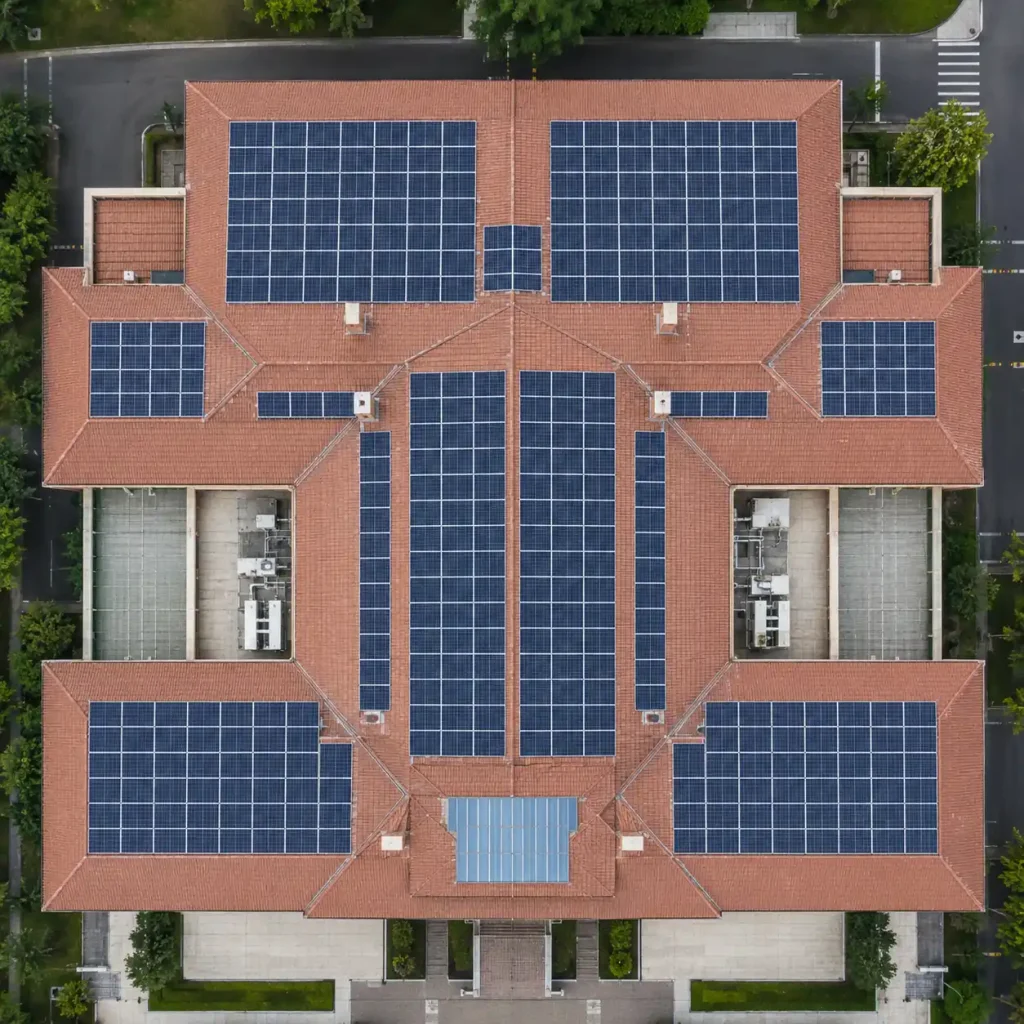
A Common Installation Mistake on Tile Roofs
One issue we occasionally see during rooftop installations is insufficient clearance between the roof hook and the tile.
If the upper tile rests directly on the steel hook, vibration caused by wind, temperature changes, or maintenance work can eventually crack the tile. In many cases, the damage is not immediately visible, but small cracks may later allow rainwater to enter the roof structure.
For this reason, installers usually trim a small section from the underside of the tile where the hook passes through. This allows the tile to sit naturally without being forced against the metal bracket.
Although it is only a small detail, it can make a significant difference to the long-term reliability of the roof.
Flat Roof Mounting Systems
Flat roofs offer greater flexibility for solar installations because the mounting angle can be adjusted independently of the roof itself. However, selecting the right mounting method requires careful consideration of the building’s load capacity, local wind conditions, and waterproofing requirements.
In most commercial projects, installers choose between ballasted systems and penetrative anchoring systems.
Ballasted Roof Mounting Systems
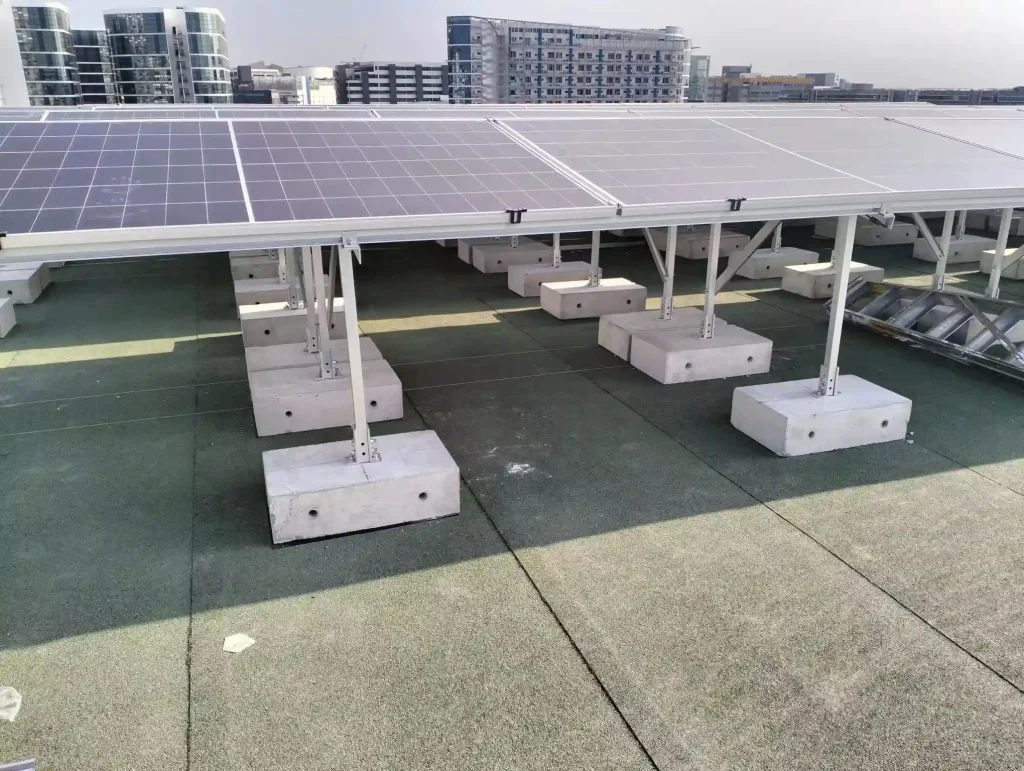
Ballasted systems keep the solar array in place using concrete blocks or other heavy ballast instead of drilling into the roof.
Because the waterproof membrane remains untouched, this approach is often preferred for commercial buildings where roof penetrations are not allowed.
Another advantage is that maintenance is relatively simple, since there are fewer waterproofing details to inspect over the life of the system.
However, additional weight is the biggest consideration. Before choosing a ballasted system, engineers should confirm that the building can safely support the extra load.
Many modern ballasted systems also include wind deflectors. These components improve airflow around the array and help reduce the amount of ballast needed in areas with moderate wind conditions.
Penetrative Anchoring Systems
When the roof cannot support the additional weight of ballast, penetrative mounting is often the better option.
This method secures the mounting structure directly to the concrete roof using expansion bolts or chemical anchors, creating a strong mechanical connection with the building.
Compared with ballasted systems, penetrative mounting usually requires less structural weight while providing excellent wind resistance.
The trade-off is that every penetration must be carefully waterproofed. Flashing, sealants, and proper installation practices all play an important role in preventing future leaks.
In practice, neither solution is automatically better than the other. The final choice should always be based on the building’s structural design, project budget, and local environmental conditions.
Asphalt Shingle Roof Mounting Systems
Asphalt shingle roofs are one of the most common residential roof types in North America. The installation method is relatively straightforward, but waterproofing is especially important because the roof relies on overlapping shingles to keep water out.
For most projects, installers use L-feet together with flashing plates to create a secure and weather-resistant connection.
Why Flashing Plates Matter
When a lag bolt passes through the roof, it creates a potential entry point for water.
A flashing plate is installed beneath the upper layer of shingles so that rainwater naturally flows over the flashing instead of reaching the penetration point.
When combined with quality rubber seals and proper installation, this design helps maintain reliable waterproof performance over many years.
For homeowners, the flashing is rarely visible after installation, but it is one of the most important components protecting the roof beneath the solar system.
Can One Roof Mounting System Fit Every Roof?
The short answer is no.
Every roof has its own structure, waterproofing method, and load-bearing capacity. A mounting solution that works perfectly on a standing seam metal roof may not be suitable for a tile roof, while a ballasted flat roof system would make little sense on a pitched residential roof.
Before selecting a Roof Mounting System in Solar PV, installers should evaluate several key factors:
- The roof type and structural condition.
- Local wind speeds and snow loads.
- Waterproofing requirements.
- The building’s load-bearing capacity.
- Local building codes and project specifications.
Taking the time to evaluate these factors early helps avoid costly modifications later and ensures the solar installation performs reliably throughout its service life.
Materials Used in a Roof Mounting System in Solar PV
Choosing the right mounting design is only part of the equation. The materials used in the mounting system also have a direct impact on its durability, maintenance requirements, and long-term performance.
Since rooftop solar systems are expected to remain in service for more than two decades, mounting components must withstand constant exposure to sunlight, rain, humidity, and temperature changes. Selecting the right material helps reduce corrosion, extend service life, and minimize maintenance over time.
Aluminum Alloy
Aluminum is one of the most widely used materials in modern solar mounting systems. It is lightweight, naturally corrosion-resistant, and easy to transport, making it an excellent choice for rooftop rails, clamps, and L-feet.
Its low weight also makes installation easier, especially on residential roofs where handling long rails can be challenging. For installers, this often means faster installation with less physical effort.
Stainless Steel
Stainless steel is commonly used for fasteners, roof hooks, and other components that carry high structural loads.
Because of its excellent strength and corrosion resistance, it performs well in coastal environments and regions with high humidity. Although it is heavier and more expensive than aluminum, its durability makes it a reliable choice for critical structural connections.
ZAM-Coated Steel
Zinc-Aluminum-Magnesium coated steel, often referred to as ZAM steel, has become increasingly popular in recent years.
Its protective coating helps resist corrosion, even if small scratches occur during transportation or installation. This makes it a practical option for mounting brackets and structural components that need long-term outdoor protection.
For projects located in coastal or highly corrosive environments, ZAM-coated steel can provide a good balance between strength, durability, and cost.
Which Material Is the Best Choice?
There is no single material that is best for every project.
Most rooftop solar systems use a combination of materials rather than relying on just one. For example, aluminum rails may be paired with stainless steel fasteners, while tile roof hooks are often manufactured from stainless steel or ZAM-coated steel.
The right combination depends on the project’s environment, structural requirements, budget, and expected service life.
How to Choose the Right Roof Mounting System in Solar PV
With so many mounting options available, choosing the right system can feel overwhelming. In reality, the decision usually comes down to a few key factors.
Rather than asking which mounting system is the best, it is more useful to ask which one is the best fit for your project.
Start with the Roof Type
The roof itself is always the first consideration.
Standing seam metal roofs often work well with non-penetrating clamps, while trapezoidal metal roofs typically require L-feet. Tile roofs usually rely on roof hooks, and flat roofs may use either ballasted systems or penetrative anchors.
Choosing a mounting system that matches the roof structure is the foundation of a successful installation.
Consider Local Weather Conditions
Weather plays a major role in mounting system design.
Projects located in coastal regions may experience stronger wind loads, while colder climates often require additional consideration for snow accumulation.
Although two buildings may have the same roof type, their mounting solutions can differ significantly because of their local environmental conditions.
This is one reason why experienced EPC contractors rarely use exactly the same design for every project.
Don’t Overlook Roof Load Capacity
Every building has structural limits.
For example, a ballasted mounting system may work well on one commercial building but be unsuitable for another if the roof cannot safely support the additional weight.
Evaluating the roof’s load-bearing capacity early in the design process helps avoid expensive redesigns later.
Think About Future Maintenance
The easiest system to install is not always the easiest to maintain.
Installers should consider whether future roof inspections, waterproofing repairs, or equipment replacement can be carried out without removing large sections of the solar array.
A well-planned mounting system should make maintenance easier throughout the entire life of the project, not just on installation day.
Practical Tips from Real Projects
Every solar project is different, but after working on a wide range of rooftop installations, several lessons appear again and again.
One is that selecting the right mounting system early saves far more time than trying to solve installation problems on site. A few extra hours spent reviewing roof drawings and structural details can prevent days of unexpected work during construction.
Another lesson is that waterproofing should never be treated as an afterthought. Whether the project uses L-feet, roof hooks, or concrete anchors, every penetration should be carefully sealed and inspected before the system is commissioned.
Finally, avoid choosing a mounting system based on price alone.
A lower-cost solution may reduce the initial investment, but if it increases installation time, requires more maintenance, or shortens the roof’s service life, the overall project cost can end up being much higher.
In our experience, the most successful projects are those where the mounting system is selected as part of the overall engineering design rather than as the final purchasing decision.
Summary
A Roof Mounting System in Solar PV does much more than support solar panels. It helps protect the roof, withstand changing weather conditions, and provide a stable foundation for decades of reliable energy production.
Because every roof is different, there is no universal mounting solution. Metal roofs, tile roofs, flat roofs, and asphalt shingle roofs all require different installation methods, materials, and waterproofing strategies.
Selecting the right system means considering the roof structure, local climate, load-bearing capacity, and long-term maintenance requirements together rather than focusing on a single factor.
For EPC contractors and distributors, making the right choice at the beginning of a project not only improves installation efficiency but also helps reduce maintenance costs and increase the long-term reliability of the entire solar system.
At SR Solar, we combine structural engineering experience with practical manufacturing expertise to provide roof mounting solutions for a wide range of residential, commercial, and industrial solar projects. Whether you need standard products or customized support for complex roof conditions, our team is ready to help you find a solution that fits your project.
Frequently Asked Questions
What is a roof mounting system in solar PV?
A roof mounting system in solar PV is the structural framework that secures solar panels to a building. It keeps the panels stable during wind and harsh weather, protects the roof from water intrusion, and supports the solar array for decades of reliable operation.
Which roof mounting system is best?
There is no single mounting system that works for every project.
The best solution depends on the roof type, local weather conditions, waterproofing requirements, and the building’s structural capacity. For example, standing seam metal roofs often use non-penetrating clamps, while tile roofs typically require roof hooks and flat roofs may use either ballasted systems or penetrative anchors.
Can solar panels be installed without drilling into the roof?
Yes, in some cases.
Standing seam metal roofs can often use non-penetrating clamp systems, and many flat roofs can use ballasted mounting systems that rely on weight rather than roof penetrations.
However, not every roof is suitable for these solutions, so each project should be evaluated individually.
Will a roof mounting system cause roof leaks?
Not when it is properly designed and installed.
Most penetrative mounting systems use waterproof components such as EPDM seals, flashing plates, or approved sealants to protect the roof. Following the manufacturer’s installation guidelines is essential for maintaining long-term waterproof performance.
How long does a roof mounting system last?
A high-quality roof mounting system is typically designed to last as long as the solar panels themselves.
When manufactured from corrosion-resistant materials such as aluminum, stainless steel, or ZAM-coated steel, and installed correctly, many systems can provide reliable service for more than 25 years.
Can one roof mounting system fit every roof type?
No.
Different roof structures require different mounting solutions. Metal roofs, tile roofs, asphalt shingle roofs, and flat roofs each have unique installation methods and structural requirements. Selecting the correct mounting system helps improve installation efficiency, waterproofing, and long-term performance.
What should I consider before choosing a roof mounting system?
Before selecting a roof mounting system, it is important to evaluate:
- The roof type and condition.
- Local wind and snow loads.
- Waterproofing requirements.
- Roof load-bearing capacity.
- Local building codes and project specifications.
Considering these factors early in the project helps ensure a safe, efficient, and durable solar installation.
Need Help Choosing the Right Roof Mounting System?
Every project is different, and selecting the right mounting solution starts with understanding the roof itself.
Whether you’re working on a commercial warehouse, an industrial facility, or a residential installation, SR Solar can provide technical support, customized mounting solutions, and product recommendations based on your project requirements.
Contact our team today to discuss your roof type, site conditions, and structural needs. We’ll help you find a roof mounting system that is reliable, cost-effective, and built for long-term performance.