are solar panels hurricane proof? It is a reasonable question for anyone planning a solar project in a hurricane-prone region. Solar modules are tested for mechanical loads and can be designed to withstand significant wind pressure. But there is an important point that is easy to overlook: the solar panel is only one part of the system.
When a hurricane hits, the wind does not act on the panel alone. Wind loads are transferred through the module clamps, rails, mounting structure, roof attachments or foundations, and finally into the building or ground. If any part of this load path is poorly designed, the strength of the panel itself cannot protect the entire solar array.
So, are solar panels hurricane proof? The better question for an EPC is this:
Is the entire solar mounting system engineered for the site’s wind conditions?
That is where the real difference begins.
Are Solar Panels Hurricane Proof?
There is no simple yes-or-no answer to whether solar panels are hurricane proof.
Solar modules are manufactured and tested according to applicable standards for mechanical loading. Their frames, glass, and other components are designed to withstand defined loads. However, these tests do not mean that every solar installation can automatically withstand a hurricane.
Actual performance depends on several factors, including:
- Local wind speed and wind pressure
- Building height and geometry
- Roof or ground conditions
- Panel orientation and tilt angle
- Array configuration
- Mounting structure
- Fasteners and connection points
- Foundation design
- Installation quality
This distinction matters because a solar module can remain structurally intact while the mounting system underneath it fails.
Imagine a strong panel attached to a weak structure. The panel may survive the initial wind pressure, but if a clamp loosens, a rail deforms, or a roof attachment pulls out, the entire module can still be lifted from the array.
This is why hurricane resistance should be evaluated at the system level, not by looking at the solar panel alone.
The Solar Mounting System Is Critical in Hurricane Conditions
Think of a solar array as a structural system rather than a collection of individual panels.
When strong wind passes over a solar array, it creates pressure and, in many situations, significant uplift forces. Those forces need to travel safely through every structural component.
A typical load path looks something like this:
Solar module → module clamp → rail → mounting structure → attachment or foundation → building structure or soil
Every connection in this chain matters.
Wind Load Acts on the Entire Solar Array
Wind loading is affected by much more than the rated wind speed for a particular location.
The final design can also be influenced by:
- Site exposure
- Terrain
- Building height
- Array height
- Panel tilt
- Panel orientation
- Row spacing
- Array geometry
- Roof edges and corners
Why do roof edges deserve special attention?
Wind behavior around the edges and corners of a building can be significantly different from conditions in the middle of the roof. Treating every location on a roof as having the same wind load can therefore lead to an inaccurate structural design.
For EPCs, this is one reason a mounting system should not simply be selected from a standard configuration and installed across every project.
The wind conditions should be evaluated first. The mounting structure should then be designed around the actual project requirements.
Connections Can Become the Weakest Point
A common EPC error is to focus heavily on the strength of the main rail while giving less attention to the connections.
But what happens if the rail is strong enough and the attachment point is not?
The entire load path can still fail.
Important details include:
- Module clamp positioning
- Rail-to-clamp connections
- Rail-to-structure connections
- Bolts and fasteners
- Roof attachment points
- Structural member connections
- Foundation connections
The specification of fasteners, tightening torque, connection geometry, and installation procedure can all affect real-world performance.
A strong aluminum rail does not help much if the connection between the rail and the building is poorly designed.
What Makes a Solar Mounting System Hurricane Resistant?
There is no single component that makes a solar mounting system hurricane resistant. It is the combination of structural engineering, materials, connections, foundations, and installation quality.
1. Proper Wind Load Calculation
The first step is understanding the actual design load.
A mounting supplier should be able to work with project-specific information rather than simply offering one standard structure for every location.
Depending on the project market, applicable standards may include ASCE, AS/NZS, JIS, Eurocode, or other local requirements.
The exact standard is less important than one basic principle:
The structure needs to be designed for the conditions where it will actually be installed.
Wind speed, terrain, installation height, array geometry, and structural configuration should all be considered.
At SR Solar, we approach mounting structure design from the project conditions first. The objective is not simply to make a structure heavier. It is to develop an appropriate load path and structural configuration for the application.
2. Choosing the Right Structural Material
Material selection also plays a role in high-wind solar projects.
Aluminum, ZAM, and hot-dip galvanized steel can all be used in solar mounting systems, but they serve different engineering requirements.
Aluminum
Aluminum is widely used for rooftop solar mounting because it combines relatively low weight with good corrosion resistance.
For example, AL6005-T6 can provide useful strength while keeping the structure relatively lightweight. This can be particularly valuable for rooftop applications where installation efficiency and structural weight both matter.
But lightweight does not automatically mean weak. The important question is whether the selected section, connection, and configuration are appropriate for the calculated loads.
ZAM
ZAM is another material used in solar mounting structures.
It is important to describe ZAM correctly: ZAM is a material itself, not simply a coating applied to another material.
Its combination of strength and corrosion resistance makes it suitable for outdoor structural applications where long-term durability is important.
The choice between aluminum, ZAM, and steel should depend on the project rather than on a simple assumption that one material is always better.
Hot-Dip Galvanized Steel
Steel provides high structural strength and is commonly used in larger ground-mounted solar structures.
For utility-scale projects, structural steel can be particularly useful where the system needs to handle substantial mechanical loads and long spans.
Again, the material alone does not determine hurricane resistance.
A properly designed steel structure with poor connections can still underperform. The engineering has to consider the complete structure.
Rooftop Solar Mounting in Hurricane-Prone Areas
For rooftop solar, the roof attachment is just as important as the mounting rail.
The structure needs to transfer wind forces safely into the building without creating an attachment point that becomes the failure location.
Several details deserve attention:
- Roof structural capacity
- Attachment type
- Attachment spacing
- Rail configuration
- Module clamp position
- Edge and corner zones
- Fastener specification
- Waterproofing
- Installation torque
The question is not simply whether the solar racking system is strong enough.
Can the roof attachment transfer the calculated wind load safely into the building structure?
That is a much more useful engineering question.
In our project experience, the main structural member is not always the first component to become critical. Connection details and site conditions can have a major influence on actual performance.
This is particularly important when working with existing commercial or industrial roofs. The mounting system cannot be evaluated separately from the roof structure supporting it.
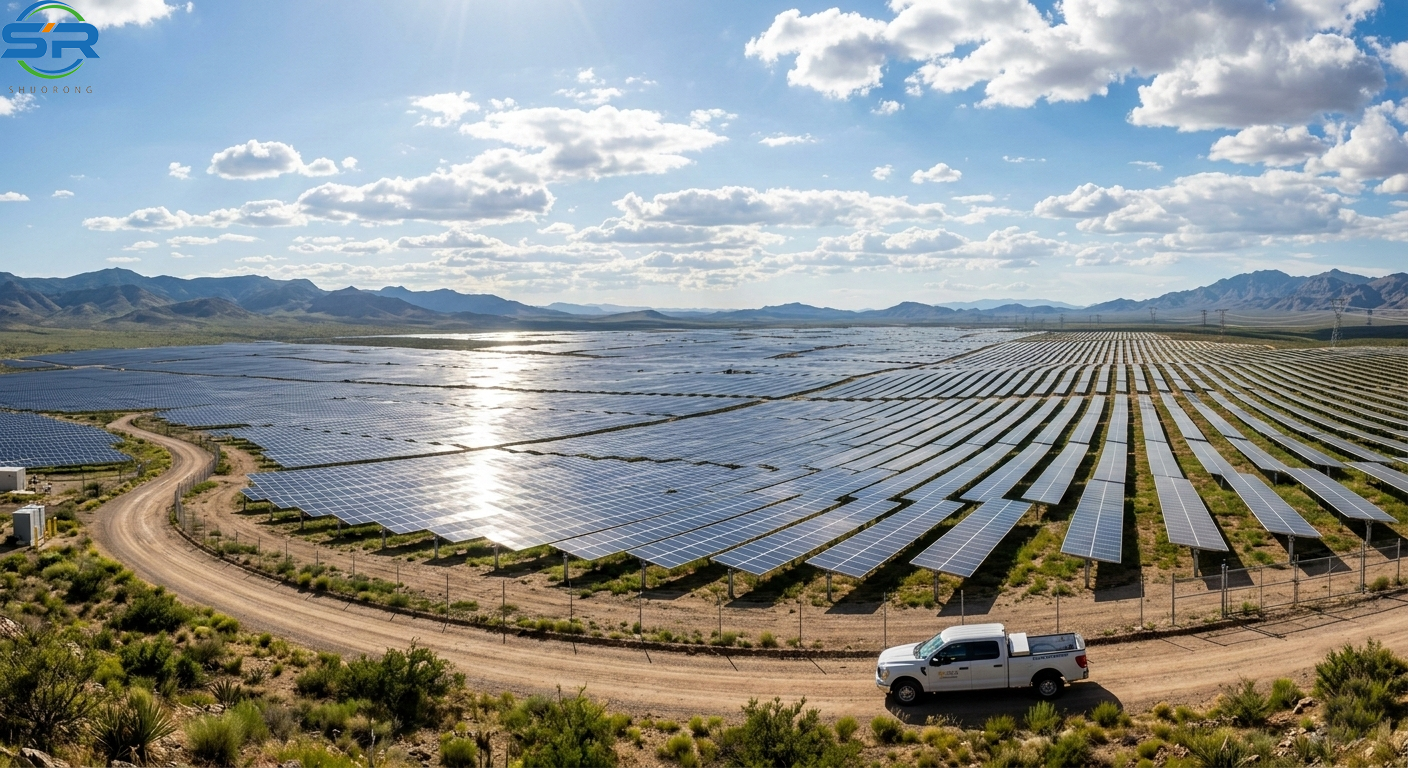
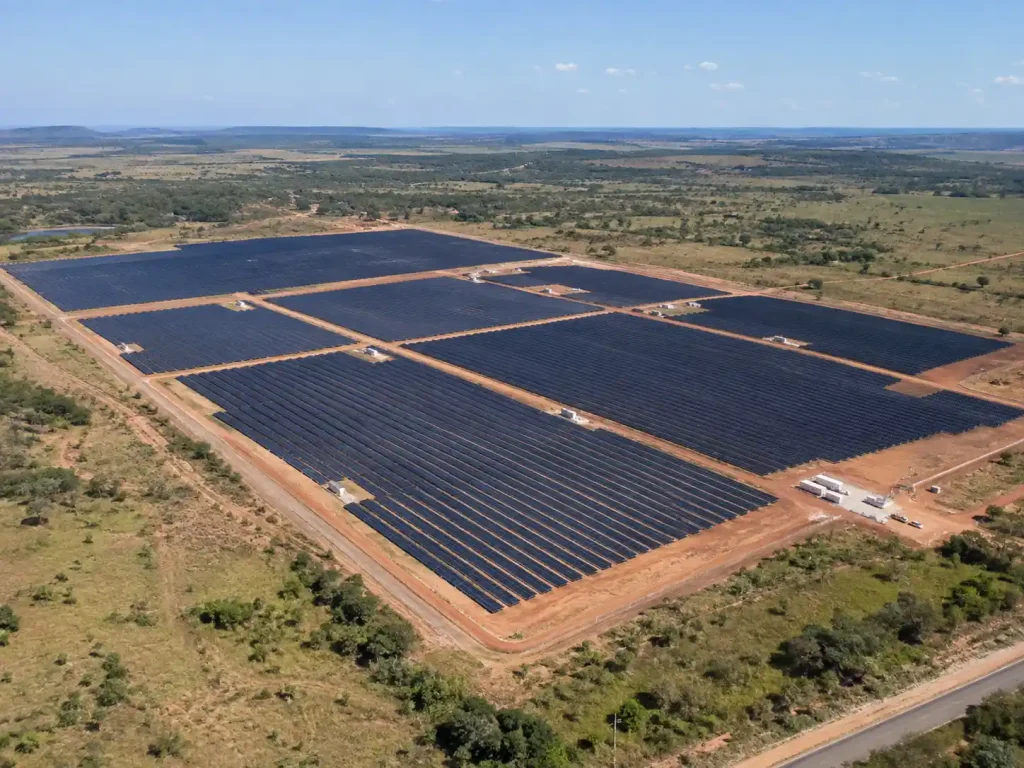
Ground-Mounted Solar Structures and Hurricane Resistance
Ground-mounted solar systems have a different load path.
Instead of transferring loads into a building, the structure ultimately transfers forces into the foundation and soil.
For example:
Module → rail → support structure → foundation → soil
Depending on the project, foundations may use:
- Driven piles
- Ground screws
- Concrete foundations
- Other engineered foundation systems
This means hurricane resistance does not stop at the module clamps.
The foundation must also be evaluated for uplift, lateral loads, soil conditions, and the structural requirements of the project.
A common mistake is to focus on the visible steel structure while treating the foundation as a separate issue.
In reality, they are part of the same structural system.
A stronger support post does not necessarily solve a foundation problem. If the foundation cannot safely resist the resulting loads, increasing the size of the upper structure may not provide the expected improvement.
Installation Quality Matters Too
Even a well-engineered solar mounting system can perform poorly when it is installed incorrectly.
Consider a few seemingly small issues:
- Incorrect bolt torque
- Missing fasteners
- Incorrect clamp positioning
- Improper rail spacing
- Incorrect foundation depth
- Poor alignment
- Incorrect fastener selection
- Installation that does not follow the engineering drawings
These details can change how forces are distributed through the structure.
This is why installation documentation and quality control should be treated as part of the structural solution rather than an afterthought.
For EPCs, this also has a direct labor and project-risk impact. Clear installation procedures can reduce rework, inspection issues, and troubleshooting on site.
The goal is not just to manufacture a strong mounting structure.
The goal is to make sure the structure that arrives at the site can be assembled correctly and consistently.
What Should EPCs Check Before Installing Solar in a Hurricane-Prone Area?
If you are evaluating a solar mounting supplier for a project in a hurricane-prone region, do not stop at the product catalog.
Ask these questions before placing the order:
1. What is the project’s design wind speed?
The supplier should understand the actual site conditions rather than assuming a generic wind environment.
2. Which wind standard applies?
Different markets use different structural standards. Make sure the design follows the requirements applicable to the project.
3. Has wind uplift been considered?
Uplift can become a critical design consideration during severe wind events.
4. Are roof edge and corner zones considered?
For rooftop projects, wind exposure can vary across the roof.
5. What material is being used?
Ask whether aluminum, ZAM, galvanized steel, or another material is appropriate for the application and environmental conditions.
6. How are the connections designed?
Look beyond the main structural member. Examine clamps, bolts, brackets, rails, and attachment points.
7. How is the foundation designed?
For ground-mounted projects, foundation and soil conditions are part of the structural system.
8. Is there a defined installation procedure?
Installation quality can directly affect structural performance.
9. Can the supplier provide engineering support?
A mounting supplier should be able to discuss the reasoning behind the structure rather than only provide dimensions and prices.
If a supplier can give you a product catalog but cannot explain how the structure responds to your project’s wind loads, that deserves a second look.
How SR Solar Approaches High-Wind Solar Mounting Projects
At SR Solar, we do not view solar mounting as simply a matter of supplying rails, clamps, and support structures.
The project conditions come first.
Wind conditions, installation method, structural configuration, material selection, connection details, and foundation requirements all influence the final mounting solution.
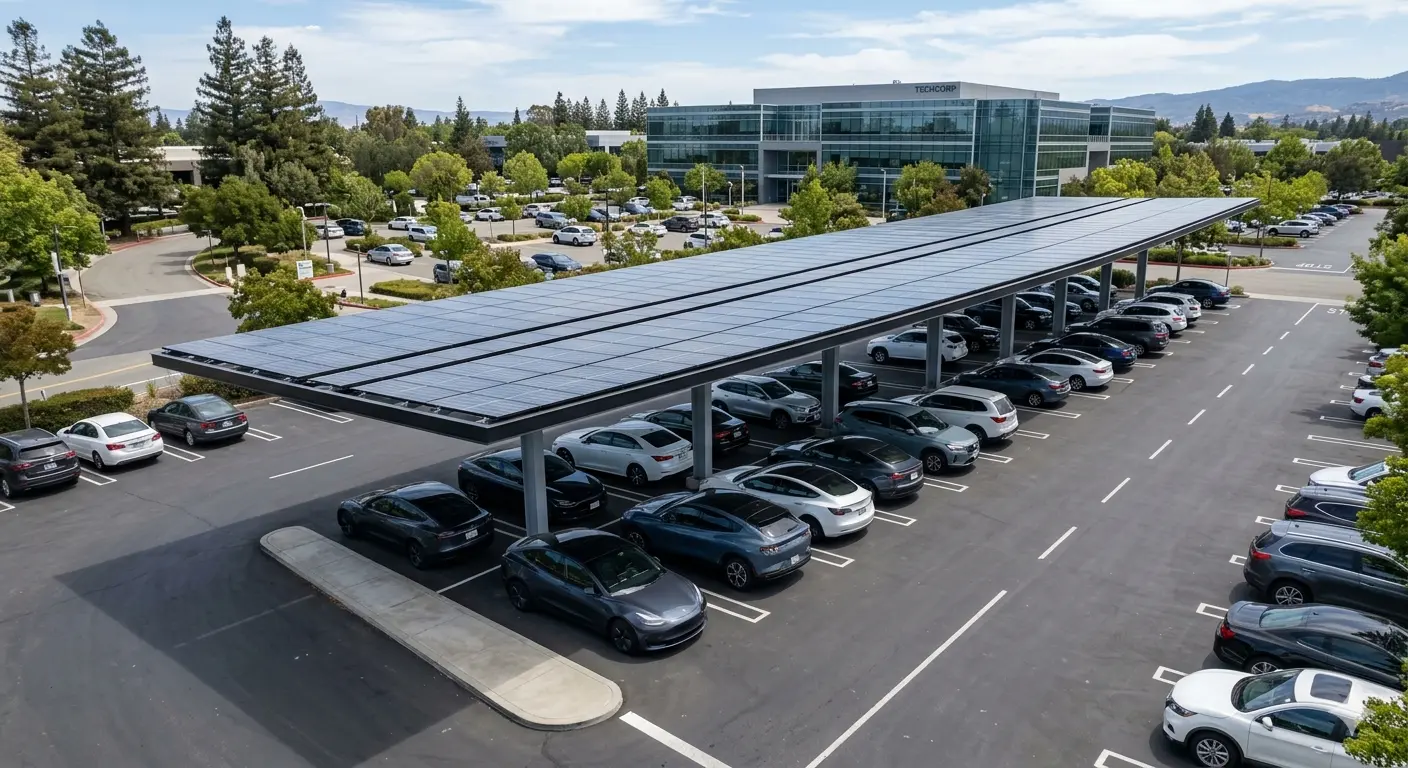
Our engineering approach covers different mounting applications, including rooftop, ground-mounted, carport, and other solar structures. Depending on the project requirements, materials such as AL6005-T6, ZAM, hot-dip galvanized steel, and stainless steel components can be considered.
We also work with international standards such as JIS, AS/NZS, Eurocode, and ASCE according to project requirements.
The point is not to claim that a mounting system is simply “hurricane proof.”
That phrase is too broad for serious structural engineering.
A better approach is to identify the site’s actual loads, design the structure and connections accordingly, and make sure the installation follows the engineering requirements.
Good mounting design is not about adding more metal. It is about putting the right strength in the right place.
Summary: The Mounting System Is Part of the Hurricane Protection
So, are solar panels hurricane proof?
Not by themselves.
A solar module may be designed and tested to withstand significant mechanical loads, but the performance of a complete solar installation depends on the entire system working together.
For hurricane-prone projects, EPCs should look at:
- Wind load calculation
- Solar mounting structure
- Material selection
- Module clamps
- Structural connections
- Roof attachments
- Foundations
- Soil conditions
- Installation quality
The solar panel is what you see.
The mounting system is what holds it there.
And when extreme wind arrives, that distinction matters.
Frequently Asked Questions
Are solar panels hurricane proof?
Solar panels can be designed and tested to withstand significant mechanical loads, but there is no universal guarantee that every solar panel installation is hurricane proof. Actual performance depends on the module, mounting system, connections, building or foundation, site conditions, and installation quality.
Can solar panels survive a Category 5 hurricane?
Whether a solar installation can withstand a Category 5 hurricane depends on the specific project design. Wind speed, exposure, structural configuration, mounting method, foundation or roof attachment, and applicable engineering standards all need to be evaluated. A hurricane category alone is not enough to determine the performance of a particular solar array.
What makes a solar mounting system hurricane resistant?
A hurricane-resistant solar mounting system requires appropriate wind-load engineering, properly selected structural materials, strong and correctly designed connections, suitable foundations or roof attachments, and correct installation. The complete load path needs to be considered.
Are ground-mounted solar panels safer in hurricanes?
Ground-mounted solar panels are not automatically safer than rooftop systems. Their performance depends on the structural design, support configuration, foundation type, soil conditions, wind exposure, and installation quality. A properly engineered ground-mounted system can be designed for severe wind conditions, but the foundation and soil must be part of the calculation.
What wind speed can a solar mounting system withstand?
There is no single wind-speed rating that applies to every solar mounting system. The allowable design depends on the structure, material, geometry, installation method, site exposure, applicable standard, and engineering calculations. For a specific project, the mounting system should be evaluated against the project’s required design wind conditions.