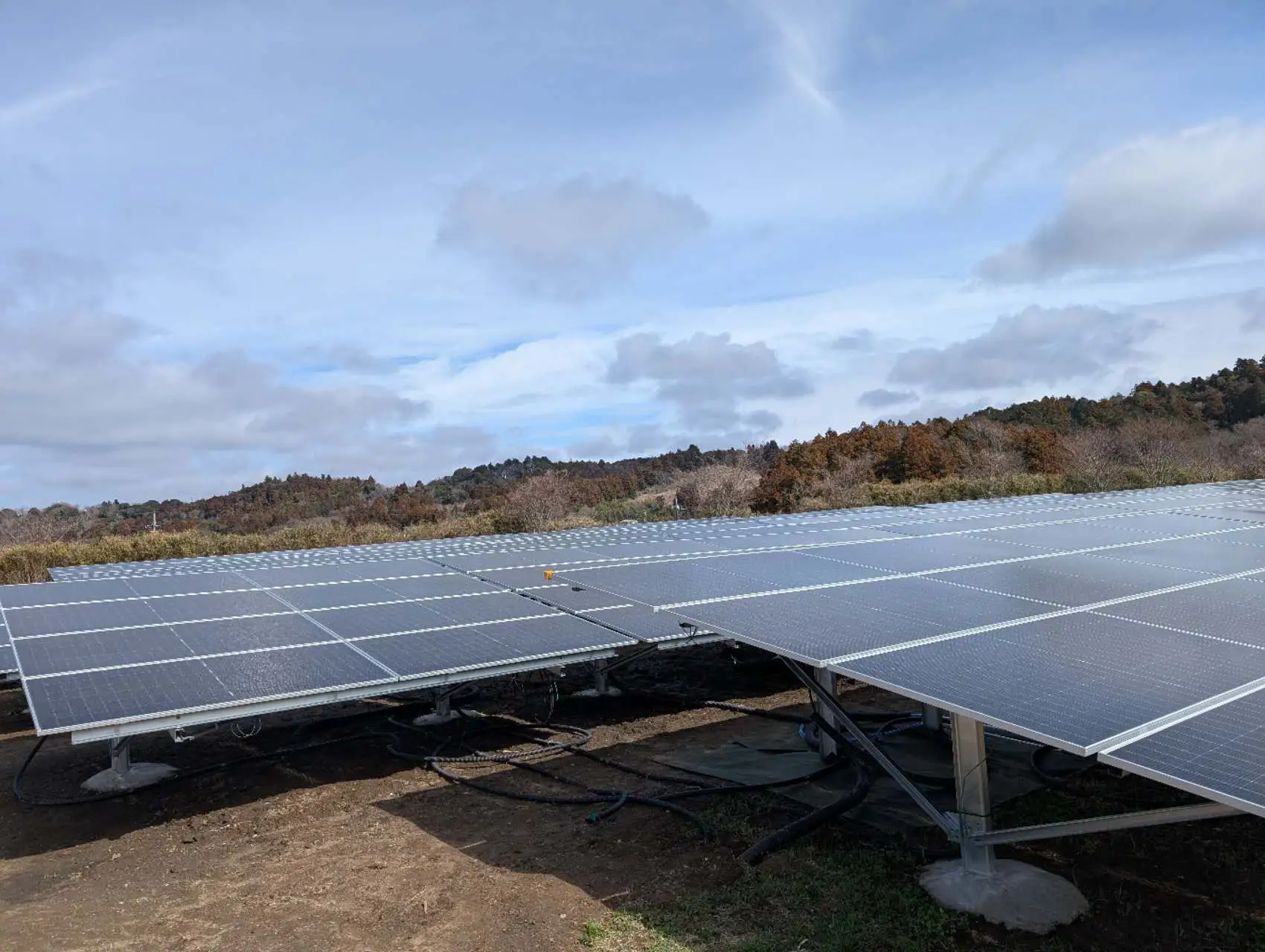
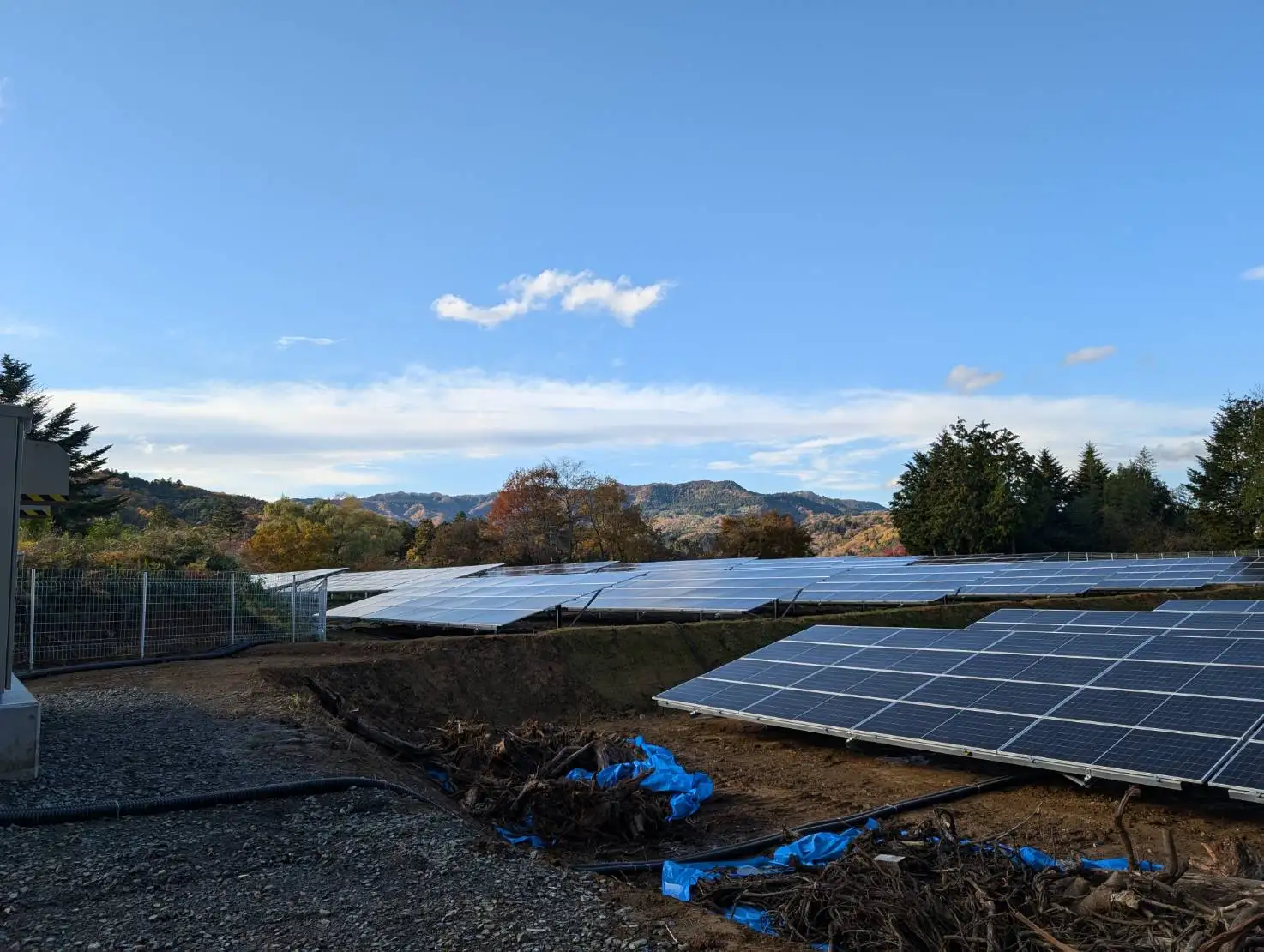
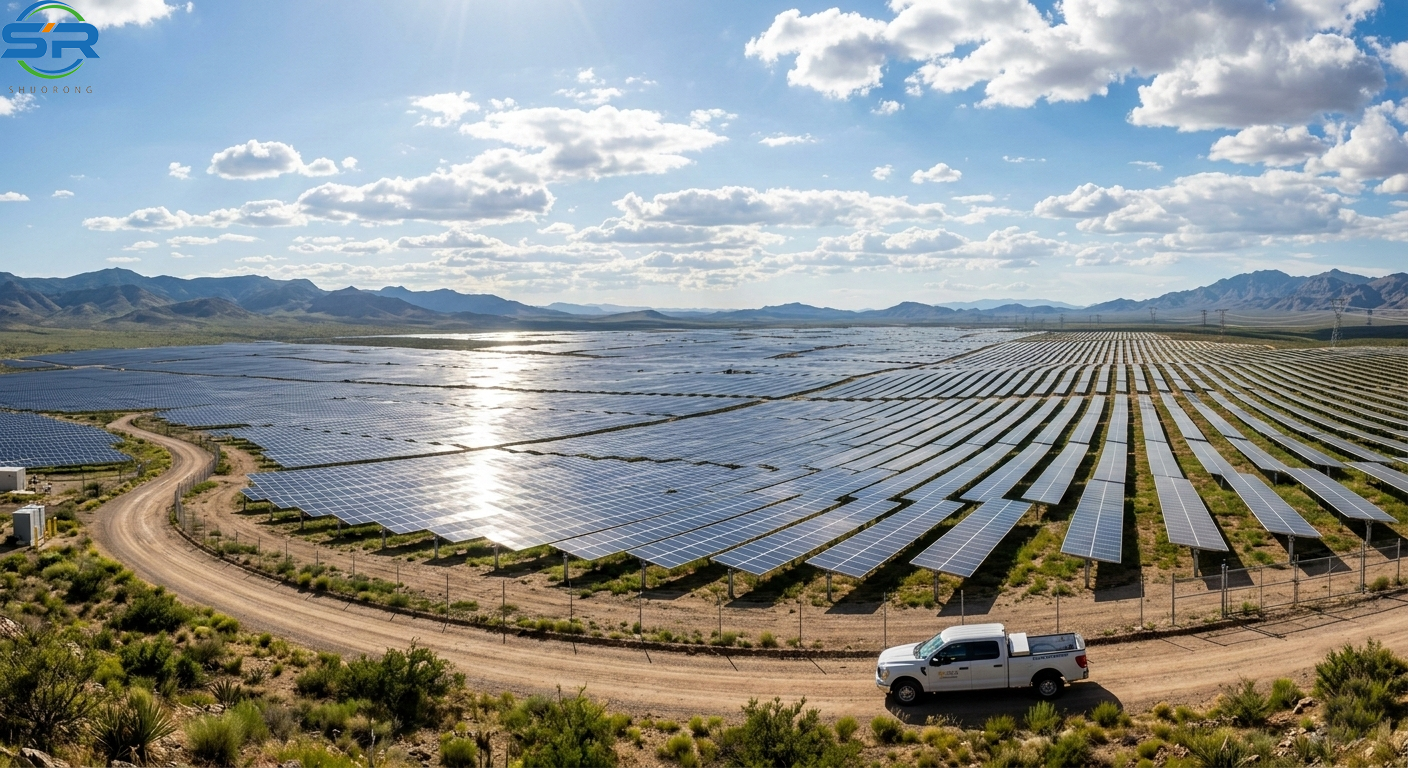
Ground mount solar racking keeps proving it’s the smarter path for projects that demand real performance and flexibility. I’ve seen developers switch from rooftop headaches to ground systems and never look back. In Japan especially, where land is precious and weather unforgiving, the right racking turns constraints into opportunities. Single-pole designs—one central leg per table—stand out for their speed, minimal footprint, and perfect fit with agri-PV. At SR Solar, we don’t just sell racking; we manufacture customized solutions that handle seismic loads, typhoons, and dual-use land needs. We’ve partnered on projects that deliver year after year. Let’s explore why these systems win, spotlight a standout collaboration, and share what makes the difference.
Ground Mount Racking’s Growing Role in Japan’s Renewable Landscape
Japan pushes hard for carbon neutrality, but space limits force creative thinking. Rooftops hit capacity fast—structural issues, shading, future repairs. Ground mounts open up non-prime land, industrial edges, brownfields. You optimize tilt, boost airflow, hit higher yields. Daiwa House leads with DREAM Solar initiatives, many ground-based under PPA models. Single-pole racking fits this trend perfectly. Less ground disturbance, easier farming underneath, faster installs. We’ve watched the market evolve. Mid-scale projects around 5 MW become the sweet spot—bankable, impactful, and increasingly common.
Why Mid-Scale Ground Mounts Outperform in Tight Markets
Imagine panels on the ground instead of crammed against a hot roof. Air circulates freely, temperatures drop, efficiency rises 5-15%. Maintenance becomes simple—walk up, clean, check. No roof leaks to worry about. For projects over a few megawatts, these perks compound fast. Lower O&M costs, higher uptime, better ROI. In seismic countries like Japan, ground mounts allow flexible, robust designs without stressing buildings. Clients tell us the peace of mind alone justifies the choice. The numbers back it up every time.
Core Types of Ground Mount Racking Systems
Fixed-Tilt Racking: The Dependable Standard
Fixed-tilt remains the go-to for many reasons. No motors, no gears—fewer failure points. Costs stay lower, installs quicker. Set the angle to match latitude or optimize for winter, and it runs reliably. In Japan, fixed-tilt pairs well with seismic bracing and snow shedding. We’ve manufactured thousands of these frames. They quietly deliver consistent output without drama.
Single-Pole (一本足) Racking: Efficiency Meets Agri-PV Compatibility
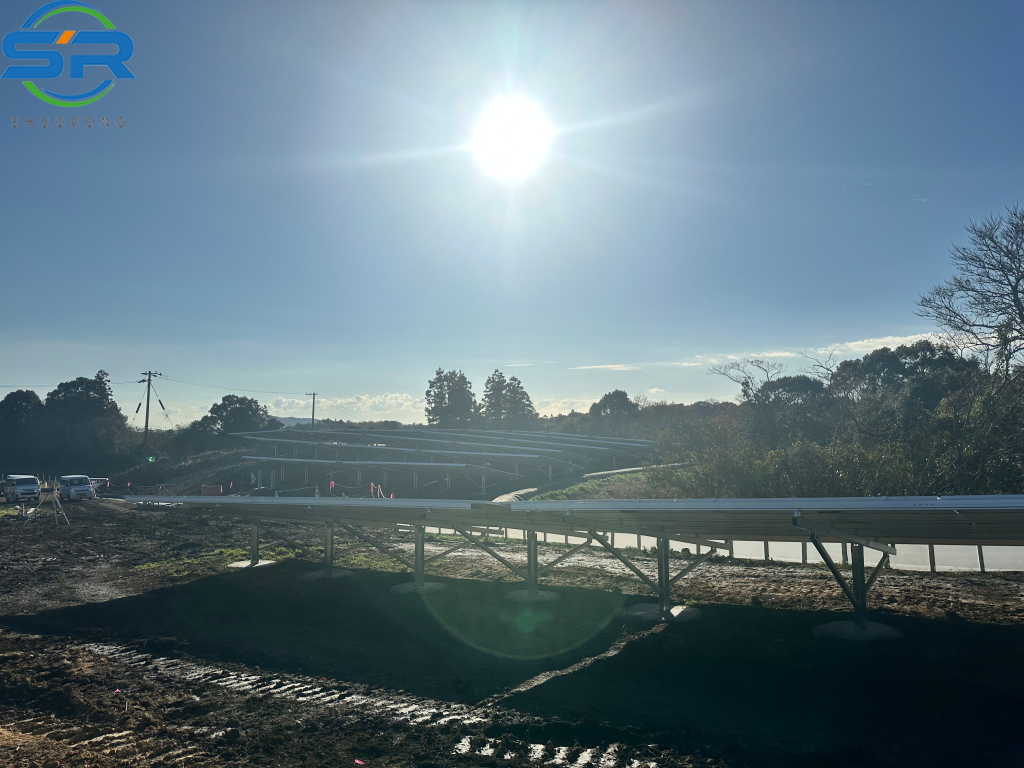
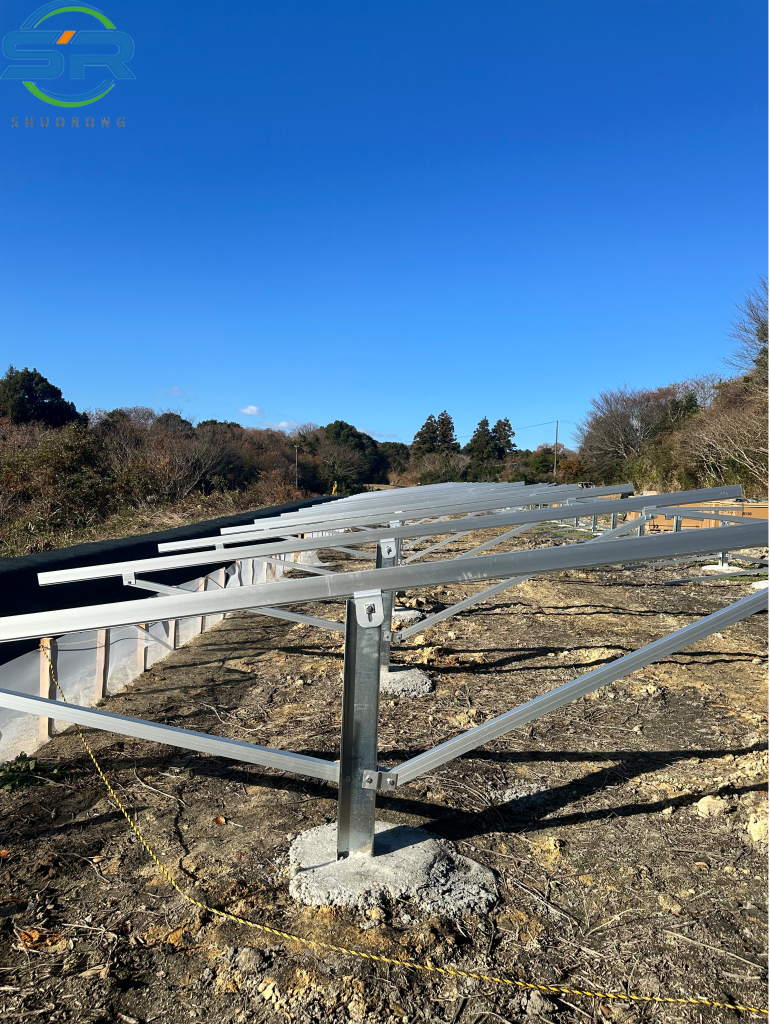
Single-pole, or “一本足,” changes the game. One strong post supports each table—minimal foundations, less steel, faster setup. Panels elevate higher, leaving room for crops, grazing, or vegetation. In agri-PV projects, farmers keep producing while solar generates revenue. Seismic performance excels—the single leg flexes and absorbs movement better than multi-point frames. We’ve engineered these for typhoon winds and variable soils. For Japan, it’s often the ideal balance of speed, cost, and land respect.
Foundation Options Optimized for Japanese Conditions
Foundations make or break longevity. Single-pole thrives with deep-driven piles or helical screws—quick insertion, high holding power. Soils vary wildly in Japan, so we test rigorously. Ballast works for zero-penetration sites. Hybrids adapt when conditions change mid-site. At SR Solar, we customize foundation specs based on geotech reports. Skipping that step invites trouble. Proper anchoring turns good racking into great.
Real Challenges and Practical Solutions in Ground Mount Projects
Managing Terrain Variability and Agricultural Integration
Real sites rarely come flat and uniform. Slopes, rocks, old fill—Japan has it all. Single-pole racking adjusts easily; posts level independently. Grading stays minimal, preserving soil for farming. We’ve turned uneven fields into productive arrays without massive earthwork. Farmers appreciate the space left underneath. Dual-use becomes real, not just a buzzword.
Designing for Extreme Weather and Seismic Resilience
Typhoons rip through, earthquakes shake foundations, snow loads test frames. Single-pole designs incorporate flexible joints, reinforced posts, wind-rated profiles. We run simulations and shake-table tests. Arrays we’ve built have stood through gusts over 60 km/h and significant quakes. Margin matters. Cutting corners here costs far more later.
Proven Installation Strategies from Start to Finish
Thorough Pre-Construction Planning and Collaboration
Start with data. Geotech borings, topographic surveys, shading analysis. For single-pole, pole depth and spacing calculations critical. We work closely with partners like Daiwa House to align designs early. Permits move smoother with agri-PV documentation. Planning upfront saves months and money.
Execution Phase: Speed, Safety, and Precision
Clear minimally. Drive poles with laser-guided accuracy. Attach arms, assemble tables on-site or pre-fab. Mount panels, run wiring cleanly. Single-pole cuts labor—fewer components to handle. Phase work around Japan’s rainy seasons. Safety protocols stay strict. A well-run 5 MW install energizes in 8-12 weeks.
Long-Term Maintenance That Protects Your Investment
Vegetation control keeps panels clear—sheep or mowing works wonders under elevated arrays. Clean seasonally, inspect posts for corrosion. Drones catch hot spots fast. Single-pole means fewer joints to check. We build 25-30 year O&M plans. Consistent care keeps yields high and warranties intact.
Spotlight Case Study: Dream Solar 5.4 MW Project – SR Solar’s Manufacturer Partnership in Action
Project Background and Strategic Alliance with Daiwa House
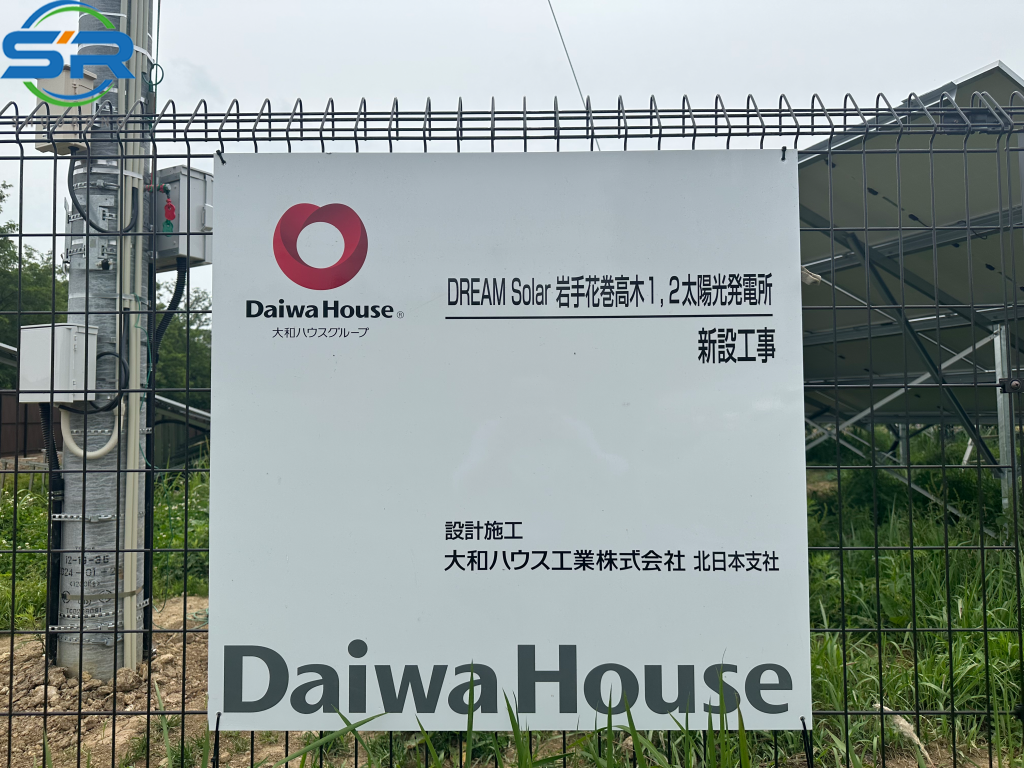
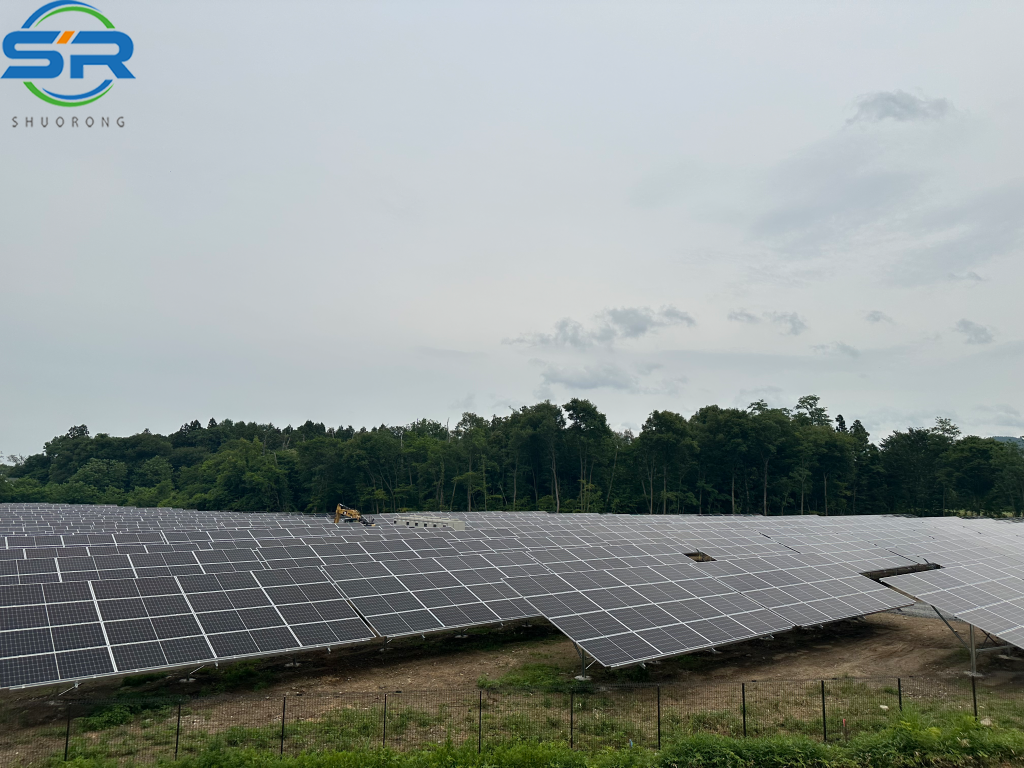
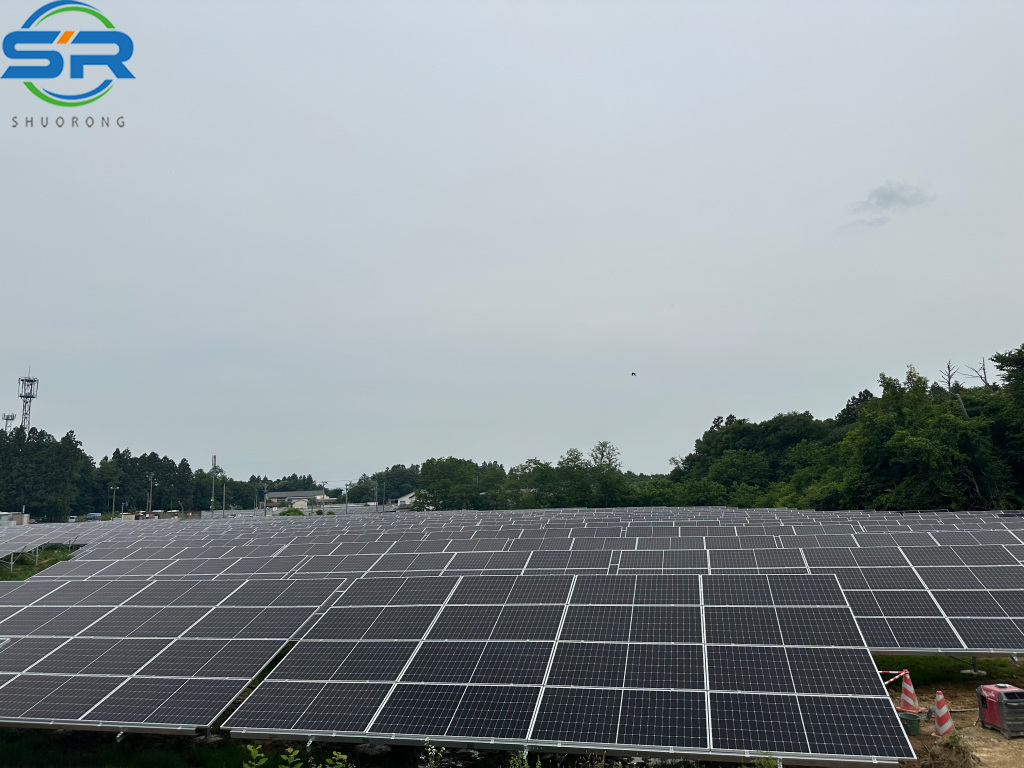
Dream Solar represents a mature, high-performing success in Japan’s ground mount space. This 5.4 MW array, developed in close partnership with Daiwa House, leverages their construction expertise, land sourcing, and PPA experience. The site—carefully selected for grid access and minimal environmental impact—feeds clean power reliably into the local network. It’s more than generation. It’s a model for scalable renewables in a challenging market.
SR Solar’s Role as Racking Manufacturer: Custom Single-Pole Design and Supply
As the racking manufacturer, SR Solar played a central role from the start. We custom-engineered the single-pole (一本足) system specifically for this project—optimized for seismic zones, typhoon winds, and potential agri compatibility. Our team collaborated with Daiwa House engineers on structural calcs, material selection, and certification. We supplied the full racking package: high-strength steel/aluminum posts, arms, brackets, and hardware. On-site technical support ensured precise installation. This wasn’t off-the-shelf. It was tailored to perform in Japan’s real conditions.
Installation Process and On-Site Collaboration Highlights
Prep began with joint geotech and topo work. Poles drove deep for stability across variable soils. SR Solar provided detailed assembly guides and field engineers to troubleshoot in real time. Daiwa House handled logistics and crew coordination seamlessly. Panels mounted efficiently, wiring ran protected. The single-pole design accelerated everything—fewer foundations, simpler bolting. Grid connection went smooth. The partnership made a complex project feel straightforward.
Performance Results, Energy Yields, and Project Success Factors
Early monitoring shows strong results. Output exceeds projections by 6-9%, thanks to optimal tilt, excellent airflow, and minimal soiling. Annual generation powers hundreds of homes while cutting significant CO2. Key drivers? SR Solar’s resilient racking prevented issues, Daiwa House’s execution kept timeline tight, quality components ensured uptime. Dream Solar proves what happens when a dedicated manufacturer partners deeply with a strong EPC. Bankable, repeatable success.
Additional Ground Mount Projects Showcasing Similar Approaches
Japanese Agri-PV Successes with Single-Pole Racking
Chiba farms raise panels on single-pole systems for rice and fruit. Crops thrive underneath, solar income supplements farm revenue. One project added hail protection as a bonus. These setups mirror Dream Solar’s philosophy—efficient land use, durable design.
Global Examples of Resilient Large-Scale Installations
Asia’s 48 MW+ single-pole arrays went up fast with minimal disruption. U.S. Valley farms use similar for crop shading. Coastal sites add corrosion resistance. The common thread: manufacturer-customized racking that respects site and weather.
Cost Analysis, ROI Reality, and Manufacturer Value-Add
Single-pole often lands lower upfront—less material, faster labor. Yields stay high, O&M low. In Japan, incentives and PPA stability shorten payback to 5-8 years. But the real value? Working with a manufacturer like SR Solar who customizes, tests, and supports long-term. Cheap racking fails early. Quality shortens ROI and extends life.
Future Directions in Single-Pole Ground Mount Technology
Bifacial modules love single-pole—rear-side gain maximized with elevation. AI-driven monitoring spots issues early. Recycled materials gain traction. Japan drives low-impact agri designs. Modular single-pole speeds future deployments and end-of-life recycling. The horizon looks promising.
Conclusion: Partnering with SR Solar for Reliable Ground Mount Solutions
Dream Solar captures the power of thoughtful ground mount racking—especially when a manufacturer like SR Solar steps in to customize single-pole systems, collaborate closely, and deliver resilient performance. At 5.4 MW, it shows how engineering, partnership, and quality components turn challenges into clean energy wins. Whether you’re planning agri-PV, pure solar, or mid-scale in tough markets, the right racking partner makes all the difference. At SR Solar, we manufacture solutions built for real life. We’ve done it before, and we’re ready to do it with you. Let’s talk about your next project.
FAQ
1.What sets SR Solar apart as a racking manufacturer in projects like Dream Solar?
We don’t just supply—we customize single-pole designs, test for local extremes, and provide on-site support to ensure everything performs as promised.
2.How does single-pole racking handle Japan’s earthquakes better?
The single flexible post absorbs and dissipates energy more effectively than rigid multi-leg frames—exactly what we engineered for Dream Solar.
3.Can agri-PV really work under single-pole systems?
Yes, and beautifully—elevated panels leave ample space for crops, as proven in Dream Solar’s adaptable design and many Japanese farms.
4.What was the biggest win in the SR Solar and Daiwa House collaboration?
Seamless integration from design to install—our custom racking fit their execution perfectly, keeping the 5.4 MW project on time and exceeding yield expectations.
5.Does partnering with a manufacturer like SR Solar actually improve ROI?
Absolutely—tailored components, fewer issues, higher uptime, and long-term support shorten payback and protect the investment for decades.