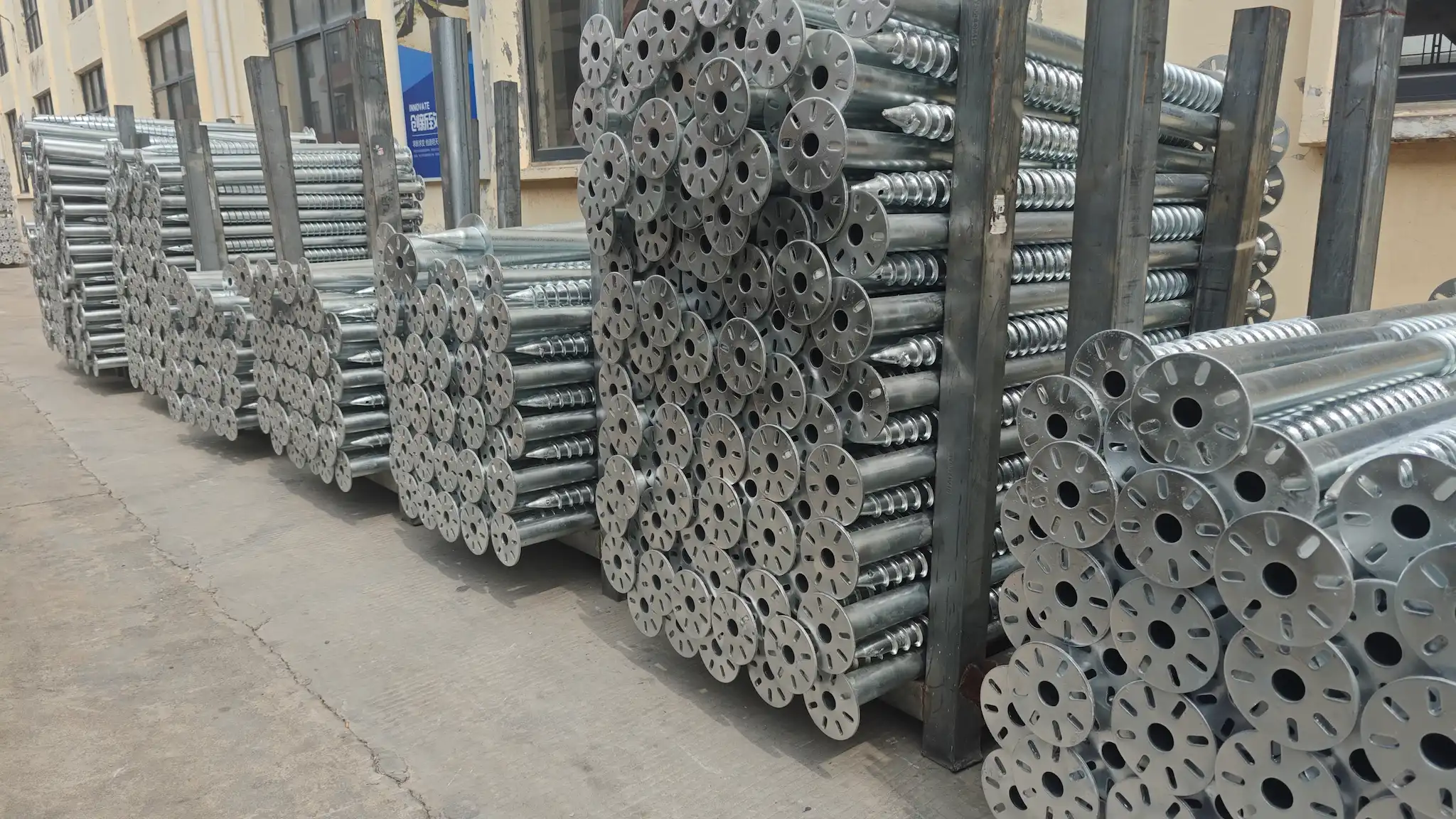
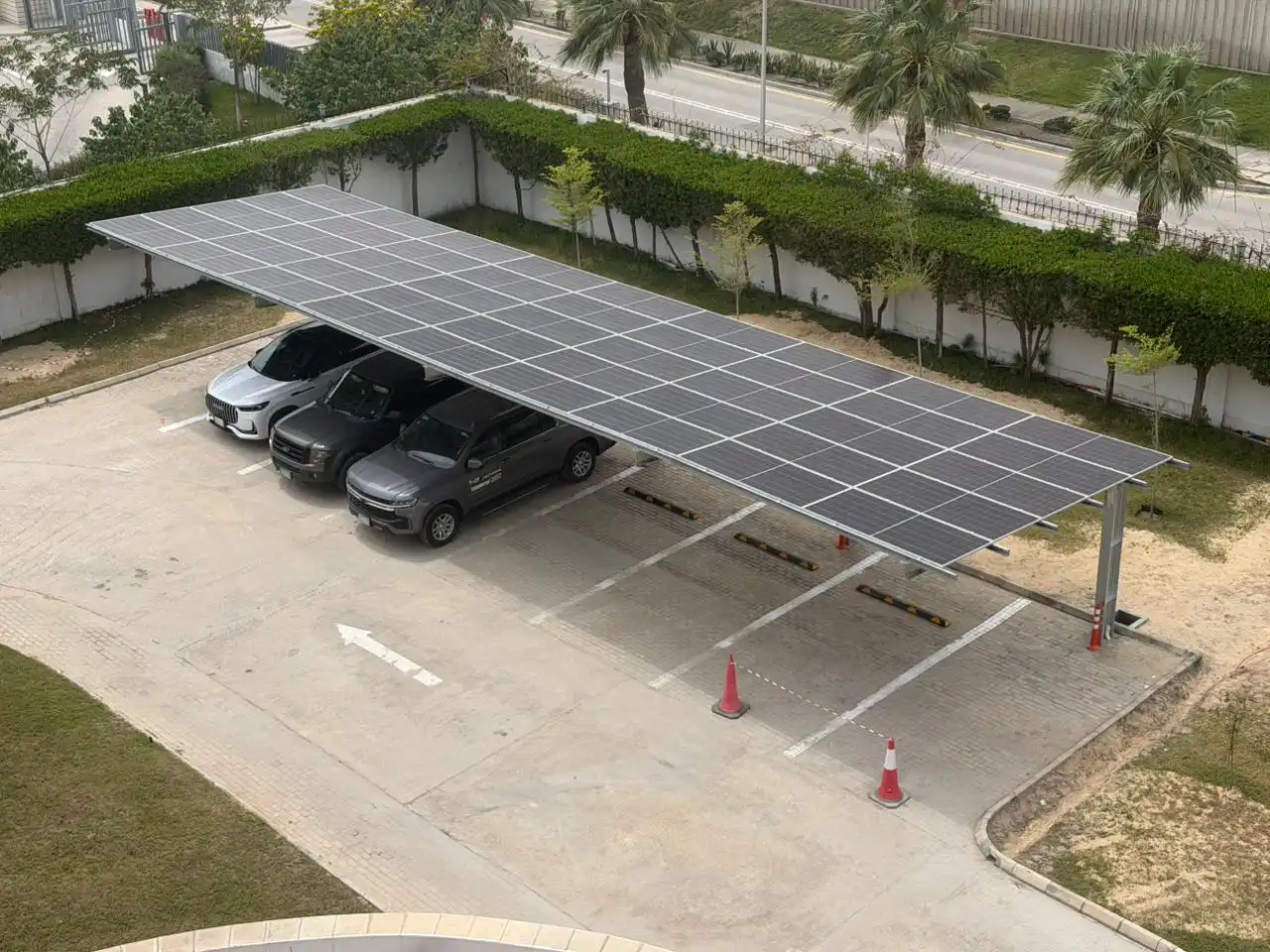
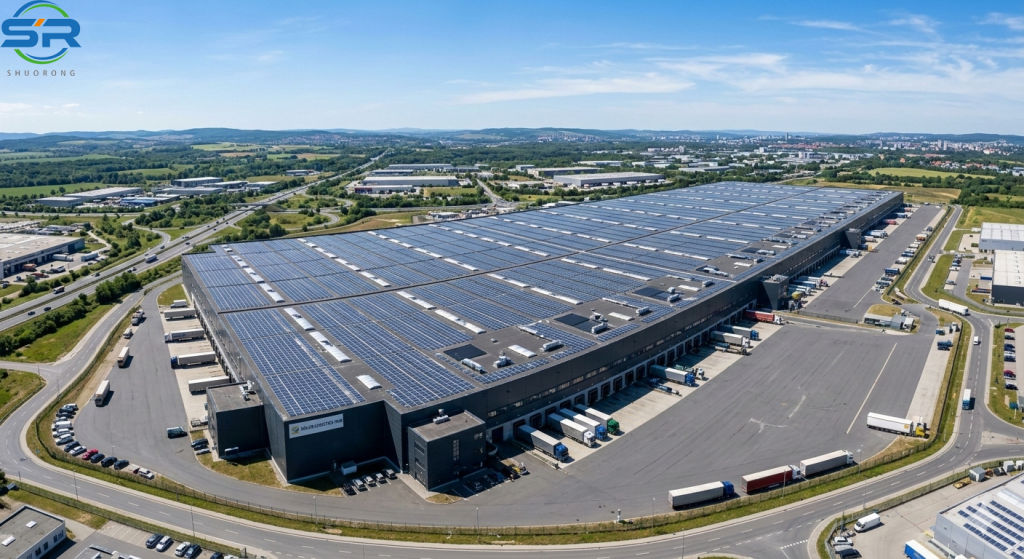
Let’s be honest for a second. If you’re running a large-scale commercial or industrial facility, that massive expanse of metal or concrete above your head is usually just a line item under “maintenance.” It’s a cost center. But what if I told you that you’re literally sitting—or working—under a gold mine? When we talk about how to power up with a solar roof, we aren’t just talking about slapping some blue panels on a building. We are talking about transforming underutilized industrial airspace into a sophisticated, high-yield power plant. At SR Solar, we’ve seen firsthand how a well-executed solar roof can shift a company’s entire financial trajectory. It’s about energy autonomy, sure, but it’s also about smart engineering that protects your primary asset: the building itself.
Why Your Roof is More Than Just a Shelter
For years, the roof was just there to keep the rain off the machinery. Now, in the era of skyrocketing utility rates and ESG (Environmental, Social, and Governance) mandates, the roof is the most valuable real estate you own. When you decide to power up with a solar roof, you are essentially locking in your energy costs for the next quarter-century. Think about that. While your competitors are sweating over the next grid price hike, your SR Solar-mounted system is quietly churning out “free” electrons. It’s a hedge against inflation that actually pays dividends. We like to think of it as turning a passive shelter into an active revenue generator.
The High Stakes of Choosing the Right Mounting System
I’ve seen a lot of projects go south because someone tried to save a few pennies on the mounting hardware. It’s a classic “penny wise, pound foolish” scenario. The panels are the “brains” of the operation, but the mounting system? That’s the skeleton. If the skeleton is weak, the whole thing collapses when the first big storm rolls through. To truly power up with a solar roof, you need a foundation that can handle the vibration, the thermal expansion, and the sheer weight of a commercial-scale array. If you don’t trust the rack, you shouldn’t trust the ROI.
Material Science: Why AL6005-T5 and ZAM Steel Matter
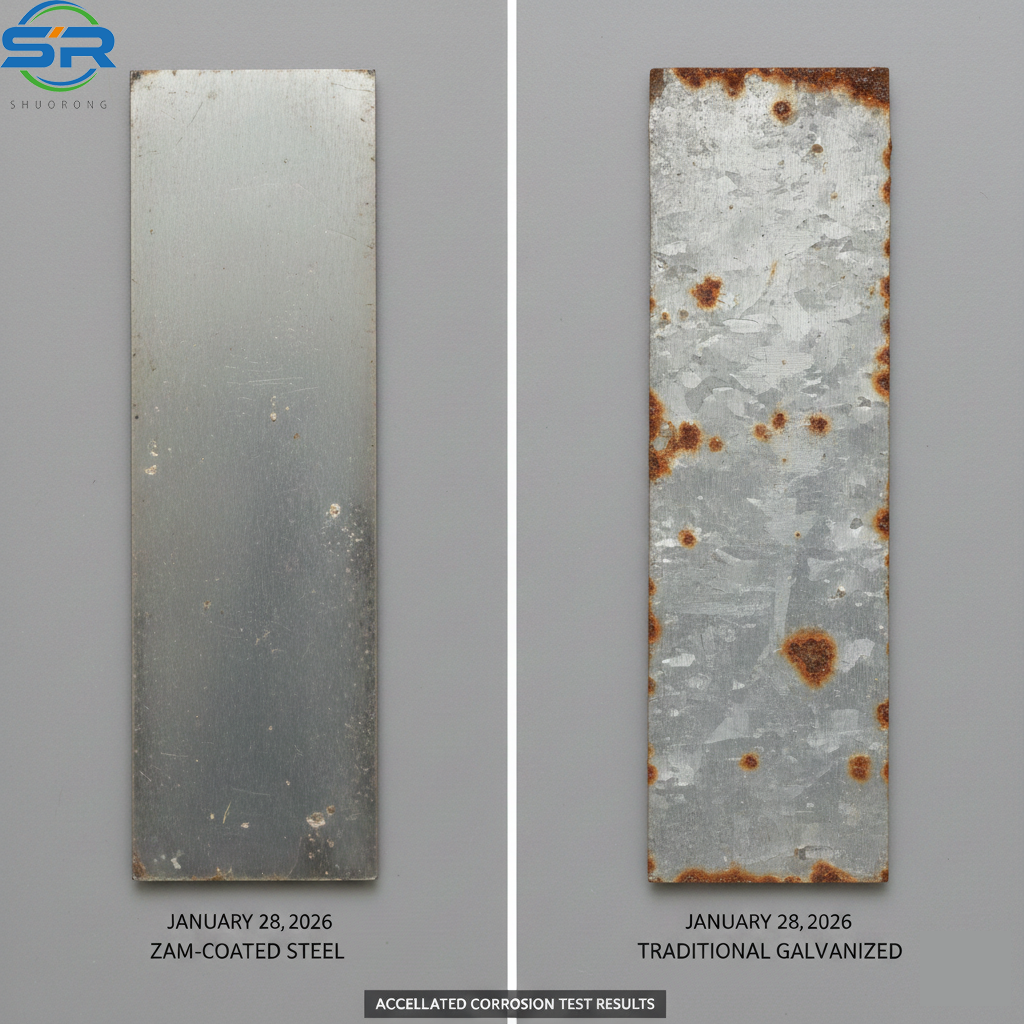
At SR Solar, we don’t play around with mid-grade materials. We almost exclusively use AL6005-T5 Aluminum and ZAM (Zinc-Aluminum-Magnesium) coated steel. Why? Because the air on an industrial roof is often harsh—filled with pollutants or salt if you’re near the coast. AL6005-T5 gives you that perfect balance of being lightweight (to save your roof’s structural capacity) and incredibly strong. Meanwhile, ZAM is like the superhero of coatings; it’s self-healing. If it gets a scratch during installation, the magnesium in the coating actually migrates to protect the exposed steel. That’s how you get a 25-year lifespan without breaking a sweat.
Winning the War Against Corrosion
Corrosion is the silent killer of solar projects. You might not see it in year one, but by year ten, a rusty bracket can compromise the entire electrical grounding of your system. When you power up with a solar roof using our specialized components, you’re getting hardware designed for the long haul. We’ve tested our rail systems in salt spray chambers for thousands of hours. We want our partners to sleep soundly knowing their “power plant” isn’t going to flake away into rust.
Engineering for the “What-Ifs”: Wind Loads and Structural Integrity
Let’s talk about wind. A solar array on a roof is basically a giant sail. If the engineering isn’t spot-on, a heavy gust can lift the whole system right off the deck. This is where we get a bit “nerdy” at SR Solar, but it’s for your protection. We don’t just guess. We use Finite Element Analysis (FEA) and wind tunnel data to ensure every clamp and rail can withstand the specific pressures of your location. Whether you’re following AS/NZS 1170 in Australia or JIS C 8955 in Japan, our systems are built to exceed those codes. We calculate localized stress points so that the load is distributed evenly across your roof’s purlins.
The Math Behind the Magic: Wind Tunnel Testing and FEA
You might ask, “Is all that math really necessary?” Absolutely. When we design a layout, we account for things like “edge effects”—where wind speed actually increases at the corners of a building. By using $P = q \cdot G \cdot C_p$, we determine the exact pressure (P) each module will face. We don’t just throw on extra weight; we place the strength exactly where it’s needed. This precision engineering is what allows us to offer such high safety margins without adding unnecessary bulk to your roof.
Versatility is Key: One Size Never Fits All
Every industrial roof has its own personality. Some are “easy” trapezoidal metal, while others are complex standing seam designs or flat concrete pads. To effectively power up with a solar roof, you need a mounting partner that doesn’t just have one hammer and treats every roof like a nail. We’ve developed a massive catalog of clamps and racking solutions because we know that a warehouse in Thailand has different needs than a factory in Germany.
Trapezoidal and Standing Seam: To Penetrate or Not?
This is the big question for metal roofs. If you have a trapezoidal roof, our mini-rail systems are a dream—they’re fast, light, and cost-effective. But what if you have a premium standing seam roof? You probably don’t want to punch thousands of holes in it. That’s where our non-penetrative clamps come in. They grip the seam with incredible force without ever breaking the “skin” of the building. It keeps the warranty of your roof intact while still letting you power up with a solar roof. It’s the ultimate “have your cake and eat it too” solution.
Ballasted Systems for Flat Roofs: Keeping it Steady Without the Holes
For those flat concrete roofs common in urban industrial parks, we often go the ballasted route. Instead of drilling into the slab, we use aerodynamic wind deflectors and concrete blocks to hold the system down. It relies on gravity and smart airflow to stay put. It’s a non-invasive way to get a massive solar footprint. Plus, it’s remarkably fast to install because you aren’t waiting for a drill bit to chew through six inches of reinforced concrete every three feet.
The Hidden Cost Killer: Speed of Installation
In the B2B world, time isn’t just money; it’s everything. If an EPC (Engineering, Procurement, and Construction) firm spends three weeks on a roof instead of two, their profit margin evaporates. That’s why at SR Solar, we are obsessed with “Soft Costs.” These are the costs that aren’t the hardware itself, but the labor and logistics surrounding it. When you choose to power up with a solar roof using our gear, you’re choosing a system designed by people who have actually been on a roof in the sun.
Pre-Assembled Kits: How SR Solar Saves You 40% on Labor
We do as much work in the factory as possible so your team doesn’t have to do it on the roof. Our mid-clamps and end-clamps come pre-fitted with bolts and “spring-in” nuts. Our rail connectors click together like Lego sets. It sounds simple, but when you’re installing 5,000 modules, saving 30 seconds per clamp adds up to hundreds of man-hours. We’ve seen installers reduce their on-site time by up to 40% just by switching to our pre-assembled kits. That’s a huge competitive advantage for any contractor.
Future-Proofing Your Investment for Next-Gen Modules
The solar industry moves fast. Panels are getting bigger, heavier, and more efficient (hello, bifacial modules!). A mounting system that worked five years ago might struggle with the massive surface area of today’s 600W+ modules. When we help you power up with a solar roof, we ensure the rails are spaced and rated for these “big boys.” We also ensure there’s enough clearance for bifacial panels to catch reflected light from the roof surface, maximizing your total energy yield. Don’t build a system that’s obsolete by the time the ribbon-cutting ceremony happens.
Wrapping it Up: Your Path to Energy Autonomy
At the end of the day, a solar roof is a declaration of independence. It’s a way for a business to take control of its own destiny in an uncertain energy market. But that independence is only as strong as the metal holding it to the roof. By partnering with SR Solar, you aren’t just getting boxes of aluminum; you’re getting an engineering department, a high-tech supply chain, and a structural guarantee. We’re here to make sure that when you decide to power up with a solar roof, that roof stays powered up for decades. Ready to turn that empty space into your best-performing asset? Let’s build something that lasts.
FAQ About Solar Roofs
1. Will installing a solar roof cause my warehouse to leak?
Not if it’s done right! For standing seam roofs, we use non-penetrative clamps that don’t make any holes at all. For trapezoidal roofs, our attachments use high-grade EPDM rubber gaskets that create a watertight seal better than the original roof screws.
2. How much extra weight will the solar system add to my roof?
Our aluminum systems are surprisingly light. During our technical review, we check your roof’s structural capacity to ensure it can handle the dead load of the panels and the live load of the wind.
3. Can SR Solar provide custom designs for roofs with lots of HVAC equipment?
Absolutely. We don’t just sell “off-the-shelf” rails. Our engineering team can create a customized CAD layout that works around your vents, skylights, and AC units to ensure you get the maximum number of panels without shading issues.
4. How long does the mounting system actually last?
We design our systems for a 25-year service life, matching the warranty of most Tier-1 solar panels. Using materials like AL6005-T5 and ZAM steel ensures the structure won’t be the “weak link” in your energy investment.
5. What is the biggest advantage of SR Solar’s pre-assembled components?
Labor savings. Because our clamps and connectors come ready to use out of the box, your installation crew spends less time fiddling with small parts and more time actually laying panels. This speeds up the project timeline and lowers your total cost of installation.