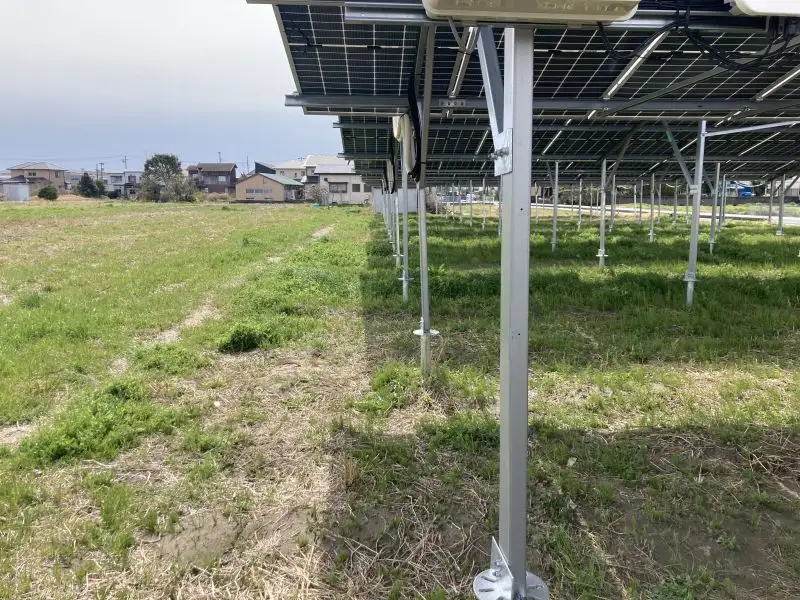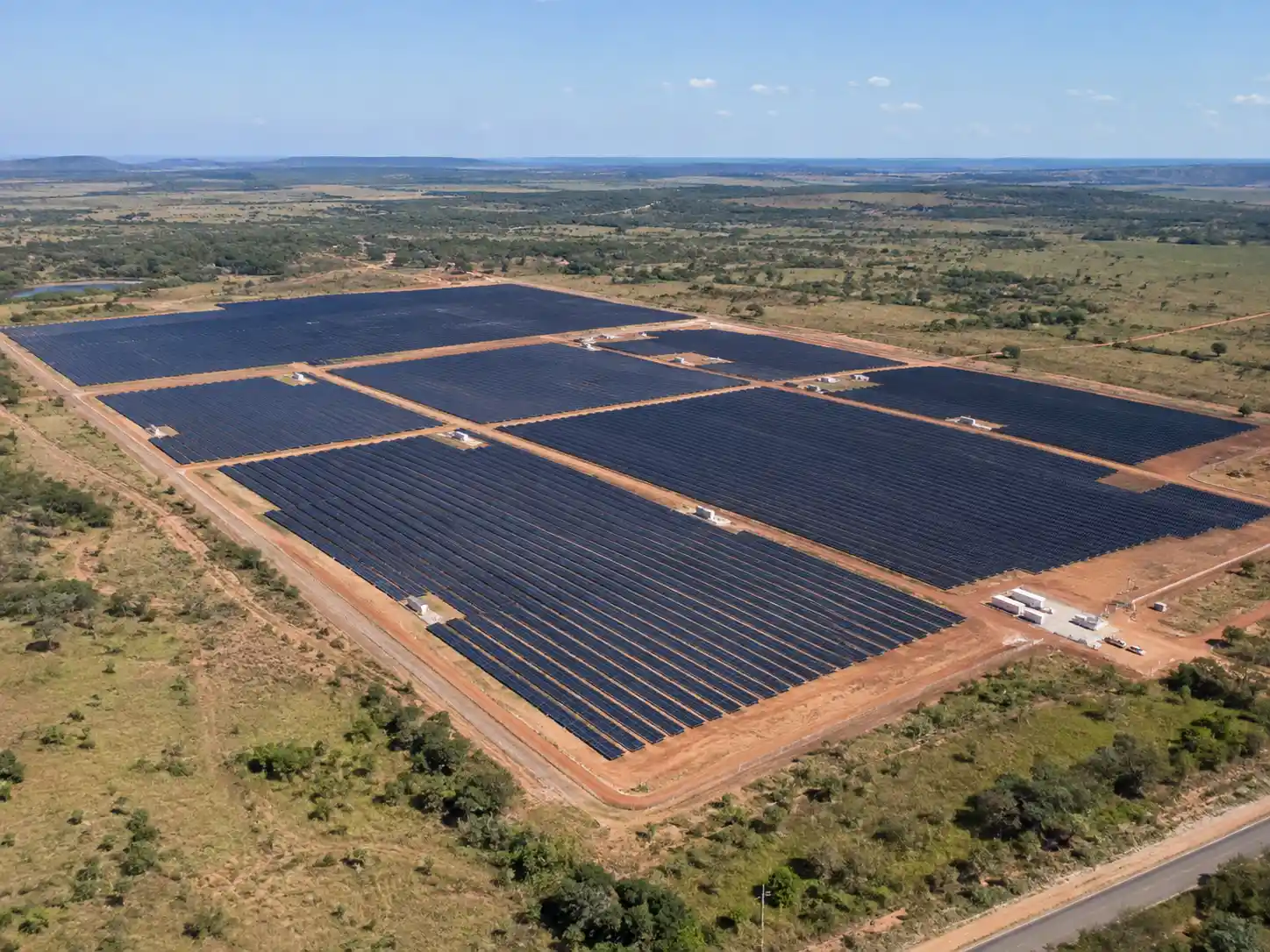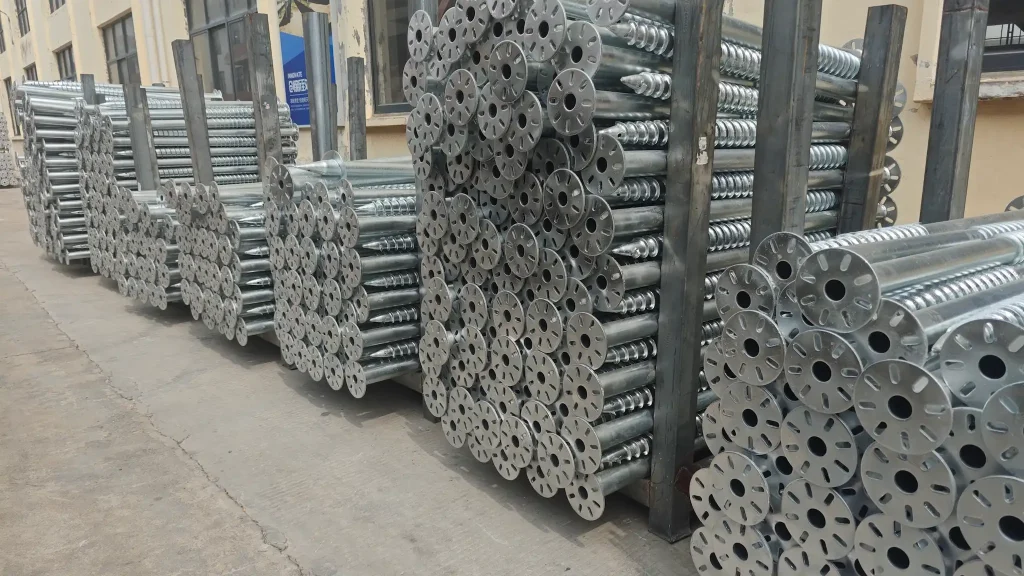
A foundation ground screws system is a fast, concrete-free foundation solution that uses galvanized steel screws driven deep into the ground to support decks, sheds, timber buildings, utility-scale solar mounting systems, and other structures. Compared with traditional concrete foundations, ground screws eliminate excavation and concrete curing, allowing projects to move from foundation installation to construction much faster while keeping the site clean and undisturbed.
For EPC contractors and builders, faster installation means shorter project timelines and lower labor costs. Ground screws are installed by rotating the screw deep into stable soil, where the helical blades create a strong, secure anchor. Suitable for everything from compact clay and rocky ground to loose sand, they provide immediate load-bearing capacity while minimizing ground disturbance, making them a practical foundation solution for a wide range of construction and solar projects.
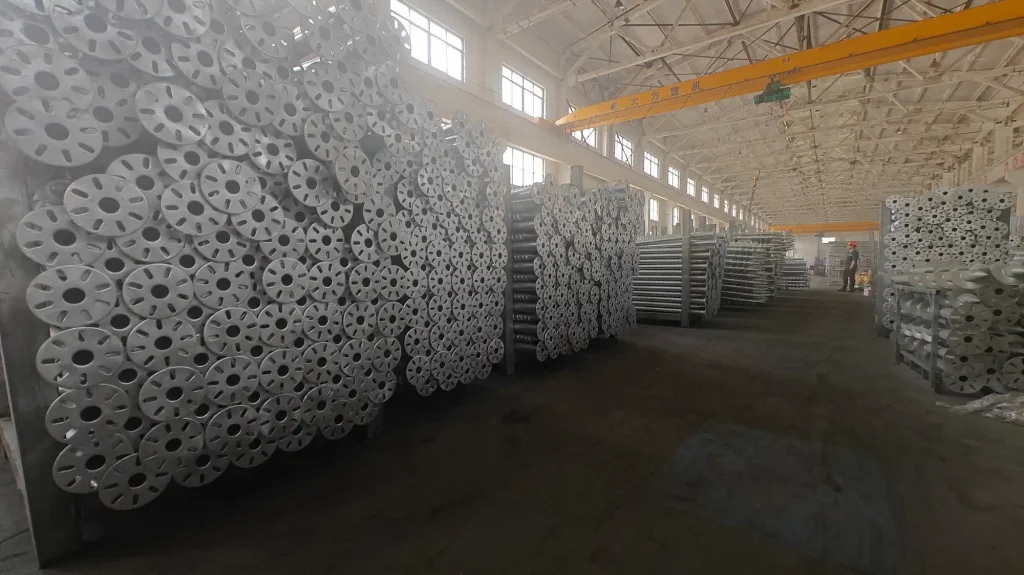
How Foundation Ground Screws Work
Ground screws provide a fast and efficient alternative to traditional concrete foundations. Instead of digging holes and pouring concrete, steel ground screws are driven directly into the soil to create a strong, stable foundation that is ready for immediate use.
1. No Digging and No Concrete
Traditional foundations often require excavation, concrete pouring, and days of curing before construction can begin. Ground screws eliminate these steps. Using hydraulic or handheld installation equipment, the screws are driven directly into the ground with minimal site disturbance, reducing labor, cleanup, and construction time.
2. Deep and Secure Anchoring
As the screw rotates into the soil, the helical blades grip the surrounding ground to create a strong mechanical anchor. This design provides excellent load-bearing capacity and pull-out resistance across a wide range of soil conditions, making ground screws suitable for residential, commercial, and utility-scale solar projects.
3. Ready for Immediate Construction
Unlike concrete foundations that require curing time, ground screws are ready to support structures as soon as installation is complete. Decks, sheds, timber buildings, and solar mounting systems can be installed immediately, helping contractors keep projects on schedule.
Key Benefits of Foundation Ground Screws
Ground screws are becoming the preferred foundation solution for EPC contractors, installers, and project developers because they reduce installation time, lower labor costs, and minimize environmental impact.
Eco-Friendly with Minimal Site Disturbance
Ground screws require no concrete and very little excavation, helping preserve the natural landscape. They generate less construction waste and can be completely removed and recycled at the end of a project’s life, making them an environmentally responsible foundation option.
Reliable in Almost Any Weather
Concrete work can be delayed by freezing temperatures, rain, or poor site conditions. Ground screws can be installed throughout the year, including in winter and frozen ground, helping projects stay on schedule and reducing weather-related delays.
Adjustable and Reusable
If the ground is uneven, ground screws can be adjusted during installation to achieve the required level. If a structure needs to be relocated or removed in the future, the screws can be unscrewed and reused, providing greater flexibility than traditional concrete foundations.
Selecting the Right Foundation Ground Screws
Choosing the right ground screws depends largely on soil conditions. Different ground types require different screw designs to achieve the best stability, load-bearing capacity, and long-term performance.
Standard Foundation Ground Screws
Standard ground screws feature a single helical blade near the tip, making them easy to install in firm ground.
Best for:
- Compact soil
- Clay
- Gravel
- Rocky ground
Their narrow profile allows the screw to penetrate dense soil with less installation resistance, making them an ideal choice for hard ground conditions.
Multi-Flange Foundation Ground Screws
Multi-flange ground screws use two or more helical blades to increase the contact area between the screw and the surrounding soil.
Best for:
- Soft soil
- Loose sand
- Farmland
- Wet or silty ground
The larger bearing surface provides higher pull-out resistance and better stability in weak soil, helping prevent settlement and improving long-term foundation performance.
Tip: Selecting the right ground screw is just as important as choosing the right foundation. A proper soil investigation helps determine which screw profile will deliver the safest and most cost-effective solution.
Engineering Considerations
The long-term performance of ground screws depends not only on the screw design but also on material quality, corrosion protection, and proper installation.
Corrosion Protection
Because ground screws remain underground for decades, corrosion protection is essential.
Hot-Dip Galvanized Steel (HDG) is the most common choice, providing excellent durability for most soil conditions.
For highly corrosive environments, such as coastal or high-salinity areas, ZAM-coated steel offers even greater corrosion resistance and helps extend service life.
Designed to International Standards
High-quality ground screws are typically designed and manufactured in accordance with internationally recognized standards, including:
- AS/NZS 1170
- JIS C 8955
- Eurocode
- IBC
These standards help ensure structural safety and reliable performance under different environmental conditions.
Common Mistakes When Selecting Foundation Ground Screws
Even high-quality foundation ground screws can underperform if the wrong design is selected or installed incorrectly.
Skipping Soil Investigation
Choosing ground screws without understanding the soil conditions is one of the most common mistakes. A geotechnical report helps determine the correct screw type, installation depth, and expected load capacity.
Choosing the Wrong Screw Profile
Standard ground screws perform well in hard ground, while multi-flange designs are better suited to soft or loose soil. Selecting the wrong profile may reduce foundation stability and increase the risk of settlement.
Improper Installation
Ground screws should be installed using the correct equipment and to the required depth. Proper installation ensures the foundation achieves its designed load-bearing capacity and long-term reliability.
Custom Foundation Ground Screws Solutions from SR Solar
Choosing the right ground screws is about more than selecting a product. It requires the right engineering support to match your project requirements, soil conditions, and structural loads. With over 20 years of experience in solar mounting systems and steel structures, SR Solar provides customized ground screw solutions for utility-scale solar, commercial, and civil construction projects.
Engineering Support Based on Your Soil Conditions
Simply provide your geotechnical report, project drawings, and design requirements. Our engineering team will recommend the most suitable ground screw type, length, diameter, and installation solution based on your site’s soil conditions and structural loads.
Custom Manufacturing for Every Project
SR Solar manufactures standard and multi-flange ground screws in a wide range of sizes and specifications. We also provide customized flange designs, lengths, and corrosion protection options using high-quality Q235B or Q355B steel with durable hot-dip galvanizing or ZAM coating to meet different project requirements.
Designed for Fast Installation
Our ground screws are compatible with most hydraulic installation equipment and solar mounting systems, helping contractors reduce installation time, lower labor costs, and improve overall project efficiency.
Summary
Ground screws provide a faster, cleaner, and more sustainable alternative to traditional concrete foundations. With no excavation, no concrete curing, and immediate load-bearing capacity, they help shorten construction schedules while minimizing site disturbance.
Choosing the right ground screw profile is equally important. Standard ground screws perform best in hard and compact ground, while multi-flange designs provide greater stability in soft or loose soil. By selecting the right solution based on a geotechnical report, contractors can improve foundation performance, reduce project risks, and lower long-term construction costs.
Frequently Asked Questions
How deep should ground screws be installed?
Installation depth typically ranges from 1.2 m to more than 3 m, depending on soil conditions, structural loads, and local frost depth. A geotechnical investigation helps determine the correct installation depth for each project.
Can ground screws be installed in rocky ground?
Yes,Ground screws can be installed in many rocky or hard soil conditions. If necessary, pilot holes can be drilled before installation to improve efficiency and ensure secure anchoring.
Which type of ground screw is better for soft soil?
Multi-flange ground screws are generally recommended for soft soil, loose sand, or farmland because the additional helical blades create a larger contact area with the surrounding soil, providing higher pull-out resistance and better long-term stability.
How long do ground screws last?
The service life depends on soil conditions and corrosion protection. Hot-dip galvanized ground screws commonly provide 25 years or more of reliable performance, while ZAM-coated products offer even greater corrosion resistance in highly corrosive environments.
Do ground screws require heavy installation equipment?
Not always. Large solar projects typically use hydraulic installation machines for maximum efficiency, while smaller commercial or residential projects can often be installed using compact portable equipment.
Need the Right Ground Screws for Your Next Project?
Every project has different soil conditions and structural requirements. SR Solar’s engineering team can help you select the right ground screws based on your geotechnical report, project drawings, and design specifications.
Whether you need standard or multi-flange ground screws for a utility-scale solar farm, commercial building, or other ground-mounted structure, we’ll provide a customized solution designed for long-term performance and cost-effective installation.
Contact SR Solar today to discuss your project and request a customized quotation.