Solar farms keep showing up on the landscape, and honestly, it’s thrilling to watch. These aren’t just patches of panels; they’re massive engines turning free sunlight into grid-ready power. At SR Solar, as a dedicated solar farm racking system manufacturer, we build the frameworks that keep those panels locked in place through windstorms, snow loads, and scorching heat. We’ve customized countless large-scale setups, tweaking every angle and height so projects hit their yield targets without constant headaches. If you’re scouting for a reliable solar farm racking system manufacturer who gets customization right, stick around—this guide walks through the basics while showing why racking isn’t an afterthought.
I remember one early project where we rolled up to a site that looked perfect on paper—flat, sunny, grid-close. But the soil told a different story. Without the right custom mounts, it would’ve been a nightmare. That’s the stuff that keeps us up at night and drives what we do every day.

What Really Is a Solar Farm?
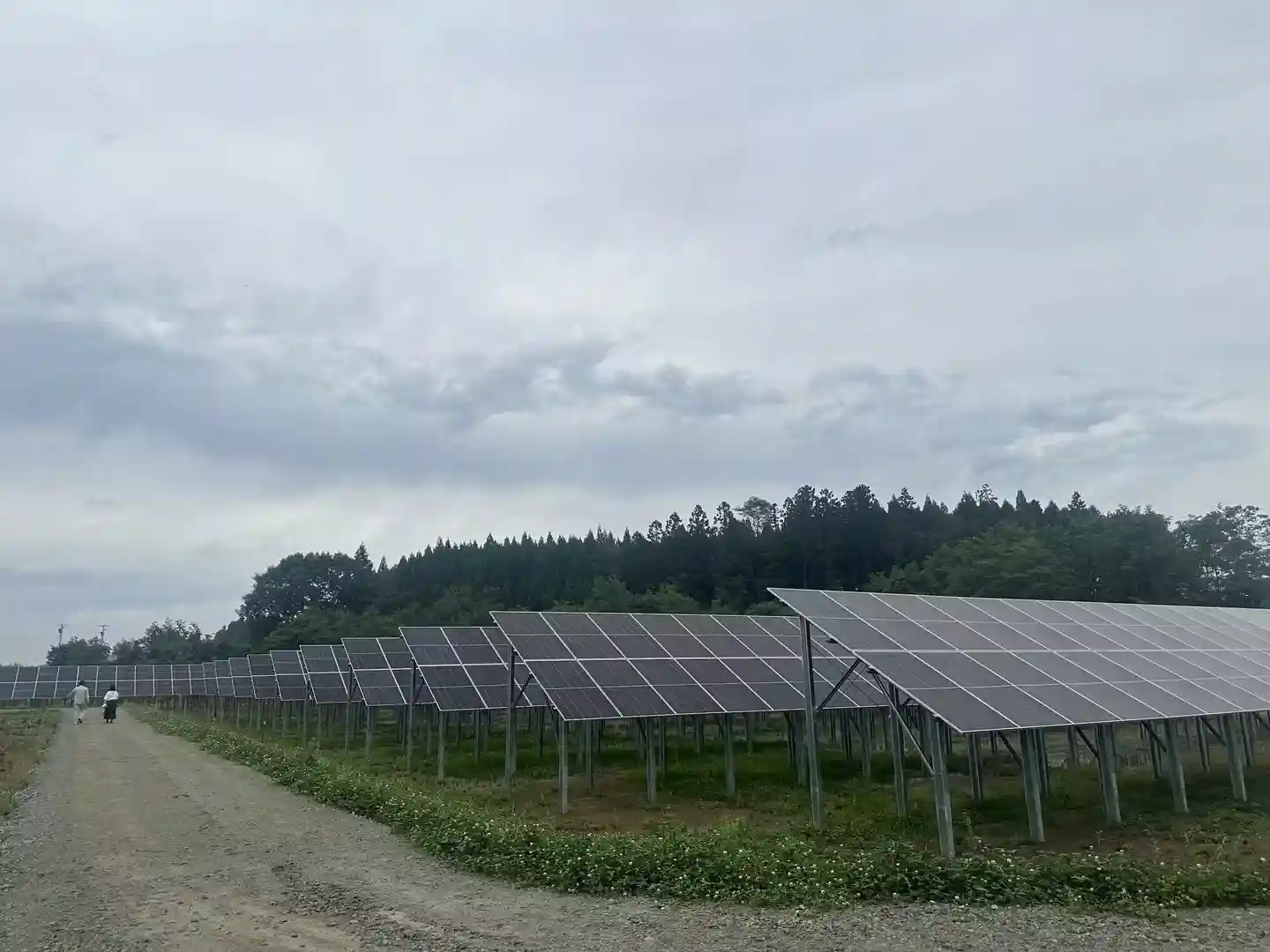
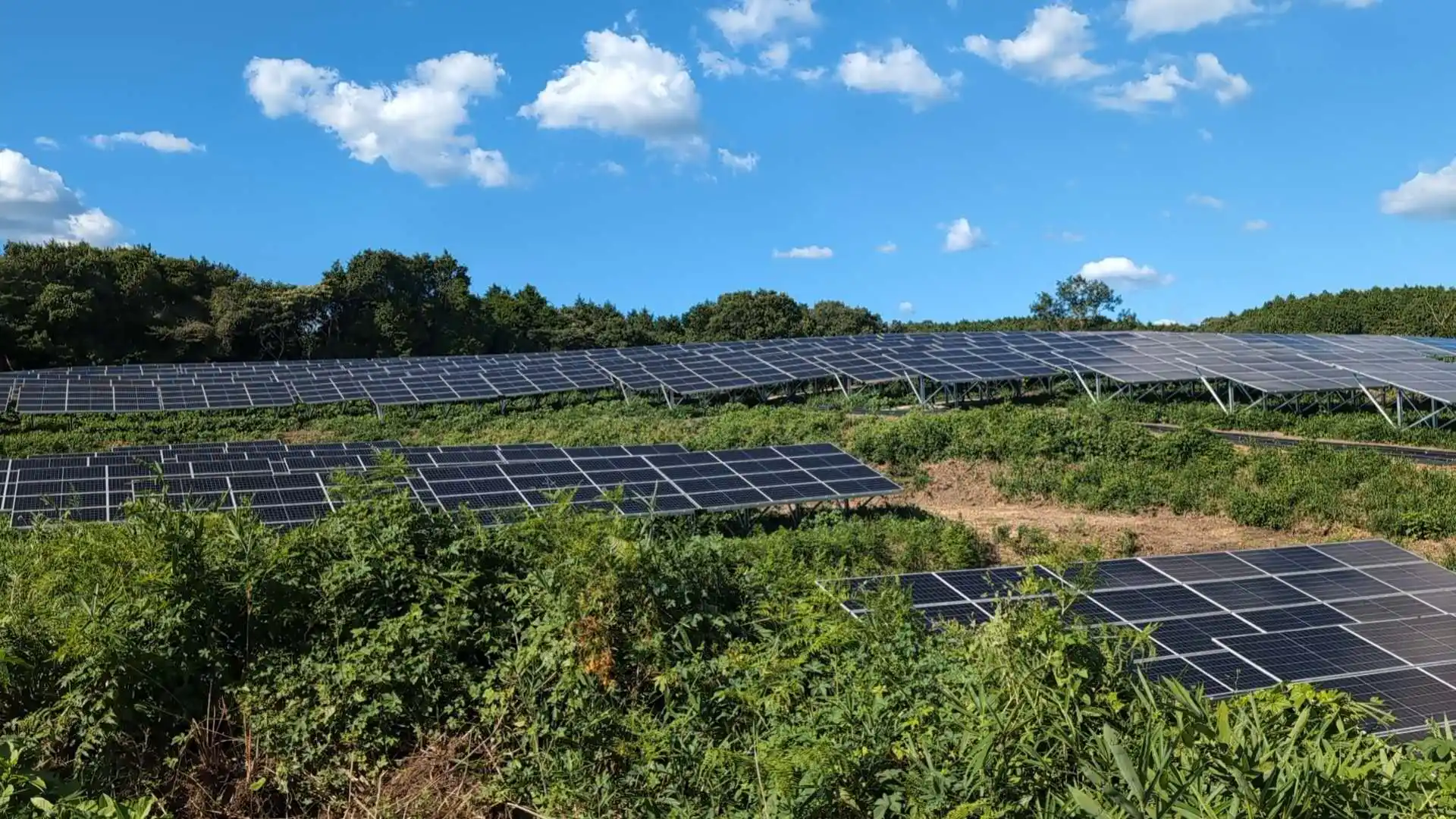
Picture acres of ground-mounted solar panels soaking up rays like giant leaves. A solar farm—sometimes called a solar park or PV power station—collects sunlight across a big area and feeds clean electricity straight to the grid. Unlike your home rooftop setup, these beasts focus on scale, often cranking out megawatts to power neighborhoods, factories, or entire towns.
The panels do the magic: photons hit cells, electrons get excited, current flows. Inverters convert it to usable AC, transformers step it up, and boom—power hits the lines. Simple in theory, brutal in execution when you’re talking thousands of panels. We’ve seen farms start small and balloon because developers realize the potential once the foundation (literally) is solid.
Breaking Down the Different Types of Solar Farms
Not all solar farms look alike. Size and purpose split them into clear camps, and each needs different racking approaches.
Utility-Scale Solar Farms – The Heavy Hitters
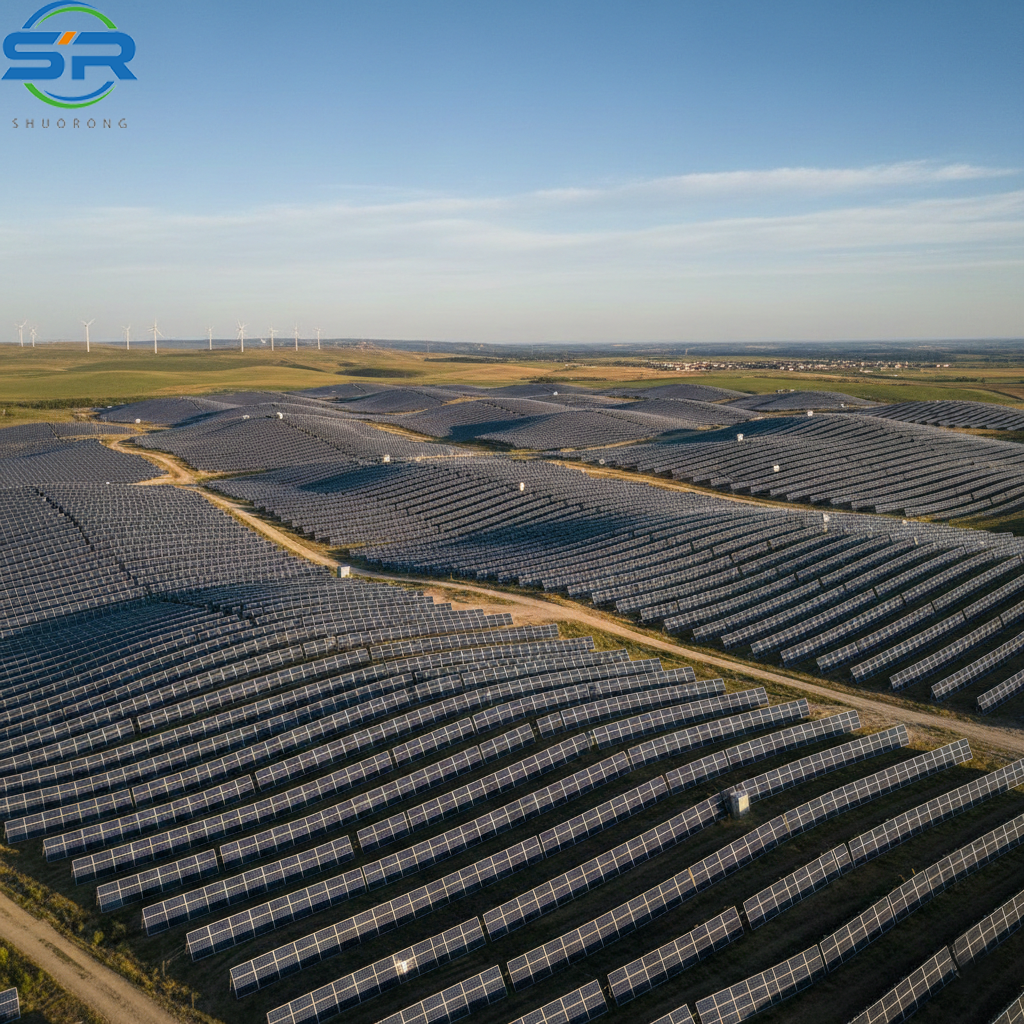
These monsters usually top 5 MW, sometimes hitting hundreds. Utilities or big developers run them, selling wholesale power. They’re built for max efficiency—think vast fields where every panel counts toward lowering grid costs.
We love these projects. They push engineering limits, and our custom solar farm racking shines here, handling high winds or seismic zones while keeping install times tight.
Community Solar Farms – Power for the People
Smaller, often 1-5 MW, these let folks without rooftops subscribe and get bill credits from the shared output. Renters, businesses, schools—everyone benefits.
It’s rewarding work. SR Solar tailors lighter-duty but still rock-solid racking so these farms pop up faster on community-approved sites.

How Solar Farms Turn Sunlight into Serious Electricity
Sunlight slams into panels, photovoltaic cells absorb it, freeing electrons for DC flow. Inverters flip DC to AC. Wiring bundles it, transformers boost voltage, substations connect to the grid.
Tracking systems follow the sun in some setups; fixed ones stay put. Cleaning and monitoring keep output high. From our vantage, racking dictates 90% of long-term performance—misaligned panels lose yield fast.
We’ve debugged farms where cheap racking shifted after one bad season. Lesson learned: invest upfront in quality solar farm racking systems.
The Real Benefits of Going Big with Solar Farms
These projects deliver on multiple levels. We’ve watched communities transform.
Cutting Emissions and Helping the Planet Breathe Easier
Zero emissions while running. They displace coal or gas, slashing CO2 big time. Many add pollinator strips or sheep grazing underneath—land gets dual use.
It’s not greenwashing; it’s measurable impact. One farm we supported offset thousands of tons yearly. Feels good knowing the steel we bend helps the air stay cleaner.
Dollars and Sense – Economic Upsides That Stick
Jobs flood in during build-out—construction, wiring, maintenance. Landowners pocket lease checks for decades. Subscribers save on bills; utilities stabilize supply.
For developers, solid racking cuts O&M costs. Our designs minimize repairs, boosting ROI. In 2026’s market, with storage pairing up, farms hedge against price swings beautifully.
Picking the Right Terrain for Your Solar Farm
Terrain decides feasibility more than people admit.
Flat, Sunny Spots: The Dream Setup
Open, level land under 5% slope, south-facing if possible. Minimal shading, good sun hours, grid nearby. Farmland or brownfields often win—no heavy clearing needed.
These sites install quickest. We’ve done dozens where grading was barely required, saving serious cash.
Conquering Tough or Uneven Land Without Breaking the Bank
Hilly? Rocky? We’ve got you. Modern solar farm racking system manufacturers like us engineer adjustable or terrain-following mounts. Less grading means lower environmental hit and faster permits.
Skip flood plains or wetlands. Proximity to transmission lines matters hugely. SR Solar turns “impossible” sites into winners with custom solutions.
Racking Systems: The Unsung Hero Holding Everything Together
Panels look pretty, but racking keeps them alive. It sets angles, fights corrosion, survives 150 mph gusts.
In big farms, it affects yield, install speed, lifespan. Skimp here, pay forever.
Fixed-Tilt Racking vs. Solar Trackers – Pros, Cons, and When to Choose
Fixed-tilt stays simple—lower cost, fewer parts, reliable. Great for stable sites.
Trackers chase the sun, bumping output 15-30%. More energy, but motors and maintenance add up.
We guide clients honestly. Many pick fixed for speed; trackers for max production in sunny zones.
Why Custom Solar Farm Racking Wins for Large Projects
Generic stuff fails under real stress. Custom fits exact soil, wind, panel specs. SR Solar, as a leading solar farm racking system manufacturer, builds steel or aluminum systems—fixed, adjustable, even agrivoltaic-ready.
We factor seismic, corrosion, fast install. Clients tell us it cuts headaches and boosts confidence.
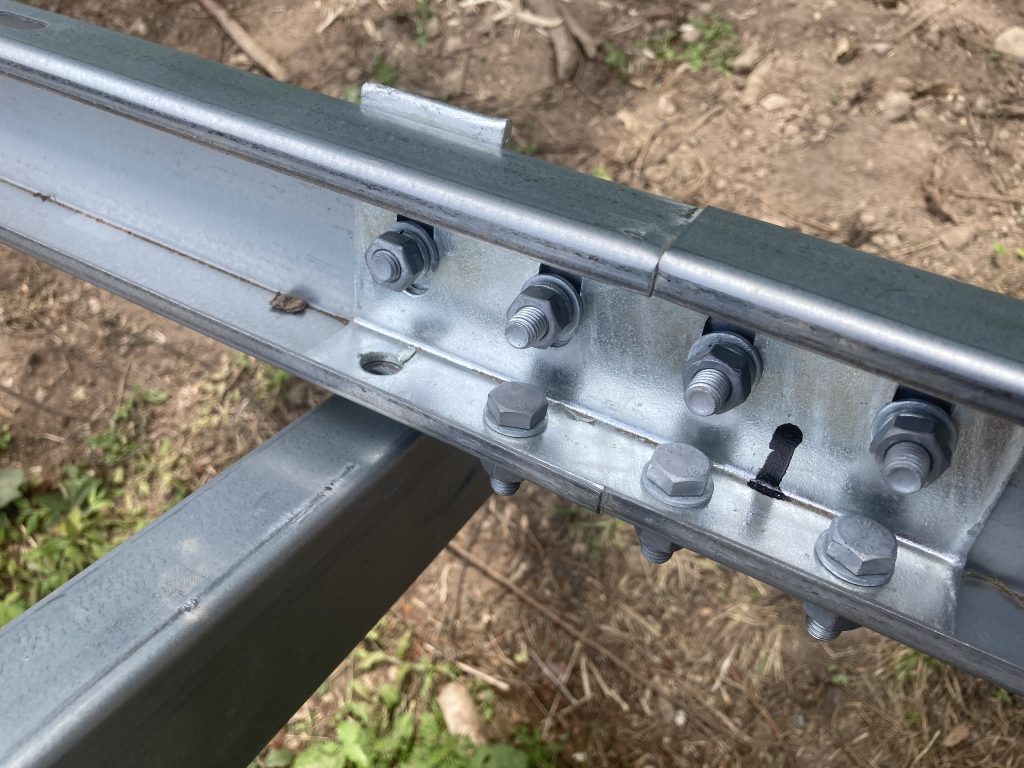
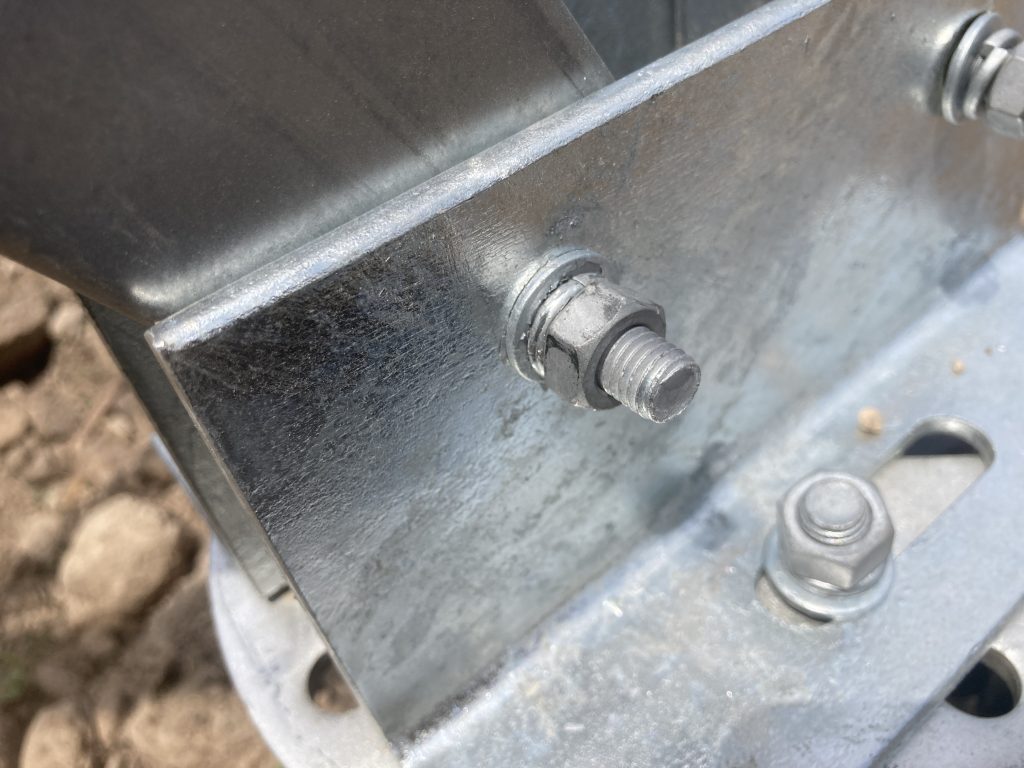
Meet SR Solar – Custom Solar Farm Racking System Manufacturer You Can Count On
We’re SR Solar, and we’re all in on large-scale solar. Our shop cranks out tailored racking that matches your vision—durable, efficient, built to last decades.
From design sketches to site delivery, we obsess over details. High-wind zones? Reinforced beams. Uneven ground? Adaptive legs. We’ve got the capacity and know-how to scale with you.
If you’re eyeing a utility or community project, hit us up. We turn “what if” into “it’s done.”
Stories from the Field: What We’ve Learned Building Real Solar Farms
One windy Midwest site—panels were shaking like leaves. We redesigned with extra bracing; zero issues since.
Another on rocky terrain: standard piles wouldn’t bite. Custom screw foundations saved grading and kept the schedule.
Biggest takeaway? Listen to the site. Racking isn’t one-size-fits-all. At SR Solar, we adapt fast, so you don’t lose months or money.
These stories aren’t just anecdotes—they’re why developers keep coming back.
Solar farms are changing how we power everything, blending clean energy with smart economics. The key? A backbone that doesn’t budge. As your go-to solar farm racking system manufacturer, SR Solar delivers custom solutions that make big projects smoother, stronger, and more profitable. If you’re planning one, let’s chat—we’re ready to build something epic.
FAQ
What exactly makes a solar farm different from regular rooftop solar? Solar farms sit on the ground in large arrays, generating megawatts for the grid instead of a single building. They need heavy-duty racking to handle scale, weather, and terrain—something a good solar farm racking system manufacturer like SR Solar customizes perfectly.
How do I know if my land suits a solar farm? Look for flat or gently sloped sunny spots with grid access and no major shading. Tougher terrain works with adaptive racking; we’ve turned rocky or hilly sites profitable many times.
Are solar farms good for the environment beyond just clean power? Yes—they cut emissions massively and often support wildlife or farming underneath. Pollinator habitats or sheep grazing add extra value without hurting output.
Fixed-tilt or tracking racking—which should I pick for my project? Fixed-tilt keeps costs and maintenance low—ideal for most. Trackers boost yield in high-sun areas but add complexity. We help crunch numbers based on your site and goals.
Why go custom instead of off-the-shelf solar farm racking? Custom fits your exact needs—soil type, wind loads, panel layout—reducing risks and maximizing energy. As a specialized solar farm racking system manufacturer, SR Solar ensures it lasts and performs, saving you big long-term.