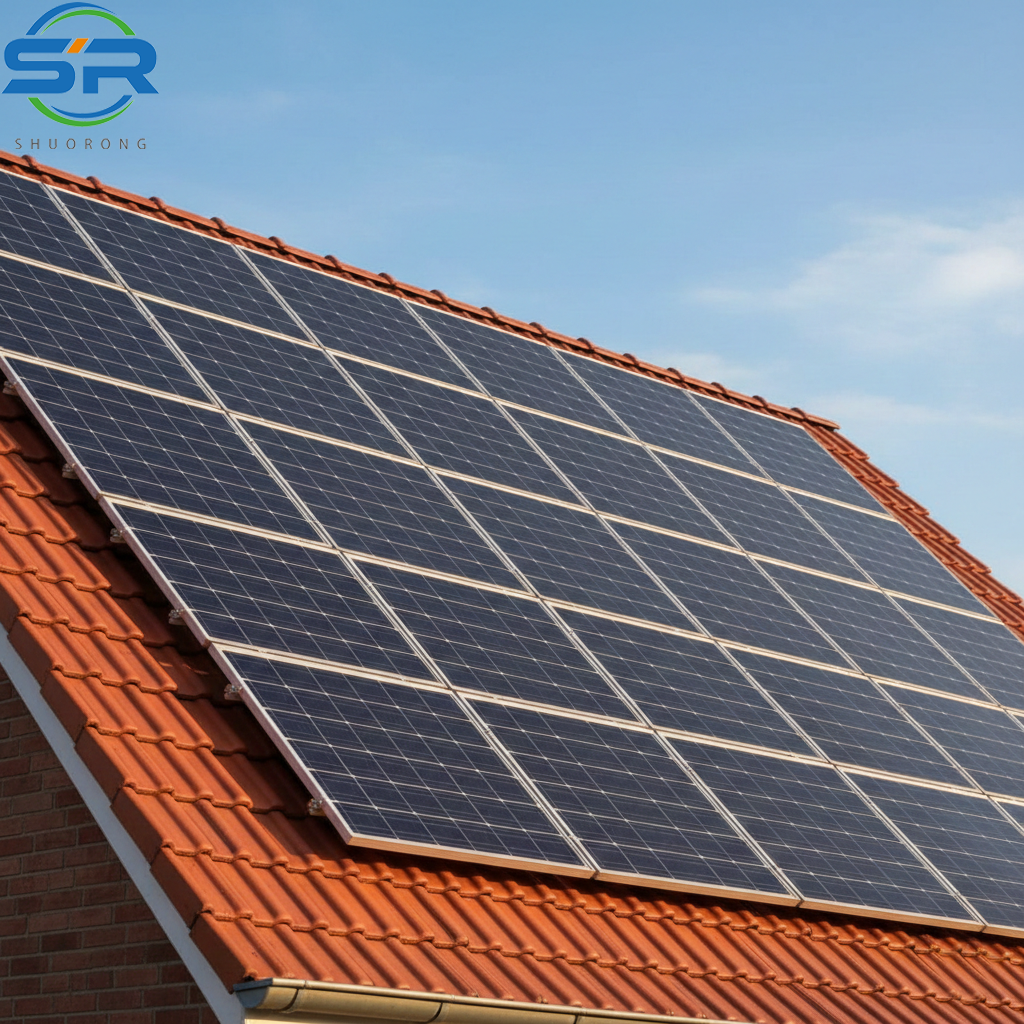
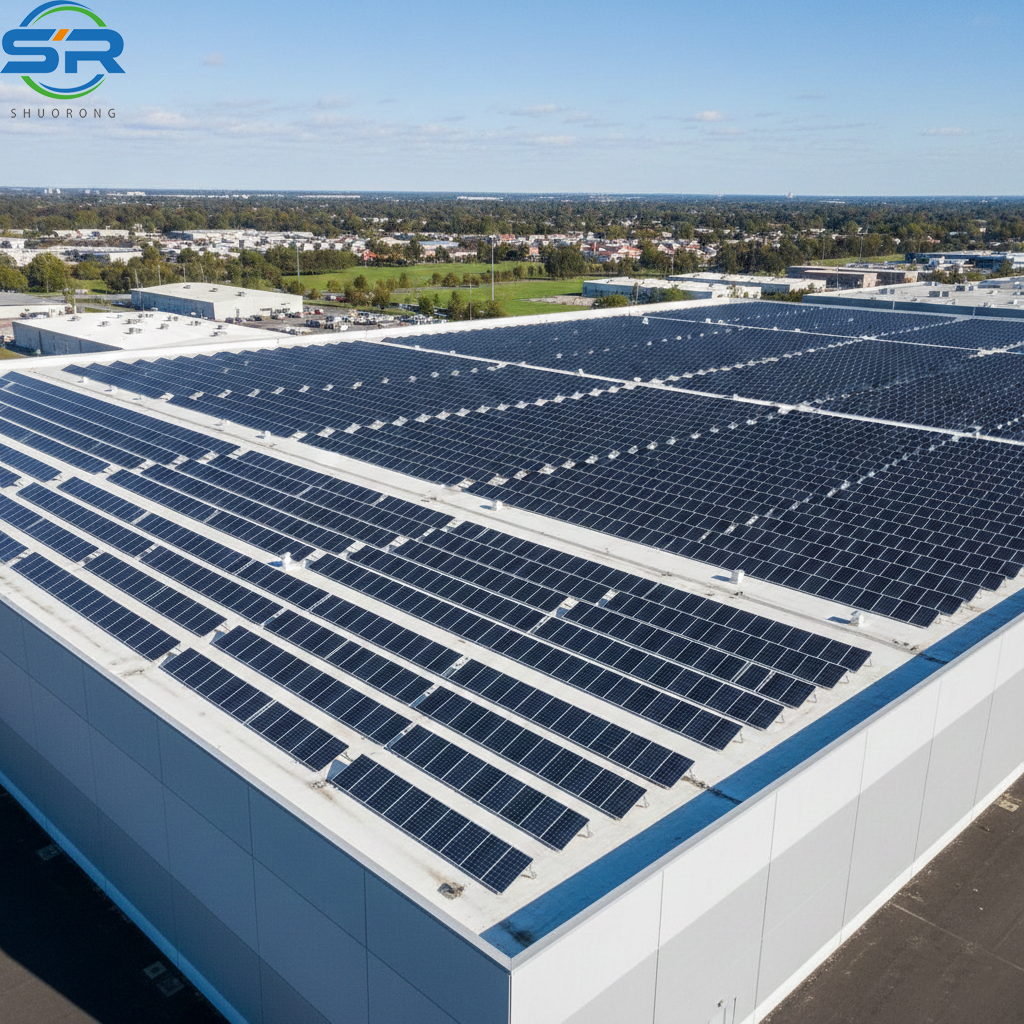
When you’re planning a solar ground mounting system with carbon steel, the big question hits pretty quick: should you go with C-type steel or U-type steel for those iron brackets? Both are solid choices in carbon steel setups, but they aren’t interchangeable. At SR Solar, we’ve built hundreds of ground mounts, and honestly, picking the wrong one can quietly eat into your budget or make installation a headache. C steel often feels like the workhorse for big utility projects, while U steel brings that quick-and-easy vibe for distributed setups. Let’s break it down honestly so you can choose what actually fits your next solar ground mounting system.
Carbon steel remains king for solar ground mounting systems because it delivers unbeatable strength at a price that aluminum just can’t touch, especially when wind loads or large arrays come into play. But within carbon steel, the real magic happens in the profile choice—C-type or U-type. We’ve seen projects soar with the right pick and struggle when someone forced the wrong one. So, what’s the real difference in a solar ground mounting system carbon steel context?
Why Carbon Steel Dominates Solar Ground Mounting Systems
Think about it—your ground mount has to hold dozens or hundreds of panels steady through storms, heat cycles, and years of exposure. Carbon steel, especially hot-dip galvanized, laughs at corrosion better than you might expect, and its raw strength lets engineers design longer spans with fewer supports. We’ve watched aluminum struggle in high-wind zones where carbon steel just stands firm.
Sure, aluminum is lighter and never rusts, but for large-scale solar ground mounting, the cost per kilowatt usually favors carbon steel. In 2026, with steel prices stabilizing and galvanization tech improving, more EPCs are doubling down on carbon steel brackets. The debate isn’t steel vs aluminum anymore—it’s often C vs U within carbon steel itself.
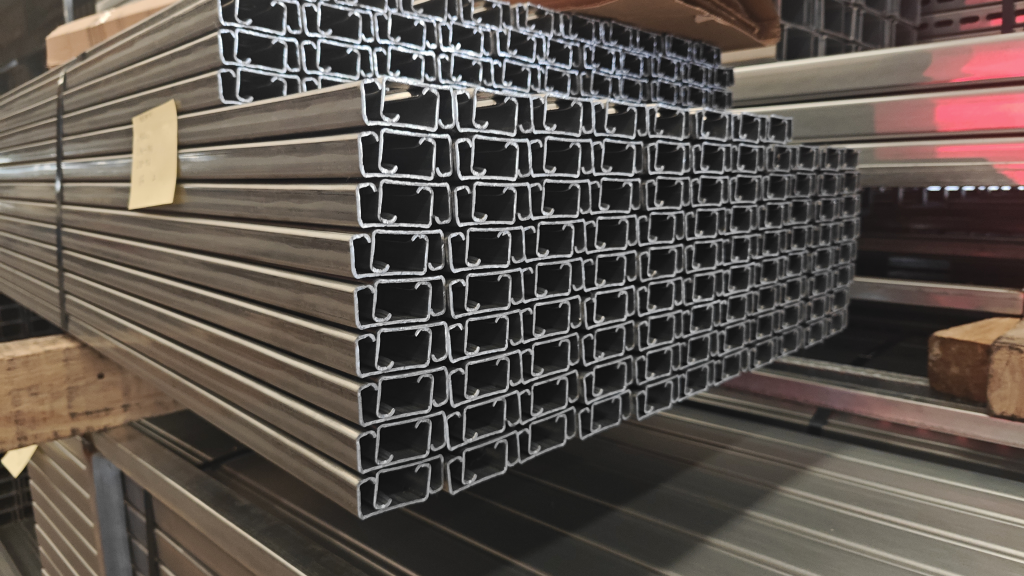
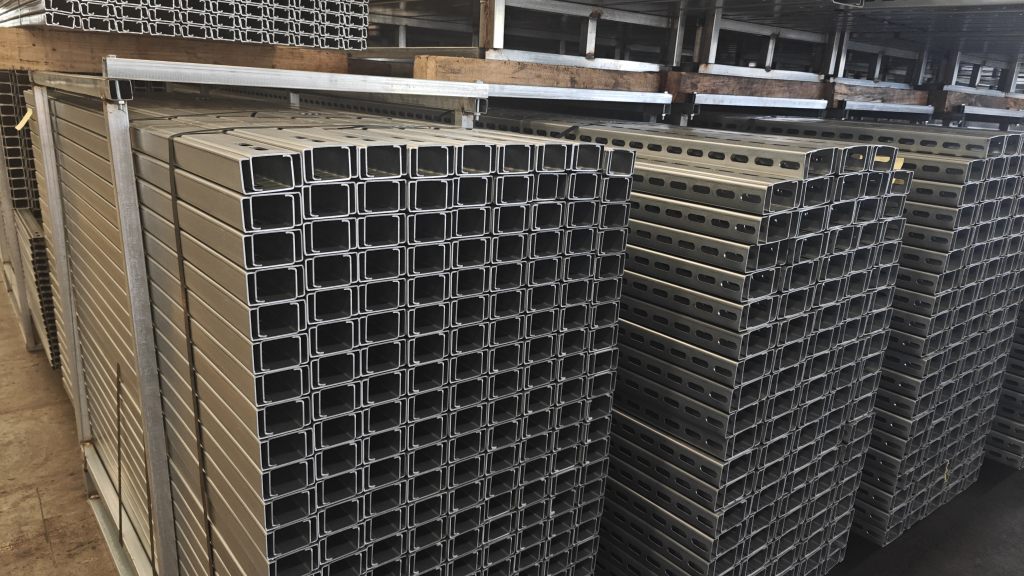
Understanding C-Type Steel in Solar Ground Mounts
C-type steel gets its name from that classic “C” cross-section, complete with inward lips for extra rigidity. It’s cold-formed, which means custom punching holes exactly where your project needs them. That customization is gold for big arrays.
Common Dimensions and Thicknesses for C Steel
In real solar projects, we see C1206020, C1005020, C804010, and smaller C604010 popping up most often. Wall thickness usually lands between 1.5mm to 2.5mm—1.8mm or 2.0mm hits the sweet spot for most ground mounts. Thicker walls add strength without ballooning weight too much.
These sizes let engineers push spans further, which cuts down on posts and foundation work. We’ve run C120 profiles as main beams spanning 4-5 meters easily in flat utility sites.
Key Advantages of C-Type Steel Brackets
Strength stands out first. The closed-ish profile resists bending and torsion way better than open shapes in long spans. Cost drops dramatically at scale because bulk production with custom holes becomes efficient. You punch once per design, then crank out hundreds.
C steel also multitasks beautifully—it works as posts, main beams, rails, or diagonal braces without needing extras. In tough terrain or high-wind areas, that versatility saves headaches.
Typical Applications: Where C Steel Shines
Large centralized solar power plants love C-type steel. Rows stretch endlessly, layouts stay uniform, and engineers maximize every panel. We’ve deployed full C steel systems in utility-scale farms topping 100MW—spans stay wide, material use stays lean.
Mountainous or coastal sites with big loads? C steel handles it. The ability to customize holes means precise alignments even on uneven ground.
Exploring U-Type Steel for Solar Ground Mounting
U-type steel flips the script. It’s an open “U” shape, often with inward flanges, built for standardized, pre-punched rows of holes. That design screams quick assembly.
Standard Sizes and Wall Thicknesses for U Steel
Popular sizes include 4141, 4152, 4162, up to 4172. Thickness runs 1.8mm to 2.5mm, with 2.0mm or 2.2mm common. These compact dimensions keep things lightweight yet sturdy enough for smaller arrays.
The inner helps with stiffness, but overall, U steel prioritizes ease over extreme span.
Strengths and Benefits of U-Type Steel Systems
Installation flies. Pre-punched rows mean bolts line up fast—no field drilling chaos. Standardized production keeps lead times short and quality consistent. For distributed projects, where every site differs slightly, that flexibility wins.
U steel often feels more forgiving on-site. Crews can adjust quickly without waiting for custom pieces.
Best Use Cases: Distributed Projects Love U Steel
Rooftop-adjacent ground mounts, commercial carports, or smaller community solar—U-type steel fits perfectly. Smaller spans suit these layouts, and quick install cuts labor costs.
We’ve seen developers mix U steel for speed on mid-size projects under 10MW. When timelines are tight, U steel delivers.
Head-to-Head Comparison: C Steel vs U Steel in Solar Ground Mounts
Let’s get straight to the differences that matter in a solar ground mounting system carbon steel setup.
Structural Strength and Span Capabilities
C steel wins hands-down on strength. The lipped C profile boosts moment of inertia, letting spans reach farther before deflection becomes an issue. U steel, while solid, typically limits to shorter spans—great for compact arrays, but not utility-scale monsters.
In wind tunnel tests we’ve referenced, C steel handles higher loads without buckling. For big farms, that’s non-negotiable.
Cost Breakdown: Why One Often Wins on Budget
C steel shines at volume. Custom processing pays off when you’re buying thousands of pieces. U steel costs more per meter because standardization doesn’t scale the same way for huge orders.
But flip it—for small or medium projects, U steel’s lower tooling costs and faster fab make it cheaper overall. We’ve crunched numbers where U saved 8-12% on a 5MW distributed job.
Installation Speed and Ease – What Really Matters On-Site
U steel takes the crown here. Pre-punched rows mean less measuring, less drilling, fewer mistakes. Crews finish arrays days faster.
C steel requires more planning upfront, but once set, assembly flows smoothly on uniform sites. If your team is experienced, the gap narrows.
Versatility: Roles as Posts, Beams, Rails, or Braces
C steel is the Swiss Army knife. Use it anywhere—pillars, main beams, purlins, braces. U steel works best as rails or secondary members; pushing it as main posts feels forced.
That multi-role ability makes C steel ideal for complex designs.
Hybrid Approaches: Mixing C and U Steel in One Project
Not everything has to be all-or-nothing. We’ve done plenty of projects where main structures use C steel for strength, then swap diagonal braces to U steel to trim costs. The main beams and posts carry the load in C, while braces (less critical for bending) go U.
Clients love this. It keeps structural integrity high while shaving 5-10% off material bills. Just ensure connections match galvanization and bolt specs.
Real-World Insights from SR Solar Projects
I remember one 50MW utility plant in the Midwest—flat land, steady winds. We went full C-type steel, C100 and C120 profiles. Spans hit 4.8 meters, posts fewer than planned, and the client saved noticeably on foundations. Installation took longer upfront, but overall timeline beat expectations.
Contrast that with a string of 2-8MW distributed sites across commercial properties. U steel dominated—41*62 mostly. Crews knocked out arrays in record time, and because sites varied, the standardization avoided redesigns. One client even mixed in C steel braces after wind calcs showed extra need—hybrid magic.
These aren’t textbook cases; they’re what actually happens when deadlines, budgets, and weather collide.
Factors to Consider When Choosing Between C and U Steel
Don’t just pick based on habit. Ask yourself a few hard questions.
Project Scale: Utility vs Distributed Solar
Big utility farms scream C steel—economies of scale, long spans, heavy loads. Distributed or commercial? Lean U steel for speed and flexibility.
Site Conditions: Wind, Snow, Terrain Challenges
High wind or snow load? C steel’s extra rigidity gives peace of mind. Uneven terrain or quick-deploy needs? U steel adapts faster.
Coastal corrosion? Both work if hot-dip galvanized properly, but thicker C walls sometimes feel safer long-term.
Long-Term Durability and Maintenance
Both last 25+ years galvanized. C steel might edge out in extreme conditions due to better torsional resistance. Maintenance is similar—inspect bolts annually, touch up any scratches.
Future Trends in Carbon Steel Solar Mounting (2026 Outlook)
In 2026, we’re seeing smarter galvanization—thicker coatings, better adhesion. Designs push toward optimized hybrids, blending C and U for best value. Some manufacturers experiment with higher-strength carbon steel grades to thin walls without losing load capacity.
Trackers still favor aluminum often, but fixed-tilt ground mounts? Carbon steel, especially C profiles, holds strong. Sustainability pushes recycled content, but strength keeps carbon steel ahead.
Wrapping It Up: Making the Smart Choice for Your Solar Ground Mount
At the end of the day, no single winner exists between C-type and U-type steel in solar ground mounting system carbon steel—it always comes down to your project. Big centralized plants thrive on C steel’s strength, span, and cost-at-scale. Distributed setups crave U steel’s quick install and standardization. Hybrids often deliver the best of both worlds.
From our SR Solar experience, talk to your engineer early, run the loads, and don’t be afraid to mix. The right choice keeps your project safe, on-budget, and generating clean power for decades. What’s your next ground mount looking like? We’d love to chat about fitting the perfect steel profile.
FAQ
1. What’s the main difference between C-type and U-type steel in solar ground mounting systems? C-type steel has a lipped “C” shape for superior strength and longer spans, ideal for large utility projects, while U-type steel features an open “U” with pre-punched holes for faster, easier installation in smaller or distributed solar ground mounts.
2. Is C-type steel always cheaper than U-type steel for carbon steel solar mounts? Not always—it depends on scale. C steel becomes cheaper in bulk for big projects due to custom production efficiency, but U steel often wins on smaller jobs thanks to standardization and lower setup costs.
3. Can I use U-type steel for the entire solar ground mounting structure? Yes, especially in distributed or commercial setups with shorter spans, but for high-wind or large arrays, many swap critical braces or beams to C steel for added strength.
4. Which steel type handles longer spans better in ground mount solar systems? C-type steel excels at longer spans because its lipped profile provides better bending and torsional resistance, making it the go-to for utility-scale solar ground mounting.
5. How do I decide between C steel and U steel for my next solar project? Look at scale (utility vs distributed), site loads (wind/snow), installation timeline, and budget. Run structural calcs—hybrids often give the best balance of strength, speed, and cost in real-world carbon steel solar ground mounting systems.