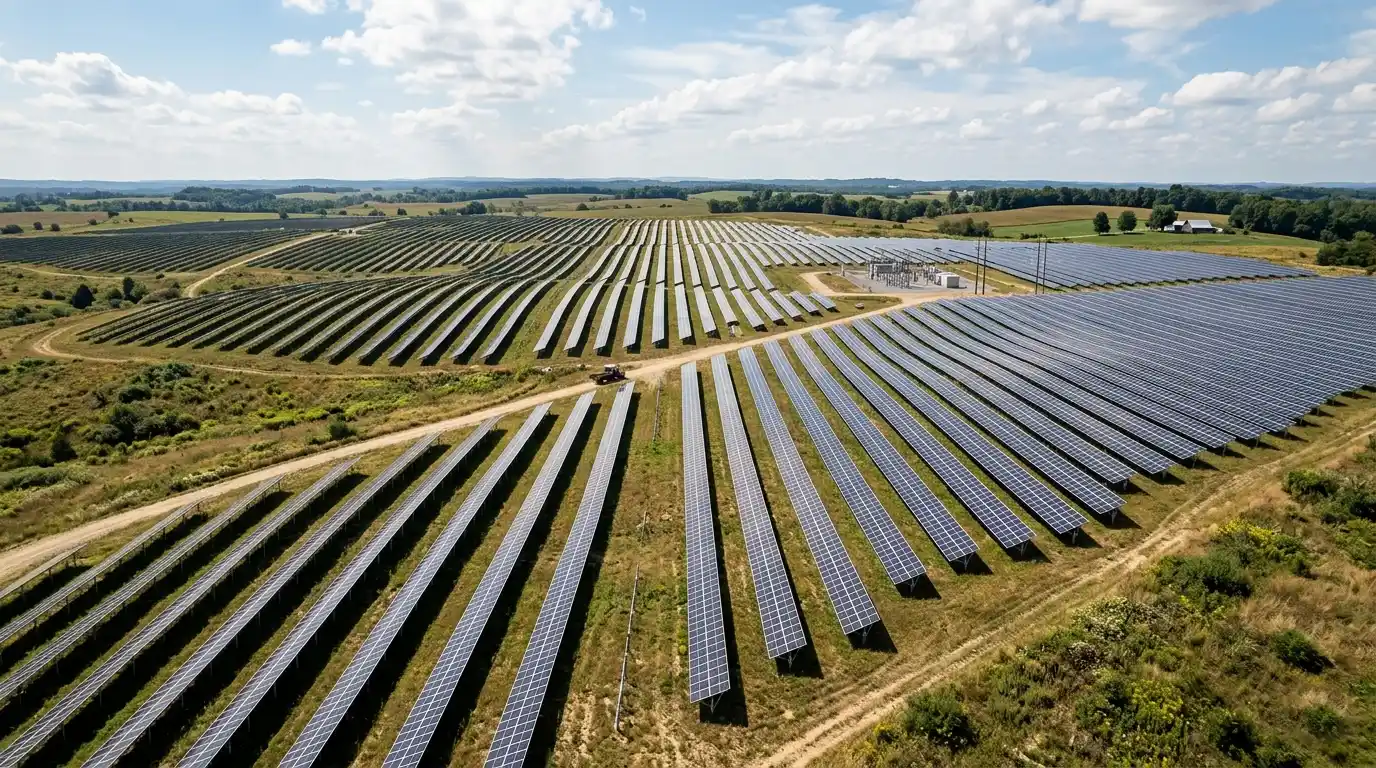
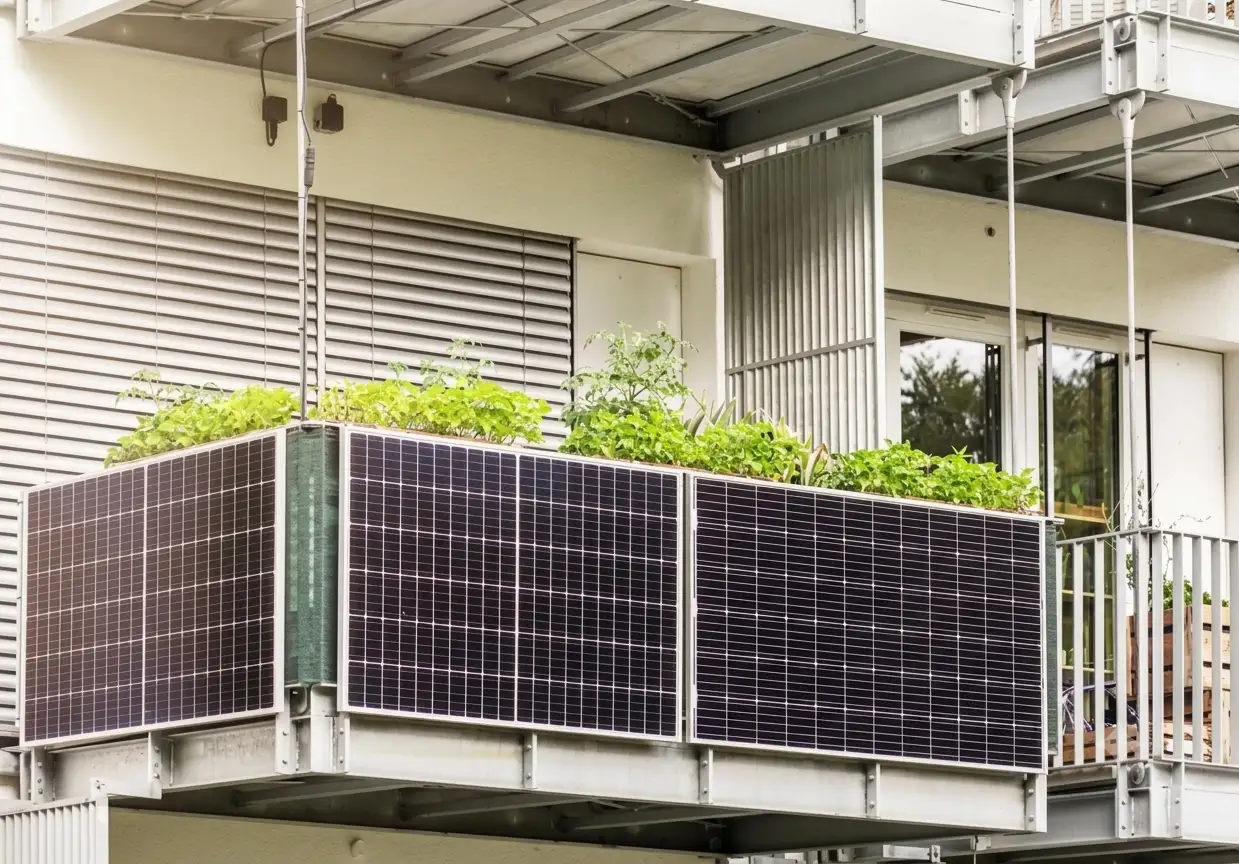
Hey, if you’ve ever looked at a finished solar array and wondered what keeps those panels locked in place through brutal winds, heavy snow, or even the occasional earthquake, you’re not alone. At SR Solar, we’ve spent years designing and supplying solar mounting system components that quietly do the heavy lifting behind every successful PV project. These aren’t just random metal bits — they’re the engineered foundation that decides whether your installation lasts 25 years or faces early headaches. Today, let’s walk through the key solar mounting system components, how they work together, and why picking the right ones can make or break your timelines, costs, and long-term returns.
Why Solar Mounting System Components Matter More Than You Think
Picture this: a massive ground-mounted station or a tight C&I rooftop array. The panels generate power, sure, but without solid solar racking components, everything collapses under load or shifts out of alignment, killing efficiency. I’ve seen projects where a cheap rail clamp slipped after one big storm — suddenly you’re facing warranty claims and rework that eats margins fast.
For EPC contractors handling utility-scale or distributed builds, these solar panel mounting parts need to pass rigorous technical bids and deliver on-time. Integrators love lightweight, quick-assembly designs that cut labor hours on fragmented rooftop jobs. Developers obsess over IRR, so low-O&M, bankable hardware wins every time. Even distributors push for certified, competitively priced pieces that move fast through inventory.
The truth? Good solar mounting structure components aren’t sexy, but they’re the difference between a smooth handover and endless site visits.
The Core Role of Solar Mounting Systems in PV Projects
At its heart, a solar mounting system holds panels at the optimal tilt and orientation while fighting environmental forces. It distributes weight, resists uplift from wind, and keeps everything grounded electrically. Whether fixed-tilt or tracking, the solar mounting system components form a unified skeleton.
Think of it like a building’s frame — columns and beams take compression, braces fight shear, connections transfer loads safely to the foundation. In PV, we add panel-level fixation and grounding to meet codes like UL 2703 or IEC standards.
How Components Handle Loads: Wind, Snow, Seismic, and Beyond
Every region throws different punches. Coastal EPCs worry about 150+ km/h gusts lifting arrays. Northern projects battle 1-2 meters of snow accumulation. Seismic zones demand extra bracing against side-to-side shaking.
Strong solar mounting system components use high-strength aluminum (like 6005-T5) or galvanized steel, engineered with finite element analysis to hit safety factors of 1.5–2.0+. At SR Solar, we test our parts to simulate 20–30 years of fatigue — because one weak link ruins the chain.
Main Structural Elements: What Holds Everything Up
Let’s start with the big players that bear the primary loads.
Main Beams – The Heavy-Duty Load Bearer in Solar Racking
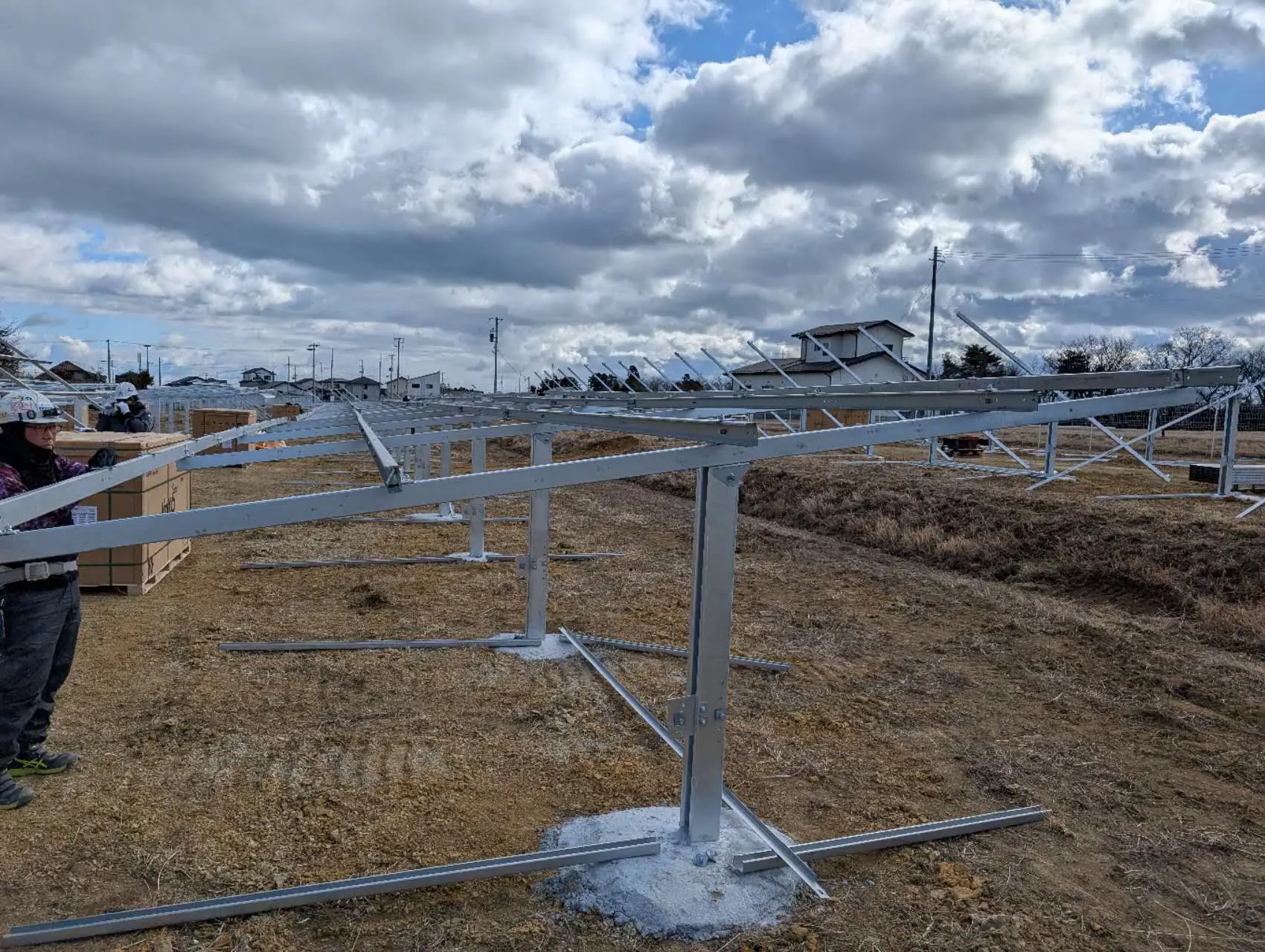
Main beams (sometimes called purlins or primary rails) sit at the core. They usually come pre-assembled with columns, diagonal supports, and bases. These guys carry the heaviest loads — transferring panel weight, wind pressure, and snow directly downward.
In large ground-mount projects, a beefy main beam prevents deflection that could crack modules or reduce output. We’ve seen undersized beams bow under snow, dropping generation by 5–10% until cleared. For EPCs with central SOE backgrounds, we always push main beams rated for 5400 Pa+ snow and 2400 Pa wind — it sails through technical reviews.
Rails – Where Panels Actually Sit and Get Secured
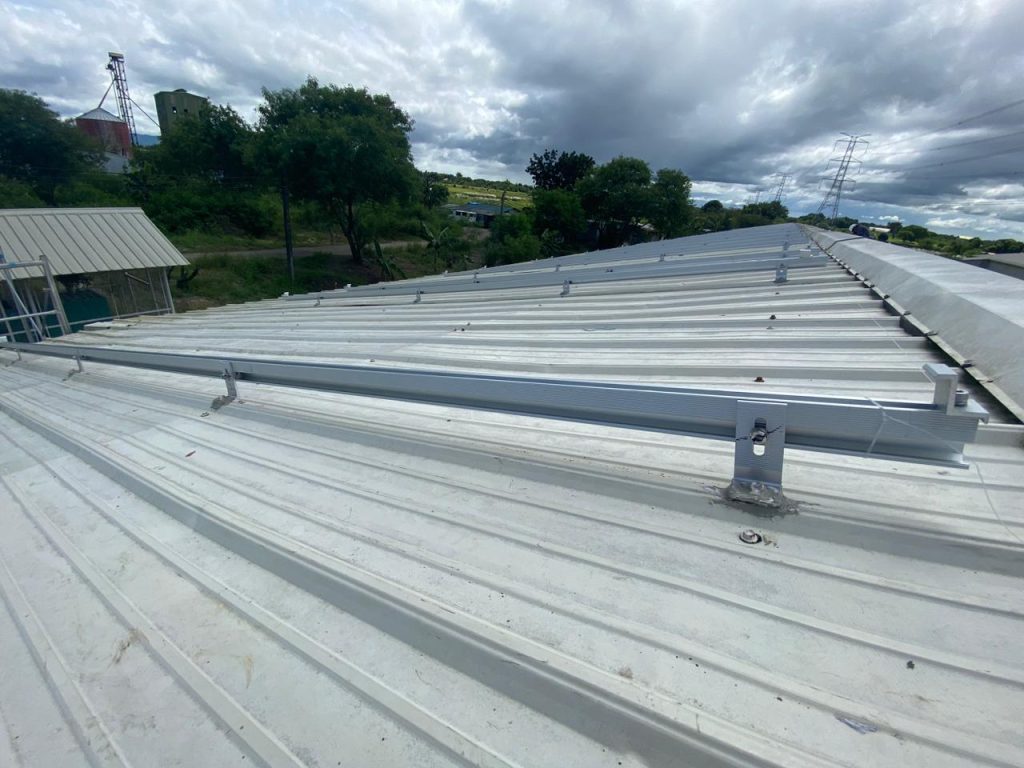
Rails are the direct interface for panels and grounding hardware. Fixed to main beams via rail clamps, they form the “tabletop” panels rest on. Aluminum extrusions dominate here — lightweight, corrosion-resistant, and easy to cut on-site.
When rails fall short, you splice them with dedicated connectors. A bad splice creates weak spots, so we design ours with overlapping sections and multiple fasteners for zero play. Integrators love standardized rail lengths that match common module sizes — less cutting, faster installs on commercial roofs.

Columns and Diagonal Braces – Elevating and Stabilizing the Frame
Columns (vertical posts) lift the array to the right height and angle. Diagonal braces add triangulation for rigidity. Together, they’re the main load-bearing uprights.
In rooftop systems, shorter columns keep loads low on old structures. Ground-mounts use taller ones for clearance and tilt. Poor bracing leads to racking sway — we’ve fixed jobs where wind caused visible oscillation, stressing clamps and frames.
Connection and Reinforcement Hardware
Connections turn separate pieces into one strong unit.
H-Type Connectors – Linking Feet, Braces, and Main Beams Seamlessly
H-type connectors join front/rear feet or diagonal supports to main beams. Their H-profile grips both sides, spreading torque evenly and resisting twist.
For quick changes during installation — say adjusting tilt last-minute — these connectors allow adjustments without major disassembly. EPC contractors appreciate this flexibility on big sites.
Angle Aluminum Braces – Fighting Horizontal Forces Like Earthquakes
Angle aluminum (L-brackets or corner braces) stiffen the structure against lateral loads. In seismic zones, they’re non-negotiable — preventing shear failure.
One project in a high-seismic area used our reinforced angle braces; post-event inspection showed zero deformation while neighboring arrays needed realignment. Small part, big peace of mind.
Bases (Foundation Interfaces) – Connecting Rack to Roof or Ground
Bases anchor everything — bolting to concrete, clamping to metal roofs, or screwing into ground. They distribute point loads to avoid roof punctures or soil settlement.
For C&I platforms with old roofs, low-load bases are lifesavers. We offer versions with adjustable feet to level on uneven surfaces.

Panel Fixing and Clamping Solutions
Now the parts that actually hold modules.
Rail Clamps – Locking Rails Firmly to Main Beams
Rail clamps (pressure blocks) grip rails on both sides, torqued to spec so nothing shifts. Installed in pairs, they prevent uplift or sliding.
Cheap clamps loosen over time — we’ve replaced failed ones from competitors. Ours use stainless hardware and serrated jaws for bite.
Mid Clamps and End Clamps – Securing Solar Modules with Precision
Mid clamps sit between panels; side/end clamps grip outer frames. Multiple designs match frame heights (30–50mm common).
Easy-to-install versions with integrated grounding save time. For integrators doing small batches, standardized clamps reduce tool changes and errors.

Essential Electrical Safety Components
Safety isn’t optional.
Grounding Lugs – Safely Dissipating Static and Fault Currents
Grounding lugs at rail ends connect the array to earth. They handle lightning or faults, protecting people and equipment.
We place one per row end — code minimum, but we recommend extras for redundancy on large arrays.
Conductive Sheets (Bonding Clips) – Ensuring Panel-to-Rack Electrical Continuity
These small spiked pieces go between rail and panel frame, piercing anodizing for low-resistance bond. Static charge flows safely to rails then ground.
Without them, panels can build charge — arcing risk or corrosion. We’ve seen skipped bonding cause inverter trips; never worth the shortcut.
Additional Accessories That Make or Break Installation
Rail Connectors (Splices) – Extending Rails Without Weak Points
When rails need joining, splices overlap and bolt tight. Good ones maintain full strength — poor ones create flex points.
Our splices use alignment pins and multiple bolts; installers tell us they cut connection time in half.
Compatibility and Customization Considerations for Different Project Types
Every client has needs. EPCs want 25-year warranties and TUV/CE certs. Integrators crave lightweight for roof loads. Developers push tracking-compatible designs for extra yield.
Offshore needs anti-corrosion coatings; agri-PV wants elevated clearance. At SR Solar, we customize — because one-size-fits-all rarely does.
Real-World Insights: Lessons from the Field on Component Selection
I remember a 50MW ground project where rushed procurement led to mismatched clamps — panels wouldn’t seat properly, delaying commissioning by weeks. Lesson: verify compatibility early.
Another time, a rooftop integrator switched to our pre-assembled kits — install speed jumped 30%, margins improved. Small changes, big impact.
Choosing Reliable Solar Mounting System Components for Your Next Project
Look beyond price. Check material grade, load ratings, certifications, and real warranty (not just paper). Ask for test reports and project refs.
At SR Solar, we back our solar mounting system components with engineering support, fast samples, and flexible MOQs. Whether bulk for EPC or small runs for integrators, we aim to solve your pain points.
Conclusion
Solar mounting system components might hide behind the panels, but they determine safety, longevity, and profitability. From main beams bearing massive loads to tiny conductive sheets ensuring grounding, every piece matters. Choose wisely — partner with suppliers who understand your world, deliver on time, and stand behind their products. Your next project deserves nothing less.
FAQ
FAQ 1: What is the most critical solar mounting system component for large-scale projects?
Main beams and columns usually take the crown — they handle primary loads and transfer forces to foundations. Weak here, and the whole array suffers under wind or snow.
FAQ 2: How do I ensure compatibility between solar panels and mounting rails?
Check frame thickness, hole patterns, and clamp range. Most modern rails accept 30–50mm frames; always test-fit samples or confirm with the supplier before bulk order.
FAQ 3: Are grounding components really necessary if the system is grounded elsewhere?
Yes — panel frames and rails can accumulate static independently. Bonding clips and grounding lugs create low-resistance paths, meeting codes and preventing shocks or arcing.
FAQ 4: What’s the biggest mistake installers make with rail clamps and splices?
Under-torquing or skipping alignment. Loose connections vibrate loose over time; always follow torque specs and use proper tools for repeatable results.
FAQ 5: How long should quality solar mounting system components last?
At least 25 years, matching module warranties. Look for anodized aluminum, stainless fasteners, and proven corrosion resistance — especially in coastal or high-humidity areas.