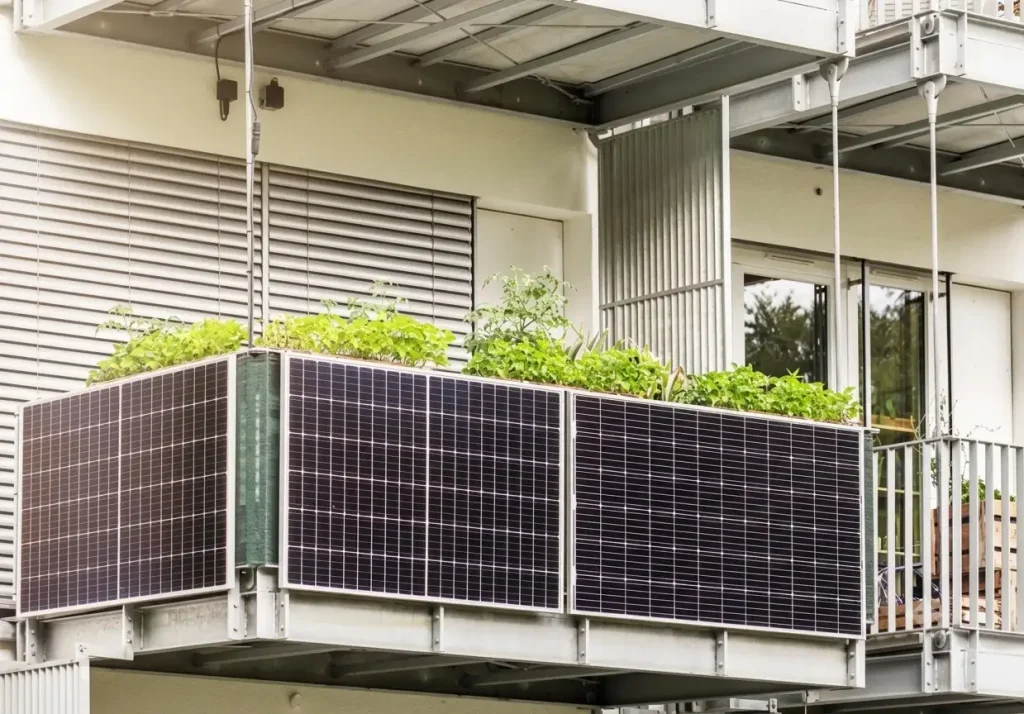
The global solar market is undergoing a massive shift toward micro-generation. While utility-scale projects and traditional residential rooftops still dominate headlines, a quiet revolution is happening right on the balconies of urban apartments. For solar distributors, this represents an entirely new, untapped revenue stream. If your current inventory is heavily skewed toward heavy, complex commercial raking, you might be missing out on the fastest-growing consumer segment. Investing in wholesale balcony solar racks is no longer a niche bet—it is a strategic move to capture high-turnover, high-margin retail demand.
But what makes a balcony solar mounting system a winner for a distributor’s portfolio? It is not just about selling a piece of aluminum or steel; it is about offering a solution that solves the end-user’s installation anxiety while optimizing your own warehouse SKU efficiency. Let’s dive into the structural mechanics, material choices, and logistics realities that dictate whether a balcony rack will gather dust or fly off your shelves.
1. Decision-Oriented Framework for Distributors
Before adding any new product line, a distributor must evaluate how it impacts the bottom line, warehouse footprint, and customer satisfaction. The table below outlines the core decision matrix we use at SR Solar when designing systems for the distribution market.
Logistics and Marketability Evaluation Matrix
| Evaluation Vector | Low-Quality Generic Racks | SR Solar Engineered Balcony Systems | Distributor Business Impact |
| SKU Versatility | Fixed angle, single railing type compatibility. | Multi-adjust angle, universal hook design. | High SKU efficiency: One product fits concrete, metal, and glass balconies. |
| Packaging & Logistics | Bulky, non-stackable, loose components in oversize boxes. | Pre-assembled components, flat-packed, retail-ready box. | Lower freight costs: Maximum container utilization; easy pallet storage. |
| Installation Complexity | Requires specialized tools, drilling, and multi-step manual assembly. | Plug-and-play, hand-tightened clamps, zero drilling required. | Faster market adoption: High appeal to DIYers and retail installers, driving repeat orders. |
| Material Durability | Standard low-grade anodized aluminum (thin micron layer) or Q235 steel. | High-grade AL6005-T5 or Zinc-Aluminum-Magnesium (ZAM) coating. | Zero warranty headaches: Massive reduction in product returns due to rust or bending. |
2. Technical Depth: Materials, Mechanics, and Global Standards
When a retail installer or a sub-dealer walks into your warehouse, they will ask: Will this rust? Will it blow off in a storm? As an engineer, I cannot stress enough that balcony systems face unique structural hazards compared to ground mounts. They are subject to high-altitude wind loads and cantilever forces.
Material Selection: AL6005-T5 vs. ZAM
For a balcony solar mounting system, weight and corrosion resistance are the two non-negotiable metrics.
- Anodized Aluminum (AL6005-T5): This is the gold standard for balcony racks. Why? Because it keeps the system lightweight—critical for a product that a consumer has to lift over a balcony railing. The anodizing layer must be at least 10–15 microns thick to withstand coastal environments and urban smog.
- Zinc-Aluminum-Magnesium (ZAM) Steel: While slightly heavier than aluminum, ZAM is highly cost-effective and offers incredible self-healing properties against scratches. If you are targeting budget-conscious urban markets where structural rigidity is the primary concern, ZAM is an excellent option to have in your wholesale inventory.
Understanding the Mechanics of Cantilever and Wind Load
Unlike a roof mount where the weight of the panel rests flat on a structure, a balcony system often hangs vertically or at an angle over a drop. This creates a leverage effect (cantilever load).
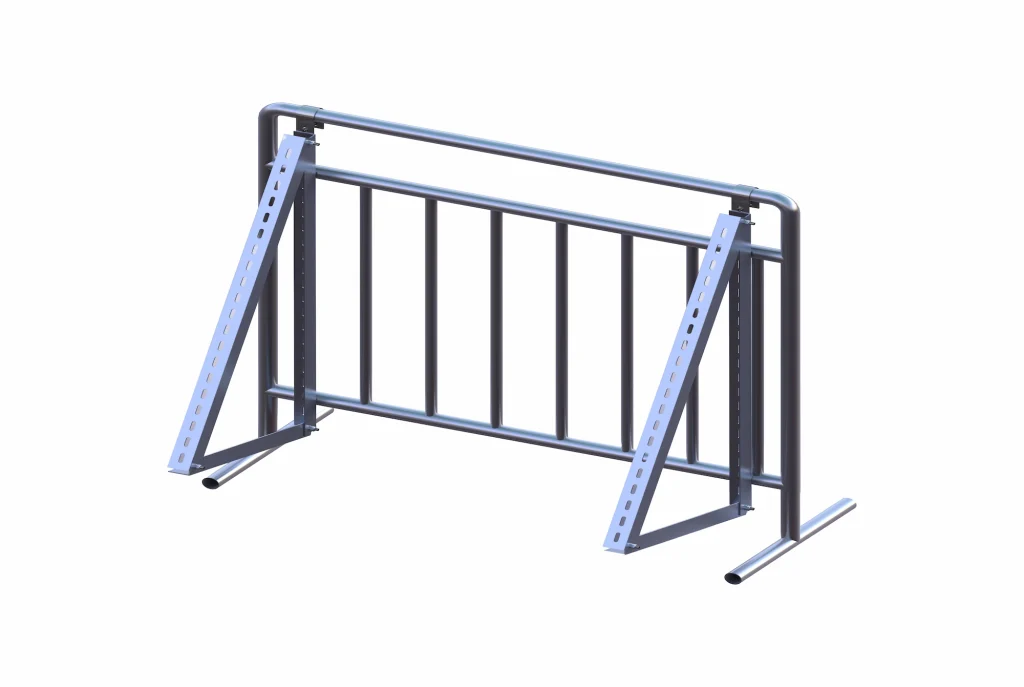
The hooks and clamps must be engineered to withstand both positive wind pressure (pushing the panel against the railing) and negative wind uplift (pulling the panel away). A high-quality wholesale balcony solar racks system should be rated for wind speeds up to 45 meters per second, ensuring compliance even in typhoon-prone coastal regions.
Compliance with International Standards
If you are importing solar hardware into regions like Europe, Australia, or Japan, compliance is your legal shield. Look for manufacturing standards such as:
- Eurocode 9 (Design of aluminum structures)
- AS/NZS 1170 (Structural design actions for Australia/New Zealand)
- JIS C 8955 (Load guide for PV arrays in Japan)
Selling non-certified racks exposes your distribution business to massive liability. At SR Solar, every bracket undergoes rigorous finite element analysis (FEA) to ensure these standards are met before a single batch leaves the factory.
3. The Real-World Layer: Lessons from the Field
In our project experience at SR Solar, we frequently audit why certain distribution lines fail to gain traction. A common distributor error is buying the absolute cheapest generic balcony clamps available from unverified suppliers.
What happens in the real world? A customer buys the kit, takes it home to an apartment with a round railing, only to find the clamp was designed exclusively for square railings. The customer tries to force it, strips the thread on the bolt, returns the kit to your retail partner, and demands a refund.
Field Note: One major European distributor we partnered with was experiencing a 14% return rate on a competitor’s balcony product due to “missing small parts” and “incompatible railing hooks.” After switching to our pre-assembled balcony solar mounting system with universal clamp inserts, their return rate dropped to less than 0.5%.
Another field hazard is galvanic corrosion. If a manufacturer uses cheap stainless steel bolts without proper isolation washers against an aluminum frame, the metals will react, leading to rapid structural failure. Ensure your wholesale supplier utilizes high-quality SUS304 bolts with nylon or EPDM washers included in the kit.
4. Economic Impact: Transforming Logistics and Inventory Turnover
For a distributor, your warehouse space is your currency. If a product takes up too much volume or requires constant kitting by your warehouse staff, it eats your margins.
SKU Efficiency and the Power of Universal Design
Why stock five different mounting kits when you can stock one? The beauty of a well-engineered wholesale balcony solar racks line lies in its versatility. By utilizing adjustable tilt legs and modular clamping hooks, a single SKU can accommodate:
- Concrete balcony balustrades
- Traditional iron or steel railings (round and square)
- Wall-mounted facade setups
This flexibility means your capital isn’t locked up in slow-moving, highly specific variants. Your inventory stays fluid, and your sales team can confidently pitch the same kit to multiple retail niches.
Pallet and Shipping Optimization
Air freight and ocean shipping are priced by volume and weight. Heavy, oddly shaped rails are expensive to transport. Look for balcony systems designed to fold flat. A flat-packed balcony solar mounting system allows you to fit up to 60% more units per pallet compared to traditional rail designs. This drastically lowers your landed cost per unit, giving you more headroom to offer competitive wholesale pricing to your sub-dealers while maintaining healthy margins.
5. Why Partner with SR Solar for Your Wholesale Inventory?
At SR Solar, we don’t just manufacture solar hardware; we engineer business solutions for distributors. We understand that your reputation relies on the structural integrity of the products you supply.
Our wholesale balcony solar racks are designed with the distributor’s operations in mind:
- Pre-Assembled Packaging: We minimize warehouse kitting time. The main structural frames are shipped pre-assembled, reducing the end-user’s installation time to under 15 minutes.
- Strict Material Tracking: Every batch of AL6005-T5 and SUS304 stainless steel comes with mill test certificates, guaranteeing that what you sell matches the datasheets perfectly.
- Global Logistics Compliance: Our compact, rugged packaging is designed to withstand the rigors of international shipping and local courier transit, minimizing transit damage claims.
6. Summary and Frequently Asked Questions
Summary
The market for urban solar is expanding rapidly, and balcony systems represent the low-hanging fruit for residential micro-generation. For distributors, success in this segment depends on choosing a balcony solar mounting system that maximizes SKU efficiency, minimizes shipping volume, and guarantees structural safety through rigorous engineering. By avoiding cheap, non-certified components and opting for versatile, flat-packed designs, you can capture a highly profitable, fast-turning market segment.
Frequently Asked Questions
Q1: Can a single balcony solar mounting system fit both round and square railings?
Yes, provided the system features a universal clamping mechanism. High-quality wholesale racks include adjustable hook systems with rubber or EPDM inserts that can wrap securely around round pipes or lock onto square balustrades without scratching the property owner’s railing.
Q2: What is the average lifespan of an aluminum balcony rack in a coastal environment?
Anodized aluminum (AL6005-T5) with a minimum 10-micron coating thickness will easily last over 25 years. It resists salt spray and atmospheric corrosion, matching the typical lifespan of the solar panels themselves.
Q3: How do wholesale balcony solar racks handle high wind loads on upper apartment floors?
Top-tier racks are engineered using finite element analysis to withstand significant wind uplift. They utilize dual-locking mechanisms—top hanging hooks combined with bottom stabilizing clamps—to prevent the panel from swinging or lifting during high-wind events.
Q4: Why should a distributor avoid stocking long, traditional rails for balcony kits?
Long rails increase shipping costs, take up valuable warehouse rack space, and are prone to bending during transport. Modular, compact, or foldable frames are much easier to stack on pallets, lower your logistics costs, and are highly preferred by retail customers who want to transport the kit in a standard passenger vehicle.
Q5: Is drilling into the balcony wall or railing required for installation?
No. A well-designed balcony system relies on mechanical clamping forces and hook structures. Zero-drilling installation is a massive selling point for tenants or apartment owners who face strict property management rules regarding structural alterations.
Optimize Your Solar Inventory Today
Ready to expand your product catalog with high-turnover, field-proven solar hardware? Contact our engineering and sales team at SR Solar today for a customized wholesale quote and technical breakdown of our balcony mounting solutions.