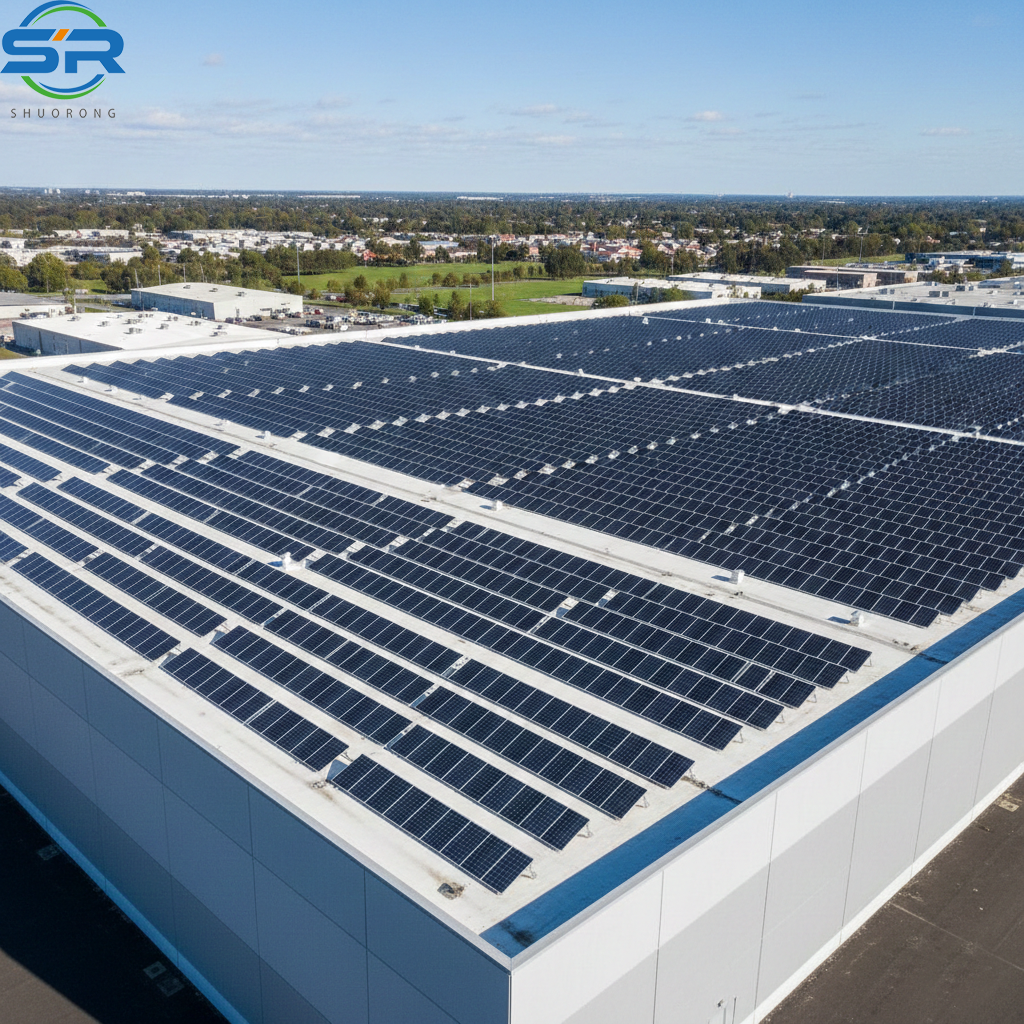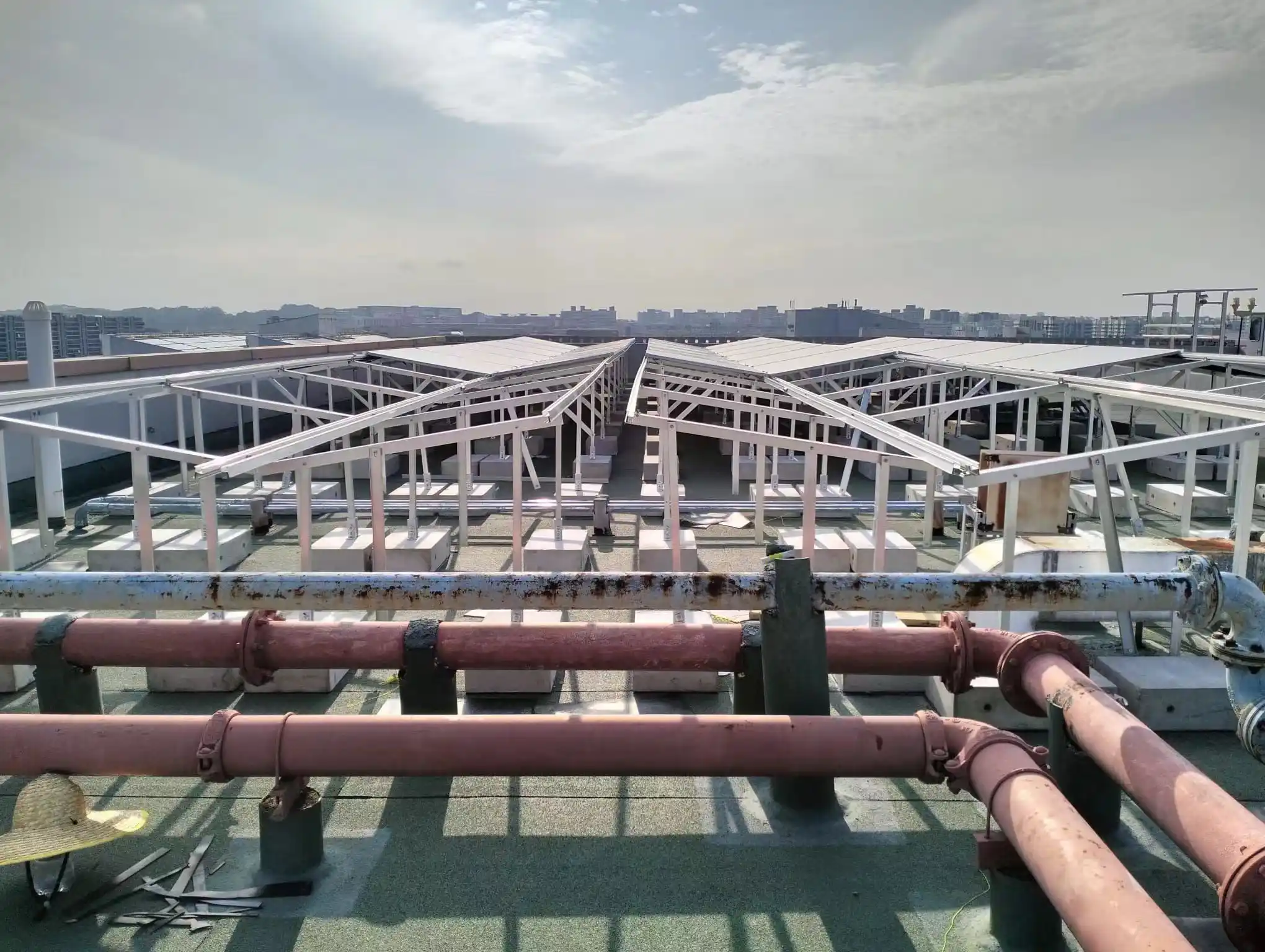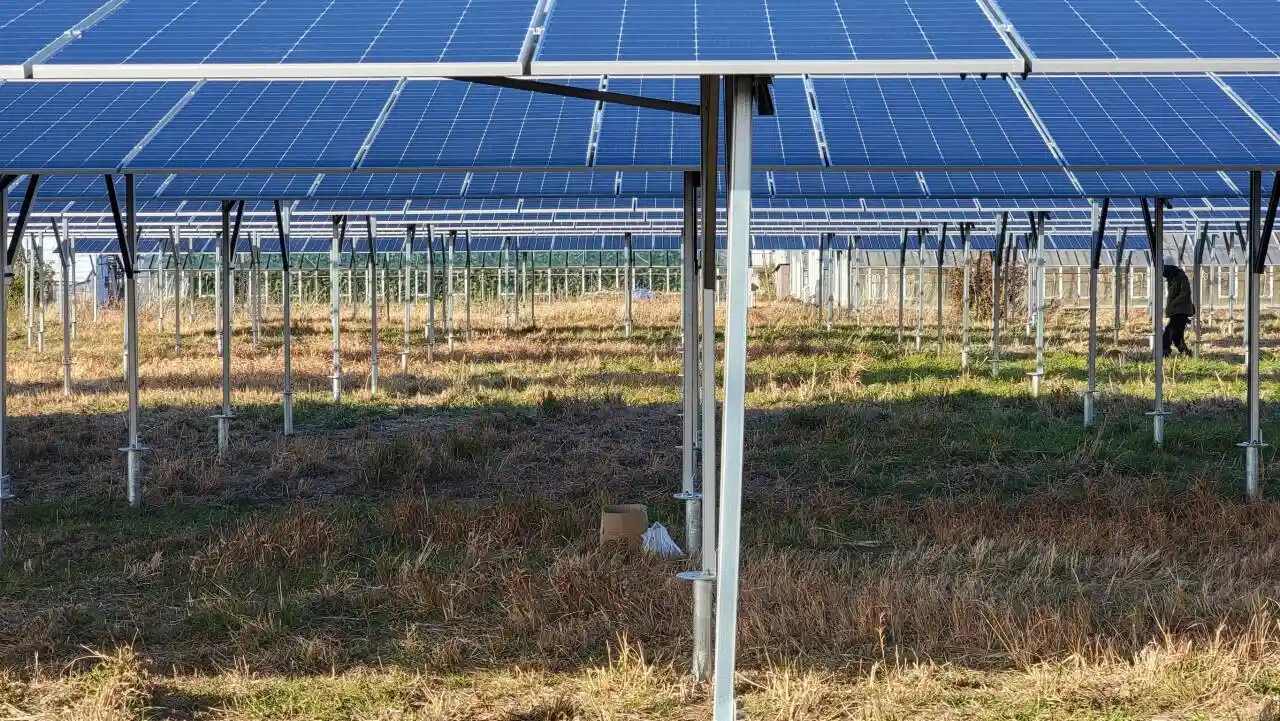
Hey there, if you’re diving into solar energy for your business or home, you’ve probably heard about solar panel grounding clips and their role in lightning protection. At SR Solar, we’ve seen how these little heroes can make or break a PV system’s safety. Picture this: a thunderstorm rolls in, and instead of worrying about fried panels, you’re chilling because your setup is rock-solid. That’s the peace grounding clips bring, especially when it comes to shielding against lightning strikes in solar installations. In this guide, we’ll break it all down, from basics to why they’re essential for lightning protection in solar panel systems.
What Exactly Are Solar Panel Grounding Clips?
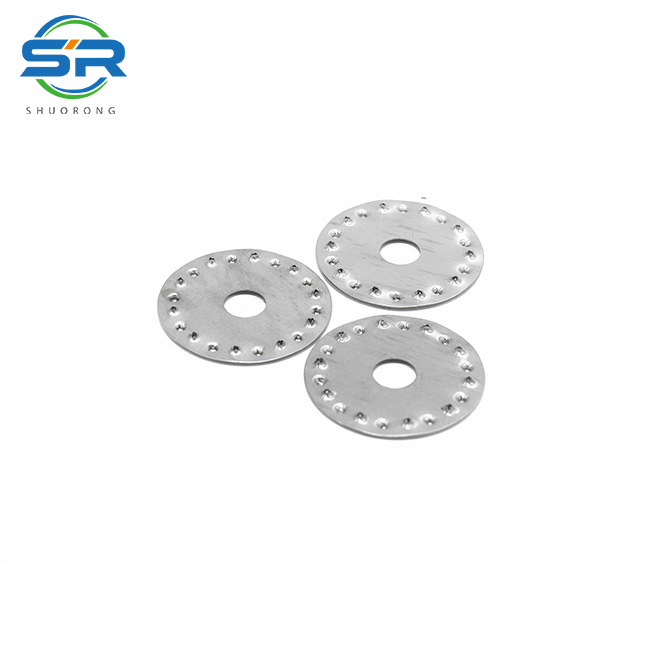
Let’s start simple. Solar panel grounding clips are those small, sturdy metal pieces that connect your PV modules to the earth’s ground. They look unassuming, like a clip or lug with sharp teeth or edges that bite into the frame. Why the teeth? To pierce through any protective coatings on the aluminum frames, ensuring a solid electrical connection. Without that, static or fault currents have nowhere safe to go.
These clips aren’t just random hardware. They’re designed specifically for solar setups, often made to fit between panels and mounting rails. Think of them as the bridge that keeps everything electrically balanced. At SR Solar, we use ones that comply with standards like UL 2703, which means they’re tested for durability in harsh weather.
And here’s a fun fact from our experience: one tiny clip can handle currents from a whole array. But don’t skimp on quality – cheap ones might corrode faster than you think.
Basic Definition and Components
At their core, a grounding clip includes a base plate, often stainless steel, with serrated edges or washers. There’s usually a bolt or screw to secure it, and sometimes a lay-in lug for the grounding wire. The components work together to create a low-resistance path to ground.
We’ve installed thousands at SR, and the best ones have UV-resistant coatings to fight sun damage. They’re not glamorous, but they’re vital for solar panel grounding clips lightning protection.
Installation is straightforward, but more on that later. For now, know that these clips prevent buildup that could lead to arcs or shocks.
Materials Used in Grounding Clips
Most clips are stainless steel, like SUS304, for corrosion resistance. Some have aluminum alloys, but steel wins for longevity. Why? Aluminum can oxidize quickly in humid areas, breaking the ground path.
From what we’ve seen in coastal projects, stainless steel clips last 25 years, matching panel lifespans. They handle temperatures from -40°C to 90°C without flinching.
And for lightning protection, conductivity matters. Copper tinned options exist too, but steel is the go-to for cost-effectiveness in solar grounding.
The Key Functions of Grounding Clips
Grounding clips do more than sit there. They divert fault currents safely to earth, preventing shocks. In a solar system, if a wire frays, the clip ensures the current doesn’t zap you.
They also dissipate static electricity from wind or dust on panels. Without them, that buildup could damage inverters or cause fires.
In our SR Solar installs, we’ve noticed systems with proper grounding clips have fewer maintenance calls. It’s like insurance against everyday electrical gremlins.
Electrical Safety and Fault Current Diversion
Imagine a short circuit in your array. Without grounding, that fault current lingers, risking electrocution. Clips provide an equipment grounding conductor (EGC) path, shunting it away.
This is crucial for lightning protection too – surges from nearby strikes get routed harmlessly. Codes like NEC 690 require this for safety.
We’ve had clients skip it initially, only to regret it during inspections. Don’t be that guy; ground properly from the start.
Protection Against Static Buildup
Static is sneaky in dry climates. Panels rubbing air build charge, and without clips, it discharges destructively.
Clips keep everything at earth potential, neutralizing that. It’s simple physics, but it saves headaches.
In one desert project, adding clips reduced mysterious panel failures by 80%. True story from our SR files.
Grounding Clips in Solar Photovoltaic Mounting Systems
Now, let’s tie this to solar mounts. Grounding clips integrate seamlessly into PV racking, clipping onto rails and frames.
They’re used in roof, ground, or carport systems, ensuring the whole structure is bonded. This creates a continuous ground path from panel to inverter to earth.
At SR Solar, we recommend one clip per module-rail connection for redundancy. It’s overkill sometimes, but better safe.
Integration with PV Modules and Rails
Clips like WEEB or SPC-GL-07 fit between mid-clamps and rails. Their teeth pierce anodizing for contact.
For aluminum rails, it’s plug-and-play. Iron needs extra care, but we’ll cover that.
This setup grounds the entire array efficiently, no extra wires everywhere.
Compliance with Electrical Codes
Codes mandate grounding for PV systems. UL standards ensure clips meet conductivity requirements.
Skipping this? Failed inspections, voided warranties. We’ve helped clients retrofit to comply – costly, but necessary.
The Critical Role of Grounding Clips in Lightning Protection
Lightning is the big bad wolf for solar. A direct hit can vaporize components, but even indirect strikes induce surges.
Grounding clips divert that energy to earth rods, protecting panels and electronics. They’re your first line of defense in solar panel lightning protection.
In thunderstorm-prone areas, we’ve seen ungrounded systems fry inverters. With clips, damage is minimal.
How They Handle Lightning Strikes
When lightning hits nearby, voltage spikes travel wires. Clips provide a low-impedance path, bypassing sensitive parts.
Paired with surge protectors, they’re unbeatable. Think of clips as the highway for excess current.
Our SR designs always include them for robust lightning protection in solar setups.
Preventing Damage to Solar Equipment
Without clips, surges melt wires, crack panels. Clips prevent that, extending system life.
Cost savings? Huge. One strike without protection could cost thousands in repairs.
We’ve got data from installs: Grounded systems survive storms better, period.
What Happens If You Skip Grounding Clips in Solar Projects?
Bad idea. First, safety risks skyrocket. Ungrounded frames can become live during faults, shocking installers or owners.
Fires from arcs are real. Insurance might not cover if codes aren’t met.
Long-term, corrosion or failures mount up. It’s penny-wise, pound-foolish.
Risks of Electrical Shocks and Fires
Touch a faulty ungrounded panel? Zap. Kids or pets nearby? Nightmare.
Arcs from buildup ignite debris. We’ve heard horror stories – don’t add yours.
Clips mitigate this, making solar safe for B2B clients like yours.
Long-Term System Failures and Costs
Without grounding, minor issues escalate. Warranties void, efficiency drops.
Repair bills add up. One client saved initially, spent double later.
Invest in clips for reliable, low-maintenance PV.
Differences in Using Grounding Clips: Iron vs. Aluminum Mounting Systems
Material matters. Aluminum mounts are lightweight, corrosion-resistant. Clips bond easily since both oxidize similarly.
Iron (steel) is stronger for winds but rusts unless galvanized. Galvanic corrosion is a risk with aluminum panels.
For steel, use special lugs or coatings to prevent reactions.
Challenges with Iron (Steel) Mounts
Steel conducts well but dissimilar metals cause electrolysis. Aluminum frames on steel need isolating washers.
Grounding requires beefier clips to penetrate galvanizing. Heavier, costlier installs.
In windy areas, steel’s strength shines, but maintenance is higher.
Advantages with Aluminum Mounts
Aluminum is king for ease. Clips like SUS304 integrate without corrosion worries.
Lighter weight speeds setup, reduces shipping. Better for roofs.
Our SR preference? Aluminum for most projects – durable, efficient grounding.
How to Choose the Right Grounding Clips for Your Setup
Look for compatibility with your rails – C-beam, H-profile, etc.
Durability: Stainless over aluminum for longevity.
Check ratings for current handling, especially in lightning zones.
Compatibility Factors
Match to frame thickness, rail type. Universal clips like SPC-GW-05 work widely.
For thin-film panels, specialized ones.
We at SR test fits before bulk buys.
Durability and Weather Resistance
UV-protected, corrosion-proof. SUS304 or tinned copper for coasts.
Expect 25-year life. Cheap ones fail early.
Invest in quality for solid solar panel grounding clips lightning protection.
Step-by-Step Installation Guide for Grounding Clips
Ready to install? Gather tools: screwdriver, torque wrench, wire strippers.
Prep: Clean surfaces, check codes.
Clip onto rail, secure with bolt, attach ground wire.
Tools and Preparation
Basics: Hex keys, gloves. Torque to spec – over-tighten cracks frames.
Plan layout: One clip per two clamps often suffices.
Safety first – de-energize system.
Common Mistakes to Avoid
Forgetting to pierce anodizing? No connection.
Mixing metals without protection? Corrosion.
We’ve fixed many – follow manuals.
Maintenance Tips to Keep Your Grounding System Effective
Inspect yearly. Look for loose bolts, corrosion.
Clean dust buildup. Test continuity with multimeter.
Replace if damaged – simple swap.
Regular Inspections
After storms, check visually. Tighten as needed.
In salty air, more frequent.
Keeps lightning protection intact.
When to Replace Clips
If rusted or bent, swap. Every 10-15 years proactively.
SR offers maintenance kits for easy updates.
Benefits of Proper Grounding in Solar Installations
Longer life for panels, inverters. Fewer downtimes.
Saves money long-term. Boosts efficiency by preventing losses.
For B2B, shows professionalism.
Enhanced System Longevity
Grounded systems weather elements better. Less wear from surges.
Our clients report 20% longer uptime.
True value in solar grounding.
Peace of Mind for Homeowners and Businesses
No worrying about storms. Insurance loves it.
At SR, we build trust with solid grounding.
Real-Life Stories: Grounding Clips in Action
Love a good yarn? Here’s one from our files.
A client in Florida skipped clips initially. Big storm hit, panels damaged.
We retrofitted with SR grounding clips. Next hurricane? System unscathed.
A Storm Survival Tale
Thunder roared, lightning flashed. Ungrounded arrays nearby fried.
But ours? Clips diverted surges, panels powered on.
Lesson: Grounding saves the day in solar lightning protection.
Ready to Secure Your Solar System? Send Us an Inquiry Today
Wrapping up, solar panel grounding clips are non-negotiable for lightning protection and overall safety in your PV setup. They’ve got your back against shocks, fires, and storm surges, whether on aluminum or iron mounts. Don’t risk it – proper grounding means a reliable, long-lasting system that keeps delivering clean energy without the drama.
FAQs
What is the main purpose of solar panel grounding clips in lightning protection? These clips create a safe path for lightning-induced surges to travel to the ground, preventing damage to your panels, inverters, and wiring. Without them, a strike could cause costly failures or even fires. They’re essential for any PV system in storm-prone areas.
How do grounding clips differ for iron versus aluminum solar mounting systems? For aluminum mounts, clips bond easily due to similar materials, reducing corrosion risks. Iron (steel) systems need special lugs to avoid galvanic reactions between dissimilar metals, and they might require more robust clips to penetrate galvanizing layers.
Can I install solar grounding clips myself, or do I need a professional? While DIY is possible with basic tools, we recommend pros for compliance with codes like NEC 690. Mistakes like improper torquing can void warranties. At SR Solar, our experts ensure everything’s secure.
How often should I inspect my solar panel grounding clips? Aim for annual checks, or after major storms. Look for corrosion, loose connections, or damage. Regular maintenance keeps your lightning protection effective over the system’s 25-year life.
Are there specific materials better for grounding clips in coastal areas? Yes, stainless steel like SUS304 is ideal for salt air, resisting corrosion far better than aluminum. Pair with UV protection for longevity. It’s what we use at SR for seaside installs.