Hilly terrain used to scare off solar installers. Steep grades, uneven ground, rocky outcrops — it all screamed extra cost and headaches. But things have changed a lot. At SR Solar, we’ve installed plenty of systems on slopes that once seemed impossible, and honestly, some of those turned out to be our best-performing arrays. When the land tilts just right toward the sun, you get a natural advantage that flat-land sites can only dream of.The secret lies in picking the right solar ground mount foundation for hilly terrain and pairing it with adaptable racking. Skip the old-school massive grading that tears up the landscape and jacks up expenses. Modern solutions follow the contours instead of fighting them. Let’s break down how to make this work.
Why Hilly Terrain Can Be a Solar Goldmine (Instead of a Headache)
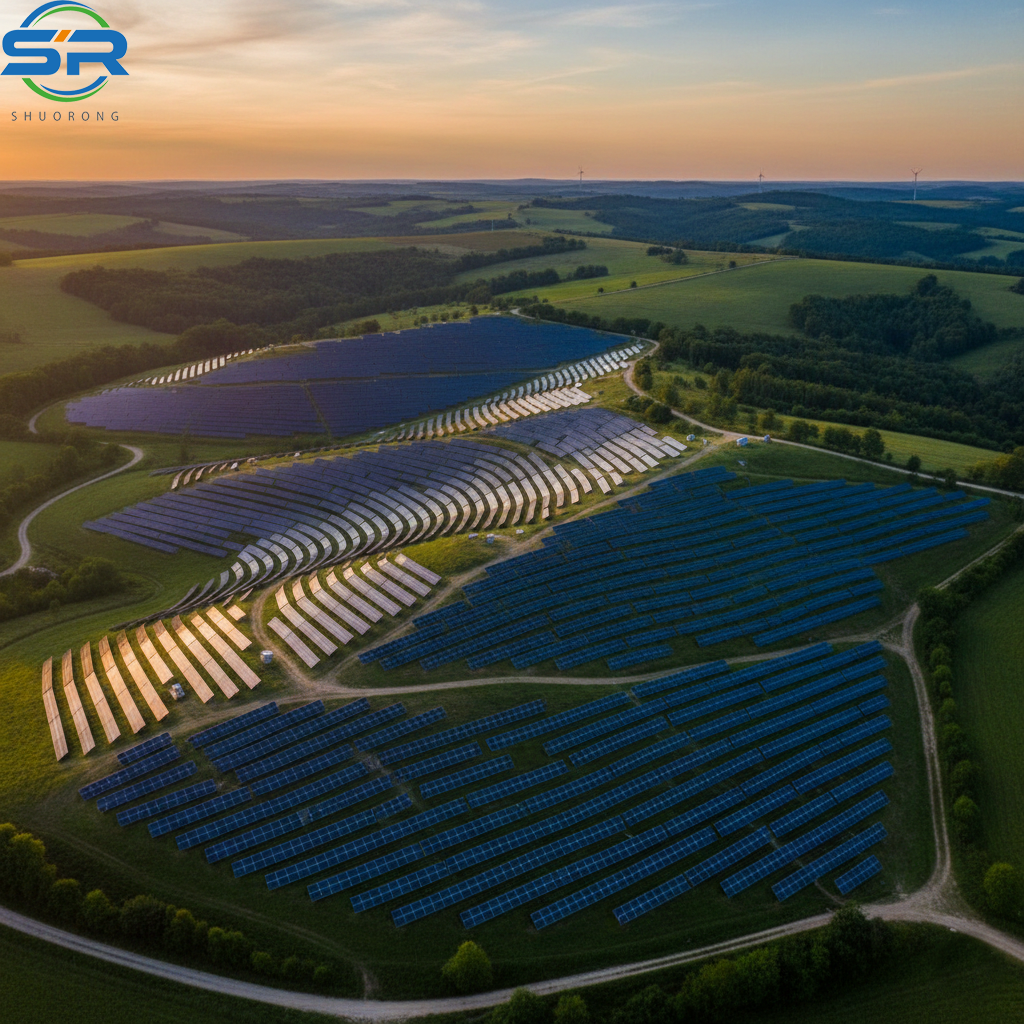
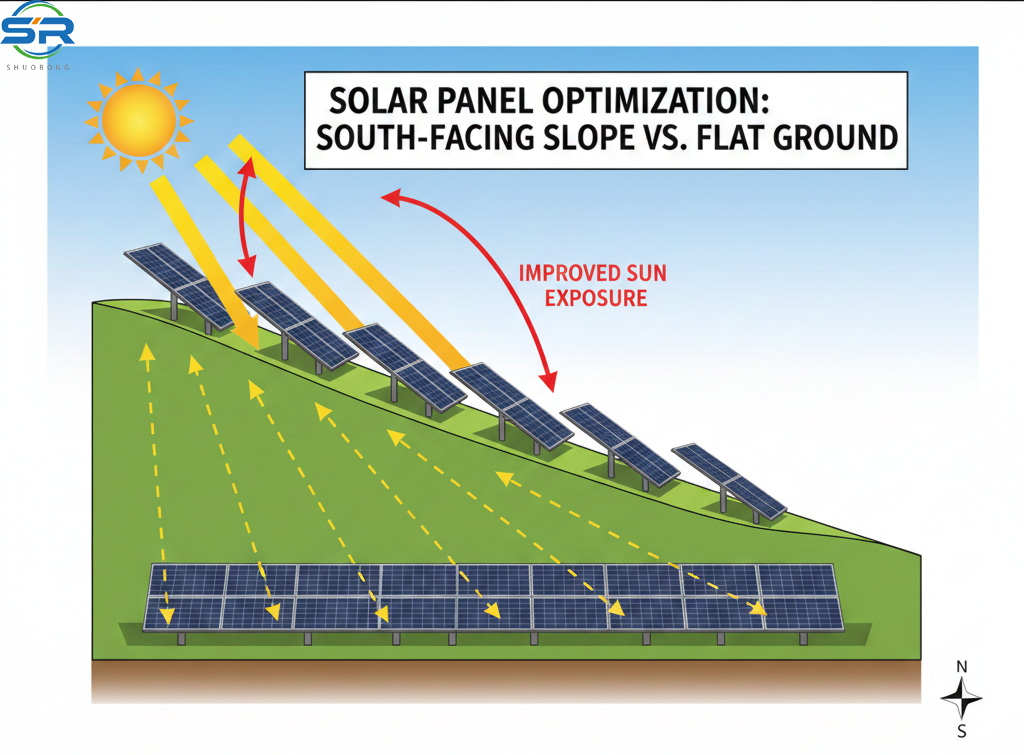
Think about it — a south-facing hill catches sunlight like a perfectly angled panel all day long. No roof overhangs, no tree shade battles. In many cases, you avoid costly roof reinforcements too. We’ve seen production jumps of 10-20% on moderate slopes compared to flat installs nearby.
But it’s not magic. Poor choices lead to erosion issues, unstable foundations, or panels shading each other in rows. The good news? With smart engineering, hilly sites often outperform flat ones in energy yield while keeping environmental impact low.
Key Advantages of Ground Mount Solar Systems in Hilly Areas
Ground mounts shine on hills for a few big reasons. First, flexibility in tilt and orientation. You dial in the exact angle for your latitude — steeper in winter-heavy spots to shed snow and grab low sun. On a slope, that alignment feels almost effortless.
Second, better cooling. Air flows freely underneath, dropping panel temps and boosting efficiency. We’ve measured 5-10% gains from this alone in hot summers.
Third, easier maintenance. No ladders or roof risks. Walk right up, brush off dust or snow. For B2B clients with large arrays, that cuts O&M costs significantly.
And don’t forget scalability. Add rows as needed without roof limits. On south-facing hills, denser packing sometimes works because the grade naturally spaces things out.
One client in a mountainous area told us their hill install felt like “cheating” — the land did half the work.
Real Drawbacks You Need to Face on Slopes
Nothing’s perfect. Hilly installs cost more upfront — sometimes 20-40% higher than flat ground due to custom engineering and foundations. Access gets tricky too. Bringing equipment up narrow paths or dealing with mud after rain slows everything down.
Erosion risks loom large. Heavy rains carve channels if drainage isn’t perfect. We’ve seen poorly planned sites wash out footings in the first wet season.
Shading becomes a puzzle. Rows higher up cast shadows on lower ones if spacing isn’t calculated right. Steep north-facing slopes? Forget optimal sun — production tanks.
Vandalism or wildlife feels more exposed too. Deer love rubbing on posts, and unsecured sites invite trouble.
Still, these are manageable with planning. At SR Solar, we weigh them against the long-term yield boost.
How Terrain Impacts Your Solar Output and System Choice
Slope direction and steepness dictate everything. South-facing? You’re golden — natural tilt reduces racking height needs and cuts material costs.
East or west? Production dips, but still viable with adjustments.
North-facing? Tough sell unless you’re desperate for space. Output can drop 30% or more.
Steepness matters too. Under 10-15 degrees? Standard systems often work with minor tweaks. Beyond that, you need terrain-following designs.
Don’t ignore soil. Rocky hills demand different anchors than soft clay slopes.
South-Facing Slopes: The Natural Boost
These are the dream sites. The hill’s angle pre-tilts panels, so you use shorter front posts and save steel. Energy yield climbs because panels face the sun more directly year-round.
In one SR Solar project, a 12-degree south slope gave us 15% more annual kWh than a nearby flat field. Clients love it — lower BOS costs plus higher production.
North-Facing or Steep Drops: When It’s Tougher
Here, you fight physics. Panels need aggressive tilting to catch sun, raising wind loads and stability concerns. Shading from the hill itself hurts too.
We sometimes advise against it unless alternatives are worse. If forced, use high-clearance mounts and extra bracing.
Choosing the Right Foundation for Hilly Terrain
This is where most projects win or lose. The solar ground mount foundation for hilly terrain must handle uneven loads, prevent settling, and adapt without massive excavation.
Geotech survey first — always. Soil borings reveal if it’s clay, sand, rock, or mix.
Ground Screws: Quick and Versatile for Most Slopes
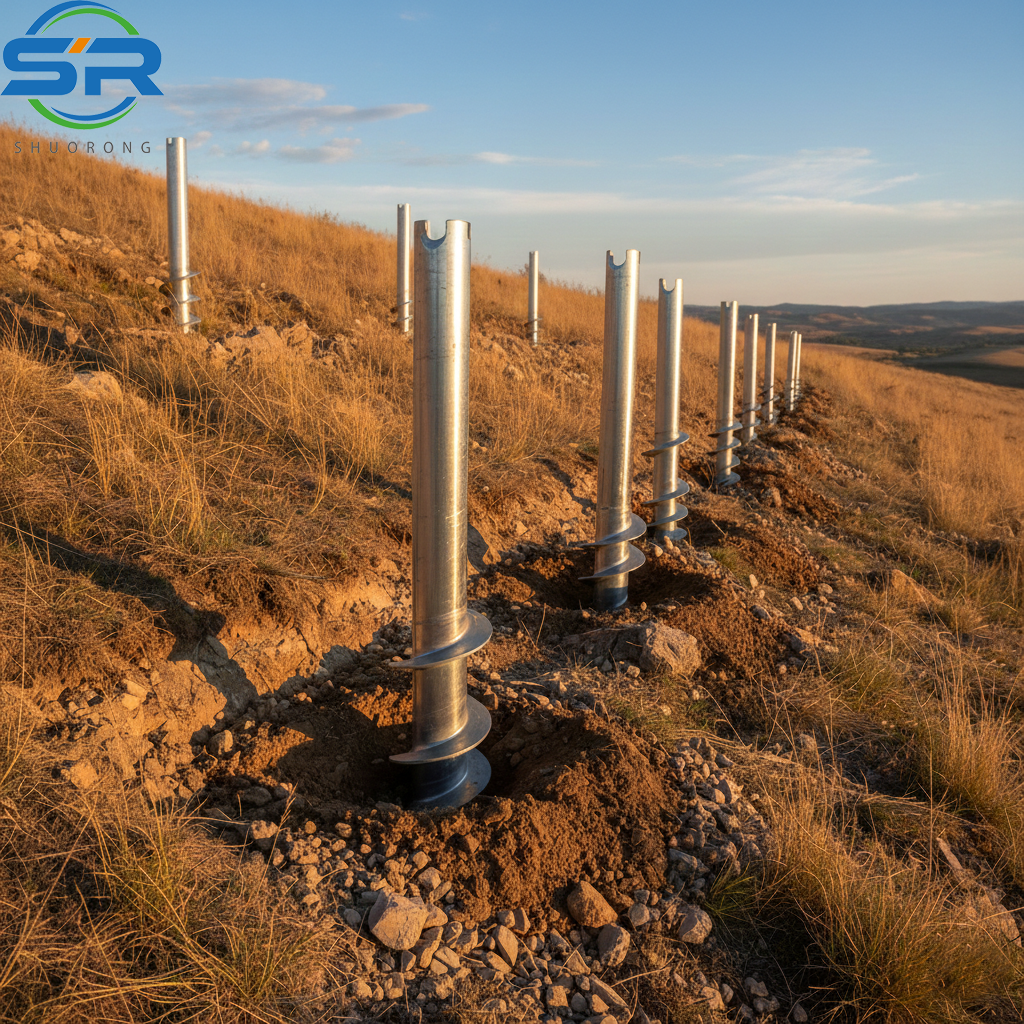
Our go-to for many hilly jobs. They twist in like giant corkscrews, minimal disturbance. Great for slopes up to 15-20 degrees.
They adapt to grade changes — drive to different depths. Fast install, no concrete cure time. In rocky-ish soil, they outperform piles sometimes.
Downside? Not for super-hard bedrock.
Helical Piles: When Soil Is Soft or Unstable
These screw-like piles excel in loose or expansive soils. Torque them in deep for killer holding power.
On slopes with clay or sand, they resist uplift from wind. We’ve used them on 25% grades with zero issues.
Costlier than screws, but worth it for longevity.
Driven Piles: Tough and Reliable in Mixed Conditions
Steel beams hammered in. Solid in rocky or gravelly hills.
Adjustable lengths handle elevation changes. High load capacity for big arrays.
Noisy install, and rocky spots might need pre-drilling.
Concrete Options: Last Resort for Rocky or Extreme Sites
Piers or footings when nothing else grips. Drill into rock, pour, done.
Expensive, slow, high environmental hit. Use only if ground screws or piles fail tests.
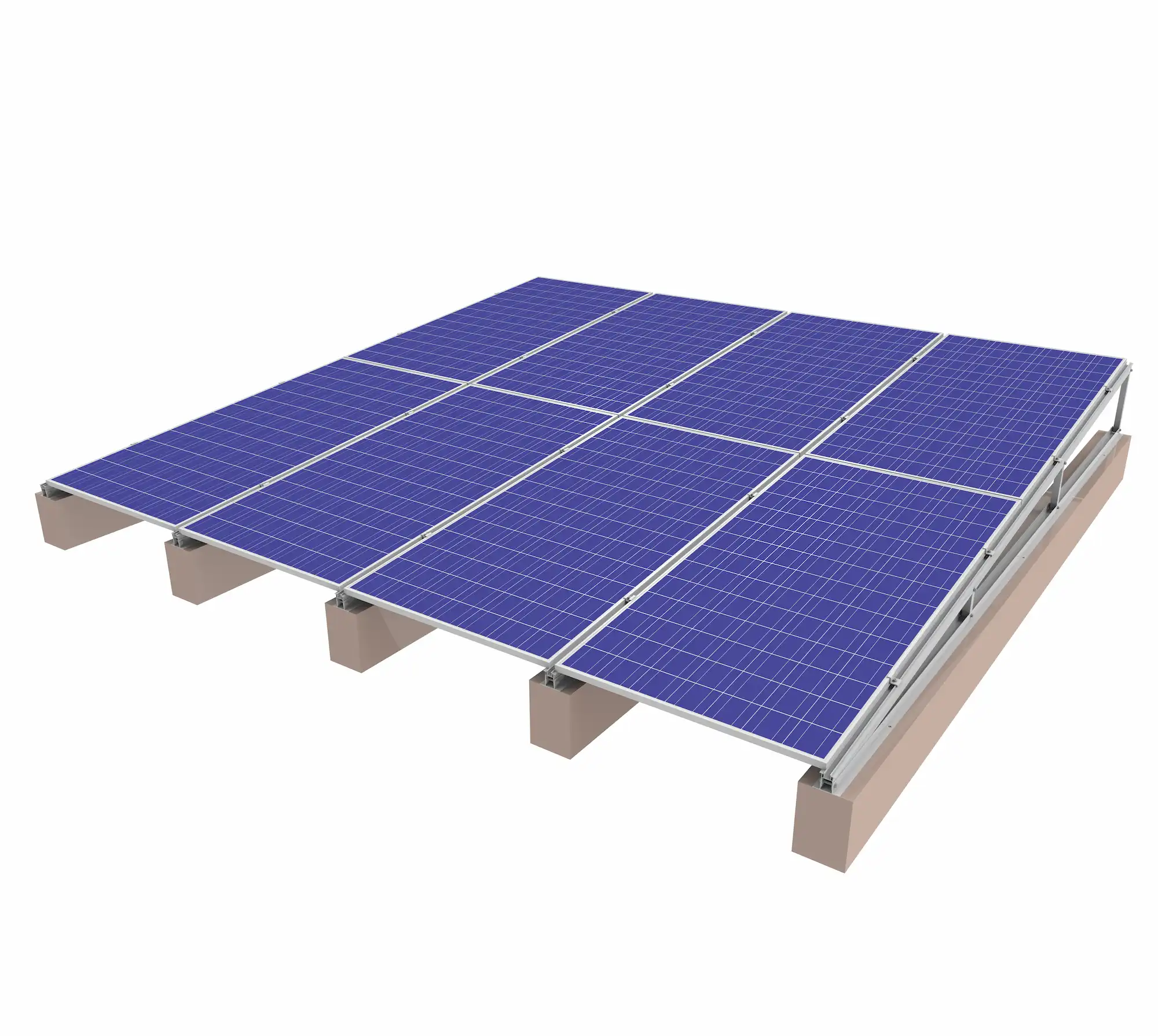
Ballasted Systems: No-Dig Solutions for Bedrock Areas
Concrete blocks or trays weighted down. Perfect where penetration is impossible — shallow rock, landfills.
Heavy to place on slopes, needs flat-ish pads. Good backup plan.
Terrain-Adaptive Mounting Systems That Save Time and Money
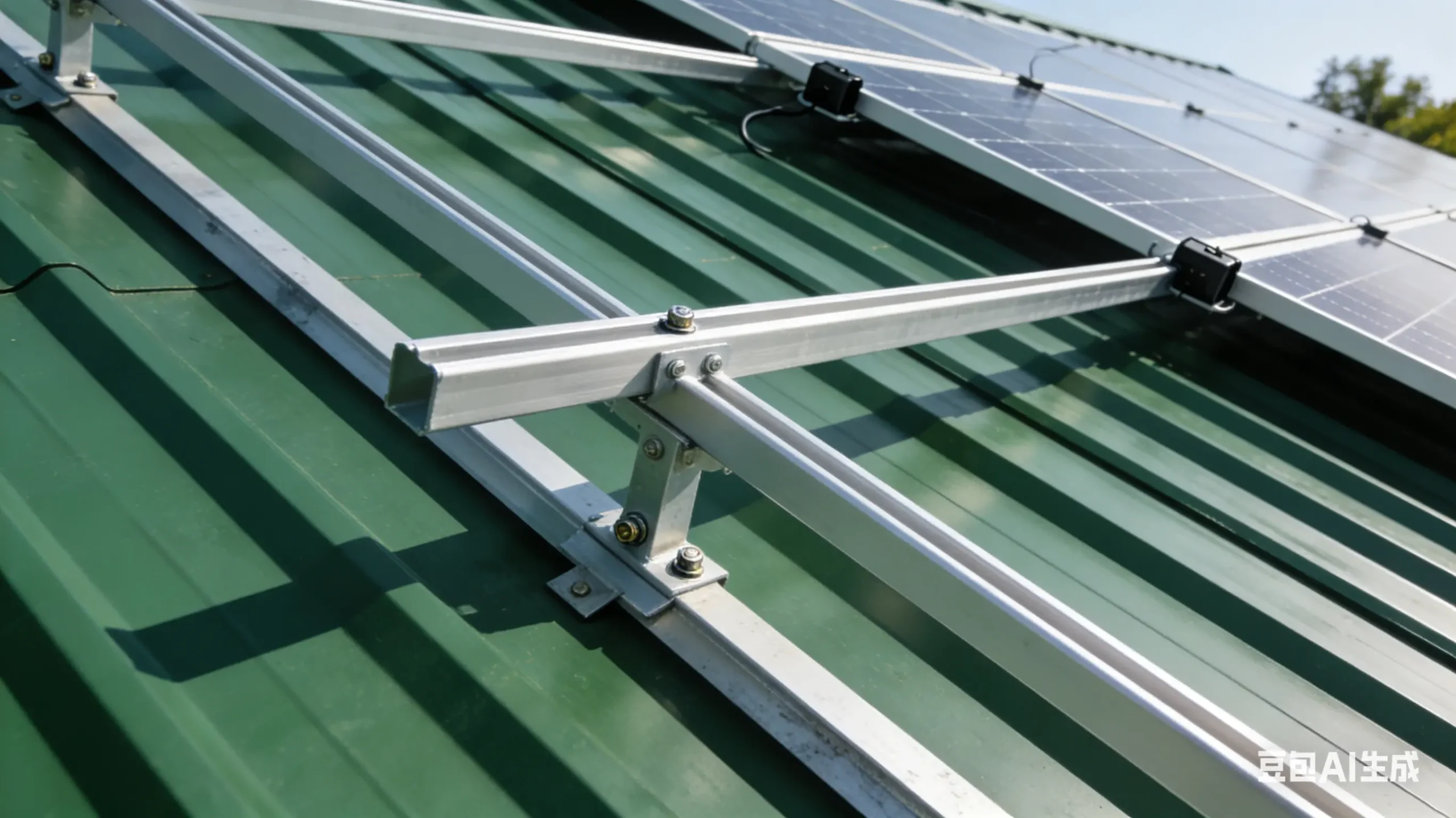
Forget forcing flat designs. Systems like Terra FLEX or single-post adaptive mounts follow the hill. Posts adjust independently, purlins flex with grade.
Some handle 30%+ slopes without grading. We love these — cut earthwork 50-80%, preserve topsoil, speed install.
One recent job: 20-acre hill project finished weeks early because we skipped bulldozers.
Essential Installation Precautions for Hilly Sites
Slopes demand extra care. Cut corners here, pay later.
Site Assessment and Geotechnical Testing First
Don’t guess. Soil tests, topo surveys, hydrology reports. Know frost depth, seismic zone, wind speeds.
We always push clients for this — avoids nasty surprises.
Drainage and Erosion Control — Don’t Skip This
Water is the enemy. Swales, berms, French drains divert runoff. Vegetation between rows stabilizes soil.
Miss this, and footings erode or panels flood.
Stability and Wind/Snow Load Considerations
Calculate for site-specific loads. Extra bracing, deeper embeds on windy hills.
Snow? Steeper tilts help shedding. We’ve seen 45-degree setups clear themselves fast.
Safety During Construction on Slopes
Tether workers, use stable access paths. Machinery on slopes needs chocks, spotters.
Rain days? Shut down — slippery disaster waiting.
Post-Install Maintenance Tips
Check for settling seasonally. Clear vegetation to avoid shading or rodent issues. Snow removal easier on ground mounts — use soft tools.
Annual torque checks on connections.
Real-World Examples and Lessons from SR Solar Projects
We did a 500 kW array on a 18% south-facing hill last year. Ground screws + adaptive racking. Yielded 18% above projections first year. Key lesson: Overbuild drainage — extra $5k saved $50k in potential fixes.
Another on rocky terrain used helical piles after screws refused to bite. Took longer, but rock-solid stability.
Clients often say the hill made solar “feel premium” — higher output, lower visual impact from below.
Wrapping It Up: Is Hilly Terrain Right for Your Solar Project?
Hilly sites aren’t for every project, but when they fit, they deliver big. With the right solar ground mount foundation for hilly terrain — ground screws or helicals on adaptive racks — you turn challenges into strengths. Better yield, easier upkeep, less grading mess.
At SR Solar, we’ve seen the difference firsthand. If your land slopes south and sun hits it clean, don’t write it off. Get a proper assessment, choose foundations wisely, plan for water and safety. The payoff in energy and ROI can surprise you.
Ready to explore your hilly site? Reach out — we’d love to chat specifics.
FAQ
What is the best foundation for solar ground mounts on hilly terrain?
Ground screws or helical piles usually win for their adaptability and minimal site disruption on slopes.
Can you install solar panels on steep hills without leveling the land?
Yes, terrain-adaptive mounting systems follow the natural grade, avoiding expensive earthwork.
Are ground-mounted solar systems more efficient on hills than flat land?
Often yes, especially south-facing slopes — they capture more direct sunlight and improve cooling.
What are the biggest risks when installing solar on hilly terrain?
Erosion from poor drainage, foundation instability, and access/safety issues during construction top the list.
How much more expensive is a hilly solar ground mount compared to flat ground?
Expect 20-40% higher costs mainly from custom engineering and adaptive foundations, but higher energy yield can offset it over time.