What makes a ground-mounted solar project environmentally responsible?
Is it simply the clean electricity it produces? Or should we also consider how the land is used, how the system is installed, and whether the same space can serve more than one purpose?
A well-designed ground-mounted solar system can be more than a long-term energy investment. It can also be a practical way to generate renewable electricity while making more responsible use of land and existing infrastructure.
From large solar plants on suitable open land to solar carports, agrivoltaic systems, and fishery PV, the idea is becoming broader: solar does not always have to compete with other uses of space. With the right planning, it can sometimes work alongside them.
So, what does an eco worthy ground mount really look like? The answer starts with more than the solar panels.
1. Generating Clean Electricity from the Sun
The most obvious environmental benefit of ground-mounted solar is also the most important one: generating electricity without directly burning fossil fuels during operation.
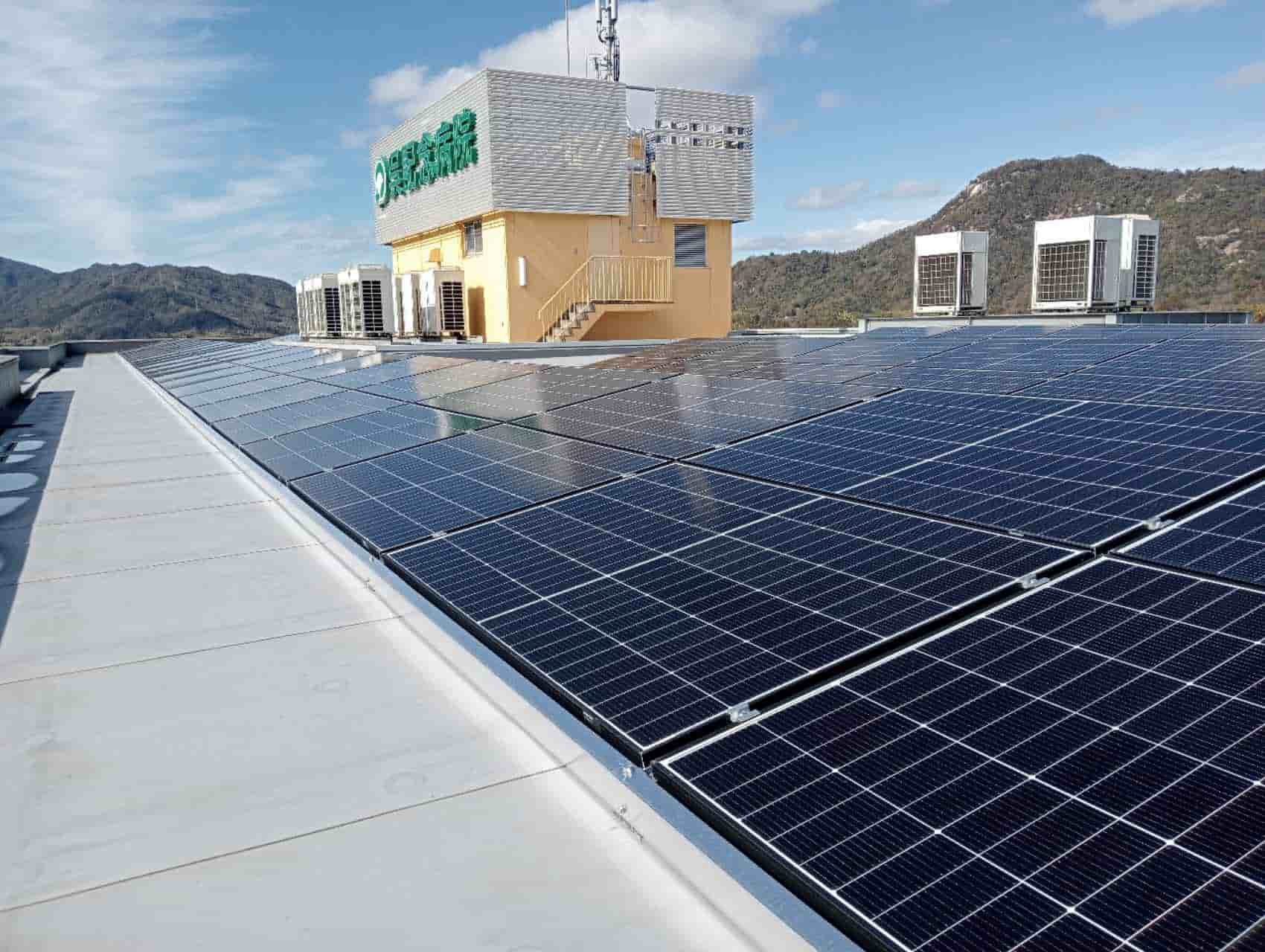
Traditional power generation can rely heavily on coal, natural gas, and other fossil fuels. Solar PV takes a different approach. It converts sunlight into electricity and can continue generating power for many years after installation.
For large commercial and utility-scale projects, this matters at a much larger scale.
A ground-mounted solar system can provide a significant amount of renewable electricity from a single site. Over its operating life, the system can contribute to reducing dependence on conventional electricity generation and support the broader transition toward a lower-carbon energy mix.
But clean electricity is only the beginning.
If we want to build more sustainable solar projects, we also need to ask a second question:
How can we use land more responsibly while generating that electricity?
2. Making Better Use of Suitable Underused Land
One common criticism of ground-mounted solar is that large projects require land.
That is a legitimate consideration. Solar development should not simply mean taking any available piece of land and covering it with panels.
The better question is:
Can suitable land that has limited alternative use become part of the clean energy infrastructure?
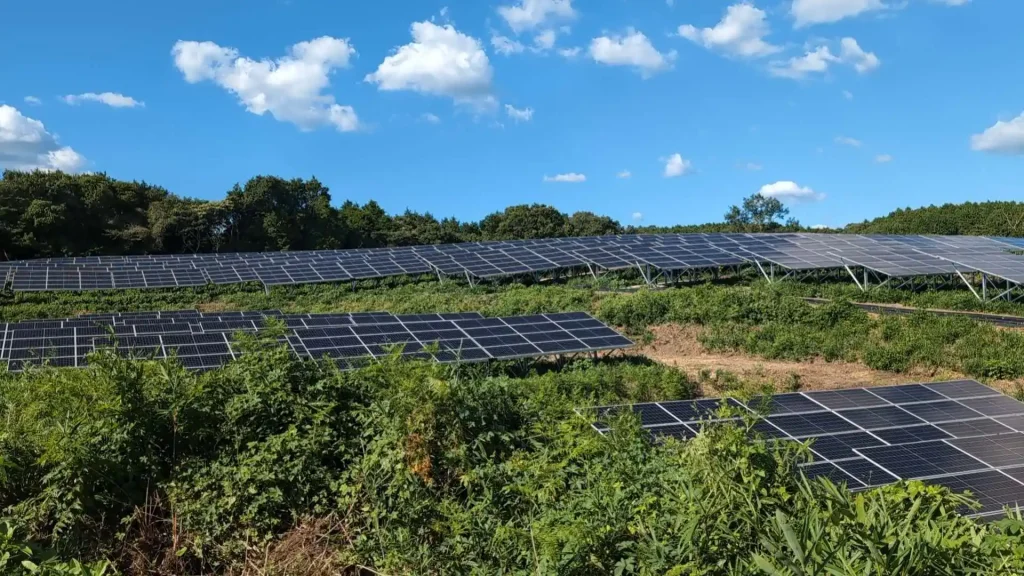
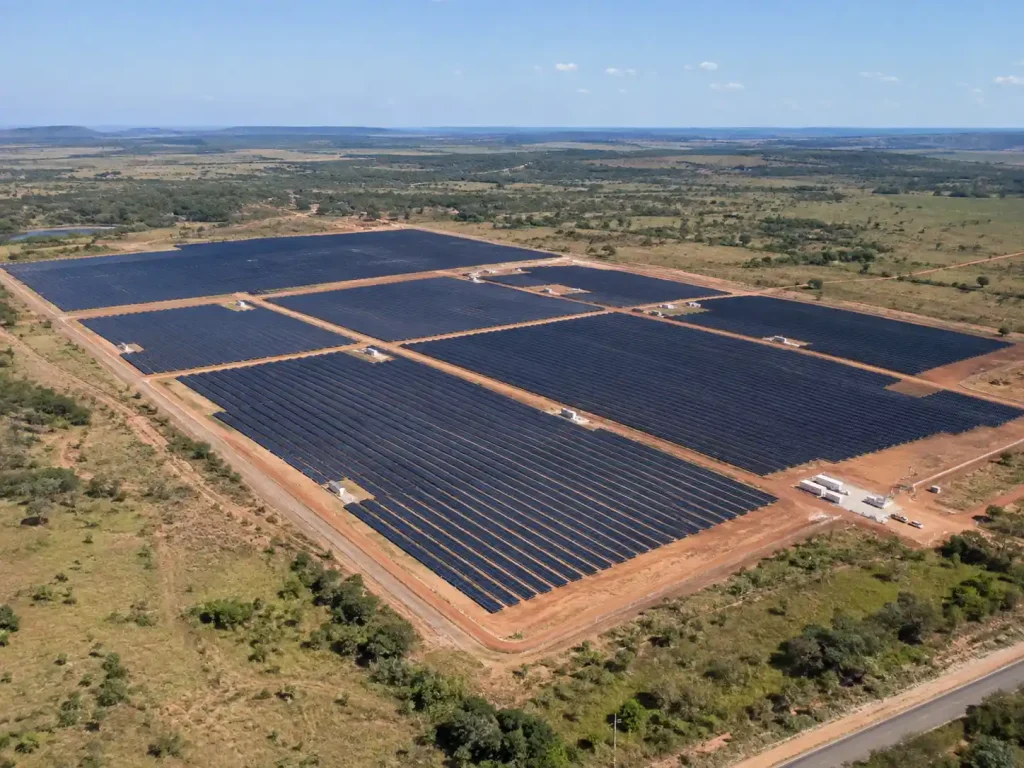
In some regions, large areas of land may have limited agricultural, residential, or commercial value because of their location, terrain, climate, or existing land-use conditions. Depending on local regulations and environmental requirements, some of these areas may be suitable for solar development.
Desert and semi-arid regions are examples often considered for large-scale solar projects. Open land can provide the space needed for large PV arrays without competing directly with dense urban development.
However, “unused” should never automatically mean “available.”
Sensitive ecosystems, protected areas, valuable agricultural land, and environmentally important habitats require careful assessment before development.
That is why responsible solar development is not about using more land.
It is about making better use of suitable land.
Good project planning considers the surrounding environment, access conditions, terrain, drainage, geotechnical conditions, and local land-use requirements before the mounting system is even selected.
3. Solar Does Not Always Need New Land
There is another way to think about land use.
Sometimes, we do not need to find new land at all.
Instead, we can make existing spaces perform more than one function.
Solar Carports: Turning Parking Areas into Energy Spaces
A solar carport is a simple example.
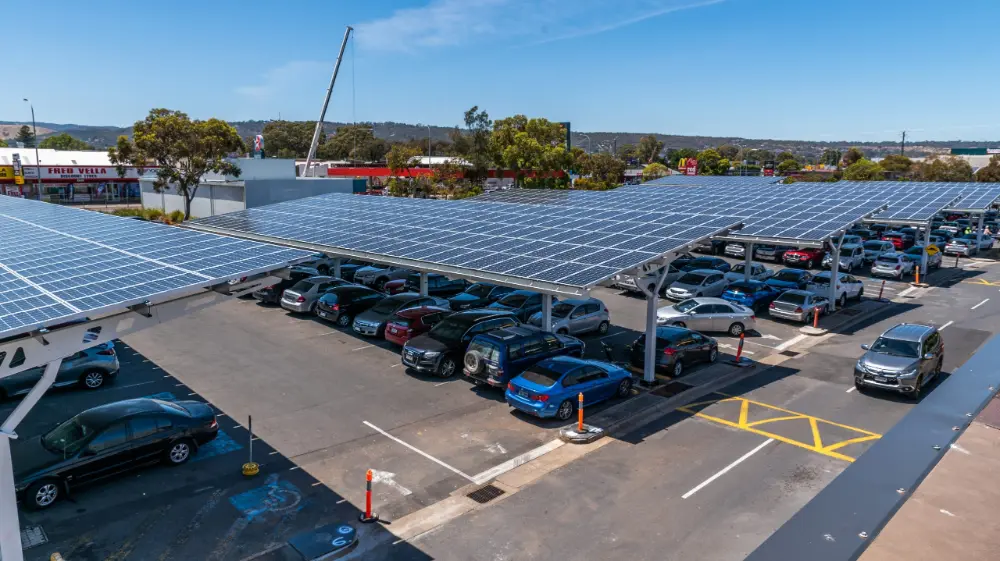
A parking area already occupies land. It has already been developed and is being used for vehicles. Adding a solar carport structure can allow the same space to provide another function: electricity generation.
The result is not simply a parking area with solar panels.
It can become a space that provides:
- Vehicle parking
- Solar electricity generation
- Shade for vehicles
- Potential charging infrastructure for electric vehicles
This is an important principle in sustainable design:
One space can sometimes serve multiple purposes.
Instead of always asking where we can build another solar plant, we can also ask where solar generation can be integrated into infrastructure that already exists.
For commercial facilities, logistics centers, shopping areas, factories, and large parking lots, this approach can be especially practical.
4. Combining Solar with Agriculture and Water
The idea of using one space for multiple purposes becomes even more interesting when solar is combined with agriculture or water-based activities.
Agrivoltaics: Combining Solar and Agriculture
Agrivoltaics, also known as Agri-PV, combines solar power generation with agricultural activities on the same land.
Instead of treating agriculture and solar as two completely separate land uses, the project is designed around both.
Depending on the crop, climate, structure height, panel arrangement, and agricultural operation, solar structures can be designed to allow farming activities to continue underneath or between the PV arrays.
This requires much more than simply placing panels above farmland.
The mounting structure needs to consider:
- Crop requirements
- Equipment access
- Working height
- Row spacing
- Sunlight conditions
- Irrigation
- Maintenance access
- Structural loads
The engineering challenge is therefore different from a conventional solar farm.
The objective is not simply to maximize the number of panels.
It is to create a system where energy production and agricultural use can coexist.
Fishery PV and Other Dual-Use Applications
The same thinking can be applied to water-based environments.
Fishery PV systems combine solar generation with aquaculture activities, allowing the same general area to support both energy production and fishery operations.
There are also other emerging approaches that combine solar with livestock, water infrastructure, industrial facilities, and other existing land uses.
The underlying idea is simple:
Solar does not always have to replace another activity. In some projects, it can work alongside it.
That is an important step toward more efficient use of land and resources.
5. The Solar Mounting System Also Matters
Here is where the discussion becomes more technical.
When people talk about environmentally friendly solar, they often focus on the panels.
But what about the structure supporting them?
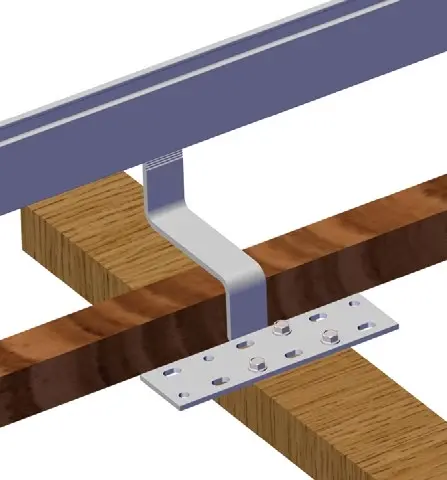
A solar mounting system is part of the project too. Its foundation, materials, structural design, manufacturing process, installation method, and expected service life all influence how efficiently the project uses resources.
An environmentally responsible solar project should therefore consider the mounting system from the beginning.
Choosing the Right Foundation for the Site
There is no single foundation that is best for every ground-mounted solar project.
Depending on the site conditions, a project may use:
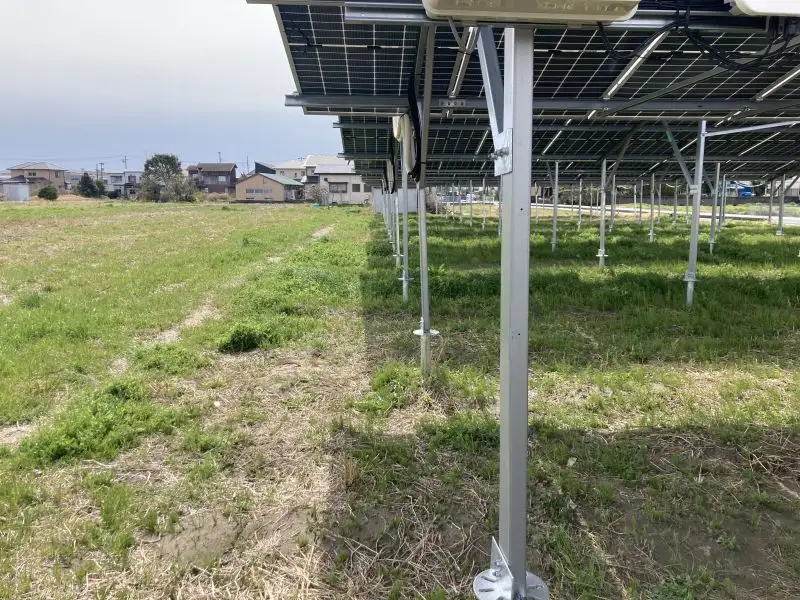
- Ground screws
- Driven piles
- Concrete foundations
The right choice depends on factors such as soil conditions, geotechnical information, wind and snow loads, terrain, structure design, and project requirements.
For example, ground screws or driven piles may be suitable for certain soil conditions where a driven or screwed foundation can provide the required resistance without extensive concrete construction.
In other projects, concrete foundations may be necessary because of soil conditions or structural requirements.
The environmentally responsible approach is not to declare one foundation type universally “green.”
It is to select the foundation that is appropriate for the actual site.
A common EPC error is to select the mounting structure first and only later discover that the foundation does not match the site conditions.
Good engineering works in the opposite direction.
Understand the site first. Then design the structure and foundation around it.
Material Selection Should Match the Environment
Material selection is another part of sustainable engineering.
Solar mounting systems may use materials such as aluminum, HDG steel, ZAM steel, and stainless steel, depending on the application and environmental conditions.
The goal should not simply be to choose the material with the lowest initial cost.
The project also needs to consider:
- Corrosion conditions
- Structural requirements
- Expected service life
- Local climate
- Maintenance requirements
- Transportation and installation efficiency
For example, a coastal project with high salt exposure may require a different corrosion strategy from an inland project with a relatively mild environment.
In our project experience, material selection works best when it starts with the actual site conditions rather than a one-size-fits-all product list.
A mounting system that remains reliable for its intended service life can reduce the need for premature replacement, additional maintenance, and unnecessary material consumption.
Efficient Structural Design Matters Too
Sustainable engineering does not necessarily mean using more material.
It means using the right amount of material for the actual structural requirements.
Wind load, snow load, module dimensions, tilt angle, array layout, foundation conditions, and structural spans all affect the final design.
A properly engineered system can balance structural performance with material efficiency.
This is why engineering calculations and verification are important.
The objective is not to build the heaviest structure possible.
It is to build a structure that is strong enough, durable enough, and appropriate for the site.
That principle is central to responsible solar mounting design.
6. A More Sustainable Solar Project Starts with Better Decisions
When we look at the entire project, the environmental value of ground-mounted solar becomes broader.
It starts with clean electricity.
Then comes responsible land selection.
Then comes the possibility of using existing spaces such as parking areas.
In other cases, solar can share land with agriculture or water-based activities.
And underneath all of these applications is the mounting system, which needs to be designed around the actual site rather than treated as a simple collection of metal components.
This gives us a more complete way to think about sustainable solar:
Energy + Land + Infrastructure + Engineering + Long-Term Performance
None of these elements should be considered separately.
A solar project that produces clean electricity but uses an unsuitable site is not an ideal solution.
A project that uses suitable land but has poor structural design may create unnecessary maintenance and replacement requirements.
And a project that has excellent equipment but ignores local environmental and land-use conditions is still incomplete.
The better approach is to consider the whole system.
7. Building a Greener Future, One Solar Project at a Time
Solar energy will not solve every environmental challenge.
But it can be an important part of a more sustainable energy system, especially when projects are designed with the surrounding environment and long-term resource use in mind.
The future of solar is not simply about installing more panels.
It is also about asking better questions:
Where should we build?
How should we use the land?
Can existing spaces support solar generation?
Can agriculture and energy production coexist?
Can the mounting structure be designed more efficiently?
Can we build systems that remain reliable for decades?
These questions shift the conversation from simply installing solar to designing solar responsibly.
At SR Solar, we believe responsible solar engineering starts with these decisions. From foundation selection and structural design to material selection, manufacturing, and project-specific engineering, every part of a mounting system has a role to play in long-term project performance.
A greener energy future is not built by solar panels alone.
It is built by making better decisions about where we build, how we build, and how responsibly we use the resources around us.
And that is where an eco-friendly ground-mounted solar project can create value far beyond electricity generation.
Frequently Asked Questions
1. Is ground-mounted solar environmentally friendly?
Ground-mounted solar can provide significant environmental benefits by generating renewable electricity without directly burning fossil fuels during operation. Its overall environmental impact also depends on factors such as site selection, land use, construction methods, materials, and long-term system performance.
2. Does ground-mounted solar use too much land?
Ground-mounted solar does require land, but responsible project planning can focus on suitable sites and efficient land use. Projects can also explore alternatives such as solar carports, Agri-PV, and other dual-use applications where solar generation can coexist with existing activities.
3. Can solar panels be installed on agricultural land?
In some regions, solar can be combined with agricultural activities through agrivoltaic or Agri-PV systems. However, the design needs to consider local regulations, crops, equipment access, sunlight requirements, structure height, spacing, and agricultural operations.
4. Are solar carports more environmentally friendly than traditional ground-mounted systems?
Solar carports can make efficient use of already-developed parking areas because the same space can provide parking, shade, and solar generation. Whether a carport is the better solution depends on the site, energy requirements, structural conditions, and project economics.
5. How can a solar mounting system reduce its environmental impact?
A mounting system can support more responsible project development through appropriate foundation selection, efficient structural design, suitable material selection, durable components, and efficient manufacturing and installation. The most important principle is to design according to actual site conditions rather than applying the same solution to every project.