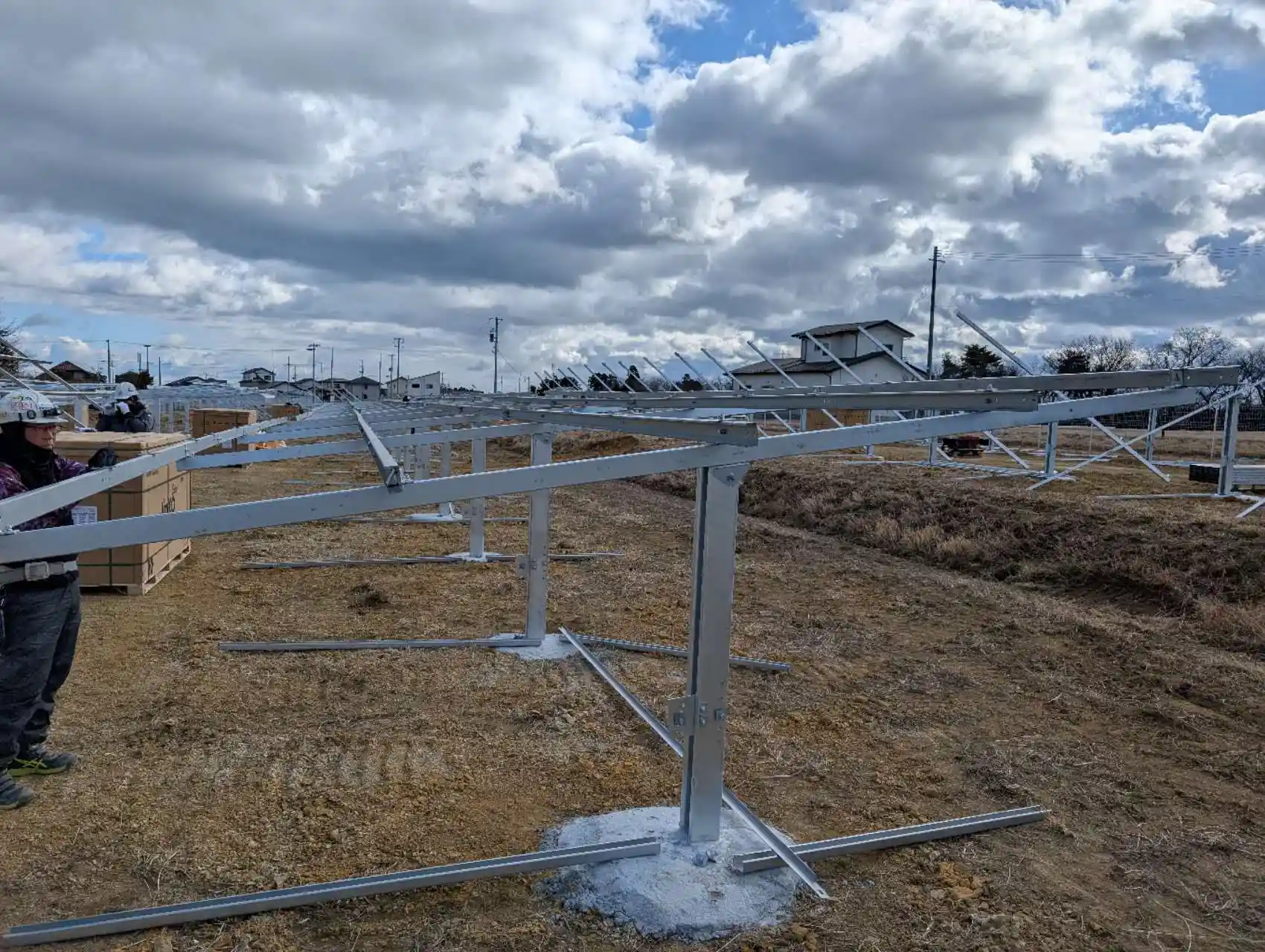
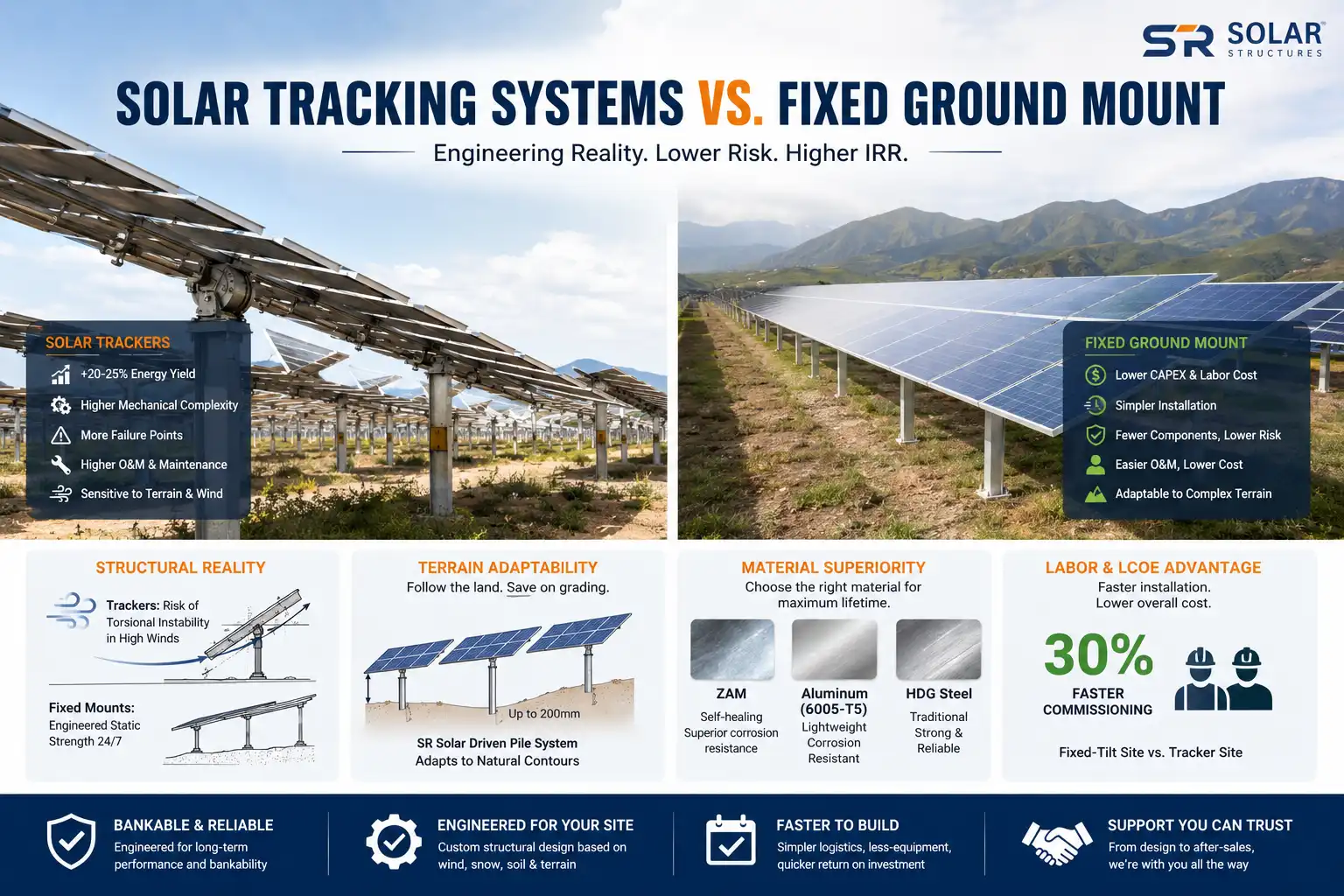
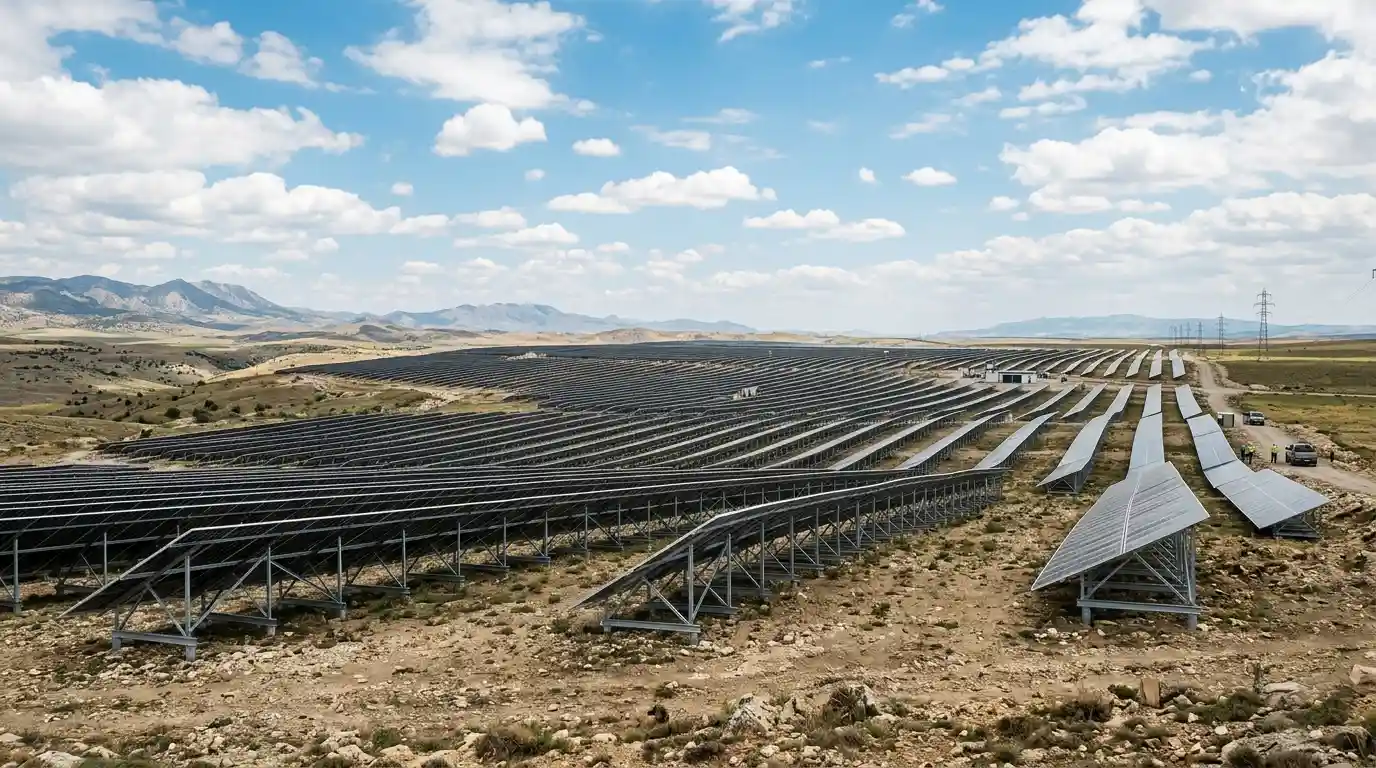
Let’s be honest for a second. If you’re an EPC or a PV project developer, you’ve probably had that one nightmare. You know the one—it’s three years after a successful C&I commission, a massive storm rolls through, and suddenly your phone is blowing up because the client has water dripping onto their expensive manufacturing equipment. Or worse, a section of the array decided it wanted to become a kite. Dealing with a windproof and waterproof roof mounting solution isn’t just a technical checkbox; it’s the thin line between a profitable 25-year asset and a massive legal headache. At SR Solar, we’ve seen enough “budget” mounts fail to know that a roof is a building’s most vulnerable skin, and we treat it with the respect it deserves.
The Elephant in the Room: Why Roof Integrity Keeps EPCs Up at Night
When we talk to IPPs and system integrators, the conversation always circles back to risk. You’re out there trying to maximize ROI, but the roof owner is worried about their warranty. It’s a classic tug-of-war. If you use a subpar windproof and waterproof roof mounting solution, you might save a few cents per watt upfront, but you’re essentially gambling on the weather. A single leak can wipe out a year’s worth of energy margins in repair costs and downtime.
Liability vs. Longevity: The High Cost of a Leaky Installation
I’ve stood on rooftops where the mounting “solution” looked more like a DIY project than an engineered system. The friction between solar installers and roofing contractors is legendary. Why? Because most mounting systems treat the roof as a secondary thought. At SR, we believe the mounting system should be an extension of the roof, not an intruder. By prioritizing a windproof and waterproof roof mounting solution, you’re not just installing panels; you’re selling peace of mind to the building owner. You’re telling them, “Hey, your roof is actually safer now than it was before we got here.”
The Non-Penetrative Philosophy: Keeping the Shell Intact
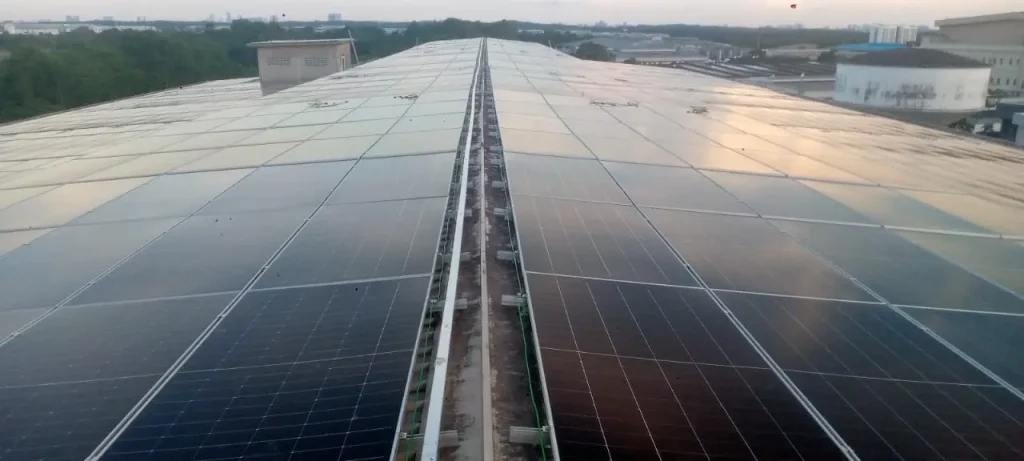
The best way to ensure a waterproof seal is, quite simply, to never make a hole in the first place. For many commercial buildings, especially those with standing seam metal roofs, this is the gold standard. Our approach at SR Solar revolves around the idea that the building envelope should remain a sealed fortress. A truly effective windproof and waterproof roof mounting solution leverages the existing geometry of the roof to create a rock-solid foundation.
Standing Seam Mastery: Precision Clamping Without the Piercing
We use precision-engineered AL6005-T5 aluminum clamps that act like a vice—strong, steady, and incredibly reliable. These clamps grip the ribs of the roof with a specific torque that provides massive pull-out resistance without ever puncturing the metal. This is a game-changer for B2B clients because it keeps the original roof manufacturer’s warranty fully intact. When you can tell a PV project developer that they don’t have to worry about “piercing the skin,” the approval process moves a whole lot faster.
Ballasted Systems: Gravity and Aerodynamics Over Anchors
What about flat concrete roofs? You can’t exactly “clamp” onto a flat slab without some serious effort. That’s where our ballasted windproof and waterproof roof mounting solution comes into play. Instead of drilling hundreds of holes into a concrete deck—which is basically inviting a future leak—we use a combination of strategic weight and advanced aerodynamics. By using wind deflectors, we change how air flows over the array, creating downforce that keeps the system pinned to the roof even during high-velocity gusts.
When We Must Penetrate: The Triple-Guard Waterproofing Strategy
Of course, we live in the real world. On tile or shingle roofs, you’re going to have to make some penetrations. It’s unavoidable. But “making a hole” shouldn’t mean “inviting a leak.” This is where the engineering behind a windproof and waterproof roof mounting solution really shows its teeth. We don’t just slap some silicone on a bolt and call it a day; that’s a recipe for disaster five years down the road when the UV rays have turned that sealant into brittle crackers.
EPDM Gaskets and Flashing: Your First and Last Line of Defense
At SR Solar, we utilize what we call “Triple-Guard” flashing. This involves high-grade EPDM gaskets that stay flexible in extreme cold and won’t melt in the desert heat. We combine this with oversized aluminum flashing plates that slide up under the existing roofing material. It’s about working with gravity. We redirect the water flow away from the mounting point, ensuring that even in a torrential downpour, the actual penetration point stays bone-dry.
Fighting Galvanic Corrosion Before It Starts
Have you ever seen what happens when two incompatible metals touch each other in a salty, humid environment? It’s not pretty. It leads to micro-fissures and structural fatigue. Part of a robust windproof and waterproof roof mounting solution is ensuring that every bolt, washer, and bracket is chemically compatible. We put our components through rigorous salt-spray testing because we know that a mounting system is only as strong as its smallest screw. If that screw corrodes, your waterproof seal goes with it.
The “Aero-Stable” Design: Taming High Wind Loads
Water is one enemy, but wind is the brute. High wind speeds create dynamic pressures that can literally peel a roof apart. If your mounting system isn’t “aero-stable,” you’re essentially installing a giant sail on top of a building. A high-quality windproof and waterproof roof mounting solution must be able to distribute these loads evenly across the building’s structural rafters, not just the surface material.
Static Analysis: Moving Beyond “One Size Fits All” Rail Spacing
One of the biggest mistakes I see in the field is using a “standard” layout for every project. The wind pressure on a coastal warehouse in Queensland is vastly different from a city center building in Tokyo. That’s why SR Solar provides project-specific static analysis. We calculate the optimal rail spacing and bracket density based on local codes like AS/NZS 1170.2 or JIS C 8955. It’s not just about being “strong enough”; it’s about being scientifically precise so you’re not over-engineering (and over-spending) or under-engineering (and risking failure).
Pre-Assembled Efficiency: Reducing Human Error on the Ridge
Let’s be real: the best windproof and waterproof roof mounting solution in the world won’t work if the guy on the roof is tired, hot, and forgets to seat a gasket properly. Human error is the silent killer of solar projects. To combat this, SR Solar delivers components that are pre-assembled as much as possible. When the waterproof seals are factory-fitted, you take the guesswork out of the installation. It’s faster, cleaner, and significantly reduces those “Soft Costs” that eat into your margins.
Adapting to the Elements: From Coastal Gusts to City Skylines
No two roofs are the same. You’ve got HVAC units, skylights, parapet walls, and weird drainage angles to deal with. A rigid mounting system just won’t cut it. Our engineering team loves a good challenge, and we provide tailored CAD layouts that account for these obstructions. Whether you’re dealing with a “Terrain Category 1” (completely open landscape) or a cramped urban rooftop, our windproof and waterproof roof mounting solution adapts to the environment. We adjust the structural thickness of our rails and the grip-strength of our clamps to match the specific wind pressure of your site.
The SR Solar Bottom Line: Turning Hardware into Risk Mitigation
If you’re a PV distributor or a wholesaler, you’re not just selling aluminum and steel. You’re selling a promise. By adopting SR Solar’s zero-damage mounting solutions, you’re giving your clients a competitive edge. They get lower insurance premiums because they can prove to underwriters that the structural safety is top-tier. They get lower O&M costs because the “leak call-out” becomes a thing of the past. And they get faster local building permit approvals because our documentation is certified and transparent.
Final Thoughts: Building for the Next 25 Years
At the end of the day, we’re all in this for the long haul. Solar is a marathon, not a sprint. Choosing a windproof and waterproof roof mounting solution is an investment in your brand’s reputation. When you work with SR Solar, you’re working with a team that obsesses over the details so you don’t have to. We want you to finish a project, move on to the next one, and never have to look back at the old roof unless it’s to admire how much energy it’s producing.
So, the next time you’re planning a C&I deployment, ask yourself: is the mounting system protecting the roof, or just holding the panels? With SR, it’s always both.
Five FAQs About Roof Mounting Solutions
1. Does using a non-penetrative clamp really hold up in hurricane-force winds?
Absolutely. Our clamps are designed to provide a mechanical grip that often exceeds the structural strength of the roof rib itself. When paired with our project-specific static analysis, we ensure the system meets or exceeds local wind load requirements, even in high-velocity hurricane zones.
2. Will the EPDM gaskets degrade over time due to UV exposure?
We use high-grade, UV-stabilized EPDM that is specifically formulated for harsh outdoor environments. Unlike standard rubber, our gaskets maintain their elasticity and sealing properties for the full 25-year expected lifespan of the solar array.
3. How does SR Solar help with the building permit process?
We provide comprehensive technical data sheets, CAD layouts, and structural certification documents. Having these ready-to-go helps streamline the approval process with local authorities and building inspectors, as they can clearly see the engineering rigor behind the windproof and waterproof roof mounting solution.
4. Can your ballasted systems be used in seismic zones?
Yes, though the design may require additional considerations. In seismic areas, we often use a hybrid approach or specific friction mats to ensure that the system remains stable during an event without requiring heavy roof penetrations.
5. Is the “Aero-Stable” design much more expensive than standard racking?
While the engineering is more advanced, the “total cost of ownership” is actually lower. By using aerodynamic principles to reduce the amount of raw material needed and speeding up installation with pre-assembled parts, we keep the price competitive while significantly reducing the risk of expensive future repairs.