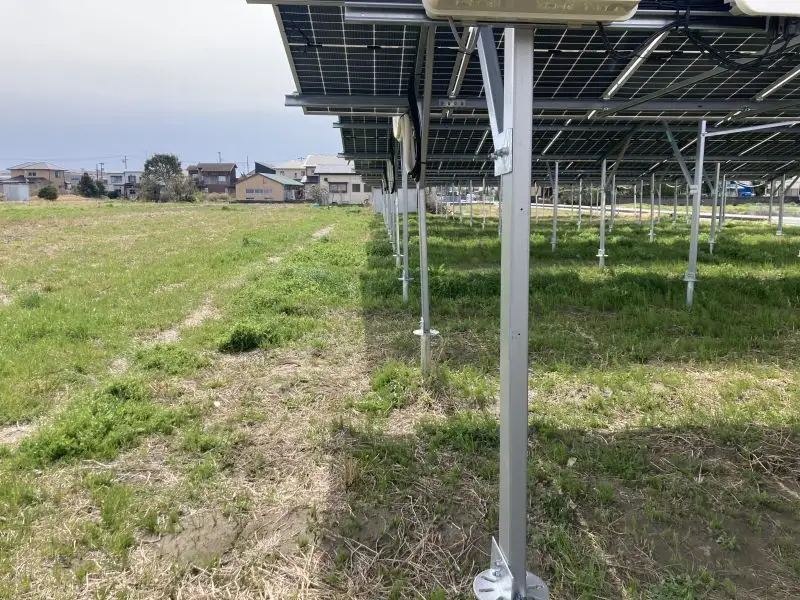
Agrivoltaics combines solar power generation with active agriculture on the same plot of land. Imagine solar panels perched high above crops or grazing areas, letting sunlight filter through while generating clean electricity. It’s not just about slapping panels on farmland — it’s a smart way to make every acre pull double duty without sacrificing food production.
This approach has exploded in interest lately because land is scarce, climate change hits hard, and everyone wants more renewable energy. For B2B folks like PV EPC contractors, system integrators, or project developers, agrivoltaics solves real pain points: avoiding land-use conflicts, improving project viability in bidding, and delivering systems that boost long-term returns. At SR Solar, we’ve seen how the right mounting solutions turn these projects from tricky to straightforward.
The Simple Definition of Agrivoltaics and Why It Matters Now
At its core, agrivoltaics means using land simultaneously for solar PV electricity and agriculture — crops, livestock, or even pollinator habitats under or between panels. Panels provide partial shade, which can protect plants from scorching heat or heavy rain, while the plants cool the panels through evapotranspiration, slightly bumping up energy output.
Why does this matter in 2026? Global energy demand keeps climbing, but so does the need for food security. Traditional solar farms often compete with farmland, sparking local pushback. Agrivoltaics flips that script — it maximizes land productivity, sometimes by 60-70% or more, and helps meet renewable goals without paving over fields. We’ve watched clients shift from pure ground-mount projects to these hybrid setups because they check boxes for sustainability reports and bank financing.
How Agrivoltaics Actually Works on the Ground
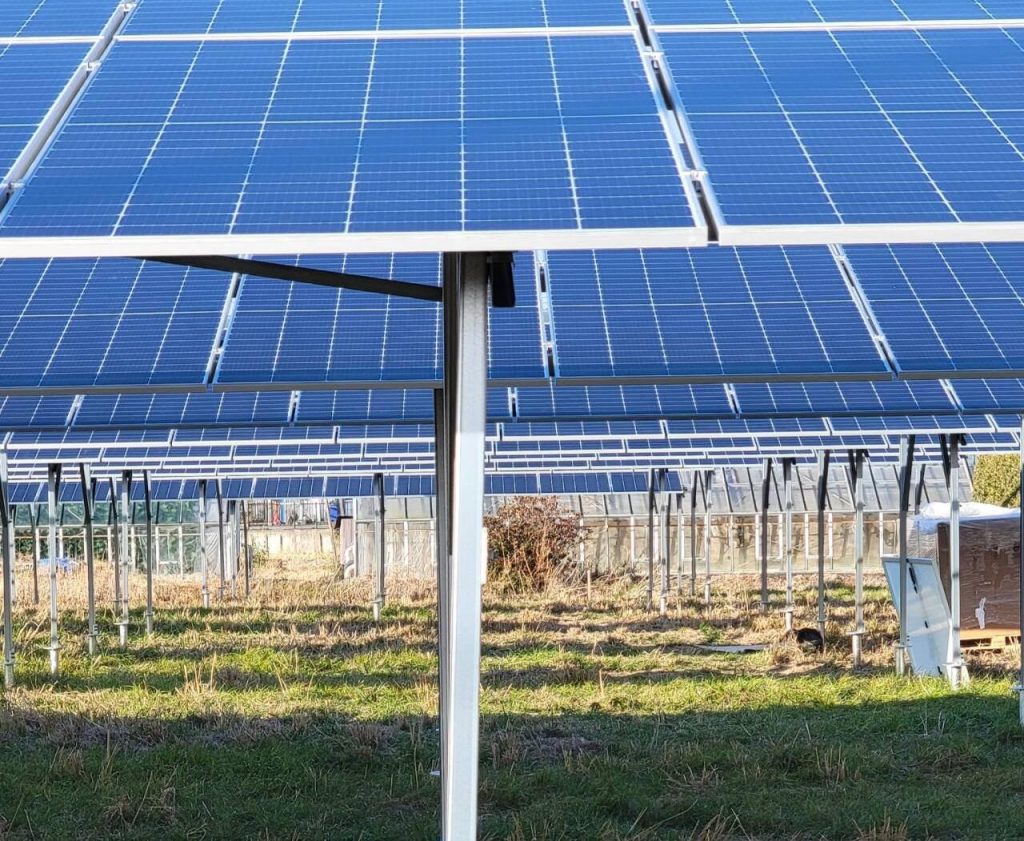
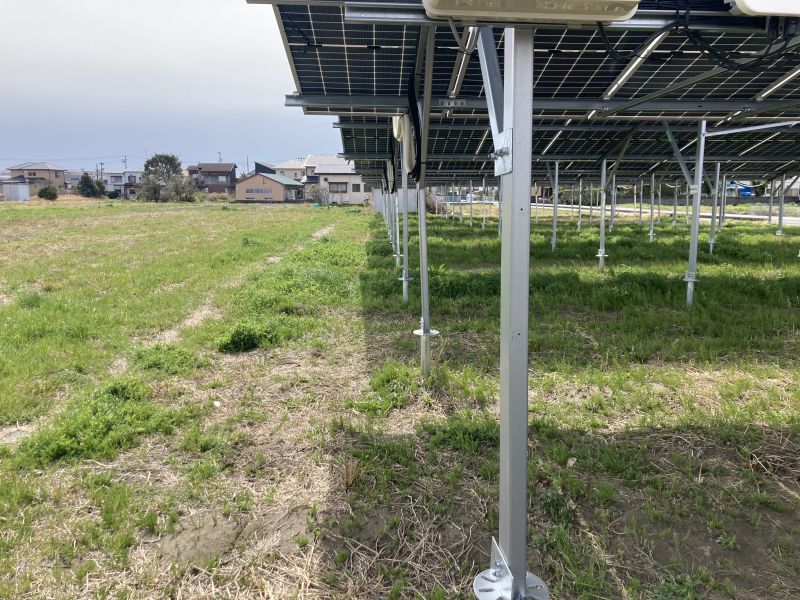
In practice, agrivoltaics installs elevated solar panels over agricultural land. The panels sit high enough for people, machinery, or even vehicles to pass underneath. Crops grow below, benefiting from dappled light, reduced evaporation, and protection from extremes.
The system captures sunlight for power while allowing enough through for photosynthesis. In 农光互补 setups common in China and beyond, greenhouse-style structures or open fields host panels on top, with veggies, fruits, or mushrooms thriving inside or below. It’s flexible — adjust panel spacing based on crop needs, create microclimates, and even power on-site irrigation or operations.
Key Characteristics of Agrivoltaic Systems
These systems stand out with taller structures — often 2-4 meters or higher for clearance. Panels can be spaced sparsely for sun-loving crops or denser for shade-tolerant ones. Materials need beefing up against stronger winds at height. Installation options include classic pile driving or hoop grips if clients prep foundations ahead.
Durability matters hugely — 25+ year warranties are standard because downtime kills returns. Compatibility with various terrains and quick adaptability during design tweaks keeps EPC teams happy.
The Big Differences: Agrivoltaics vs Traditional Ground-Mounted Solar
Ordinary ground-mounted solar keeps things low and dense, optimizing purely for energy yield. Agrivoltaics trades some efficiency for agricultural harmony, leading to distinct engineering choices.
Height and Clearance Requirements
Traditional setups hug the ground — panels maybe 0.5-1 meter up to cut costs and maximize tilt. Agrivoltaics demands much taller mounts, often 2.5 meters minimum, sometimes 4+ meters if tractors or trucks need access. Clients specify heights based on crops or equipment. At SR Solar, we routinely engineer these taller systems without compromising stability.
This height exposes structures to fiercer winds, so we use stronger steels or alloys. It costs more upfront, but pays off in dual revenue.
Panel Density and Light Management
In standard ground solar, pack panels tight for max generation. Agrivoltaics adjusts density — sparse for light-hungry plants like tomatoes, denser for shade lovers like berries. More density means higher power output but less crop light; it’s a balancing act.
This flexibility lets you tailor to specific crops, unlike rigid traditional arrays. We’ve helped integrators tweak layouts mid-project to match farmer feedback.
Structural Demands and Cost Implications
Higher = windier = pricier materials and foundations. Traditional ground-mount wins on raw cost per watt. Agrivoltaics adds 20-50% or more to bracket expenses due to elevation and reinforcement.
Installation varies too — pile driving works standard, but hoop grips suit prepped sites. Long-term, lower O&M from natural panel cooling and diversified income offset the premium.
Core Benefits of Agrivoltaics for Farmers and Energy Producers
The real draw? Mutual wins that make projects more bankable and sustainable.
Boosting Crop Yields and Resilience
Partial shade cuts heat stress, protects from hail or frost, and extends growing seasons in tough climates. Studies show some crops — leafy greens, berries — yield more under panels. Livestock get shade too, improving welfare.
For developers, this means happier farmers, smoother permitting, and stronger IRR from combined outputs.
Water Savings and Climate Protection
Shade reduces evaporation — big in arid zones — cutting irrigation needs by 20-30%. Plants retain soil moisture better. Panels shield from UV extremes, helping crops adapt to hotter weather.
This resilience appeals to owners holding assets long-term — lower O&M, steadier generation.
Extra Income Streams and Land Efficiency
Farmers earn from energy sales or reduced bills, plus crops. Land productivity jumps — one acre produces food and power. For distributors or integrators, this opens fragmented distributed projects with strong economics.
Environmental Wins and Long-Term Sustainability
Lower carbon footprint than separate farming and solar. Biodiversity benefits from habitats under panels. Reduced land conversion fights habitat loss.

Why SR Solar Brackets Excel in Agrivoltaic Projects
We design brackets specifically for these demands — high clearance, wind-resistant, customizable spacing. Our systems support quick adjustments, match major modules/inverters, and carry 25+ year warranties.
For EPC contractors on big ground projects or integrators on rooftops-turned-hybrid, our solutions pass technical reviews easily. Overseas agents love our certifications and flexible MOQs.
Tailored Solutions for Height, Wind Resistance, and Customization
We go beyond standard — engineer for client-specified heights, anti-corrosion for special scenarios, and easy assembly. Fast response on changes keeps timelines tight.
Real-World Vibes: Stories from the Field
I remember one EPC client in a windy region — they worried about stability at 3.5 meters clearance. We mocked up a design, tested wind loads, and delivered on time. Crops below thrived, power output beat expectations slightly from cooling. The farmer? Extra cash flow let him upgrade irrigation. Moments like that remind me why we push for these innovative setups.
Another time, a distributor bundled our brackets with panels for export — flexible labeling helped them win deals. Real partnerships, real results.
Wrapping It Up: Is Agrivoltaics Right for Your Next Project?
Agrivoltaics isn’t a fad — it’s a practical evolution blending energy and agriculture for better land use, resilience, and profits. It differs from plain ground solar in height, flexibility, and cost structure, but the benefits — higher yields, water savings, dual income — often outweigh them. If you’re an EPC contractor chasing reliable delivery, an integrator needing easy installs, or a developer eyeing IRR, these systems deserve a look. At SR Solar, we’re ready to help make yours succeed.
FAQ
What exactly is agrivoltaics?
Agrivoltaics is the practice of installing solar panels elevated above farmland to generate electricity while allowing crops or livestock to grow underneath, creating a dual-use system that maximizes land efficiency.
How does agrivoltaics differ from traditional ground-mounted solar?
Traditional systems keep panels low and dense for max energy, while agrivoltaics uses taller structures with adjustable spacing to permit farming access and light control, leading to higher costs but added agricultural value.
What are the main benefits for crop production?
Panels provide shade that reduces heat stress and evaporation, often boosting yields for certain crops, protecting against weather extremes, and improving water efficiency.
Does agrivoltaics really save water?
Yes — the shade cuts soil evaporation significantly, sometimes by 20-30%, helping in dry areas and lowering irrigation needs while maintaining crop health.
Is agrivoltaics more expensive than regular solar setups?
Upfront yes, due to taller, stronger brackets and custom engineering, but dual revenue from energy and farming, plus environmental perks, often make it economically superior long-term.