Metal roofs are super popular for commercial and industrial solar installs—they’re durable, reflect heat, and last forever. But when it comes to slapping solar panels up there, the mounting choice can make or break the whole project. We’re talking L feet (those classic penetrating L-shaped brackets) versus roof clamps (the non-penetrating grippers that hug standing seams). I’ve seen plenty of jobs where picking the wrong one led to headaches like leaks or blown budgets. This comparison breaks it down honestly so you can decide what’s best for your next rooftop array.
L Feet vs Roof Clamps: Which Solar Racking Solution Wins for Metal Roofs?
Picture this: you’re an EPC contractor staring at a massive warehouse with a shiny corrugated metal roof, or maybe a developer eyeing a standing seam setup on a distribution center. The solar racking has to hold up against wind gusts, snow loads, and decades of weather without turning the roof into a sieve. That’s where the debate between L feet solar mounting and roof clamp solar racking gets real. Both get the job done for metal roof solar installations, but they approach it differently—one drills in, the other clamps on. Let’s unpack them so you can see which fits your pain points better.
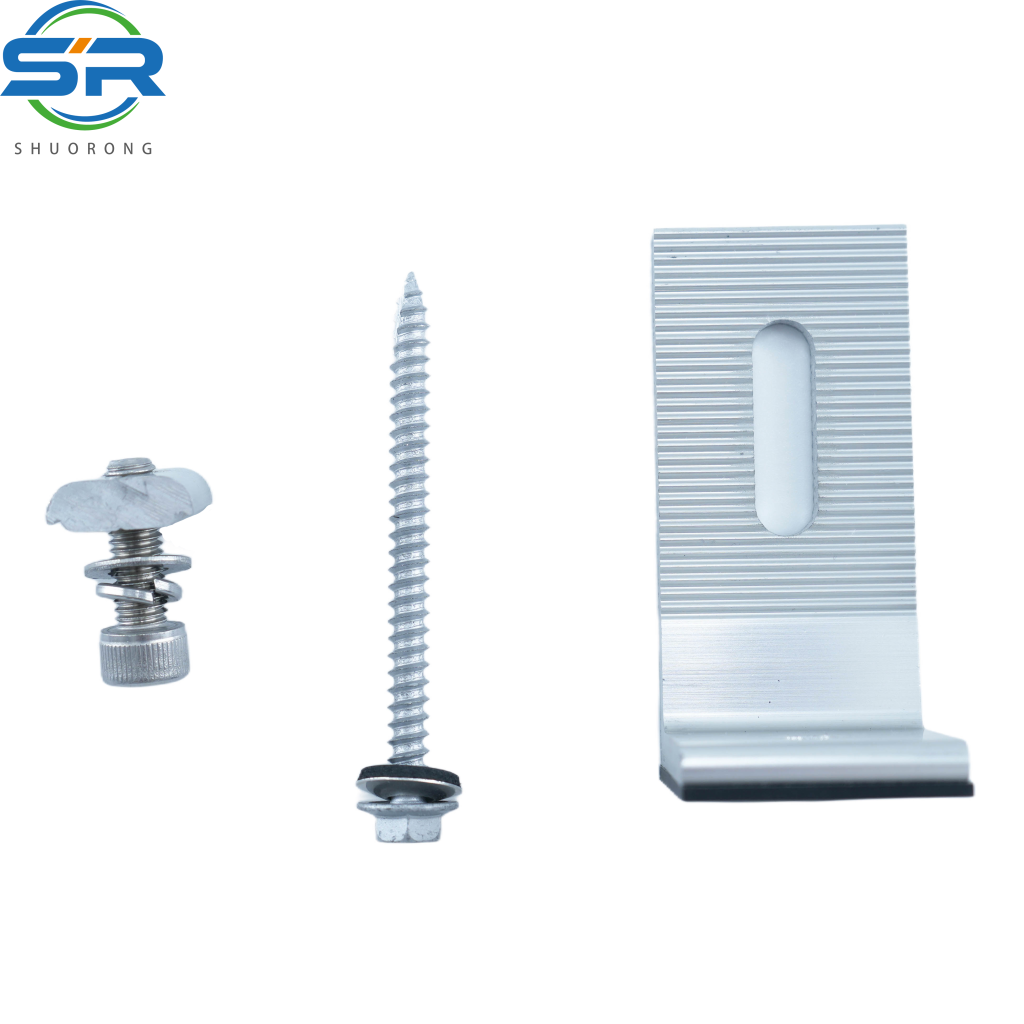
Understanding Metal Roof Types and Why Mounting Matters
Not all metal roofs are created equal. You’ve got standing seam (those raised, vertical folds), trapezoidal or corrugated (wavy panels with exposed fasteners), and even some shingle-style metal systems. The roof profile dictates everything. Standing seam roofs scream for non-penetrating options because drilling kills the warranty and invites leaks. Exposed fastener or trapezoidal roofs often lean toward penetrating mounts since they’re already screwed down everywhere. Picking the wrong solar bracket can void roof warranties, spike O&M costs, or worse, cause structural issues down the line. For B2B players like you—whether you’re an EPC handling big ground-mount-alternative rooftops or an integrator juggling C&I distributed projects—the mounting choice directly hits IRR, installation timelines, and client satisfaction.
What Are L Feet in Solar Racking?
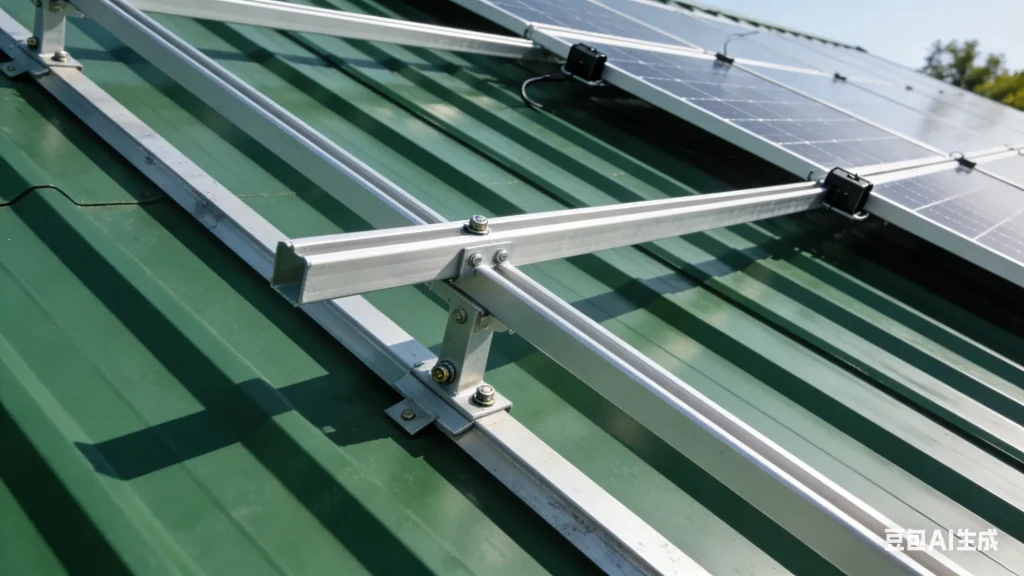
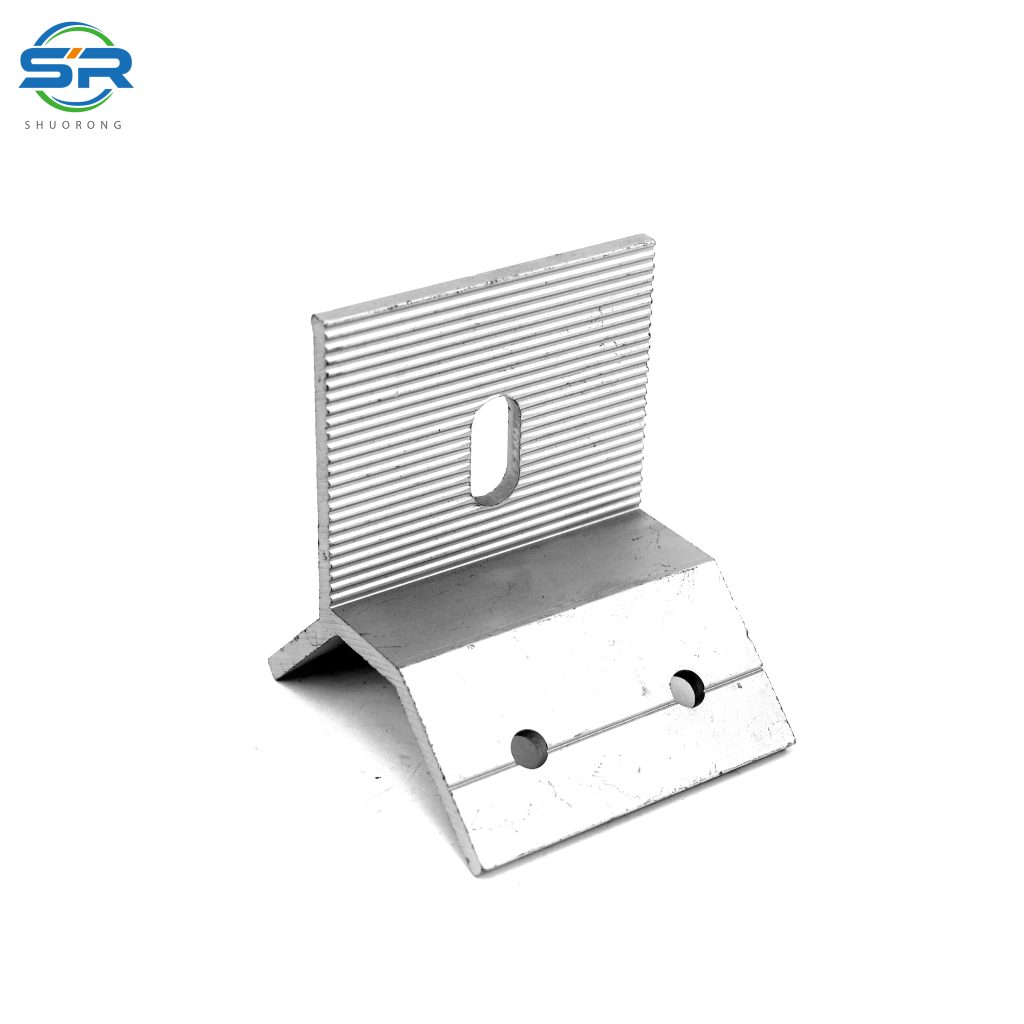
L feet are those simple, L-shaped aluminum or stainless steel brackets that bolt directly into the roof deck or purlins. They’re a go-to for many solar racking systems because they’re straightforward and versatile. You screw them down (usually replacing an existing roof screw or adding a sealed one), attach rails, and clamp your panels on. They’ve been around forever in residential and commercial installs.
How L Feet Work on Metal Roofs
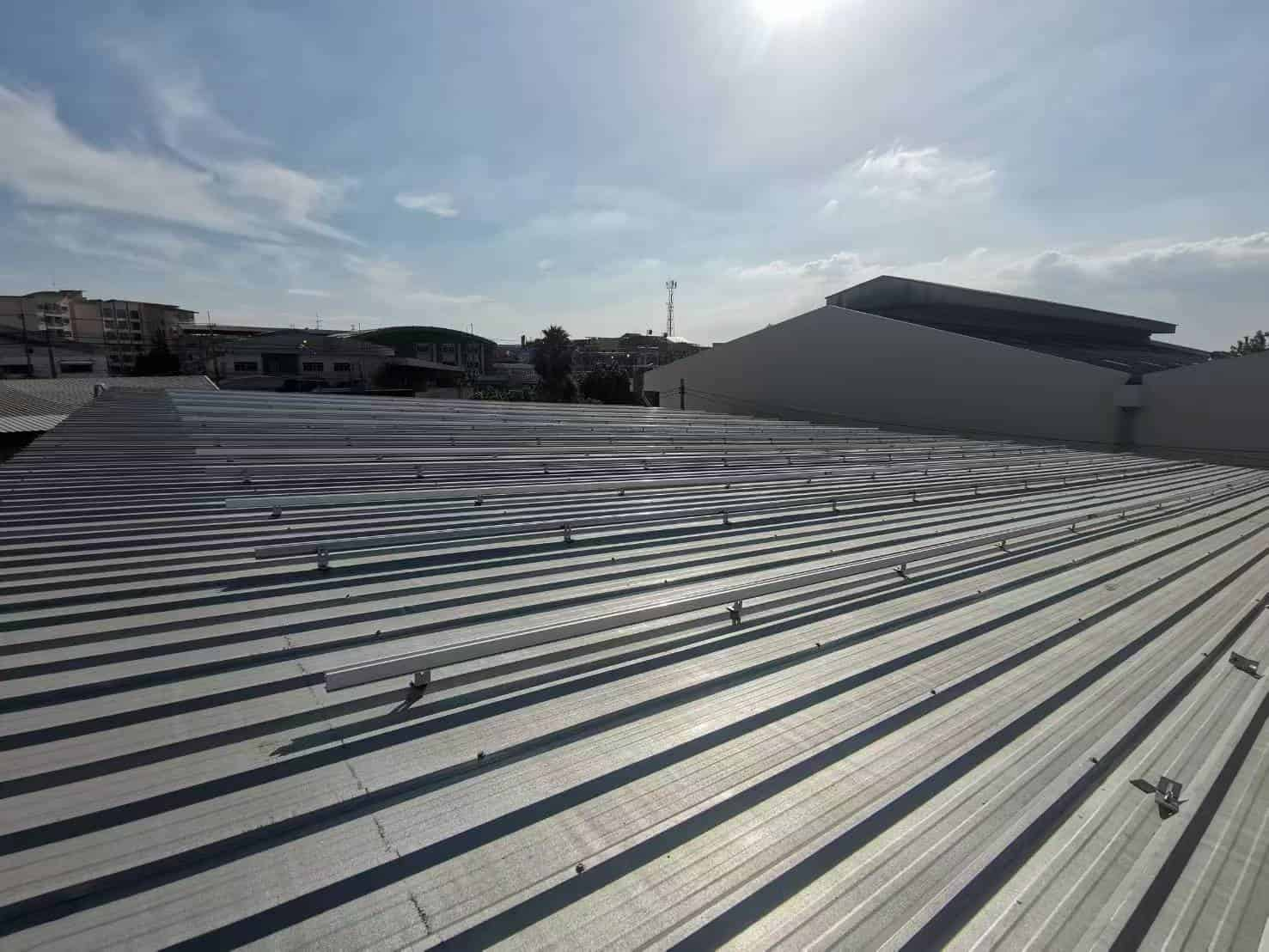
Installation starts with locating structural supports under the metal. You drill pilot holes, apply sealant or use pre-gasketed L feet, and torque down lag screws or self-tappers. Rubber gaskets or butyl tape seal the penetration. Rails slide onto the L feet, adjustable for tilt if needed. It’s penetrating, so you’re going through the metal into the structure below. Works great on corrugated, R-panel, or trapezoidal roofs where seams aren’t raised enough for clamps.
Key Advantages of L Feet Mounts
L feet shine in flexibility. You can adjust heights easily, tweak spacing for odd layouts, and they’re compatible with almost any rail system. Cost-wise, they’re cheaper upfront—materials run lower than specialized clamps. For high-wind or heavy-snow areas, they offer rock-solid pull-out resistance when hitched to purlins. Installers familiar with them work fast; no fancy tools beyond a torque wrench. I’ve watched teams knock out large C&I arrays quicker because they didn’t fuss with seam measurements.
Drawbacks and Potential Issues with L Feet
The big one? Penetrations mean leak risks if sealing fails. Thermal expansion on metal roofs can stress screws over time, leading to loosening or corrosion. Warranty concerns pop up—many roof manufacturers hate extra holes. In coastal spots, corrosion eats cheaper aluminum L feet faster unless you go stainless. And if the roof’s old or thin-gauge, finding solid attachment points gets tricky.
What Are Roof Clamps for Metal Roof Solar Mounting?
Roof clamps grip the raised seams of standing seam metal roofs without drilling. Set screws tighten to pinch the seam, then you bolt an L-foot adapter or rail directly. It’s non-penetrating magic that keeps the roof watertight.
How Roof Clamps Attach Without Penetration
Clamps slide over or snap onto the seam. Mid or side grips hold tight with torque-set screws that don’t pierce the metal. For standing seam, top-mount or side-mount styles exist. Rails or mini-rails attach, and panels clamp on. No holes in the roof membrane—everything stays above the water plane.
Major Benefits of Using Roof Clamps
Zero penetrations mean zero leak worries. Roof warranties stay intact, a huge win for developers and owners worried about long-term ROI. They’re ideal for premium standing seam roofs, distributing loads better with less added weight in rail-less setups. In high-wind zones, engineered clamps test stronger in uplift. Faster installs on uniform seams, less labor sealing. For integrators doing multiple small C&I jobs, the reliability sells itself to picky clients.
Limitations of Roof Clamp Systems
They’re pricier—clamps cost more than basic L feet, especially branded ones. Only work on standing seam roofs with accessible raised seams; forget them on flat corrugated or exposed fastener without adapters. Seam variations require exact matching, or you risk slippage. In super-high loads, some argue penetrating options edge out in sheer strength. Inventory can tie up cash for distributors if clients switch roof types last minute.
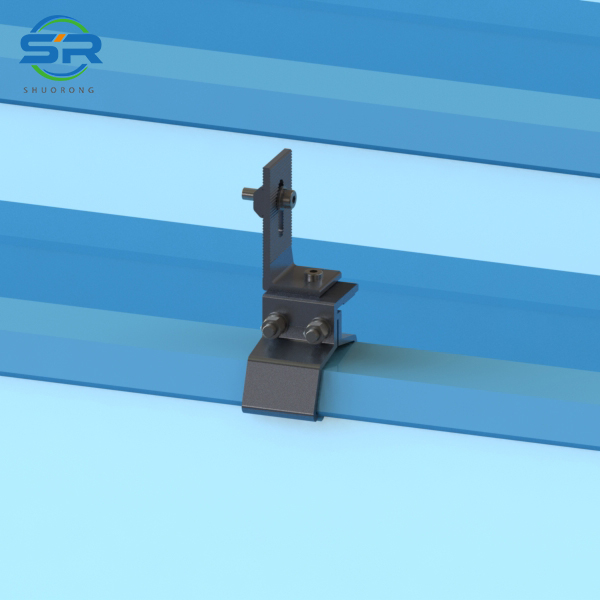
Head-to-Head Comparison: L Feet vs Roof Clamps
Let’s get straight to the matchup you came for.
Installation Speed and Labor Costs
L feet win for speed on common corrugated roofs—teams drill, seal, and move on. Roof clamps take longer measuring seams but save time on sealing. Labor costs favor L feet for large-scale EPC jobs; clamps shine when avoiding callbacks.
Waterproofing and Leak Risks
Roof clamps dominate here. No holes, no sealant failures over 25+ years. L feet rely on perfect sealing—gaskets degrade, screws back out. For risk-averse developers, clamps reduce O&M headaches big time.
Structural Strength and Wind/Snow Resistance
Both handle loads well when engineered right. L feet tie directly to structure for superior pull-out in extreme weather. Clamps spread loads across seams, great for lighter arrays. In typhoon-prone areas, hybrid approaches sometimes mix both.
Cost Breakdown and Long-Term Value
L feet cheaper initial buy and install. Clamps higher upfront but save on warranties, repairs, and insurance. Over 25 years, clamps often win on total ownership cost for standing seam.
Compatibility with Different Metal Roof Profiles
L feet: universal for trapezoidal, corrugated, exposed fastener. Roof clamps: standing seam kings, limited elsewhere without mods. Match your roof first.
When to Choose L Feet for Your Solar Project
Go L feet when you’ve got corrugated or trapezoidal metal roofs, tight budgets, or need max flexibility for custom tilts. Perfect for EPCs on large distributed projects where penetration isn’t a deal-breaker and sealing protocols are tight. If your client’s roof already has screws everywhere, adding a few more won’t shock anyone.
When Roof Clamps Are the Smarter Pick
Standing seam roof? Clamps every time. Prioritize leak-proofing, warranty preservation, or low added load for older buildings. Integrators love them for C&I rooftops where clients demand “no holes” for financing or insurance. Offshore or corrosive environments? Clamps reduce failure points.
How SR Solar Helps You Pick and Customize the Best Option
At SR Solar, we’ve supplied thousands of metal roof racking kits to EPCs, integrators, and developers just like you. We don’t push one over the other—we dig into your project specs: roof profile, wind zone, panel type, even inverter compatibility. Need semi-custom L feet with extra corrosion protection? Done. Want clamps pre-adapted for your standing seam gauge? We handle it. Our team runs load calcs, provides full certs (TUV, CE), and supports quick-turn samples. For big orders, we lock in framework pricing and on-time delivery that keeps your timelines safe. We’ve turned “which one?” headaches into smooth procurements more times than I can count.
Wrapping It Up: Making the Right Call for Your Metal Roof Solar Setup
Choosing between L feet and roof clamps for your metal roof solar racking isn’t about one being universally better—it’s about matching the mount to the roof, the loads, and your business goals. L feet bring affordability and versatility for many common setups, while roof clamps offer unbeatable leak protection and warranty peace on standing seam. Weigh the pros against your specific pain points: delivery speed, long-term reliability, or cost-performance. The right choice boosts efficiency, cuts risks, and maximizes returns. Reach out to SR Solar—we’ll review your drawings and recommend (or customize) the perfect solar bracket solution that fits like it was made for your project.
FAQ
1. Can I use L feet on a standing seam metal roof? Usually no—L feet require penetration, which risks leaks and voids warranties on standing seam. Stick to roof clamps for those roofs unless using special adapters, but even then, clamps are safer and more reliable.
2. Are roof clamps more expensive than L feet for solar mounting? Yes, upfront costs run higher for quality roof clamps due to engineering and materials. But they often save money long-term through fewer repairs, preserved roof warranties, and lower O&M—especially on premium commercial metal roofs.
3. Which is better for high-wind areas: L feet or roof clamps? Both can work if properly engineered, but L feet often edge out in pull-out strength since they anchor directly to structure. Roof clamps excel in load distribution on standing seam—always check stamped calcs for your zone.
4. Do roof clamps work on corrugated or trapezoidal metal roofs? Not directly—clamps need raised seams. For corrugated/trapezoidal, L feet or specialized penetrating brackets are standard. Some hybrid adapters exist, but they’re less common and may not perform as well.
5. How does SR Solar decide between L feet and roof clamps for a client? We start with your roof type, project scale, location risks, and budget. Then factor in compatibility, certifications, and delivery needs. We provide options with full specs so you pick what optimizes your IRR and eases procurement headaches.