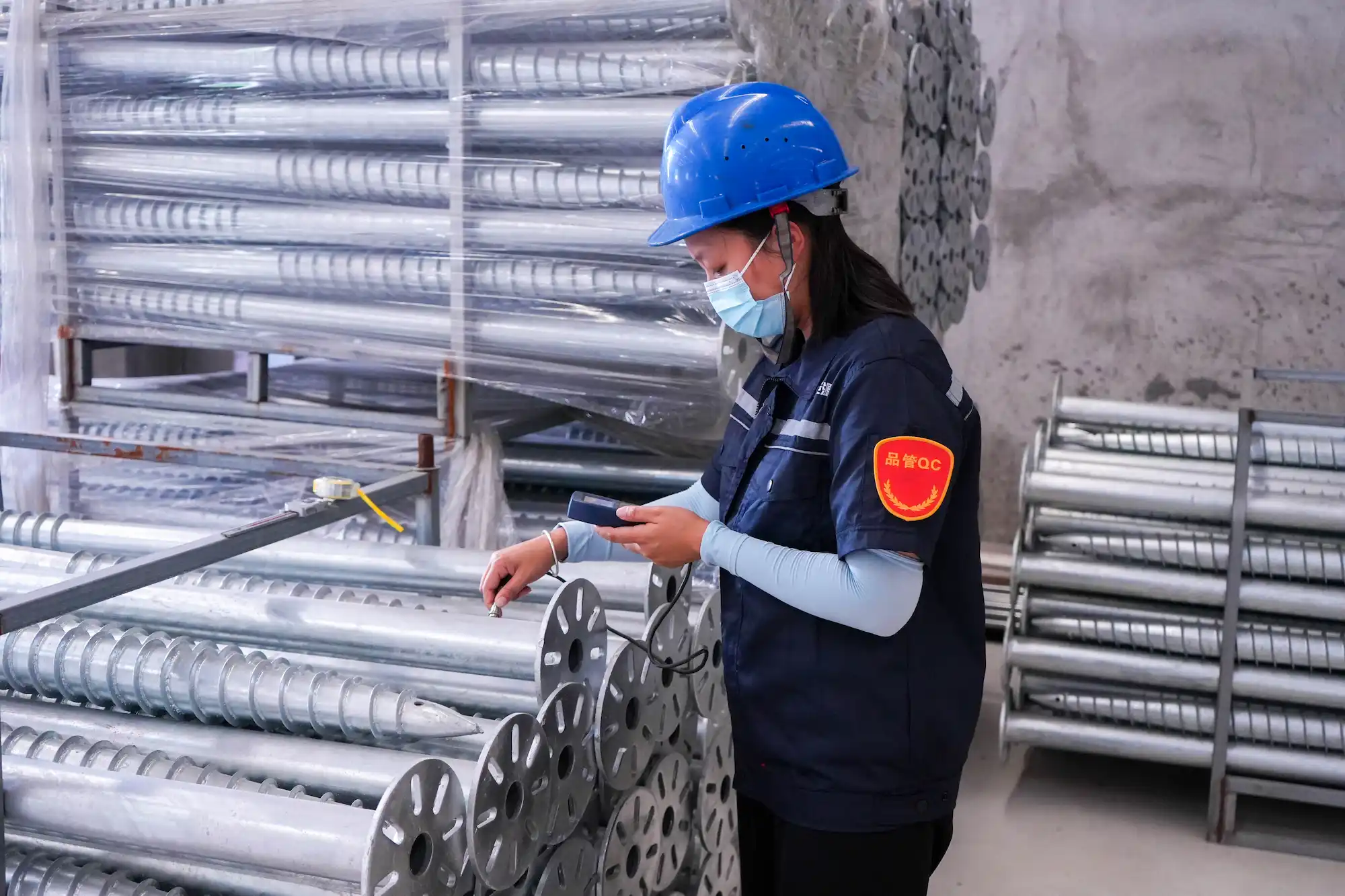
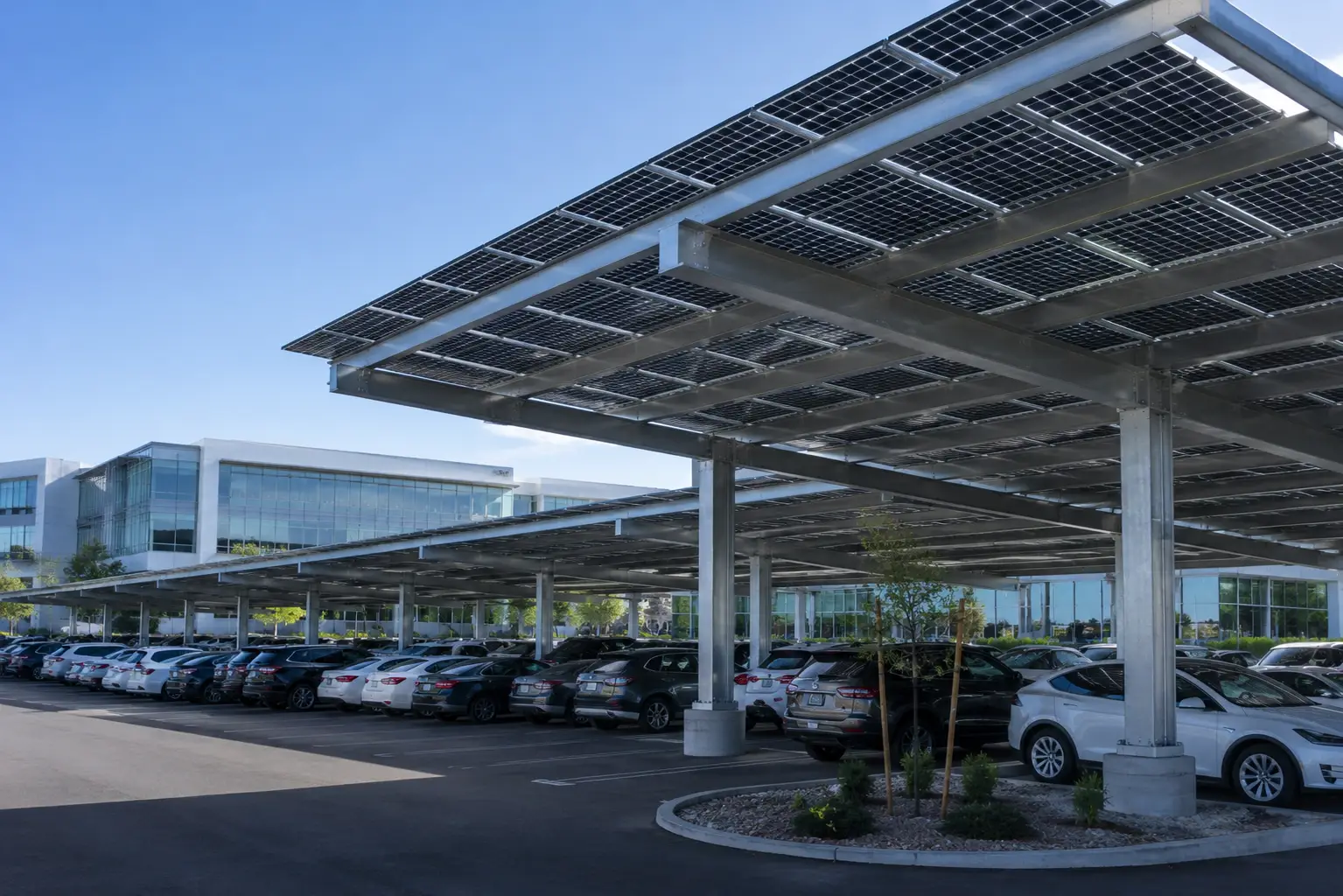
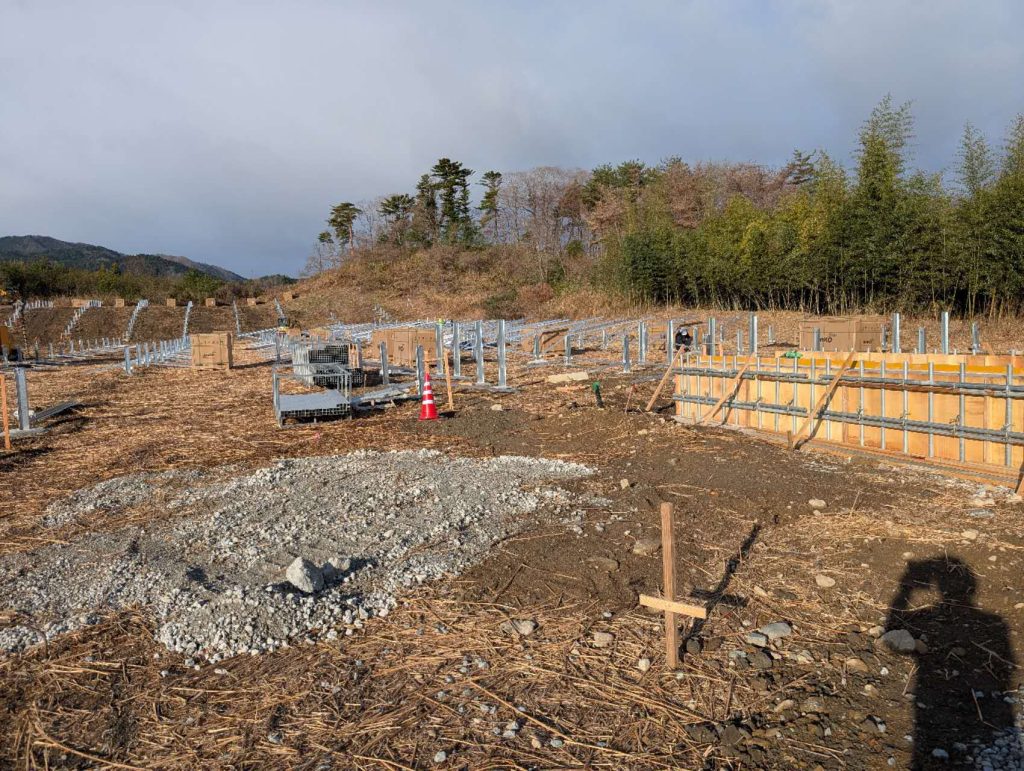
Picture this: wide-open fields in the KZN Midlands, machinery humming as piles drive deep into the earth, setting the foundation for what will soon be a humming 3.7MW solar farm. That’s exactly where we are right now at SR Solar with our East-West Tilt Aluminum Ground Mounting System. This isn’t some finished postcard project—it’s live, in the piling stage, and we’re thrilled to share the progress. The East-West Tilt Aluminum Ground Mounting System lets panels face both directions for longer daily harvest, packs way more capacity into the land, and uses tough aluminum that shrugs off South Africa’s humidity and rain. For anyone hunting reliable ground mount solutions, especially in places like KZN where land matters and grid timing is key, this setup feels like the smart play.
The Midlands area offers great sun hours but throws challenges like uneven terrain and variable soil. Our east-west design spreads energy production across morning and afternoon peaks, which fits perfectly with when South Africa needs power most. Traditional north-facing arrays blast midday, but this flattens the curve—earlier start, later finish. And aluminum? It keeps things light, fast to install, and rust-free for decades.
What gets me excited is watching the site come alive. Piles going in now mean we’re one big step closer to flipping the switch. It’s hands-on work that reminds me why we love this industry—turning plans into real impact.
Understanding the East-West Tilt Aluminum Ground Mounting System
At its core, an East-West Tilt Aluminum Ground Mounting System arranges solar panels in paired rows—one tilting east, the other west—like a continuous peaked roof across the field. No single-direction focus here; it’s dual-facing for balanced capture all day long.
We build it from high-grade aluminum extrusions, anodized for extra protection. Tilt stays modest, often 10-20 degrees, cutting wind stress and allowing tighter rows. That means higher density without the shading fights you see in steeper north-south setups.
In ground-mounted projects, this translates to real gains. More panels per hectare, smoother install, and production that aligns better with daily needs. I’ve seen sites where switching to east-west turned marginal land into a powerhouse.
Why East-West Tilt Makes Sense Over Traditional North-South in South Africa
North-south has ruled for max annual yield, but east-west often wins on value, especially here.
Flatter Production Curve Matches Peak Demand Better
Morning and late afternoon see higher demand or tariff rates. East side kicks in at sunrise, west side carries into evening. North-south peaks hard at noon then drops.
In South Africa, where load-shedding hits unpredictably, that extended window means more usable power when it counts. Data from similar setups shows east-west can deliver higher effective value per kWh, even if total annual output sits 10-15% lower.
It’s like trading a sharp sprint for steady marathon running—better for grid support.
Boosted Panel Density for Smarter Land Use
Rows pack closer because low tilt reduces inter-row shading. Developers report 20-75% more panels per area, depending on site.
For KZN Midlands farms or commercial plots, that preserves valuable land. Our 3.7MW fits neatly without sprawling.
Easier Install and Less Shading Worries
Lower profile means simpler assembly and fewer adjustments. Back-to-back sharing cuts materials too.
Crews move faster, especially on sloped ground. Less shading headaches overall.
Why Aluminum Stands Out in Ground Mount Solar Structures
Aluminum isn’t hype—it’s practical for East-West Tilt Aluminum Ground Mounting Systems.
Superior Corrosion Resistance for KZN’s Climate
Humidity, rain, occasional coastal influence—aluminum’s oxide layer fights back naturally. Anodizing pushes it further.
Steel needs constant checks; aluminum just endures. We’ve seen 15+ year installs stay clean.
Lightweight Strength Speeds Up Everything
Third the weight of steel, but alloys hold strong. Transport easier, lifting safer, foundations smaller.
During piling, this lightness means less strain on equipment and crews.
Built for Longevity with Minimal Upkeep
25-year+ life common. Handles expansion, no warping. OPEX stays low.
Clients notice—no rust calls after years.
Spotlight on SR Solar’s 3.7MW East-West Tilt Project in KZN Midlands
This one’s close to home. We’re supplying and overseeing the East-West Tilt Aluminum Ground Mounting System for a 3.7MW ground mount in KZN Midlands.
Project Basics and Site Overview
Rolling terrain near key access points, solid irradiance. 3.7MW means serious scale—thousands of panels feeding clean energy.
Our aluminum racking with east-west dual tilt uses ground piles for stable hold.
Our Decision to Go East-West Tilt Aluminum Ground Mount
Land optimization and production timing sealed it. Client prioritized density and peak alignment. Aluminum added durability in wet conditions.
Felt like the right fit from day one.
Current Phase: Piling Foundations in Full Swing
Right now, we’re deep in piling—driving ground screws or piles to anchor everything securely. It’s the backbone stage.
Photos show the machinery at work, piles sinking in, aluminum parts waiting. Progress feels tangible.

Overcoming Site-Specific Challenges During Piling
Some spots had variable soil—clay mixes, rocks. We adjusted pile depths and types on the fly.
Weather cooperated mostly, but rain meant careful sequencing. Team’s experience kept us moving.
Early Wins and What Comes Next for Performance
Piles in give confidence in stability. Next: racking assembly, panel mounting. Yield projections look strong—extended curve, high density.
Can’t wait to see data once it’s live.
How East-West Tilt Aluminum Systems Align with South Africa’s Solar Needs
Renewables boom here—private PPAs, self-gen. This system slots in nicely.
Tackling Load-Shedding with Timed Energy Output
Extended hours reduce battery needs or grid reliance during peaks.
Fueling Growth in KZN’s Commercial and Utility Scenes
Midlands projects inspire more. Scalable, reliable.
Balancing Environmental Impact and Economic Gains
Less land cleared, jobs created, long-term savings.
Feels meaningful.
Dive into SR Solar’s Technical Design Choices
We tailor every detail.
Optimal Tilt Angles and Structural Toughness
10-15° each side—low wind load, solid integrity via aluminum profiles.
Adapting to Local Ground and Soil Conditions
Piles customized for soil tests. Adjustable for slopes.
Seamless Fit with Panels, Inverters, and More
Standard modules clip in. Grounding integrated. Works with various inverters.
Practical Advantages We’ve Delivered in Similar Setups
Patterns from past projects.
Cutting Costs on Land Prep and Foundations
Tighter layout, lighter materials—savings add up.
Quicker Path to ROI via Optimized Yields
Timing boosts value, density accelerates payback.
Real Feedback from Clients on the Ground
“Steady output changed everything.” Love hearing that.
East-West Tilt vs Other Ground Mounting Choices
Vs north-south: flatter curve, more density, minor annual dip. Vs trackers: simpler, cheaper, no motors. Often the sweet spot.
Vs rooftop: freer scaling.
Looking Ahead: East-West Aluminum in Growing Markets Like South Africa
Land pressure and grid evolution favor this. Aluminum keeps it affordable, durable.
SR Solar’s committed to pushing it further.
Final Thoughts on This Game-Changing Approach
Our East-West Tilt Aluminum Ground Mounting System at the 3.7MW KZN Midlands site, now in piling phase, proves smart design meets real progress. It delivers extended harvest, land efficiency, tough aluminum build, and perfect fit for South Africa’s energy story. Watching piles go in reminds us—the future’s being built right now. If you’re planning ground solar, this could be your move. We’re proud at SR Solar and ready for more.
FAQs
What sets an East-West Tilt Aluminum Ground Mounting System apart from standard ones?
It splits panel facing east and west with aluminum frames for lighter, rust-proof support. This extends daily output and crams more panels into less space.
Does east-west tilt work well in South African spots like KZN Midlands?
Yes—it matches morning/evening demand, handles humidity via aluminum, and maximizes land in agricultural areas.
How much extra density comes with east-west tilt setups?
Typically 20-75% more panels per hectare than north-south, cutting land needs while keeping shading low.
Why pick aluminum for ground mounts in rainy or humid areas?
Its corrosion resistance lasts decades with little maintenance, unlike steel that might need recoating—ideal for KZN weather.
Why is SR Solar’s 3.7MW project using this system during the piling stage?
It optimizes timing for grid value, boosts capacity on limited land, and aluminum ensures durability as we drive foundations now for long-term success.