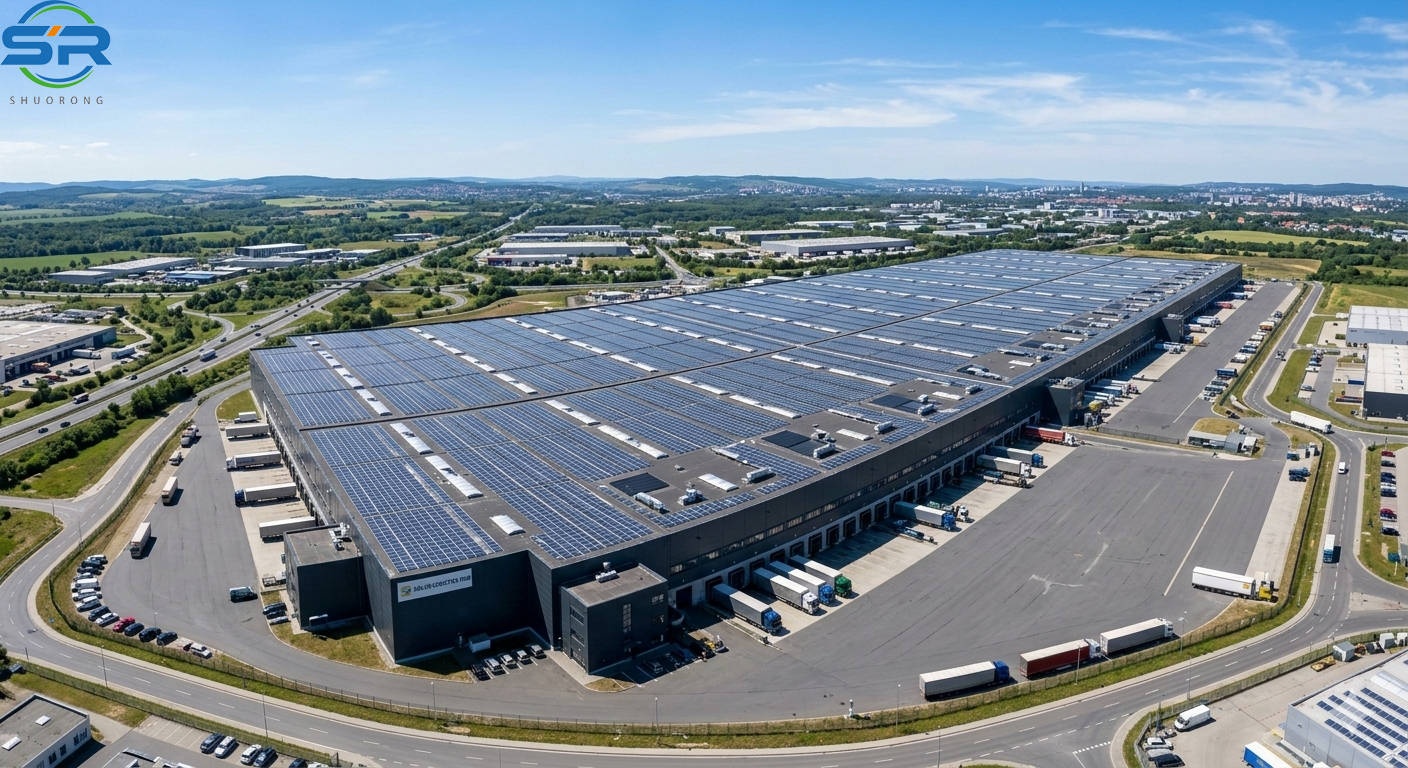
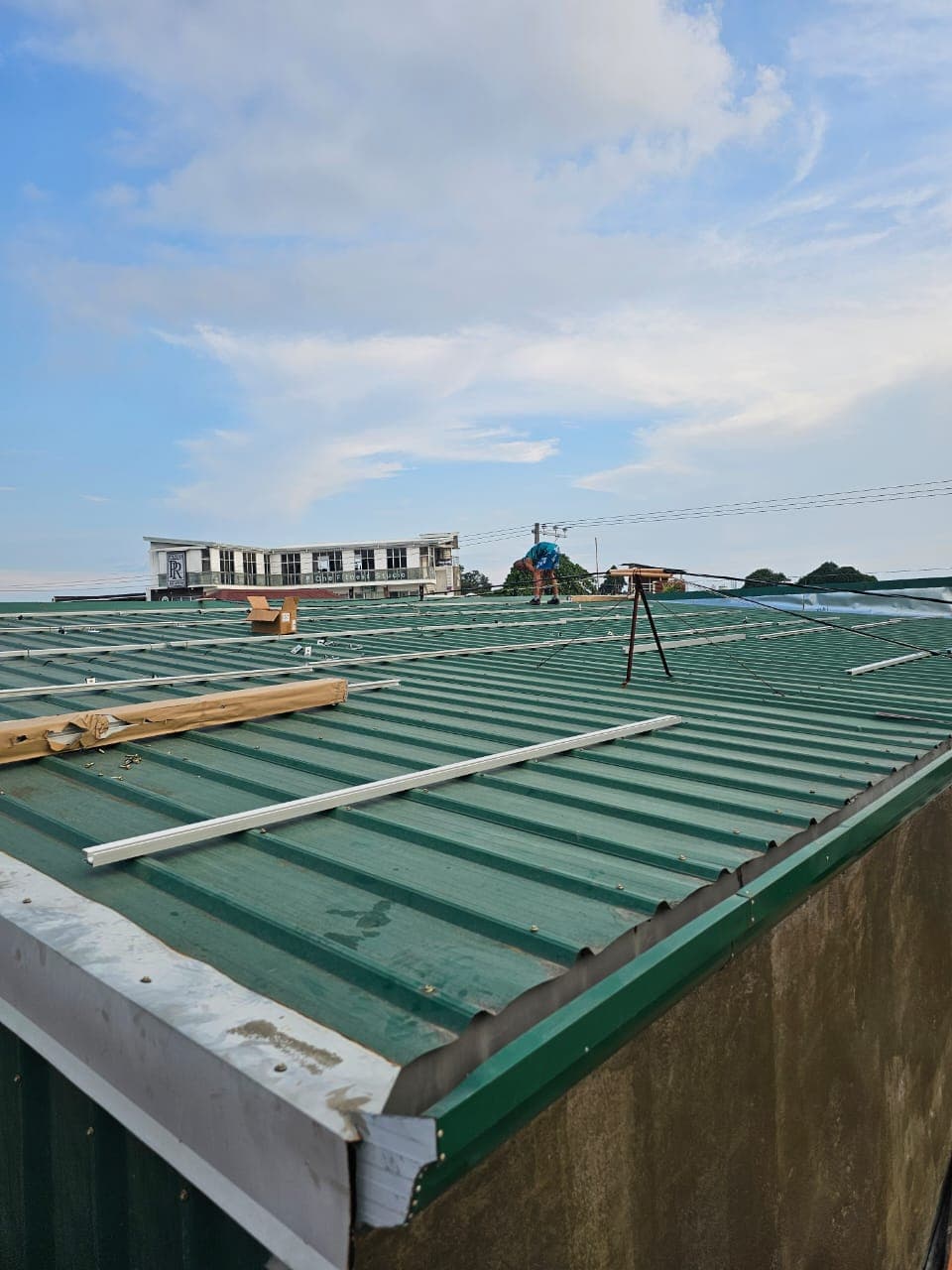
Imagine climbing onto a massive commercial roof covered in those classic corrugated metal sheets, tools in hand, ready to slap on a solar array. The old way? Hauling long, heavy rails up there, measuring twice, cutting once, dealing with alignment headaches. Exhausting. That’s where rail free solar panel roof mounts come in and flip the script. At SR Solar, we’ve poured our experience into a system that ditches the rails entirely, attaching panels directly and securely to the metal roof. It’s lighter, faster, and honestly feels like a breath of fresh air on jobsites. We’ve seen installers save hours—sometimes entire days—while delivering rock-solid performance. If you’re tired of complicated racking eating into your margins, stick around. This is the kind of upgrade that makes you wonder why you waited so long.
What Exactly Are Rail Free Solar Panel Roof Mounts?
Rail free mounts—sometimes called rail-less or direct-attach—skip the traditional horizontal rails that most solar setups rely on. Instead, they use specialized clamps or brackets that grab the roof profile directly and hold the solar panel frames in place. Think of it like skipping the middleman. The roof’s own shape becomes part of the support structure. For metal roofs especially, this makes perfect sense because those standing seams, trapezoidal ribs, or corrugated waves already provide natural strength lines. Panels sit flush or slightly elevated, keeping airflow for cooling without the bulk. We’ve installed these on everything from warehouses to factories, and the difference in logistics alone is huge—no more custom-cutting rails on-site or worrying about rail sag under heavy snow. It’s straightforward engineering that just works.
One thing that surprises people is how adaptable these systems have become. Early rail-free options felt limited, but today’s versions, like ours at SR Solar, handle a wide range of panel sizes and roof profiles. You get the same stability as railed setups but with far fewer parts to juggle. And yeah, it looks cleaner too—less visible hardware means a sleeker finish that clients love, especially on high-visibility commercial buildings.
The Rise of Rail-Free Mounting: Why Skip the Rails Altogether?
Solar installers everywhere are shifting toward rail-free because the math adds up. Traditional railed systems work great, don’t get me wrong, but they pile on weight, complexity, and cost. Rails can add hundreds of pounds to a big array, stressing older roofs unnecessarily. Then there’s shipping—those long pieces aren’t cheap to freight. Rail-free cuts that down dramatically, often by 80% or more in material weight per kilowatt. We’ve crunched numbers on projects where clients saved thousands just on logistics.
The real kicker? Speed. Rail-free means fewer components to assemble, so crews finish faster and move to the next job. In a market where labor shortages hit hard, that’s gold. Plus, metal roofs are everywhere in commercial spaces—think big-box stores, factories, agricultural buildings—and rail-free plays to their strengths. No penetrations in many cases (especially standing seam), preserving warranties. We’ve had roofers thank us because it keeps their warranty intact while adding solar value. It’s a win-win that feels almost too good sometimes.
SR Solar’s Rail Free Roof Mount: Built for Real-World Metal Roofs
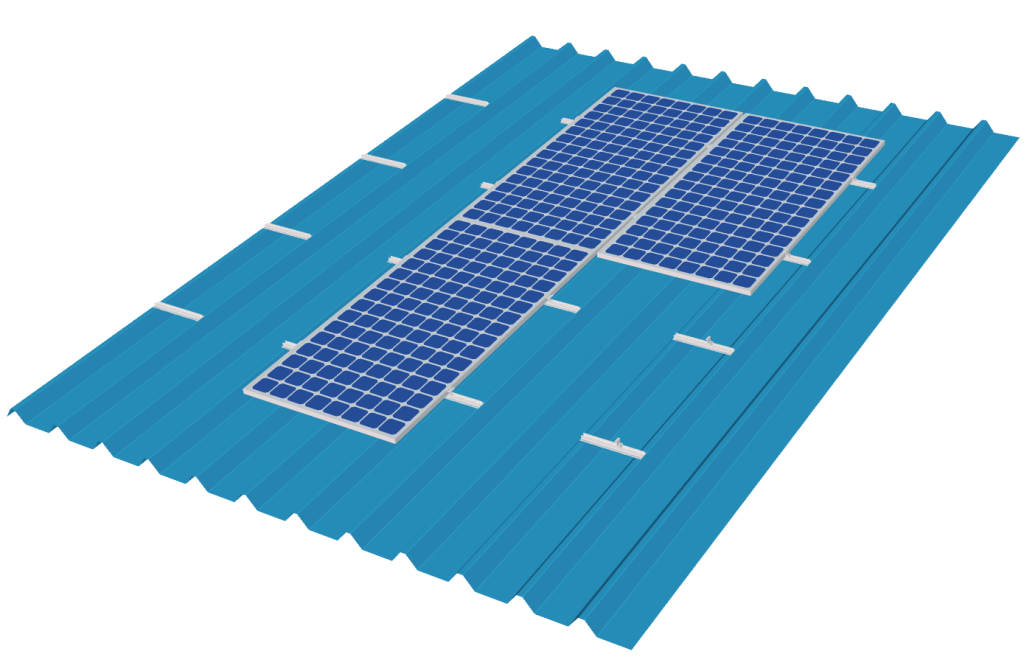
At SR Solar, we didn’t just copy what was out there—we designed with actual metal roof challenges in mind. Our rail free system targets those common trapezoidal and corrugated metal sheets you see on industrial buildings. It clamps right into the ribs, no rails needed, creating a low-profile, sturdy hold. We’ve tested it in tough conditions, from high winds to temperature swings, and it holds up. The best part? It feels intuitive once you’re up there. Less fiddling means happier crews and fewer callbacks.
Compatible Metal Roof Sheet Types and Dimensions
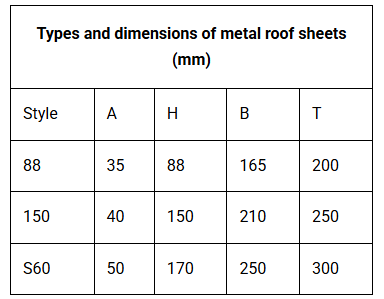
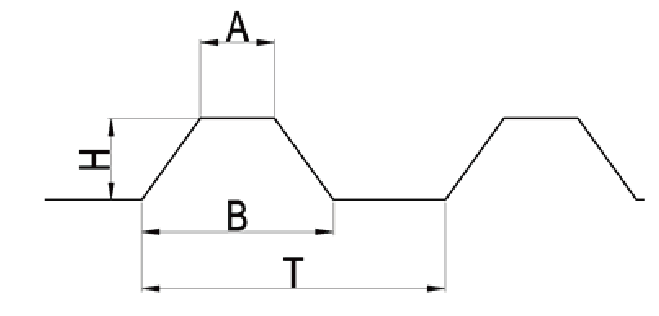
Our system shines with specific metal roof profiles. We support styles like 88 (A=88mm, H=35mm, B=88mm, T=165-200mm), 150 (A=150mm, H=40mm, B=150mm, T=210-250mm), and S60 (A=50mm, H=170mm, B=250mm, T=300mm). These cover most common trapezoidal and corrugated sheets in commercial builds. The dimensions matter because they dictate clamp fit—the rib height (H) and spacing (B) ensure a snug, secure grip without slipping. We’ve seen mismatches cause headaches on other systems, but ours matches these profiles perfectly. If your roof falls outside these, reach out—we often tweak for close variants.
Key Materials and Build Quality That Last
We use high-quality AL6005-T5 aluminum alloy for the main structure—strong yet lightweight—and SUS304 stainless steel for critical fasteners. This combo fights corrosion like a champ, even in coastal or humid areas. Aluminum gives the strength-to-weight ratio we need, while stainless prevents rust over decades. We’ve pulled systems off roofs after years and the hardware still looked brand new. That’s not luck; it’s deliberate material choice. EPDM rubber pads add another layer—thermal insulation and vibration damping. No shortcuts here.
Standout Features: From EPDM to Wind Resistance
Our mounts include EPDM rubber for excellent sealing and insulation, cutting heat transfer and boosting wind resistance. The rail-free design spreads loads evenly across the roof ribs, handling strong gusts better than you might expect. High-strength anti-corrosion materials mean longer service life—think 25+ years matching panel warranties. Recyclable too, which matters for green certifications. And customization? We offer it. Need tweaks for odd profiles or module sizes? We’ve done it before.
How Rail-Free Mounts Stack Up Against Traditional Railed Systems
Railed systems have their fans—proven, adjustable, great for complex layouts. But rail-free often wins on metal roofs. Less weight (sometimes 85% lighter), fewer parts, quicker installs. We’ve compared side-by-side on jobs: rail-free crews finish 30-50% faster. Cost-wise, material savings add up fast—no long rails to buy or ship. Roof load drops too, critical for older structures. Aesthetics improve with a sleeker look. Sure, railed offers more tilt flexibility, but for flat or low-slope metal roofs, rail-free nails it.
Installation Speed and Labor Savings
Picture this: no rail alignment drama. Just clamp, position panel, tighten. Our system uses simple tools and minimal steps. Installers we’ve worked with report slashing time on roof—huge when you’re paying by the hour or dealing with weather windows. Fewer mistakes too, since less to go wrong.
Weight, Cost, and Roof Load Benefits
Lighter means easier transport and less structural stress. Freight costs plummet. For commercial roofs, reduced load can avoid reinforcements. We’ve helped clients greenlight projects that railed systems would’ve killed due to weight limits.
Potential Drawbacks and When Rail-Free Wins
Not perfect for every scenario—tilted arrays or super-complex roofs might prefer rails for adjustability. Precision matters more in rail-free; measure wrong and it shows. But for standard metal roof commercial installs? Rail-free wins big. Simpler, cheaper, faster.
Easy Installation Walkthrough: Getting It Right the First Time
Start with roof inspection—match profile to our compatible styles. Position clamps along ribs per engineering specs. Attach mid/end clamps to panel frames. Secure with provided hardware. Check alignment and torque. Done. We’ve seen first-timers get it right quickly. Pro tip: always follow load calcs for wind/snow zones.


Real Benefits for Commercial and Industrial Projects
In warehouses or factories, time is money. Rail-free cuts downtime. Lower weight preserves roof integrity. Durability shines in harsh environments. We’ve seen energy bills drop while maintenance stays minimal. Clients appreciate the clean look too—no bulky rails screaming “solar added later.”
Customization Options and Why They Matter
We customize for unique roofs or panel setups. Odd dimensions? Special coatings? Just say the word. This flexibility turns tricky jobs into straightforward ones. In B2B, that means happier clients and repeat business.
Wrapping It Up: Is SR Solar’s Rail Free Mount Right for You?
If you’re mounting solar on metal roofs and want simpler, stronger, and smarter, SR Solar’s rail free solar panel roof mounts deliver. They cut costs, speed installs, and hold up long-term without the hassle of rails. We’ve seen the difference on real jobs—faster turnarounds, satisfied clients, better margins. Reach out if your next project fits. It might just be the upgrade you’ve been waiting for.
FAQ
What are the main advantages of rail free solar panel roof mounts over traditional railed systems?
Rail free mounts reduce weight, cut installation time, lower material costs, and minimize roof load while providing a cleaner look and strong wind resistance—perfect for metal roofs.
Which metal roof types does SR Solar’s rail free mount support?
It works with common trapezoidal and corrugated sheets, including styles 88 (A=88mm), 150 (A=150mm), and S60 (A=50mm), covering most industrial and commercial metal roofing profiles.
How durable are the materials in SR Solar’s rail free mounts?
Made from high-strength AL6005-T5 aluminum and SUS304 stainless steel, plus EPDM rubber, they resist corrosion, provide thermal insulation, and offer long service life—often matching or exceeding 25-year solar panel warranties.
Is installation complicated for rail free solar mounts?
Not at all—it’s simpler with fewer parts, basic tools, and direct attachment to roof ribs, often saving 30-50% on labor time compared to railed setups.
Can SR Solar customize the rail free mount for unique projects?
Yes, we offer customization for specific roof dimensions, module sizes, or environmental needs, making it versatile for challenging commercial or industrial installations.