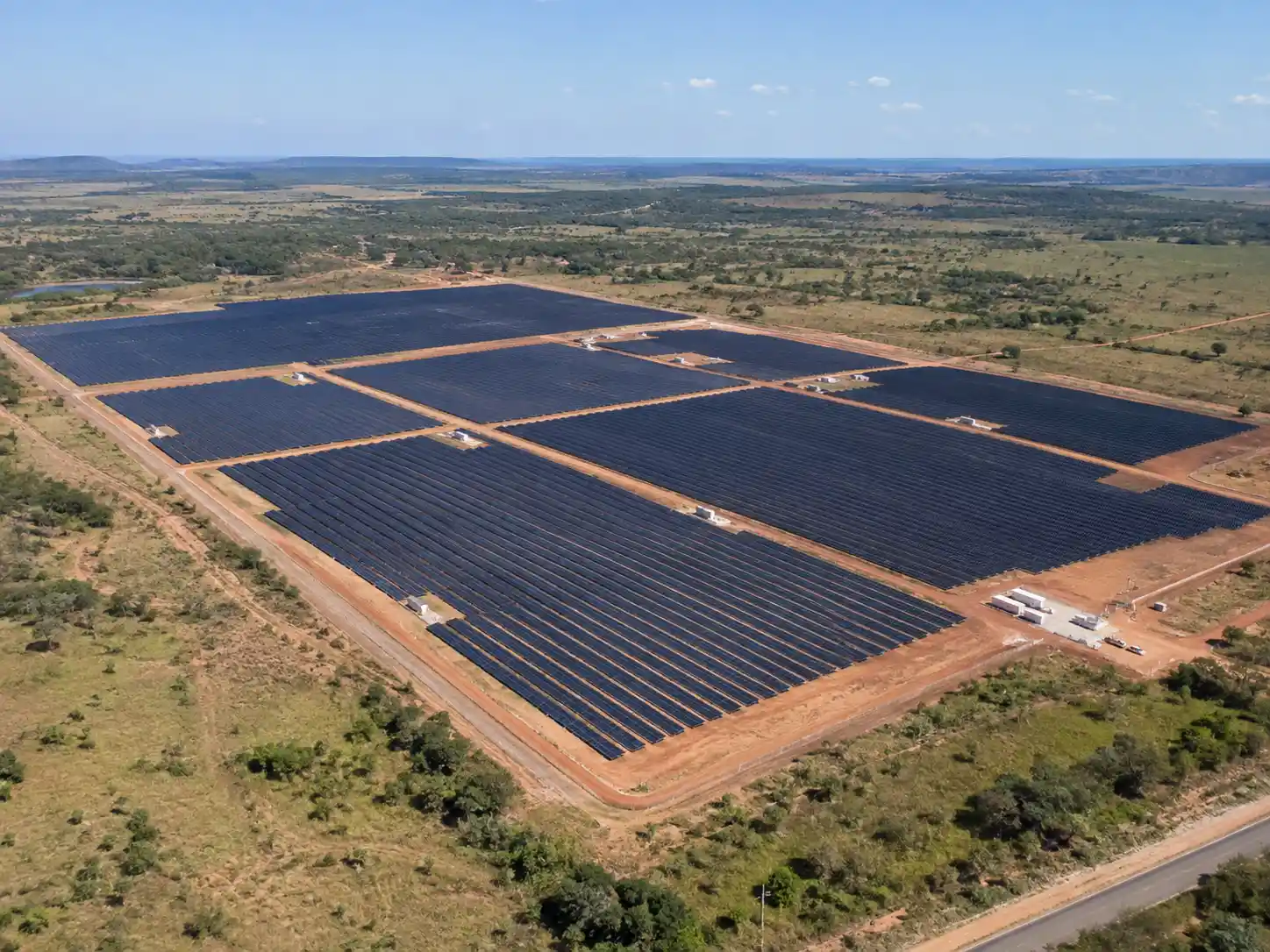
Solar racking in desert environments isn’t just another installation challenge — it’s a whole different beast. Deserts promise insane solar irradiance, often 30-50% more than milder spots, but they hit your PV mounting systems with nonstop punishment: blistering heat over 45°C, sandstorms that sandblast everything, wild temperature drops at night, and winds that test every bolt. We’ve watched projects where standard solar racking buckled under these forces, leading to twisted frames, accelerated wear, and lost generation that kills IRR fast. The truth is, without serious environmental adaptability, your desert solar project risks turning that abundant sunshine into a expensive headache. Specialized mounting systems built for these extremes keep things stable, cut O&M drama, and let the plant deliver over decades.
The Brutal Reality of Desert Conditions for PV Mounting Systems
Deserts don’t play nice with ordinary gear. Daytime temps soar, nights plunge, creating thermal cycling that fatigues metals and polymers. Add abrasive sand carried by winds up to 100 km/h, and you’ve got a recipe for constant degradation. High winds during storms yank at structures, while dust settles everywhere, forcing frequent interventions. For EPC contractors handling massive ground-mounted stations, these aren’t minor annoyances — they’re threats to on-time delivery and long warranties. Developers sensitive to IRR see every extra maintenance call as money evaporating. Even integrators on smaller distributed setups feel the pinch when compatibility falters in rough terrain.
Extreme Heat and Thermal Cycling Stress on Solar Racking
Heat hits hard. Solar cells hate temps above 25°C, dropping efficiency 0.3-0.5% per extra degree, but the racking feels it too. Aluminum expands and contracts wildly with 50°C+ swings, loosening connections over time. We’ve seen frames warp slightly after years, causing misalignment that shaves output. Nighttime cooling adds stress cycles — think thousands per year — cracking welds or fatiguing joints if materials aren’t up to it. Good solar racking in desert environments needs low thermal expansion coefficients and robust joints that don’t quit when the sun beats down relentlessly.
Sandstorms, Abrasion, and Constant Dust Assault
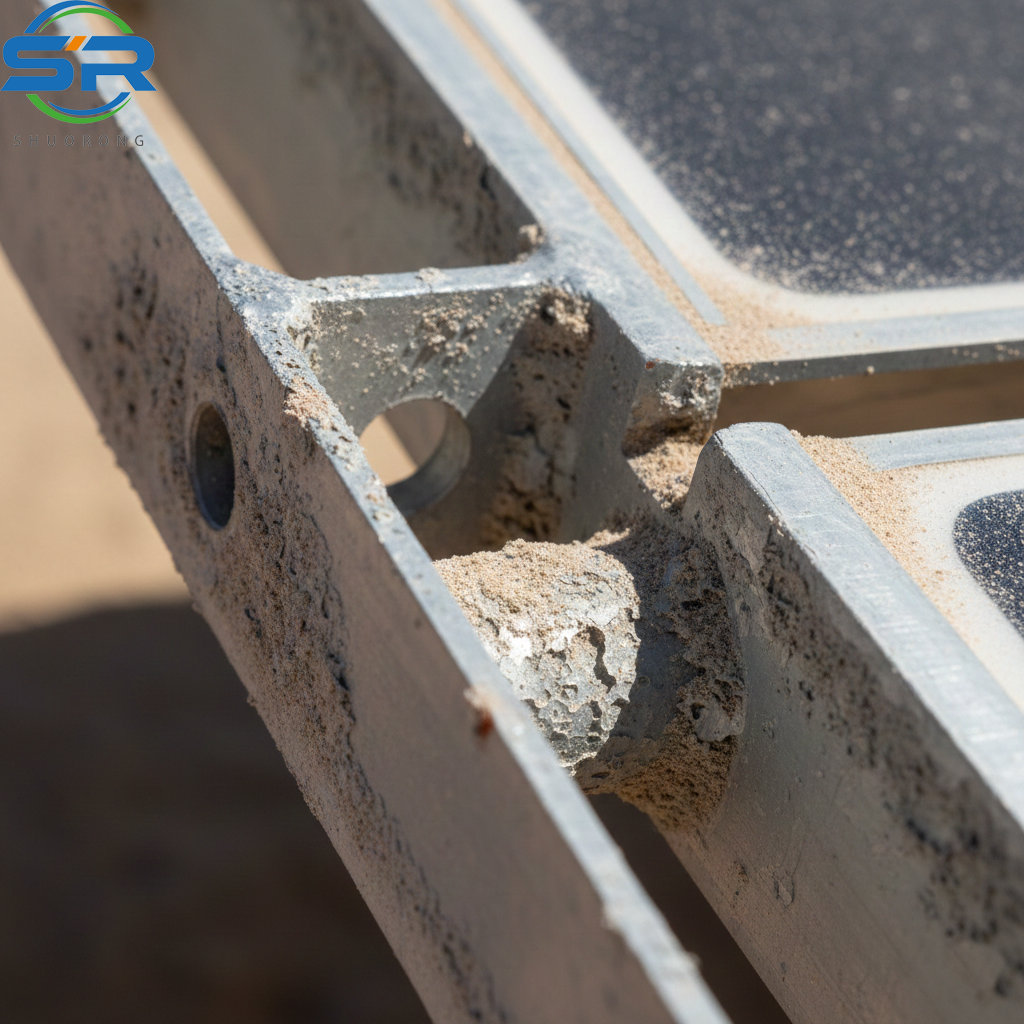
Sandstorms are terrifying. Sharp grains at high speed act like sandpaper, scratching coatings and wearing down exposed parts. Dust accumulates fast — 0.4-0.8% daily yield loss is common without cleaning — and sticks harder with dew. For mounting systems, this means abrasive wear on rails, clamps wearing thin, and pivots on trackers gumming up. We’ve heard stories of entire arrays losing 15-30% output between cleanings in places like the Middle East or Sahara edges. The mounting has to resist abrasion while allowing natural shedding or easy access.
High Winds and Structural Integrity Risks
Winds whip up fast in open deserts. Gusts over 140 mph test every anchor point. Standard racking might flex too much, leading to fatigue cracks or outright failure during rare but brutal storms. For large-scale EPC projects, this means passing tough technical reviews with wind load certifications that account for site-specific gusts. Poor design leads to panels ripping off or foundations shifting in sandy soil. Solid solar racking needs aerodynamic shaping, deep foundations, and high-strength alloys to stay put.
Common Failures We’ve Seen in Desert Solar Racking Over the Years
Nothing teaches like real-world screw-ups. Early desert projects often used off-the-shelf racking meant for temperate zones. Bolts corroded from salty dust, trackers jammed with sand, fixed-tilt angles clogged so dust didn’t slide off. One project we know lost 20% output yearly from unchecked soiling and abrasion. Corrosion ate galvanizing off steel in under five years. Trackers suffered motor failures from grit ingress. These aren’t rare — they’re patterns when adaptability is overlooked.
Corrosion and Material Degradation in Arid Air
Arid doesn’t mean clean. Dust carries salts and minerals that accelerate galvanic corrosion, especially where dissimilar metals touch. UV blasts degrade coatings fast. We’ve pulled apart racking after 8-10 years in deserts and found pitting that weakened load-bearing parts. Standard hot-dip galvanizing fails quicker here; better coatings or stainless options hold up. Ignoring this shortens the 25-year warranty dream.
Soiling Impact on Mounting Angles and Performance
Soiling isn’t just a panel problem — it hits mounting too. Flat or low-tilt setups collect more dust, forcing extra cleaning. Poorly designed clamps trap sand, increasing abrasion. In trackers, dust in gears causes uneven movement, stressing motors. We’ve seen fixed-tilt racking with suboptimal angles lead to 13% monthly losses without intervention. Smart design tilts for self-cleaning while keeping wind loads manageable.
Tracker-Specific Headaches in Sandy, Windy Deserts
Trackers boost yield 20-30% but struggle in deserts. Sand infiltrates drives, causing jams. High winds torque structures unevenly. We’ve witnessed trackers stuck at bad angles during storms, losing output and risking damage. Maintenance crews hate remote desert access for fixes. Specialized designs seal better, use robust actuators, and incorporate wind stow features.

Key Strategies to Build Reliable Solar Mounting in Deserts
Experience shows certain approaches win. Start with materials: high-grade aluminum or galvanized steel with enhanced coatings resists corrosion. Designs elevate panels for airflow, reducing heat soak and dust pile-up. Aerodynamic profiles cut wind loads. For EPCs, this means smoother bidding; for developers, better bankability.
Material Choices That Survive the Heat and Sand
Pick wisely. Aluminum alloys with anodizing or powder coating fend off abrasion and UV. Stainless steel in critical spots prevents galvanic issues. Avoid cheap galvanizing — thicker layers or specialized treatments last longer. We’ve seen setups with marine-grade finishes outlast others by years in salty dust.
Design Features for Better Dust Resistance and Wind Stability
Tilt angles around 25-35° often hit the sweet spot in desert setups — steep enough for gravity to help dust slide off naturally, but not so extreme that it hurts annual yield too much. Smooth, aerodynamic rail profiles cut wind uplift and reduce sand buildup on horizontal surfaces. Minimize pockets or ledges in the design where dust can hide and pack in. For sandy soils, ground screws or deep-driven piles lock everything in place against shifting and erosion. These tweaks make fixed tilt solar racking in desert environments shed dust better, stand firm in gusts, and keep O&M low while delivering steady performance.
Installation and Maintenance Tactics That Actually Work
Deserts mean water is scarce, so plan around dry cleaning methods — think robotic brushes, compressed air blasts, or even drone-assisted blowing to clear panels without a drop. Train crews early on heat safety, remote logistics, and quick site access in rough terrain. Schedule regular visual inspections to spot early abrasion, loose clamps, or foundation settling before they escalate. The beauty of well-designed fixed tilt solar racking? It simplifies all this — fewer hidden spots for sand, easier reach for cleaning, and structures that don’t demand constant tweaks.
How Specialized Solar Racking Makes the Difference Long-Term
Specialized fixed tilt solar racking isn’t some luxury add-on — it’s what keeps your desert project from turning into a maintenance nightmare. It shrugs off thermal swings without warping, resists sand abrasion on key surfaces, and anchors solidly against wind loads that would flex lesser setups. You end up with consistent power output, slower degradation rates, and banks that actually like the numbers. For project owners chasing reliable IRR, it’s peace of mind; for EPC contractors, it means fewer surprises during handover and stronger warranties.
Balancing Cost, Reliability, and Project ROI in Desert Deployments
Sure, specialized fixed tilt gear costs a bit more upfront than bargain-bin options. But in deserts, the lifetime math flips fast — lower cleaning frequency, almost no structural repairs from wind or sand, and higher reliable generation push IRR higher. We’ve seen real projects where the better racking paid for itself in 4-6 years just from avoided losses and reduced O&M crews. Cheap solar racking in desert environments? It usually comes back to bite with emergency fixes, output dips, and unhappy stakeholders.
If you’re wondering exactly what kind of fixed tilt solar racking can actually deliver these kinds of results in real desert conditions, we’ve put together a separate deep-dive article that walks through SR Solar’s tailored solutions for extreme arid environments. It covers the specific material upgrades, design choices, and field-tested adaptations we use to handle heat cycling, sand abrasion, and high winds without over-engineering the system. Check out our detailed guide on SR Solar’s desert-optimized fixed tilt solar racking solutions here — it’s packed with the kind of practical details that help EPCs, developers, and integrators make smarter decisions when bidding or procuring for harsh desert sites.
View SR Solar’s Detailed Solutions for Fixed Tilt Solar Racking in Desert Environments →
FAQ
FAQ 1: How severely does dust affect fixed tilt solar racking performance in deserts? Dust is brutal — it can easily cut daily output by 0.5–1% or more, and if left unchecked, total monthly losses regularly reach 15–30%. On top of blocking sunlight, the constant sand blasting also slowly grinds down rail edges, clamp surfaces, and connection points. The smartest fixed tilt solar racking designs use optimized tilt angles and smooth profiles to encourage natural shedding, combined with dry cleaning schedules, so performance stays strong year after year.
FAQ 2: What’s the best tilt angle for dust resistance in desert fixed tilt solar racking? Most desert projects find the sweet spot between 25°–35°. A bit steeper than typical temperate zone tilts, this range lets gravity help dust slide off more easily during windy days and early morning dew release, while still capturing very strong annual energy yield in high-irradiance desert locations. Too flat and dust piles up fast; too steep and you start sacrificing some overall generation — 30° is very often the practical winner.
FAQ 3: Which materials last longest for fixed tilt solar mounting in desert heat, sand, and corrosion? Anodized aluminum usually comes out on top for the rails and most structural parts — it fights UV degradation, sand abrasion, and thermal expansion very well. For any steel components (like thicker posts or certain clamps), heavy hot-dip galvanizing plus an extra protective topcoat gives the best long-term corrosion resistance in salty, dusty desert air. We’ve seen basic materials fail badly in 6–10 years; properly treated materials frequently go 25+ years with only surface patina, not structural loss.
FAQ 4: How do you make sure fixed tilt solar racking stays stable during extreme desert winds? You have to treat wind load calculations as sacred — every site needs its own detailed wind study. After that, the winning combination is almost always: aerodynamic rail and beam profiles that greatly reduce uplift, deeper or screw pile foundations that really grip loose sandy soil, and wider row spacing when necessary. We’ve seen properly designed fixed tilt systems stand through gusts well over 140–160 km/h without a single panel lost.
FAQ 5: Is investing in specialized desert fixed tilt solar racking really worth the higher upfront cost? Yes — almost every time the answer is a strong yes for serious desert projects. The extra money you spend on better materials, stronger coatings, optimized design, and proper foundation engineering usually pays back in 4–7 years through much lower cleaning frequency, almost zero structural repair costs, significantly reduced output degradation, and far more stable long-term generation. Cheap solar racking in desert environments almost always becomes the most expensive choice in the end.