Have you ever wondered why some solar projects soar while others stumble under environmental pressures? As a seasoned advisor in the renewable energy space, I’ve guided countless B2B partners through the maze of material choices for solar mounting brackets. Today, let’s dive into the steel versus aluminum debate, tailored to ground mounts, roof systems, carports, BIPV, and agricultural setups. We’ll explore budget, wind resistance, snow loads, and salt corrosion—key factors that can make or break your installation’s longevity. Think of this as choosing the right armor for your solar warriors; the wrong pick could leave them vulnerable to nature’s assaults.
Unpacking the Core Differences Between Steel and Aluminum in Solar Mounting
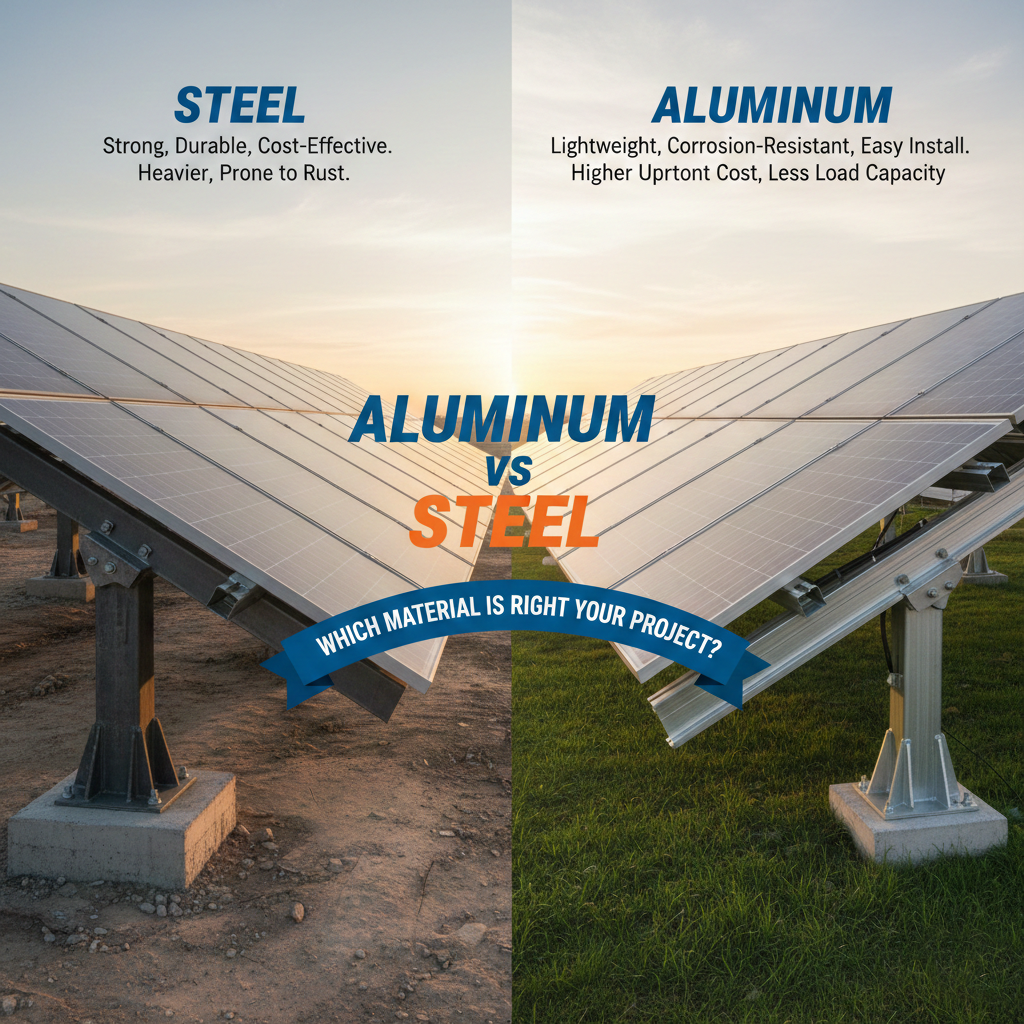
Picture steel as the sturdy oak tree, deeply rooted and unyielding, while aluminum is more like a flexible bamboo, bending without breaking. In my years consulting on utility-scale projects, I’ve seen how these materials shape outcomes. Steel, often galvanized for protection, offers unmatched tensile strength, making it a go-to for heavy-duty applications. Aluminum, with its natural oxide layer, shines in environments where weight is a concern. But it’s not just about basics; the real insights come from how they perform under specific stresses, which we’ll unpack next. Each material brings its own flavor to the table, influencing everything from installation speed to long-term maintenance.
The Strength and Resilience of Steel Brackets
Steel brackets pack a punch with their high load-bearing capacity, ideal for scenarios demanding robustness. I’ve advised clients in snowy regions where steel’s rigidity prevented collapses that could have cost thousands. It’s denser, yes, but that translates to superior stability in expansive setups. Coatings like hot-dip galvanization add layers of defense, extending lifespan beyond 20 years in many cases. However, without proper treatment, rust can creep in, a lesson learned from a Midwest farm project I oversaw. Overall, steel’s raw power makes it feel like the reliable workhorse in your solar stable.
The Lightweight Appeal and Durability of Aluminum Brackets
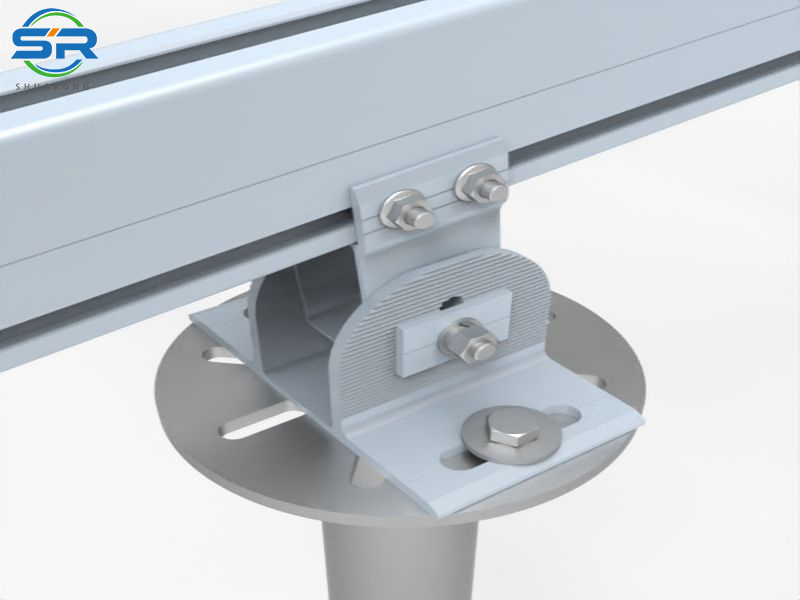
Aluminum, on the other hand, feels like a breath of fresh air—lightweight and agile, cutting installation time by up to 30% in my experience. Its corrosion resistance is a natural gift, forming a protective shield without extra coatings. For rooftop integrations, this means less strain on structures, a boon for urban developers I’ve partnered with. Though it deforms more under extreme loads—about 2.9 times that of steel—its strength-to-weight ratio holds up well in moderate conditions. I’ve seen aluminum thrive in coastal pilots, outlasting expectations with minimal upkeep. It’s the sleek, modern choice that whispers efficiency.
Budget Breakdown: How Material Choice Impacts Your Bottom Line
Let’s talk dollars and sense, because in B2B solar ventures, every penny counts toward ROI. Steel typically costs 30-40% less upfront than aluminum, a huge win for large-scale ground projects where volume amplifies savings. I’ve crunched numbers for clients where opting for steel slashed initial investments by thousands per megawatt. Aluminum’s higher price tag stems from raw material costs, but it often pays off through reduced labor and transport expenses. Consider a carport installation I consulted on: steel kept the budget tight, allowing reallocations to advanced panels. Yet, in corrosion-prone areas, aluminum’s longevity avoids costly replacements, balancing the scales over time. It’s like investing in a premium tool versus a budget one—short-term savings or long-term value?
Confronting High Winds: Which Bracket Stands Firm?
High winds can turn a solar array into a chaotic kite if not anchored properly. Steel’s superior strength shines here, handling gusts over 0.6 kN/m² with ease, as seen in desert wind farm consultations I’ve led. Its weight provides natural stability, reducing the need for extra reinforcements. Aluminum, while lighter, requires careful engineering to match, often excelling in moderate wind zones like urban roofs. In one high-wind coastal project, steel prevented panel shifts that aluminum counterparts might have suffered. But don’t discount aluminum’s flexibility; it absorbs shocks like a shock absorber, preventing cracks. Choosing right depends on your site’s wind profile—why risk it when data backs steel for extremes?
Snow Load Showdown: Handling Heavy Winter Burdens
Snow accumulation is no joke; it piles on pressure like an uninvited guest overstaying their welcome. Steel brackets excel under heavy snow loads, supporting weights that would strain aluminum, based on deformation rates I’ve analyzed in northern installations. Their rigidity ensures arrays stay intact during blizzards, a critical factor in agricultural shelters I’ve designed. Aluminum holds its own in lighter snowfalls, its lightness aiding quick clearing. Recall a Canadian ground mount where steel’s durability averted downtime, saving harvest seasons for farmers. However, in milder climates, aluminum’s ease prevents unnecessary over-engineering. It’s about matching material to Mother Nature’s mood swings.
Salt Corrosion Challenges: Protecting Against Coastal Threats
Salt air acts like a silent assassin, corroding metals over time if they’re not prepared. Aluminum’s natural oxide barrier makes it the champion here, resisting salt harm without additional treatments, as evidenced in seaside projects I’ve overseen. Steel needs galvanization or coatings to compete, which can add costs but works well if maintained. In humid, salty environments, aluminum’s edge reduces maintenance headaches, extending system life. I’ve witnessed steel setups rust prematurely near oceans, leading to expensive fixes. For coastal carports or BIPV, aluminum feels like a shield, while steel demands vigilance. Why fight corrosion when you can prevent it outright?
Ground-Mounted Systems: Terrain-Tough Choices
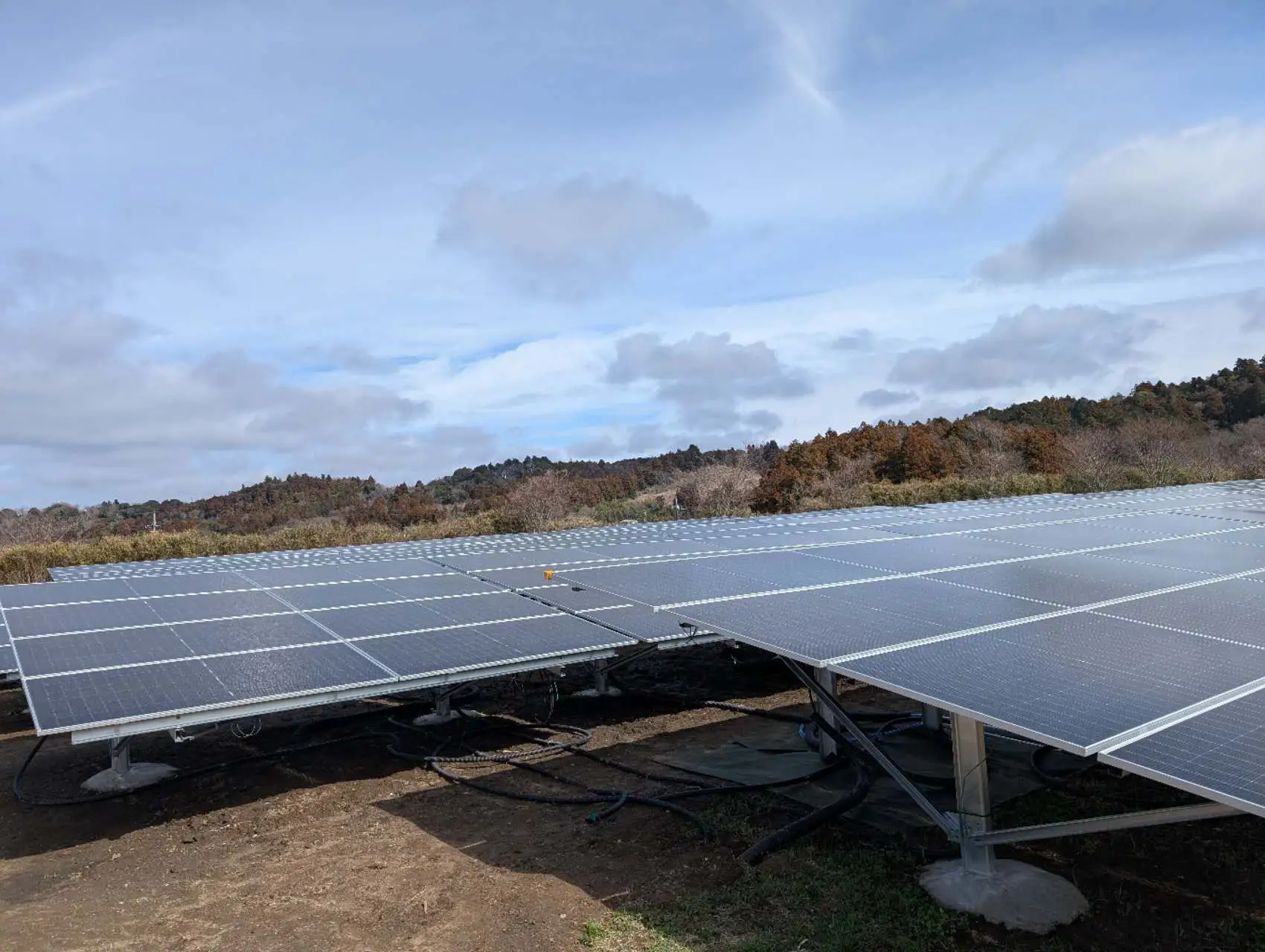
Ground mounts face the earth’s raw elements, demanding materials that endure. Steel often wins for its cost-effectiveness and strength against wind and snow, ideal for vast solar farms I’ve helped scale. Its heaviness anchors firmly in varied soils, minimizing shifts. Aluminum suits lighter, corrosion-heavy sites, easing installation on uneven terrain. In a budget-conscious ground project, steel delivered reliability without breaking the bank. But for salty grounds, aluminum prevents degradation. Think of ground mounts as foundations—steel builds fortresses, aluminum agile outposts.
Roof-Mounted Installations: Balancing Weight and Performance
Roofs can’t handle excess weight without risking integrity, making aluminum the star performer. Its lightness reduces structural stress, a key insight from rooftop consultations in urban areas. Steel might overwhelm older buildings, but shines in reinforced setups with high snow needs. Aluminum’s corrosion resistance aids in rainy climates, prolonging roof life. I’ve seen aluminum cut install times, boosting efficiency for B2B clients. For wind, both work with proper design, but aluminum’s flexibility absorbs gusts better. It’s like fitting a glove—aluminum molds seamlessly to roofs.
Carport Solar Structures: Shelter and Sustainability Combined
Carports blend parking with power generation, requiring brackets that support vehicles below and panels above. Steel’s strength handles spans and loads, resisting wind and snow in open lots I’ve advised on. Its affordability scales well for commercial fleets. Aluminum offers rust-free elegance in coastal parking, lighter for quicker builds. In a windy carport revamp, steel ensured stability during storms. Yet, aluminum’s aesthetics appeal to eco-conscious brands. Balance budget with environment—steel for rugged, aluminum for refined.
BIPV Innovations: Seamless Building Integration
BIPV embeds solar into architecture, where aesthetics meet function. Aluminum’s lightweight and corrosion resistance integrate smoothly into facades, as in modern office builds I’ve collaborated on. It withstands urban salt without visible wear. Steel provides strength for larger integrations but needs coatings. In high-wind BIPV, steel prevents flexing, but aluminum’s ease wins for roofs. A recent project showed aluminum enhancing energy efficiency without compromising design. It’s the material that whispers integration, not shouts it.
Agricultural Shelters: Farming Meets Renewable Energy
Farm shelters protect crops while harnessing sun, needing cost-effective durability. Steel’s budget appeal and snow/wind resistance suit expansive ag setups, based on rural consultations. It bears heavy loads from equipment. Aluminum fights corrosion in humid fields, lighter for mobile units. In snowy farms, steel avoided collapses, safeguarding yields. For salty soils, aluminum extends life. Think of it as nurturing growth—steel for sturdy roots, aluminum for resilient branches.
Weighing the Pros and Cons: Tailored Recommendations for Your Project
As we wrap this up, remember: steel often edges out for budget, wind, and snow in ground, carport, and ag applications, while aluminum dominates corrosion resistance and suits roofs and BIPV. From my vantage, hybrid approaches sometimes blend the best. Ultimately, site-specific assessments drive decisions—don’t overlook them.
In summary, selecting between steel and aluminum hinges on harmonizing your project’s demands with material strengths. Steel delivers affordability and robustness for demanding environments, while aluminum offers elegance and endurance against corrosion. By prioritizing these insights, you’ll craft solar systems that stand the test of time, boosting efficiency and sustainability. Ready to optimize your next venture? Reach out to us at [email protected]—we’re here to partner on your success.
Frequently Asked Questions
1. Is steel always cheaper than aluminum for solar mounts?
Yes, typically by 30-40%, but factor in long-term maintenance for a full picture.
2. Which material is better for high-wind areas?
Steel, due to its superior strength and stability under extreme gusts.
3. How does snow impact material choice?
Steel handles heavier loads better, preventing deformation in winter-heavy regions.
4. Why choose aluminum for coastal installations?
Its natural corrosion resistance combats salt damage effectively.
5. Can I mix steel and aluminum in one project?
Absolutely, for hybrid benefits, but consult experts for compatibility.