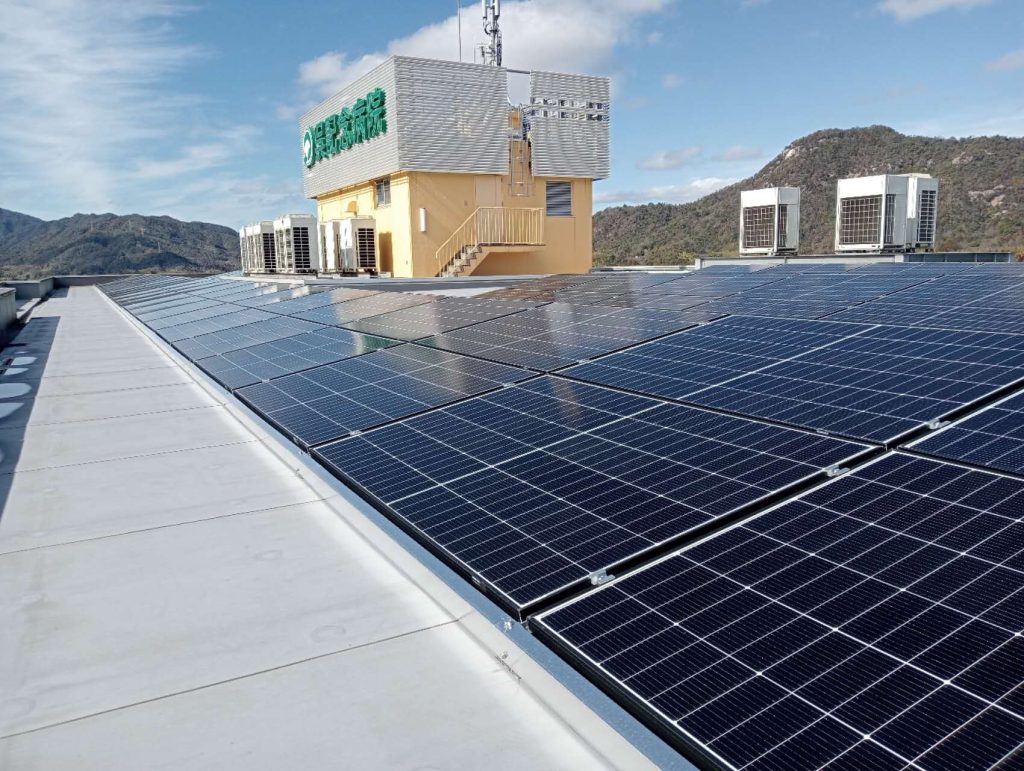
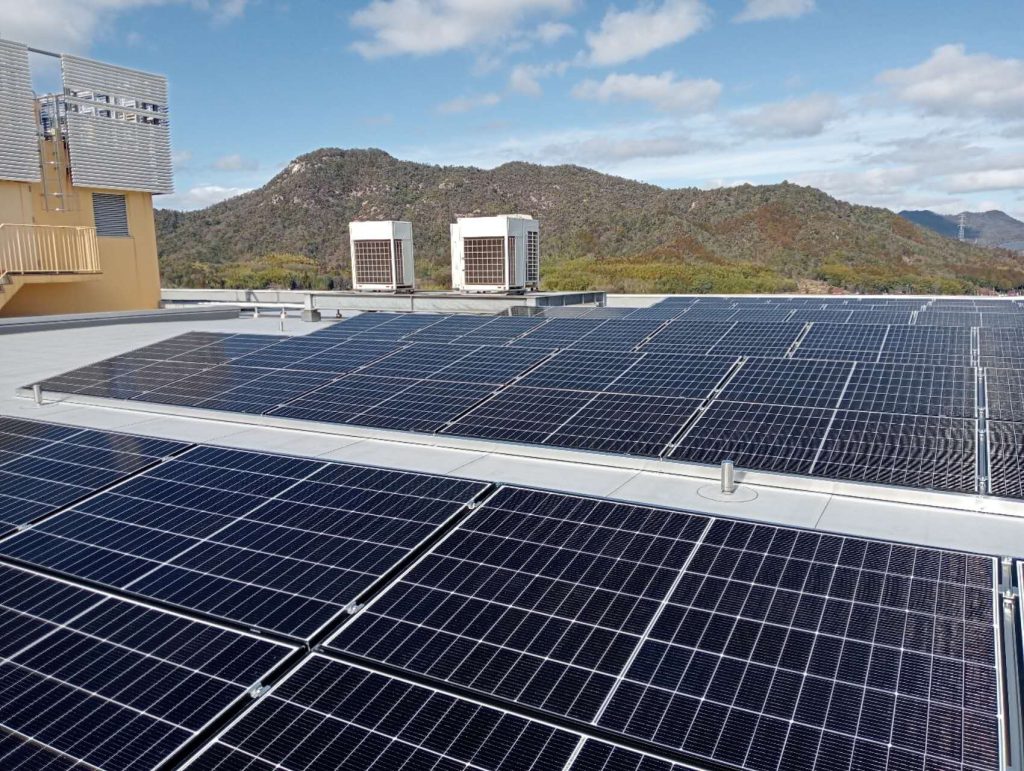
I still get a kick out of this one. A solid commercial building in Japan—flat concrete roof, HVAC units scattered around, mountains in the background, the works. The owners reached out because they wanted solar but refused to risk leaks or structural drama. Flat roofs are common here, but tilting panels properly without messing up waterproofing? That’s where our triangle flat concrete roof solar mounting system shines. We customized it perfectly, collaborated closely, and left them thrilled with performance and zero issues. If you’re staring at a similar roof wondering how to go solar safely, this story might be the nudge you need.
Japan’s commercial roofs are mostly flat concrete—durable, but zero natural tilt means panels flat on the deck lose serious output. Our triangle setup changes that. Sturdy aluminum frames form stable tripods, lift panels to ideal angles (usually 10-35° depending on location), and use ballast or light anchors to stay put. No major penetrations. Better energy capture, especially in winter when the sun hangs low. We’ve seen 20-30% more yield versus flat installs. Clients love it because it respects the roof while delivering real ROI.
Seismic and Wind Demands in Typhoon Country
Japan doesn’t play with earthquakes or typhoons. Codes demand systems that flex but don’t fail. Our triangle flat concrete roof solar mounting system uses reinforced joints and low-profile designs that distribute forces evenly. In high-wind zones, wide bases and proper weighting keep everything grounded—no uplift worries.
Avoiding Roof Damage While Tilting for Better Yield
Penetrations scare everyone—leaks kill roofs. We go non-penetrating or minimal where possible, relying on concrete ballast blocks or edge fixes. Tilt adds yield without extra space. Simple math, big savings.
The client emailed first—roof photos, panel types, load limits, local wind/snow data. I jumped on a call right away. They were cautious, asking about past Japan installs and customization. We shared references, walked through our process. Trust grew fast once they saw we actually listen.
From Inquiry to Deep-Dive Site Review
We requested detailed drawings and more pics. Our engineer reviewed everything—HVAC placements, parapet heights, even nearby terrain for wind patterns. Video calls helped clarify questions. No generic quotes here; we tailored from day one.
Customization made this project special. Standard triangle mounts are solid, but Japan needs tweaks.
Engineering Adjustments Based on Roof Specs and Photos
We adjusted leg lengths for exact tilt, reinforced bracing for seismic loads, and optimized layout around existing equipment. Aluminum in AL6005-T5, anodized for longevity. Pre-assembly cut on-site time dramatically.
Key Design Choices from Our Latest Japan Install
Look at those photos—clean edges, secure mid/end clamps gripping panels tightly, cables routed neatly through conduits. The triangle frames sit flush yet elevated, with ballast distributed evenly. No messy welds, no drilling chaos. We chose adjustable connections so minor tweaks happened easily on-site.
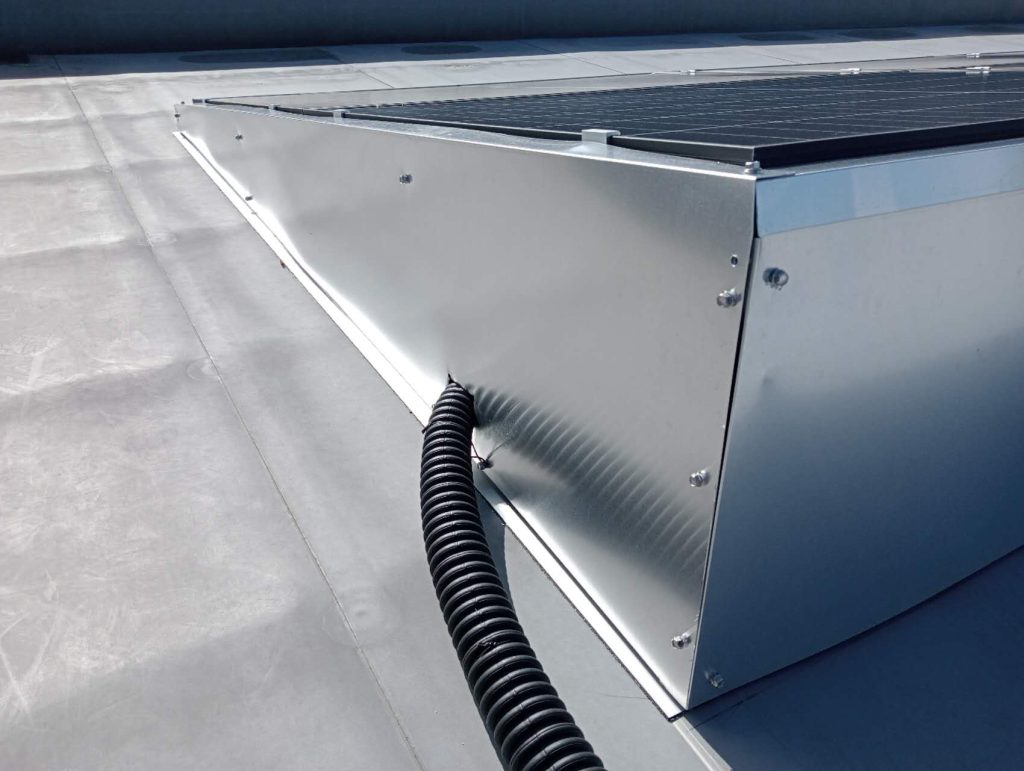
Our triangle flat concrete roof solar mounting system looks simple but packs smart engineering.
Sturdy Aluminum Triangle Frames and Secure Anchoring
Triangular shape gives inherent stability—like a three-legged stool that won’t wobble. Aluminum resists corrosion; we use self-tapping screws and M8 bolts for rock-solid connections. Handles snow slide-off and wind like nothing.
Minimal Impact with Smart Ballast and Edge Details
No deep holes. Bases rest on the roof, weighted by concrete blocks or light anchors at edges. Photos show clean lines—no damage to membrane. Waterproofing stays intact.
Cable Management and HVAC Integration Done Right
Cables tucked in flexible conduits along edges—neat, protected, out of the way. Panels fit perfectly around HVAC units without blocking access or airflow.
Collaboration felt like teamwork, not vendor-client. Daily updates, shared 3D models, quick responses to questions.
On-Site Tweaks and Teamwork Vibes
One spot had slight unevenness—nothing major. We revised a few legs overnight, adjusted with the crew. Instead of delays, it built rapport. Their team appreciated our flexibility.
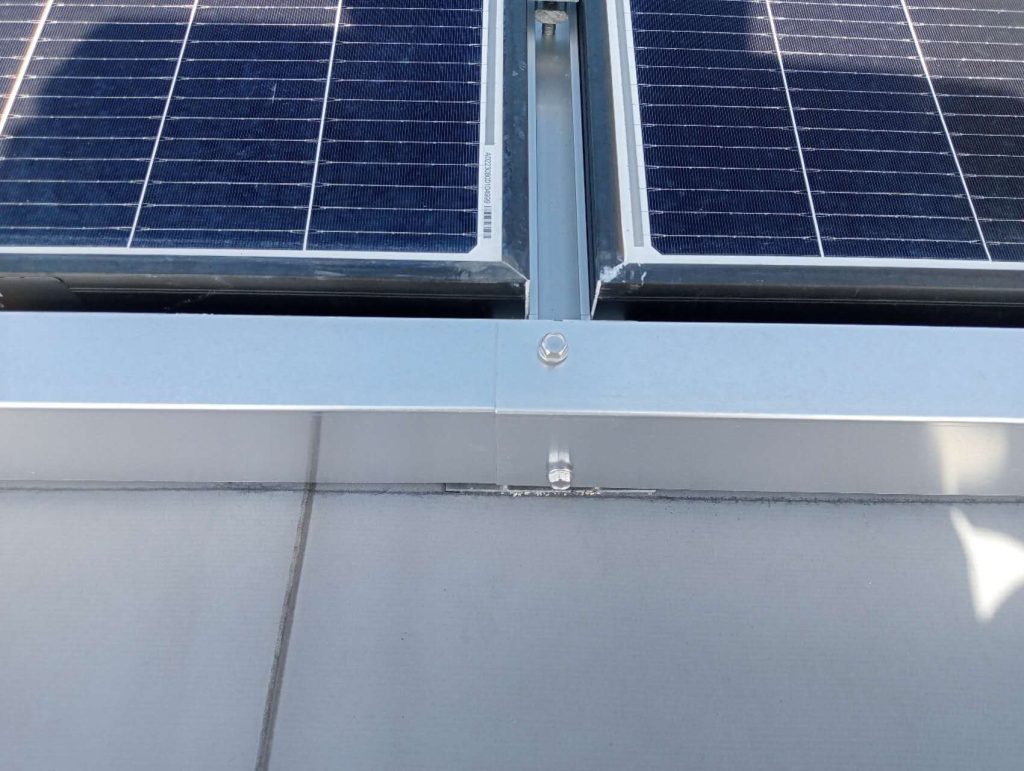
What Made the Client Smile at Handover
They walked the roof, tested output, saw zero issues post-typhoon season. “This exceeded expectations,” they said. Smooth handover, full documentation, training included.
Results? Impressive. System hit targets fast—consistent generation, no structural concerns. Energy output strong year-round thanks to optimized tilt.
Energy Gains and Weather-Beating Performance
Monitoring shows reliable performance through seasons. Panels produce more than projected in low-sun months. Durability proven—no shifts, no damage.
We bring real experience—dozens of similar installs, deep Japan market knowledge, quick adaptation to local rules.
If your flat concrete roof needs solar without risks, don’t go generic. A tailored triangle flat concrete roof solar mounting system from SR Solar delivers. We’ve done it successfully in Japan—let’s do it for you.
Ready to get your roof producing clean energy? Send us your details—roof photos, location, panel plans. We’ll craft a custom proposal fast, no strings. Contact SR Solar today—your project could be our next success story!
This Japan install reminds me why customization matters so much at SR Solar. Listening closely, tweaking designs, working side-by-side—it turns challenges into wins. The client got a rock-solid triangle flat concrete roof solar mounting system that performs beautifully and respects their building. If you’re ready for similar results, we’re excited to help.
FAQ
1. Why choose a triangle flat concrete roof solar mounting system over ballasted flat setups? Triangle designs provide adjustable tilt for 20-30% better energy yield while staying stable in high winds and seismic areas. They use smart anchoring or ballast to avoid roof damage, making them ideal for Japan’s strict codes and weather.
2. How does this system handle Japan’s seismic and typhoon requirements? We engineer with reinforced joints, low centers of gravity, and flexible connections that absorb movement. It complies with JIS standards, passes wind/snow load tests, and has proven reliable through real typhoon seasons.
3. Does the triangle flat concrete roof solar mounting system require roof penetrations? Mostly no—we prioritize non-penetrating ballast or minimal light anchors at edges. Waterproofing stays protected, and the roof remains intact long-term.
4. How long does installation take for a typical commercial project? With pre-assembled components and clear planning, mid-sized arrays install in 1-2 weeks. On-site adjustments are quick thanks to adjustable features and good teamwork.
5. How can I start a similar project with SR Solar? Just reach out with your roof specs, location, and any photos. We’ll review quickly, propose a customized triangle flat concrete roof solar mounting system, and guide you through—no obligation, just practical advice to move forward.